 Pori
Ingredients.
What retinol, niacinamide and the rest actually do, what not to mix, and how to read a label.

Adapalene for Acne: How to Start Differin, the OTC Retinoid
How to start the over-the-counter retinoid built for acne, what the first three months look like, and where it sits next to retinol and tretinoin.
7 min read
AHA vs BHA: Which Exfoliant Is Right for Your Skin?
Water-soluble AHAs smooth the surface, oil-soluble BHA clears pores: how to choose by skin type, and how to combine them if you want both.
8 min read
Is Alcohol in Skincare Bad? When Alcohol Denat Is a Problem and When It's Fine
Drying alcohols like alcohol denat. matter most when they're high on the list in a leave-on product and your skin is dry, sensitive or acne-prone.
8 min read
Allantoin in Skincare: The Quiet Skin Soother on Your Ingredient List
Where allantoin really comes from, what it can and can't do, and why it's a reassuring name to find on a sensitive-skin label.
7 min read
Alpha Arbutin Benefits: A Gentle Tyrosinase Inhibitor for Dark Spots
A low-irritation brightener for post-acne marks and sun spots: what the evidence shows, how to use a 2% serum, and what its hydroquinone link really means.
8 min read
Are Parabens Bad? What the Science Says About Preservatives
A calm look at the study that started the paraben scare, what regulators actually restrict, and what paraben-free products use instead.
8 min read
Azelaic Acid Benefits: Acne, Redness and Dark Marks Explained
One ingredient that treats breakouts, fades the marks they leave and calms redness, with honest timelines and how to start without the sting.
7 min read
Bakuchiol vs Retinol: Does the 'Plant Retinol' Actually Work?
An honest read of the small bakuchiol evidence base, including the 2019 head-to-head trial, and who it makes sense for.
6 min read
How to Use Benzoyl Peroxide Without Dryness or Bleached Towels
A practical guide to the most proven over-the-counter acne treatment: the right strength, wash or gel, retinoid pairing, and keeping your linens intact.
8 min read
Best Skincare Ingredient Checker Apps in 2026: Pori, SkinSort, INCIDecoder, Yuka and More
Six ingredient scanners compared on how they rate ingredients, what they cover, where they run and what they cost in October 2026.
9 min read
Centella Asiatica Benefits for Skin: What Cica Does for Irritated Skin
What's really in cica, what the barrier and redness studies found, where it helps with acne, and how to pick a format that suits your skin.
7 min read
What Do Ceramides Do for Skin? How to Pick a Ceramide Moisturizer
The ceramide names on your moisturizer, the three-lipid ratio behind barrier creams, and how much an ingredient's place on the list really tells you.
8 min read
Chemical vs Mineral Sunscreen: Avobenzone, Oxybenzone and the New Filters Explained
A plain guide to organic UV filters, from the FDA's safety review and the oxybenzone debate to Tinosorb and a table for choosing your sunscreen.
7 min read
Copper Peptides (GHK-Cu): Benefits, Hype and How to Use Them
What the GHK-Cu research actually shows, why brands say to keep it away from vitamin C and acids, and a simple way to try it.
7 min read
Is Dimethicone Bad for Skin? Silicones in Skincare, Explained
Silicones don't suffocate skin; here's what dimethicone and cyclopentasiloxane actually do, and the narrower reasons to skip them.
6 min read
Exfoliating Acids for Beginners: Which One to Start With and How
How to choose between AHAs, BHAs and PHAs for your skin type, build up over three weeks, and stop before irritation sets in.
9 min read
Cetearyl Alcohol in Skincare: Why Cetyl and Other Fatty Alcohols Are Good for Skin
Cetyl, stearyl, cetearyl and behenyl alcohol are the waxy, softening alcohols in your moisturizer, and they don't dry skin the way alcohol denat. can.
7 min read
Ferulic Acid Benefits for Skin: Why It's Paired With Vitamin C and E
How ferulic acid stabilizes the classic vitamin C and E serum, what the human studies show, and what it does by itself.
6 min read
Is Fragrance in Skincare Bad? Fragrance and Essential Oils Explained
Fragrance is one of the most common causes of skin allergy, essential oils included, so whether to avoid it depends on your skin and how it reacts.
8 min read
Glycerin Benefits for Skin: The Underrated Humectant Doing the Heavy Lifting
Why the humble ingredient near the top of most labels does so much of the hydrating, how much is enough, and where DIY glycerin goes wrong.
6 min read
Glycolic Acid Benefits for Your Face: Strengths, Side Effects and How to Use It Safely
The strongest everyday AHA smooths texture and sun-dulled skin, but its percentage, pH and sun sensitivity decide whether it helps or irritates.
7 min read
Green Tea Skincare Benefits: EGCG for Oil, Redness and Antioxidant Protection
What topical green tea polyphenols do for oil, breakouts and sun-related stress, how to spot a meaningful amount on a label, and why a tea bag isn't the same thing.
7 min read
How to Read Skincare Ingredient Labels: INCI Lists, Fragrance and What to Avoid
What the order of an ingredient list tells you, what it hides, and the short list of ingredients with real evidence against them.
8 min read
How to Use Hyaluronic Acid Serum So It Doesn't Dry Your Skin
The damp-skin method, what molecular weights on the label mean, and why dry air only matters when you skip the moisturizer.
8 min read
Kojic Acid for Dark Spots: Does It Work, and Is It Safe?
The fungus-derived brightener, checked against the evidence: real effects, soap hype, allergy risk, underarm use and a three-way brightener comparison.
7 min read
Lactic Acid for Dry Skin: The Gentler AHA That Also Hydrates
Lactic acid smooths flaky, dull skin while drawing in water, which makes it the usual first AHA for dry skin and rough, bumpy arms.
6 min read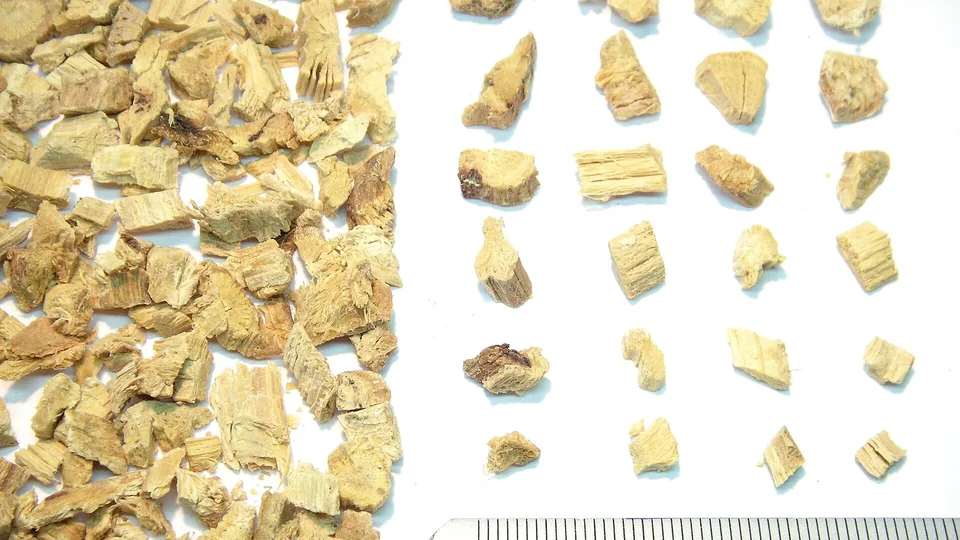
Licorice Root Extract for Skin: Brightening and Soothing in One
What glabridin and its cousins do for dark spots and redness, how strong the evidence is, and why licorice suits skin that can't handle stronger brighteners.
7 min read
Mandelic Acid for Acne and Deeper Skin Tones: The Gentle AHA Explained
The largest common AHA exfoliates slowly and gently, which makes it a fit for mild acne on sensitive skin and for skin that scars with dark marks.
6 min read
Mineral Oil in Skincare: Is It Comedogenic or Just Misunderstood?
Purity grades, the animal tests behind the pore-clogging reputation, and how mineral oil stacks up against coconut and sunflower oil.
7 min read
Niacinamide Benefits: What It Does, Best Percentage and How to Use It
What the clinical studies actually show for dark spots, acne, oil and the skin barrier, and why 5% is usually enough.
7 min read
Panthenol Benefits for Skin: The Soothing Vitamin B5 Humectant in Everything
Why provitamin B5 shows up in baby creams, aftercare balms and cleansers, what the studies show, and where it fits when retinoids or acids leave skin raw.
7 min read
Peptides in Skincare: What They Do and Which Ones Have Evidence
The three types of peptides you'll see on labels, the named actives with real studies behind them, and what to expect next to a retinoid.
8 min read
Does Vaseline Clog Pores? Petrolatum, Slugging and Acne-Prone Skin
Petrolatum is the strongest occlusive in skincare and a weak pore-clogger, so the real question is whether the slugging habit suits your skin.
7 min read
PHA Exfoliant for Sensitive Skin: Gluconolactone, Lactobionic Acid and How They Work
Polyhydroxy acids are the slow, hydrating end of the acid family: who they suit, what the studies show, and where an AHA or BHA does more.
7 min read
Retinal vs Retinol: Is Retinaldehyde Worth the Upgrade?
Why retinaldehyde acts faster than retinol, what one tretinoin comparison actually found, and how to move up without wrecking your skin barrier.
7 min read
Retinol for Beginners: How to Start Without the Irritation
A plain plan for your first retinoid: the strength to buy, how often to use it, what the first weeks feel like, and when to expect results.
8 min read
Salicylic Acid for Blackheads: How BHA Clears Clogged Pores
The oil-soluble acid that works inside the pore: cleanser vs leave-on, how often to use it, and what to expect week by week.
8 min read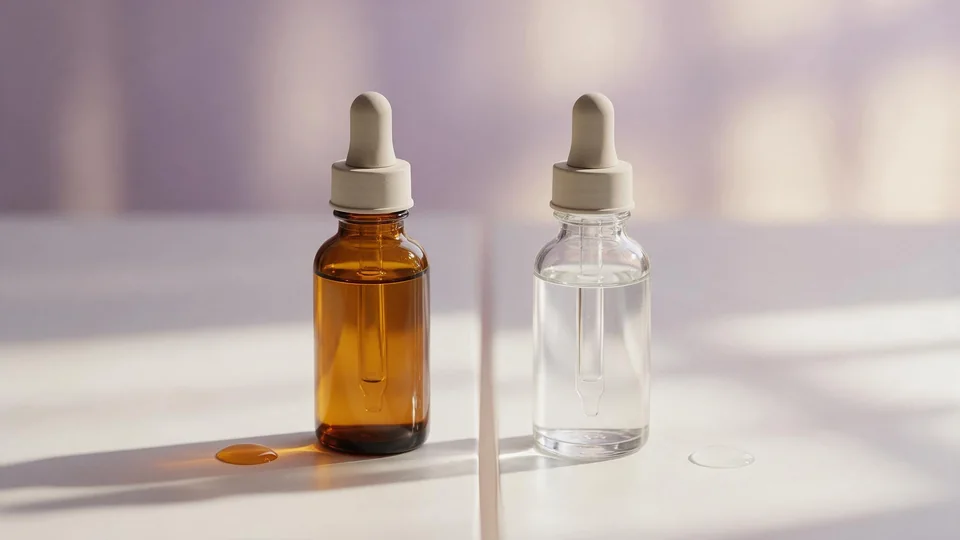
Skincare Ingredients Not to Mix: Real Conflicts vs Myths
Which pairings genuinely clash, which warnings are outdated, and how to schedule the ones that need space.
7 min read
Snail Mucin Benefits: What Snail Secretion Filtrate Actually Does
The K-beauty favorite is a gentle humectant with a few promising small trials, plus real questions about sourcing and allergies.
7 min read
Squalane Oil Benefits: The Lightweight Face Oil That Suits Most Skin Types
A stable version of a lipid your skin already makes, squalane moisturizes without grease, but it's a light emollient rather than a heavy seal.
6 min read
Sulfates in Face Wash: Do You Need a Sulfate-Free Cleanser?
SLS, SLES and the gentler surfactants that replace them, why the whole formula decides how harsh a cleanser feels, and who should switch.
7 min read
Sulfur for Acne: An Old-School Treatment That Still Works
Why a time-honored ingredient still earns a place in acne care, how to use it, and when to pick it over benzoyl peroxide.
7 min read
Is Titanium Dioxide Safe in Sunscreen? How Well It Protects, Explained
A mineral filter with a strong safety record, good UVB coverage, one real weak spot in long UVA, and one exposure route to avoid.
7 min read
Tranexamic Acid for Hyperpigmentation: The Melasma-Friendly Brightener
What topical TXA does to sun- and hormone-triggered pigment, what the trials tested, how to use a serum, and why the pill is a doctor's call.
7 min read
Tretinoin Explained: What to Know Before Asking for a Prescription
How prescription retinoic acid differs from over-the-counter retinoids, the realistic three-to-six-month timeline, who shouldn't use it, and questions to take to your appointment.
7 min read
Urea Cream for Face and Body: 5%, 10% or 40% and What Each Does
Low-percentage urea hydrates, mid-range smooths rough skin and keratosis pilaris, and 40% softens calluses and nails.
7 min read
Which Vitamin C Serum Form Is Best? L-Ascorbic Acid vs Derivatives, Explained
How L-ascorbic acid and its stable derivatives differ in strength, stability and comfort, why serums turn orange, and how to choose and use one with sunscreen.
8 min read
Vitamin E Oil on Face: Tocopherol Benefits and the Evidence on Scars
Why tocopherol earns its place in serums and creams, and why rubbing capsule oil on your face is a different, weaker idea.
7 min read
Zinc for Acne: Zinc PCA, Supplements and What the Evidence Says
What zinc does for breakouts and oil, how strong the evidence is for serums versus pills, and how much oral zinc is safe to take.
7 min read
Zinc Oxide Sunscreen Benefits: Broad-Spectrum Mineral Protection Explained
Why zinc oxide is the broadest single mineral filter, what the number on the label tells you, and how to wear it on any skin tone.
7 min readTry a shorter word, or .