Pori
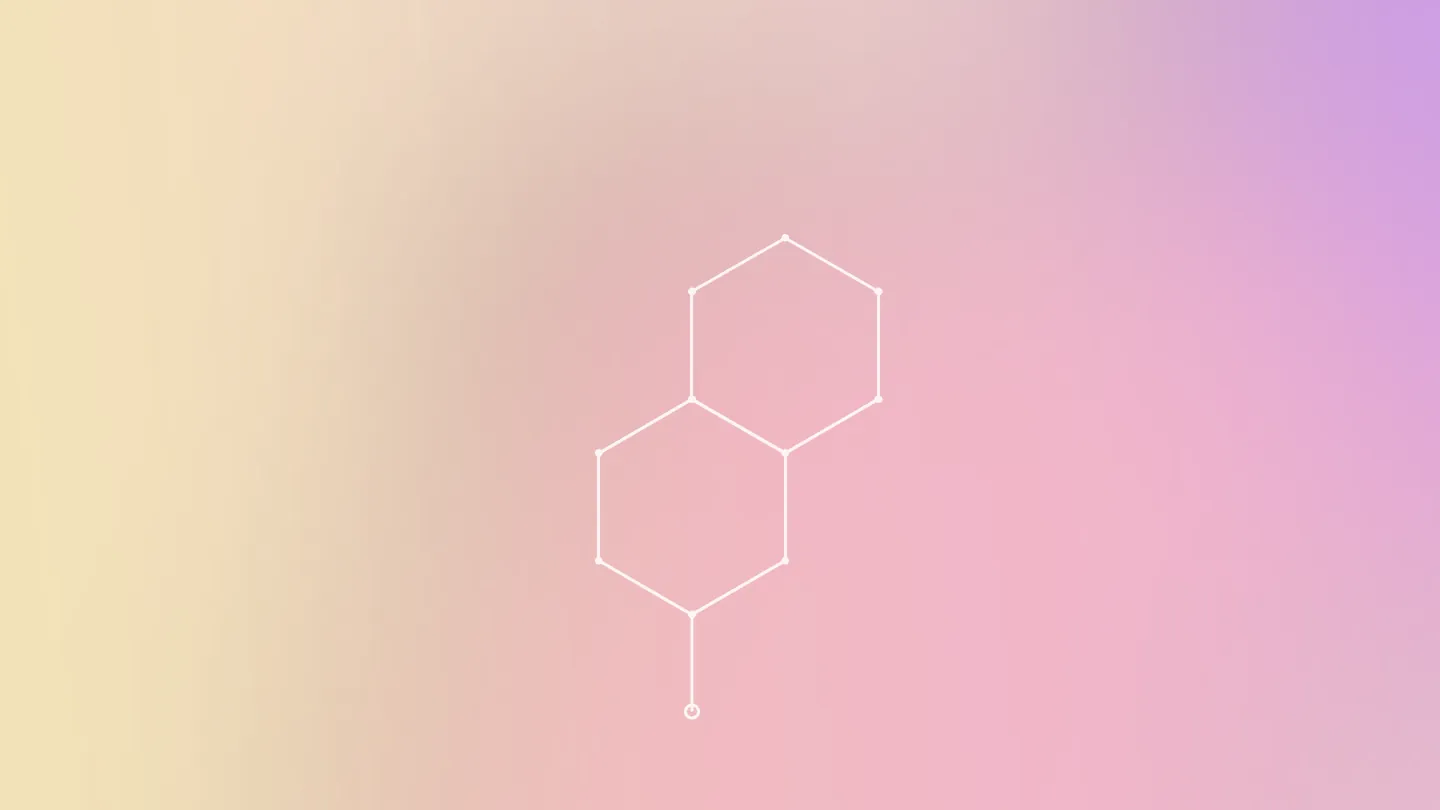
- Allantoin is a small urea-related molecule found in comfrey and the body, and made synthetically from glyoxylic acid and urea; it isn't a snail extract.
- It soothes and softens skin and has a mild keratolytic (smoothing) effect, though controlled human data are limited.
- FDA's over-the-counter skin protectant rule permits allantoin at 0.5% to 2%, so a low spot on the ingredient list is normal.
- Panthenol has stronger hydration evidence; the two often appear together and work well side by side.
Allantoin in skincare is a soothing, mildly smoothing ingredient. It's a small molecule found naturally in plants such as comfrey and in the human body, and it can be made in a lab from glyoxylic acid and urea. It's added to creams to soften skin and calm irritation, and US rules permit it as an over-the-counter skin protectant at 0.5% to 2%.
Below we cover where allantoin comes from, what it does and how strong the evidence is, how it compares with panthenol, whether it's safe, and how to read it on a label.
What is allantoin?
Allantoin is a simple nitrogen-containing compound related to urea. PubChem, the NIH chemistry database, describes it as a diureide of glyoxylic acid and a product of the oxidation of uric acid. Most mammals make it as they break down purines; humans and other higher apes mostly excrete uric acid instead, though allantoin is still present in human blood at low levels and is a normal part of the diet.
The plant connection is real. PubChem records allantoin as one of several compounds identified in comfrey (Symphytum officinale), and its notes describe allantoin, as a component of comfrey, as stimulating tissue repair and wound healing through cell proliferation. That plant link is where much of allantoin's reputation as a skin healer comes from.
Is allantoin from snails?
Allantoin listed as "allantoin" on a label is a single, defined chemical with no snail involved. The same molecule can be made by reacting glyoxylic acid with urea and an acid catalyst, according to PubChem's manufacturing notes, and a synthetic molecule is chemically identical to one extracted from a plant.
The snail confusion comes from snail mucin products, which are marketed partly on their soothing effects. Snail secretion is a different ingredient with its own name: on a label it appears as snail secretion filtrate. Because US cosmetic labels must list ingredients in descending order of predominance, a product that contains snail secretion will say so. If you see only "allantoin," there's no snail involved. For the snail side of the story, see our guide to what snail mucin actually does.
What does allantoin do for skin?
Allantoin is used to soothe, soften and smooth skin. PubChem summarizes its use in cosmetic creams, toothpastes, shampoos, lipsticks, anti-acne products and lotions for moisturizing skin, improving smoothness, helping wounds heal and soothing irritated skin. Its cosmetic use classification there is simply "soothing."
Two actions are usually credited to it:
- Keratolytic (smoothing). Allantoin is thought to help loosen and shed the uppermost dead cells. PubChem notes that studies suggest it has moisturizing and keratolytic effects, increases the water content of the extracellular matrix and enhances desquamation, the shedding of the top layers of dead skin. It's far gentler than exfoliating acids; expect softer texture over time and no peel-like resurfacing.
- Soothing and protective. FDA's over-the-counter skin protectant rule lists allantoin at 0.5% to 2% as an active ingredient, alongside petrolatum, dimethicone and glycerin at their own ranges. That puts it in the same regulatory group as the classic ointments people reach for on chapped or irritated skin.
The evidence is thinner than its long use might suggest. PubChem is candid that there is no well controlled and appropriate data that can formally substantiate allantoin's pharmacodynamic properties. Most of the support comes from laboratory and animal work and from decades of use. That's one reason allantoin works best as a supporting player in a gentle formula. It's rarely a reason to buy a product by itself.
What are the benefits of allantoin for the face?
On the face, allantoin mainly makes a formula feel calmer and leaves skin softer. Realistic benefits:
- Less tightness and roughness on dry or flaky patches, thanks to its mild moisturizing and smoothing effect.
- Comfort for easily irritated skin, which is why it's common in sensitive-skin moisturizers and sunscreens.
- A softer finish in cleansers, where it can help offset the tight feeling some people get after washing.
- A gentle partner for actives, sitting next to acne or exfoliating ingredients to make the product easier to tolerate.
What it won't do: fade dark spots, shrink pores, treat acne on its own or repair a badly damaged barrier. For those goals, look at ingredients with stronger evidence, and treat allantoin as a sign that the formula was built with comfort in mind.
Where will I see allantoin on an ingredient list?
Usually low on the list, because it's used in small amounts. US rules let ingredients at 1% or less appear in any order after the rest, and allantoin's permitted skin protectant range tops out at 2%, so a low position is normal and doesn't mean it's pointless.
Two real examples show the pattern:
- The drug label for La Roche-Posay Toleriane Double Repair Moisturizer UV SPF 30 lists allantoin among the inactive ingredients, after glycerin, dimethicone, niacinamide and emulsifiers and just before ceramide 3.
- First Aid Beauty's Ultra Repair Cream lists colloidal oatmeal as its active ingredient, and its Ulta listing names allantoin as a key ingredient that "calms and soothes skin", next to shea butter. That's the brand's own description.
If a product calls itself a skin protectant and lists allantoin under "Drug Facts" as the active ingredient, it falls under the FDA rule above and should contain 0.5% to 2%. Elsewhere, it's a cosmetic ingredient and the amount isn't disclosed. Our guide to reading skincare ingredient labels explains how to tell actives from the rest of the list.
Allantoin vs panthenol: what's the difference?
Both are gentle, soothing ingredients that often appear in the same formulas, but panthenol has the stronger evidence for hydration and barrier repair. Panthenol, or provitamin B5, is a humectant that skin converts into pantothenic acid. A review of topical dexpanthenol reports that it improves stratum corneum hydration and reduces transepidermal water loss, and it has placebo-controlled wound-healing data behind it. Allantoin's case rests more on its long use, its mild smoothing effect and its place in the FDA skin protectant rule.
| Allantoin | Panthenol (provitamin B5) | |
|---|---|---|
| What it is | A urea-related compound found in comfrey and the body; also made from glyoxylic acid and urea | The alcohol form of vitamin B5, converted to pantothenic acid in skin |
| Main action | Soothing, softening, mild keratolytic (helps shed dead cells) | Humectant (draws in water), soothing, supports wound repair |
| Regulatory note | FDA OTC skin protectant active at 0.5% to 2% | Common cosmetic and topical drug ingredient |
| Strength of evidence | Mostly lab, animal and long-use data | Includes randomized, placebo-controlled skin studies |
| Typical products | Sensitive-skin creams, sunscreens, cleansers, lipsticks, anti-acne products | Serums, toners, cleansers, baby and aftercare balms |
| Best reason to look for it | Rough, easily irritated skin that wants comfort | Dehydrated, stinging or freshly treated skin |
You don't need to choose. Plenty of soothing formulas include both, since they do slightly different jobs. For more on the B5 side, read our guide to panthenol benefits for skin.
Is allantoin safe?
Yes, for most people it's one of the least worrying ingredients on a label. It's a normal human metabolite, it has been used for decades, and FDA's skin protectant rule permits it as an active ingredient at 0.5% to 2% in over-the-counter products meant for irritated skin. It's also a reassuring sign in a formula for sensitive skin, because it tends to show up in products designed to be gentle.
A few sensible caveats:
- The product matters more than the allantoin. A cream with allantoin can still contain fragrance, essential oils or strong acids that irritate. Read the whole list.
- Reactions are possible to any ingredient. If you have very reactive skin, try a new product on a small patch for several days first; our guide on how to patch test skincare shows how.
- Comfrey is different. Allantoin is one compound. Products made with whole comfrey extract contain other plant compounds too, so don't treat "contains comfrey" and "contains allantoin" as the same thing.
- Pregnancy and medical conditions. We didn't find specific guidance on topical allantoin in pregnancy. If you're pregnant or managing a skin condition, ask your doctor or pharmacist about any new product.
Is allantoin good for sensitive skin?
It's a good sign to see, as part of an otherwise plain formula. Allantoin's job in a sensitive-skin product is to add comfort and softness, so its presence usually tells you the formula was designed to be gentle. Build the rest of the routine around the same idea: a gentle cleanser, a fragrance-free moisturizer and daily sunscreen. Our sensitive skin routine lays out the steps.
If your skin stings with almost everything, flushes easily or has a persistent rash, allantoin won't solve it. Conditions like rosacea, eczema and contact dermatitis can look like "sensitive skin," and a dermatologist can tell them apart and treat them.
How can a selfie scan or ingredient scanner help?
Allantoin is the kind of ingredient you only notice on a label when you're looking for it. Pori's Pro ingredient scanner reads a product's barcode or a photo of its label and flags each ingredient on its curated list as beneficial, use with caution or avoid for your skin type, so you can see the soothing ingredients and any likely irritants in one place before you buy. Pori's selfie scan adds an overall skin score with breakdowns such as Pores & Texture and Hydration & Moisture, which helps you see whether a gentler routine is smoothing things out over a few weeks.
An app is not a diagnosis. It looks at appearance and ingredient lists and can't diagnose a skin condition. See a dermatologist for redness, rashes or irritation that doesn't settle.
Frequently asked questions
What is allantoin made from?
Allantoin occurs naturally in plants such as comfrey and in the human body, and it can be made in a lab by reacting glyoxylic acid with urea. The molecule is the same whichever way it's made.
Is allantoin from snails?
No. Allantoin is a single chemical, while snail mucin is listed separately as snail secretion filtrate. If a label only says allantoin, the product contains no snail ingredient.
What does allantoin do for your face?
It soothes irritation, softens rough or dry patches and helps loosen dead surface cells gently. It's a supporting ingredient and won't treat acne, spots or wrinkles on its own.
Is allantoin safe for sensitive skin?
Yes, for most people. It's used in many sensitive-skin products and is permitted by FDA as an over-the-counter skin protectant at 0.5% to 2%, but check the rest of the formula for fragrance or other irritants.
Is allantoin better than panthenol?
Panthenol has stronger evidence for hydration and barrier repair, while allantoin is mainly soothing and smoothing. Many formulas combine both.
Can I use allantoin with retinol or acids?
Generally yes. Allantoin is a mild supporting ingredient and often appears in acne and other active formulas to add comfort, but introduce any new product slowly if your skin is already irritated.
Sources
- PubChem (NIH): Allantoin
- 21 CFR 347.10: Skin protectant active ingredients (Cornell Legal Information Institute)
- US Food and Drug Administration: Cosmetics Labeling Guide
- DailyMed: La Roche-Posay Toleriane Double Repair Moisturizer UV Broad Spectrum SPF 30 drug label
- Ulta Beauty: First Aid Beauty Ultra Repair Cream Intense Hydration (product page)
- PubChem (NIH): Dexpanthenol
- Ebner F et al. Topical use of dexpanthenol in skin disorders. Am J Clin Dermatol, 2002 (PubMed)
Pori is a wellness and skincare education app, not a medical device. This article is for general information and isn't medical advice. For anything that worries you, see a dermatologist.