Pori
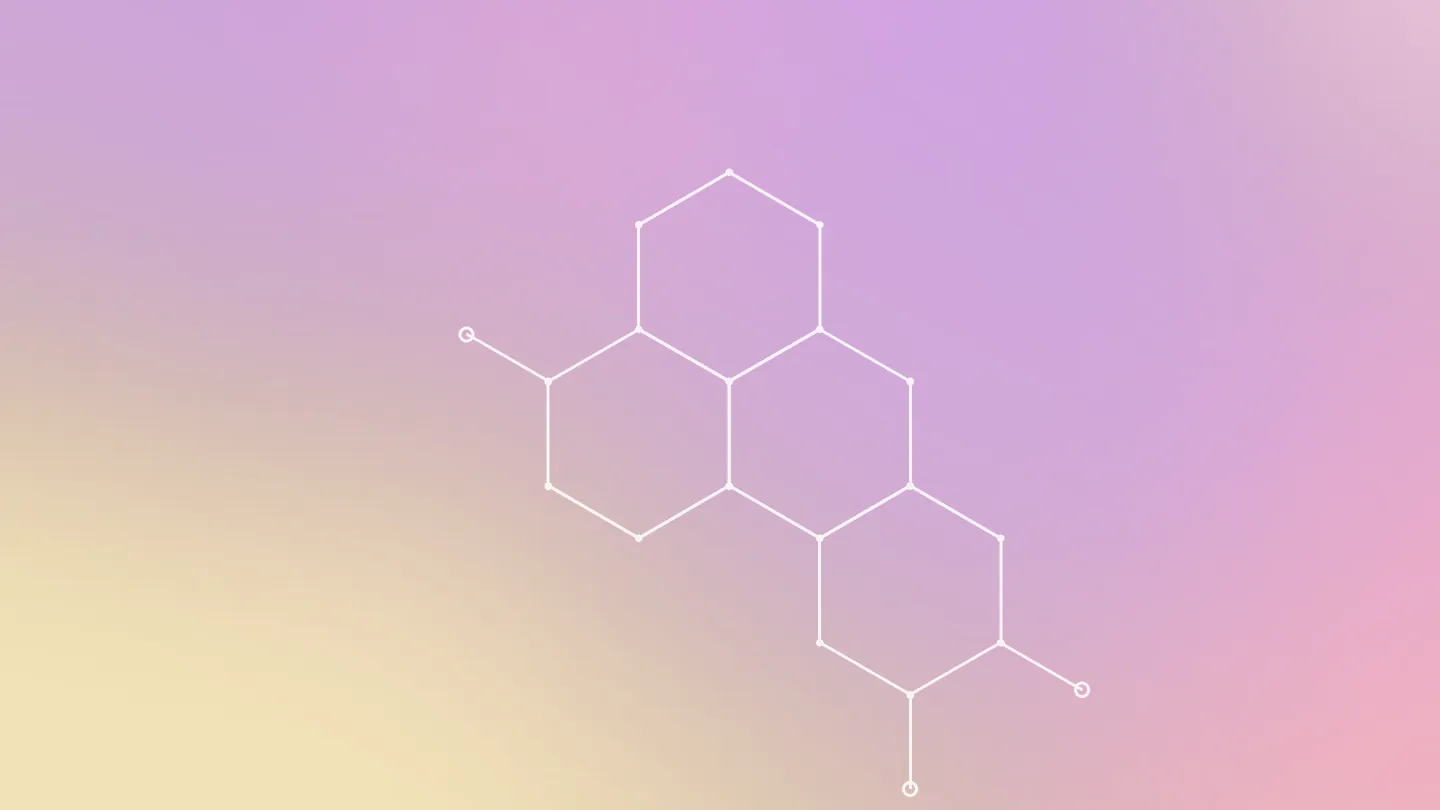
- Panthenol (provitamin B5) is a humectant that skin converts to pantothenic acid; dexpanthenol is its active form.
- In a placebo-controlled study, seven days of dexpanthenol improved hydration and reduced water loss.
- It's in baby and aftercare creams because it moisturizes and helps minor wounds and irritation heal.
- Pair it with ceramides and a slow start when using retinoids or acids; it softens irritation but doesn't prevent it.
Panthenol, or provitamin B5, is a humectant and soothing ingredient: it draws water into the outer layer of skin, reduces water loss and calms irritation. Skin converts it to pantothenic acid (vitamin B5). Studies show it improves hydration within about a week and helps irritated or wounded skin recover, which is why it appears in baby creams, aftercare balms and gentle cleansers.
Below we cover what panthenol is, what the research shows, why it keeps turning up in post-procedure and diaper creams, how it compares with ceramides, and how to use it when retinoids or acids leave your skin raw.
What is panthenol?
Panthenol is the alcohol form of pantothenic acid, one of the B vitamins. PubChem, the NIH chemistry database, describes dexpanthenol as an alcohol derivative of pantothenic acid that is enzymatically cleaved to form pantothenic acid, which the body uses to build coenzyme A, a molecule involved in many reactions in the skin's outer layers. That conversion is why panthenol is called a provitamin.
You'll see two names on labels. Panthenol (sometimes DL-panthenol) is a mix of two mirror-image forms, while D-panthenol or dexpanthenol is the single active form. PubChem notes that only the dextrorotatory form is biologically active. Both work in skincare; a product listing plain "panthenol" simply contains some of the less active form alongside the active one.
The ingredient has a long track record. A 2017 review marking its 70th anniversary dates the first topical dexpanthenol formulation, Bepanthen Ointment, to about 70 years earlier, and notes that topical dexpanthenol is now a frequently used formulation in dermatology and skin care.
What are the benefits of panthenol for skin?
The main benefits are hydration, a stronger barrier and calmer, faster-healing skin. A review of topical dexpanthenol summarizes the evidence this way: it acts like a moisturizer, improving stratum corneum hydration, reducing transepidermal water loss and helping skin stay soft and elastic.
- Hydration and barrier support. In a randomized, double-blind, placebo-controlled study, seven days of topical dexpanthenol improved skin hydration and reduced water loss compared with the same base without it.
- Soothing. The same review reports an anti-inflammatory effect on experimental UV-induced redness, and found that adding dexpanthenol skin care improved dryness, roughness, scaling, itching and redness over 3 to 4 weeks in irritated skin.
- Repair. Dexpanthenol has been shown to activate fibroblast proliferation and speed re-epithelialization, the process by which new skin covers a wound.
- Tolerability. The review says topical dexpanthenol is usually well tolerated, with minimal risk of skin irritancy or sensitization.
How it works is still being studied. The 70th-anniversary review notes the exact mechanisms have not been fully elucidated, but newer work suggests dexpanthenol increases the mobility of stratum corneum components important for barrier function and changes the activity of genes involved in wound healing.
One practical note on vehicles: the earlier review points out that dexpanthenol penetrates skin well and reaches high local concentrations in an adequate vehicle, such as water-in-oil emulsions. Richer creams and balms are the classic format, though you'll find it in serums and cleansers too.
Why is panthenol in baby creams and post-procedure balms?
Because its two best-supported jobs, moisturizing and helping minor wounds heal, are exactly what diaper rash and freshly treated skin need. PubChem lists topical dexpanthenol as used to relieve itching and aid healing in mild eczemas and dermatoses, minor wounds and skin irritations, and in infants and children for diaper rash, chafing and mild skin irritation.
The research on healing goes beyond diaper rash. The dexpanthenol review describes benefits in people who had skin transplantation, scar treatment, therapy for burn injuries and various skin conditions, and placebo-controlled trials found wounds treated with dexpanthenol emulsion showed less redness and faster epidermal regeneration.
That's the logic behind putting panthenol in aftercare balms, where it usually works alongside an occlusive. Aquaphor Healing Ointment, for example, uses petrolatum (41%) as its active ingredient, and the brand describes it as a skin protectant ointment with panthenol and glycerin. The occlusive holds water in; panthenol helps attract it and supports repair underneath.
After any professional procedure, follow the aftercare your clinician gives you first. If you want a general plan, our guide to skincare after a chemical peel walks through the first days.
Panthenol vs ceramides: which one do you need?
They do different jobs, so many people benefit from both. Panthenol is a humectant: a review of moisturizers lists it with glycerin, urea, hyaluronic acid and sorbitol among ingredients that attract water. Ceramides are barrier lipids that fill the spaces between skin cells and slow water from escaping. Our guide to ceramides and how to pick a ceramide moisturizer covers the lipid side in detail.
| Panthenol (provitamin B5) | Ceramides | |
|---|---|---|
| Type of ingredient | Humectant and soothing agent | Barrier lipid |
| Main job | Pulls water into the outer layer, calms irritation, supports wound repair | Replaces lipids in the barrier "mortar" so less water escapes |
| Evidence highlights | Placebo-controlled study: better hydration and lower water loss after 7 days | Lab studies: ceramides work best with cholesterol and fatty acids |
| Common formats | Serums, toners, cleansers, balms, baby and aftercare creams | Moisturizers and barrier creams |
| Best for | Dehydrated, stinging or freshly treated skin | Dry, tight or eczema-prone skin with a weak barrier |
If you only add one: choose panthenol when your skin feels tight and stings, and a ceramide cream when it's flaky, rough and dry for weeks at a time. Plenty of products combine them. The Ordinary's Hyaluronic Acid 2% + B5, for instance, now lists pro-vitamin B5 (panthenol) and ceramides among its key ingredients and is listed at $9.90 on the brand's US site as of October 2026 (our review of that serum looks at it in detail).
Does panthenol help irritated skin from retinoids or acids?
It can make the irritation easier to live with, though it won't prevent it. The American Academy of Dermatology says that with retinoids, starting slowly and using moisturizer helps limit irritation, and dermatologists quoted on the same page suggest the least intense formula every other night at first. They also warn that in skin of color, irritation can trigger dark marks, so keeping irritation down matters even more.
Panthenol fits into that advice as one of the soothing, water-binding ingredients in your moisturizer. Its evidence is relevant here: in an irritation model, pretreatment with dexpanthenol cream resulted in significantly less damage to the barrier than no pretreatment. No study we found tested panthenol specifically against retinoid irritation, so think of it as one helpful layer of support.
A simple way to use it on active nights:
- Cleanse gently and pat dry.
- Apply your retinoid or acid as directed. Don't stack several strong actives on the same night.
- Follow with a moisturizer that contains panthenol and barrier lipids, such as ceramides, or press a panthenol serum under your cream.
- On off nights, skip the active and use only the soothing serum and moisturizer.
- If skin burns, peels heavily or cracks, stop the active for a few days and use a bland balm until it settles.
For the full plan of easing into a retinoid, see retinol for beginners, and if your skin is already raw, our damaged skin barrier guide explains how long recovery takes.
Is panthenol safe for sensitive skin?
For most people, yes. Beyond the review's finding of minimal risk of irritancy or sensitization, PubChem notes that EPA's Safer Chemical program classes dexpanthenol as a chemical expected to be of low concern. Minimal isn't zero, though. Contact allergy to almost any ingredient is possible, so patch test a new product on a small area first if you react easily, and stop if you get itching, a rash or swelling.
Panthenol also turns up in hair care, where PubChem lists it with antistatic and hair-conditioning functions, so you may meet it in your shampoo as well as your face cream.
How do I find panthenol on an ingredient list?
Look for panthenol, D-panthenol, dexpanthenol or "provitamin B5." Brands rarely list a percentage, and its position in the list depends on the product: in a balm meant for wounds or diaper rash it's often a headline ingredient, while in a toner or cleanser it may sit far down. If a product is marketed around B5, check that panthenol actually appears in the ingredient list as well as on the front.
How can a selfie scan or ingredient scanner help?
Soothing ingredients show their value over weeks, and a calmer face is easy to take for granted. A regular selfie scan helps you see the trend. Pori turns a selfie into an overall skin score with breakdowns including Hydration & Moisture, so you can compare how your skin looks before and during a retinoid phase, and its skin diary lets you note the nights you used an active. Pori's Pro ingredient scanner reads a barcode or label photo and flags each ingredient on its curated list as beneficial, use with caution or avoid for your skin type, which helps you spot whether a "soothing" product also contains things your skin doesn't like.
An app is not a diagnosis. A scan records how your skin looks; it can't diagnose anything. If irritation doesn't settle after you stop an active, or if you have a rash you can't explain, see a dermatologist.
Frequently asked questions
What does panthenol do for your face?
Panthenol attracts water into the outer layer of skin, reduces water loss and calms irritation. Studies also show it helps minor wounds and irritated skin recover faster.
Is panthenol the same as vitamin B5?
Not exactly. Panthenol is a provitamin: skin converts it into pantothenic acid, which is vitamin B5.
What is the difference between panthenol and D-panthenol?
D-panthenol, also called dexpanthenol, is the biologically active form. Plain panthenol is usually a mix of the active D form and the inactive L form.
Is panthenol better than ceramides?
They do different jobs. Panthenol is a humectant and soothing agent, while ceramides are lipids that rebuild the barrier, so many moisturizers combine both.
Can I use panthenol with retinol?
Yes. A panthenol serum or moisturizer can make retinol nights more comfortable, though it won't prevent irritation if you start too fast or too strong.
Can panthenol cause a reaction?
It's usually well tolerated, with a low risk of irritation or allergy. If you react easily, patch test first and stop if you get itching, rash or swelling.
Sources
- Ebner F et al. Topical use of dexpanthenol in skin disorders. Am J Clin Dermatol, 2002 (PubMed)
- Proksch E et al. Topical use of dexpanthenol: a 70th anniversary article. J Dermatolog Treat, 2017 (PubMed)
- Gehring W, Gloor M. Effect of topically applied dexpanthenol on epidermal barrier function and stratum corneum hydration. Arzneimittelforschung, 2000 (PubMed)
- PubChem (NIH): Dexpanthenol
- Purnamawati S et al. The role of moisturizers in addressing various kinds of dermatitis: a review. Clin Med Res, 2017 (PMC)
- American Academy of Dermatology: Retinoid or retinol?
- The Ordinary: Hyaluronic Acid 2% + B5 (with Ceramides) (product page)
- Aquaphor: Healing Ointment (product page)
Pori is a wellness and skincare education app, not a medical device. This article is for general information and isn't medical advice. For anything that worries you, see a dermatologist.