Pori
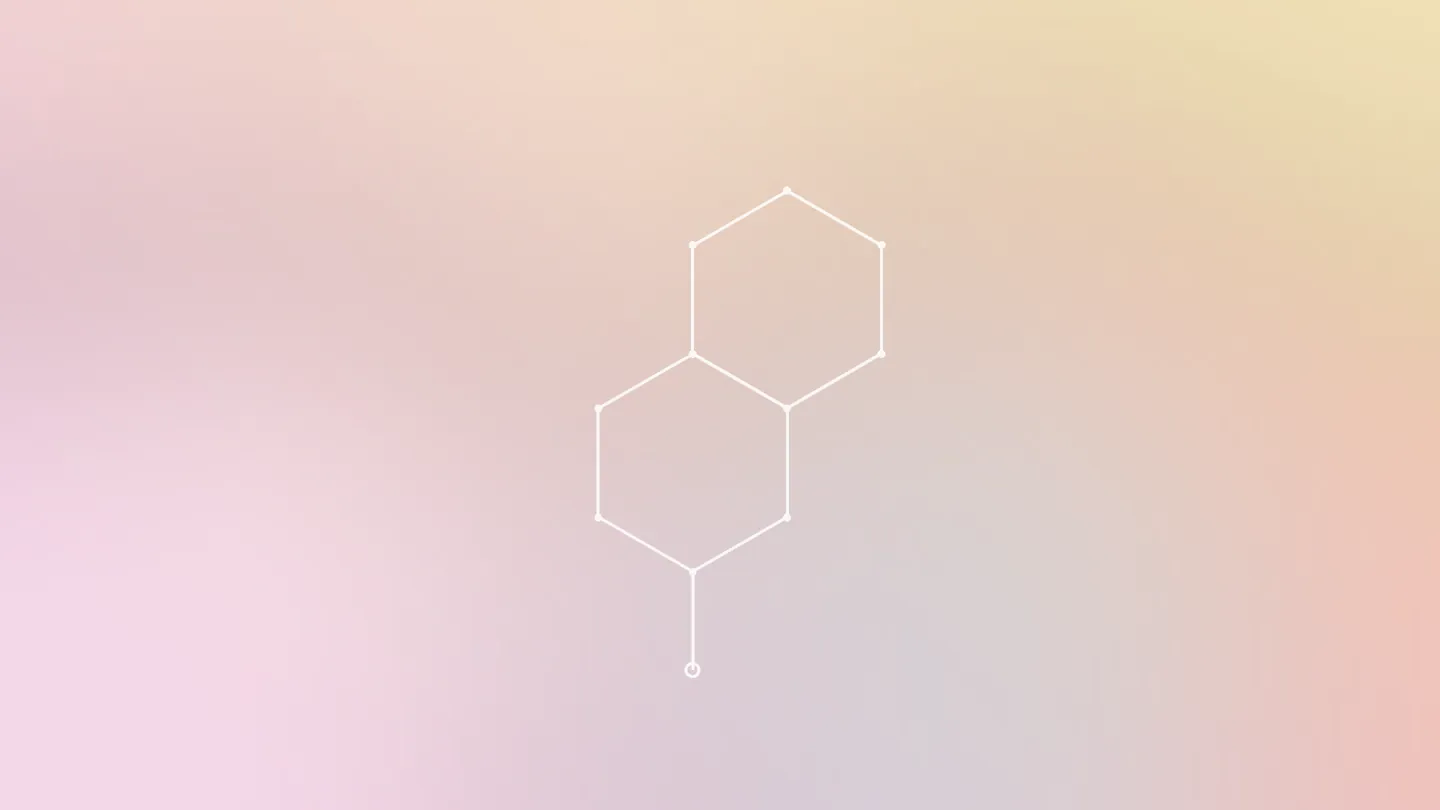
- Retinal (retinaldehyde) needs one conversion to become retinoic acid; retinol needs two, so retinal is stronger and acts faster.
- In a 44-week trial of 125 people, 0.05% retinal and 0.05% tretinoin improved wrinkles similarly, with less irritation from retinal.
- Retinal is the only common retinoid shown to have direct antibacterial activity, including against the acne bacterium, though acne-outcome data are thin.
- Switch only once retinol is comfortable, restart at two or three nights a week, and buy opaque, airless packaging because retinal degrades easily.
Retinal (retinaldehyde) sits one step closer to retinoic acid than retinol does, so skin needs only one conversion to activate it instead of two. That makes it the stronger of the two over-the-counter options. In a 125-person trial, 0.05% retinal improved wrinkles and roughness about as well as 0.05% prescription tretinoin, with less irritation. It is also less stable, so formula and packaging matter more.
Below we walk through the conversion chain, what the research does and doesn't show, whether retinal helps acne, how to move up from a retinol you already tolerate, and what to look for on the bottle. If you're new to vitamin A altogether, start with our retinol for beginners guide; this article assumes you've read it.
What is retinaldehyde?
Retinaldehyde is a form of vitamin A that skin cells make on the way from retinol to retinoic acid, the form that actually switches on retinoid receptors. A clinical review in Clinical Interventions in Aging describes it as an intermediate metabolite in the transformation of retinol to retinoic acid in human keratinocytes, and notes that its effects appear only after it has been converted to retinoic acid. On an ingredient list it appears as "retinal." DermNet groups it with retinol as one of the topical retinoids commonly added to cosmetics, as opposed to prescription retinoids like tretinoin.
How does the retinol to retinal to retinoic acid chain work?
Every cosmetic retinoid has to be converted into retinoic acid before it does much, and each extra step makes it weaker and gentler. A 2022 review of anti-aging retinoids in Advances in Therapy lays out the chain: retinyl esters are hydrolyzed to retinol, and retinol is then converted to biologically active retinoic acid (tretinoin) via retinaldehyde in a two-step oxidation. The same review ranks activity as retinyl esters, then retinol, then retinaldehyde, then retinoic acid, from weakest to strongest.
| Form | Steps to retinoic acid | Where you get it | Typical strengths in studies | Irritation (relative) |
|---|---|---|---|---|
| Retinyl esters (e.g. retinyl palmitate) | 3 | Over the counter | Varies; often undisclosed | Lowest |
| Retinol | 2 | Over the counter | Often undisclosed on US labels | Low to moderate |
| Retinaldehyde (retinal) | 1 | Over the counter | 0.05% to 0.1% | Low to moderate |
| Retinoic acid (tretinoin) | 0 (already active) | Prescription | 0.025%, 0.05%, 0.1% | Highest of the four |
The irritation column follows the 2022 review, which ranks tolerance as retinyl esters, then retinol and retinaldehyde roughly equal, then retinoic acid well behind. Concentrations for retinal and tretinoin come from the trials that review summarizes. The AAD notes that for over-the-counter products there's no standard requirement that the percentage of retinol be disclosed on the label.
Is retinal stronger than retinol?
Yes, on paper and in the limited head-to-head data. Because it skips one conversion, more of what you apply can become retinoic acid. Researchers estimate retinol is roughly tenfold less potent than tretinoin, and an older review puts the gap at about 20 times. No study we found gives an equally clean number for retinal, so be wary of any brand claiming its retinal is "11 times faster" or similar.
Retinol itself still works. A 2016 study found that four weeks of retinol produced similar changes in skin histology and collagen gene expression to retinoic acid, though the magnitude tends to be smaller. Retinal's case is that it gets you closer to tretinoin-level results without the prescription.
Is retinal as strong as tretinoin?
In one well-designed trial it came close. In a 44-week, randomized, double-blind, vehicle-controlled study of 125 people, 0.05% retinaldehyde and 0.05% tretinoin both reduced wrinkles and roughness, and the review that summarizes it reports no statistically significant differences between retinaldehyde and tretinoin, while tretinoin caused more local irritation and lower compliance. An earlier review of the same trial reached a similar conclusion: retinoic acid resulted in higher incidences of local irritation than retinaldehyde.
That is one trial, not a body of evidence, and it compared specific formulas at one strength. The 2022 review also notes that, on the parameters it assessed, retinaldehyde did not differ significantly from the plain vehicle cream either, so "similar to tretinoin" here is a modest claim. The fair summary is that retinal at 0.05% can be a reasonable over-the-counter step for people who want more than retinol and either can't tolerate or don't want tretinoin. For what a prescription involves, see tretinoin explained.
Other studies point the same way. A three-month study of 40 women comparing 0.1% and 0.05% retinal found improvements in hydration, wrinkles and roughness at both strengths, and the only statistically significant difference between the two groups was in the melanin index, so doubling the strength did not clearly double the benefit.
Is retinal good for acne?
Retinal has one property the other retinoids lack: it kills some bacteria. In a 2002 study in Dermatology, only retinaldehyde, of the three retinoids tested, showed significant antibacterial activity in the lab, including against P. acnes (now called C. acnes), the bacterium tied to acne. When 22 healthy volunteers applied 0.05% retinal to the forehead daily for two weeks, counts of P. acnes fell by a median of about 2 log units, and no resistant bacteria were found after two weeks. The authors attribute the effect partly to the aldehyde group in the molecule.
Keep the limits in view. That study measured bacterial counts on healthy skin, not pimples. It doesn't show that retinal clears acne better than other treatments. For acne specifically, the better-tested over-the-counter retinoid is adapalene, which the AAD lists among retinoids available both by prescription and over the counter for acne; our adapalene guide covers it. If you have painful, deep or scarring acne, see a dermatologist rather than experimenting with cosmetics.
How do I switch from retinol to retinal?
Treat retinal as a new, stronger product and restart slowly, even if your skin is used to retinol. The AAD's general advice for retinoids is to choose a gentle formula and use it every other night to start, slowly building up. A practical sequence:
- Be settled on retinol first. You should be using retinol most nights for at least a couple of months with no peeling or stinging.
- Start with the lowest retinal strength a brand offers. Studies used 0.05%; many product lines start lower.
- Swap, don't stack. Replace your retinol with retinal on two or three nights a week. Don't use both in the same routine.
- Increase every two weeks if your skin stays comfortable: every other night, then most nights.
- Buffer if needed. Apply moisturizer first or mix in a pea-sized amount, the same tricks that help with retinol.
- Wear sunscreen daily. The AAD notes retinoids can increase sun sensitivity and suggests using them at night and protecting your skin by day.
Some dryness or flaking in the first weeks is common with any retinoid step-up. If it gets past mild, drop back to fewer nights; peeling from retinol covers how to manage that phase. People with darker skin should go especially slowly, since the AAD notes irritation can trigger dark marks in skin of color.
Why does retinal need special packaging?
Retinal breaks down easily. The 2022 review calls it a highly unstable molecule prone to autooxidation and photooxidation, which is why researchers have developed encapsulated and nanoparticle versions. Retinoids in general degrade on the shelf: a 2021 analysis of 12 commercial products found a 0% to 80% decline after 6 months at 25°C, with light causing more damage than heat, and some products containing less retinoid than declared.
That study didn't test retinal products specifically, but the lessons carry over:
- Choose opaque, airless pumps or tubes over clear bottles and open jars.
- Look for encapsulated or stabilized retinal when the brand states it, and for a stated percentage.
- Store it cool and closed, away from a sunny bathroom window.
- Use it up within a few months of opening and note the period-after-opening symbol on the pack.
- Retinal is naturally yellow. A formula that has turned noticeably darker or smells off is past its best.
Who should stick with retinol, or skip retinoids altogether?
Retinal isn't an automatic upgrade for everyone. Stay with retinol if it is already giving you results you're happy with, if your skin is easily irritated, or if you're in the first months of using any retinoid. The AAD notes that people with a lot of redness or inflammation, skin allergies or dryness may not be good candidates for retinoids at all; a gentler routine built around moisturizer and sunscreen may serve them better.
The AAD is also clear that retinoids should not be used during pregnancy, and Cleveland Clinic says healthcare providers discourage the use of retinoids if you're pregnant. That includes retinal. If you're pregnant, trying to conceive or breastfeeding, ask your doctor, and read our guide to bakuchiol, the plant-derived option many people look at instead.
How can a selfie scan or ingredient scanner help?
Moving from retinol to retinal is a slow change, and it's hard to judge week-to-week differences by eye. Taking a consistent photo every week or two, in the same light, gives you something to compare. An app like Pori returns an overall skin score plus areas such as Pores & Texture and Anti-aging & Elasticity, and its before/after comparison lets you put week one next to week twelve. Pori's ingredient scanner (a Pro feature) can also read a label and flag retinoids and other ingredients as beneficial, use with caution or avoid for your skin type, which helps when you're checking that you aren't doubling up on actives.
An app is a record of how your skin looks, not a diagnosis. For acne that scars, persistent irritation or anything that worries you, a dermatologist is the right next step.
Frequently asked questions
Is retinal better than retinol?
Retinal is stronger because it needs only one conversion step to become retinoic acid, while retinol needs two. It can also be slightly more irritating, so it's better only if your skin already tolerates retinol.
Is retinal the same strength as tretinoin?
Not exactly. One 44-week trial found 0.05% retinal and 0.05% tretinoin gave statistically similar improvements in wrinkles and roughness, with less irritation from retinal, but that is a single study of specific formulas.
Is retinal good for acne?
Retinal has direct antibacterial activity against the acne bacterium in lab and skin-count studies, which other retinoids don't. Studies of actual acne outcomes are limited, so adapalene or a dermatologist's plan remains the better-tested route for acne.
How do I switch from retinol to retinal?
Replace retinol with the lowest-strength retinal on two or three nights a week, then build up every couple of weeks if your skin stays comfortable. Don't use both in the same routine, and wear sunscreen daily.
Can I use retinal while pregnant?
No. The American Academy of Dermatology says retinoids should not be used during pregnancy, and retinal is a retinoid. Talk to your doctor about alternatives.
Why is my retinal serum yellow?
Retinaldehyde is naturally yellow, so a yellow tint is normal. A formula that darkens noticeably or smells off over time has likely degraded and should be replaced.
Sources
- Milosheska D, Roškar R. Use of retinoids in topical antiaging treatments: a focused review of clinical evidence. Adv Ther, 2022 (PMC)
- Mukherjee S et al. Retinoids in the treatment of skin aging: an overview of clinical efficacy and safety. Clin Interv Aging, 2006 (PMC)
- Pechère M et al. The antibacterial activity of topical retinoids: the case of retinaldehyde. Dermatology, 2002 (PubMed)
- Kong R et al. A comparative study of the effects of retinol and retinoic acid on histological, molecular, and clinical properties of human skin. J Cosmet Dermatol, 2016 (PubMed)
- Temova Rakuša Ž et al. Retinoid stability and degradation kinetics in commercial cosmetic products. J Cosmet Dermatol, 2021 (PubMed)
- American Academy of Dermatology: Retinoid or retinol?
- DermNet: Topical retinoids
- Cleveland Clinic: Retinol: what it is, benefits and how to use
Pori is a wellness and skincare education app, not a medical device. This article is for general information and isn't medical advice. For anything that worries you, see a dermatologist.