Pori
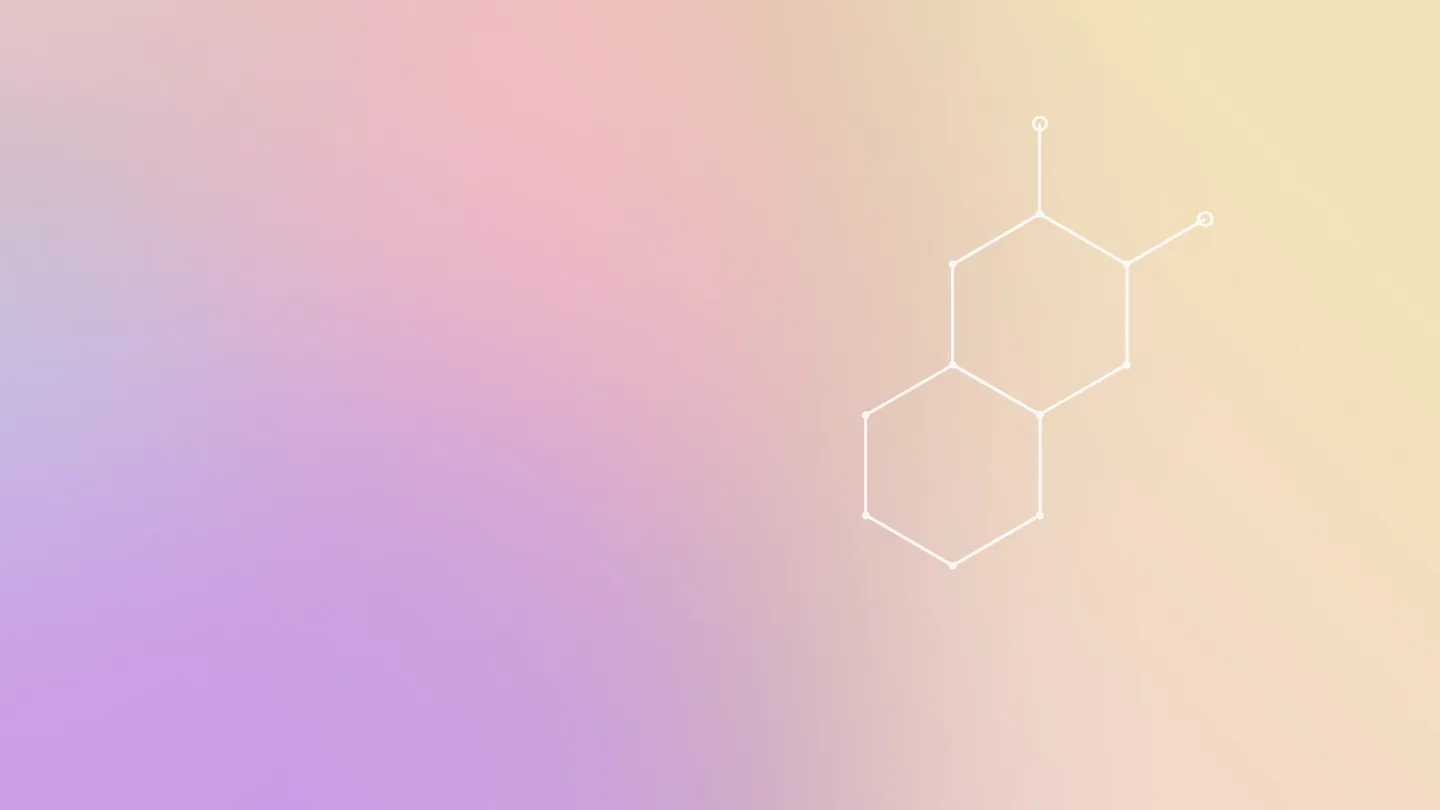
- Tretinoin is prescription retinoic acid; retinol has to be converted into it and is estimated to be 10 to 20 times less potent.
- Acne often looks worse for 7 to 10 days, improves over 2 to 6 weeks, and fine-wrinkle changes take 3 to 6 months.
- Common strengths are 0.025%, 0.05% and 0.1%; prescribers usually start low and build up, and choosing one is their call.
- Experts recommend stopping tretinoin in pregnancy; wear sunscreen daily and avoid other strong actives unless your prescriber says otherwise.
Tretinoin is prescription retinoic acid, the active form of vitamin A that over-the-counter retinol has to be converted into. For acne, MedlinePlus says skin often looks worse for the first 7 to 10 days, then improves in 2 to 3 weeks, though it can take more than 6. For fine wrinkles it may take 3 to 6 months. It isn't used in pregnancy, and dosing is your prescriber's call.
This guide is information, not dosing advice. It covers how tretinoin differs from the retinoids you can buy, what the first months usually look like, what the common strengths mean, who shouldn't use it, and a list of questions to take to a dermatologist or a telehealth visit.
What is tretinoin, and how is it different from retinol?
Tretinoin is retinoic acid itself, so it works without any conversion step in the skin. Retinol and retinal are precursors: skin cells convert retinol to retinaldehyde and then to retinoic acid, and a 2022 review ranks their activity as retinyl esters, then retinol, then retinaldehyde, then retinoic acid. Researchers estimate retinol is about 20 times less potent than tretinoin. The AAD lists tretinoin among the topical prescription options, alongside tazarotene and trifarotene, while retinol is sold over the counter.
| OTC retinol / retinal | Adapalene | Prescription tretinoin | |
|---|---|---|---|
| Form | Precursors converted in skin | Synthetic retinoid | Retinoic acid (active form) |
| Prescription needed (US) | No | OTC and prescription versions | Yes |
| Strength stated on label | Not required for retinol | Yes | Yes: commonly 0.025%, 0.05%, 0.1% |
| Irritation | Lower | Least irritating topical retinoid | Most irritating topical retinoid |
| Main evidence | Cosmetic aging studies | Acne | Acne and photoaging, decades of trials |
The table draws on the AAD, which notes that adapalene has both prescription and OTC versions and that there's no standard requirement that the percentage of retinol be disclosed; on DermNet, which states that adapalene is the least irritating topical retinoid, and tretinoin the most; and on the 2022 review for common tretinoin strengths. Our comparison of retinal vs retinol covers the over-the-counter end in more detail.
What does tretinoin treat?
Tretinoin's two main uses are acne and fine wrinkles. MedlinePlus describes it as a treatment for acne that is also used to reduce fine wrinkles, and adds that it doesn't remove wrinkles or repair sun damage. A clinical review of skin aging cites decades of trials at strengths from 0.02% to 0.1%, and notes that 0.02% was the strength recognized by the FDA for photoaging.
What should I expect from tretinoin, month by month?
Expect your skin to look worse before it looks better, and judge results at three to six months, not three weeks. Here is the timeline the sources describe:
| When | What's commonly reported | Source |
|---|---|---|
| Days 1 to 10 | Acne may get worse: red, scaling skin and more spots | MedlinePlus |
| First few weeks | Retinoid dermatitis: redness, peeling, dryness, stinging | Mukherjee 2006; DermNet |
| Weeks 2 to 6 | Acne starts to improve with regular use | MedlinePlus |
| 12 weeks and beyond | Visible improvement for many people | DermNet |
| Months 3 to 6 | Fine-wrinkle improvement may become noticeable | MedlinePlus |
| 12 months | Measurable changes in the dermis in biopsy studies | Mukherjee 2006 |
MedlinePlus says acne probably will get worse during the first 7 to 10 days, and to keep using the medication through that period unless your prescriber tells you otherwise. People call this purging; our guide on purging vs a breakout explains how to tell it from a reaction. For wrinkles, MedlinePlus says it may take 3 to 4 months or up to 6 months before you notice improvement, and DermNet says it may take 12 weeks or longer.
What is retinization, and how long does it last?
Retinization is the adjustment period while your skin gets used to a retinoid, and with tretinoin it usually shows up early. A clinical review describes the retinoid reaction, more common with tretinoin and tazarotene than with gentler retinoids, as one that manifests itself generally within the first few weeks of treatment. MedlinePlus lists dryness, itching, burning, stinging, peeling, swelling, redness, blistering, or flaky skin as possible effects, and says to call your doctor right away for a rash, hives, or pain where it's applied.
Prescribers often start low and build up. The 2022 review notes that treatment should begin at a lower concentration and be increased gradually, with moisturizers to keep skin hydrated, and a dermatologist quoted by the AAD advises against jumping straight to tretinoin if you haven't used a retinoid before. Our guide to peeling from retinol covers the moisturizer and spacing habits that help with any retinoid.
Tretinoin 0.025% vs 0.05% vs 0.1%: what's the difference?
Higher percentages are stronger and more likely to irritate, and a higher number doesn't mean faster results for everyone. The 2022 review says the most common strengths are 0.025%, 0.05% and 0.1%, that 0.025% is considered therapeutically effective with a reasonable safety profile, and that a two-year placebo-controlled trial of 204 people supported long-term use of 0.05% tretinoin emollient cream once daily. It also notes there is no consensus on how long to keep using it.
The vehicle matters too. DermNet notes that among topical retinoid formulations, creams are the least irritating. Which strength and base suit you is a question for whoever prescribes it, based on your skin, your goals and what you've used before.
Who shouldn't use tretinoin?
Tretinoin isn't used in pregnancy. For acne treatments, the AAD says of adapalene and tretinoin that most experts recommend stopping this treatment during pregnancy, and its retinoid guide states that retinoids should not be used during pregnancy. DermNet says women of childbearing age must use effective contraception because of the teratogenic effects of retinoids. MedlinePlus asks you to tell your doctor if you are pregnant, plan to become pregnant, or are breastfeeding, and to call if you become pregnant while using it. If that's you, our pregnancy-safe skincare routine lists the options experts consider safer.
The AAD also notes that people with a lot of redness or inflammation, skin allergies or dryness may not be good candidates for retinoids, and that in skin of color irritation can trigger dark marks. Tell your prescriber if you have rosacea, eczema or very sensitive skin.
What can I use with tretinoin, and what should I avoid?
Keep everything around it gentle, and follow your prescriber's instructions about other actives. MedlinePlus advises avoiding other topical products, naming benzoyl peroxide, hair removers, salicylic acid, unless your doctor says otherwise, and skipping products with a lot of alcohol, menthol, spices, or lime. It also recommends washing with a mild soap that isn't medicated or abrasive.
Sun protection is essential. Cleveland Clinic says the medication can make you more sensitive to the sun and advises protective clothing, sunscreen and no tanning beds or sun lamps.
How do I get a tretinoin prescription?
In the US, you need a prescription from a licensed clinician, either in person or through a telehealth service. Online services start with an online consultation. As one example, Nurx's anti-aging page lists tretinoin in 0.025%, 0.05% and 0.1% strengths, a $30 consultation fee, and medication at $30 a month or $90 for a 3-month supply (as of October 2026), and says a provider licensed in your state will prescribe it only if clinically appropriate. Prices and terms vary between services; our Nurx review looks at one service in detail.
What questions should I ask a dermatologist or telehealth provider?
Go in with your history and a few specific questions so the plan fits your skin:
- Is tretinoin the right retinoid for my goal, or would adapalene, tazarotene or a non-retinoid suit me better?
- Which strength and which base (cream, gel, micro) are you starting me on, and why?
- How often should I apply it in the first month, and when should I increase?
- Which of my current products should I stop, including acids, benzoyl peroxide and retinol?
- What level of peeling or redness is expected, and what means I should stop and call you?
- When should we review progress, and what counts as success at 3 and 6 months?
- I'm pregnant, planning a pregnancy or breastfeeding: what do you recommend instead?
- Will this affect waxing, peels or other treatments I have booked?
Bring a list of everything you use now, and photos if your skin varies from week to week. Telehealth providers in particular rely on what you show and tell them.
How can a selfie scan help while you're on tretinoin?
Tretinoin's timeline is long enough that memory is a poor judge. A weekly photo in the same light and position gives you and your prescriber a clearer picture of whether the early weeks are purging or something worse. An app like Pori scores a selfie from 0 to 100, with areas such as Pores & Texture and Pigmentation & Tone, keeps a before/after comparison and progress charts, and has a skin diary for notes like "started 0.025%, every third night." Pori's ingredient scanner (Pro) can flag ingredients in your other products as beneficial, use with caution or avoid for your skin type, useful when you're stripping a routine back.
An app is not a diagnosis: it tracks appearance and doesn't replace your prescriber. Report blistering, swelling or anything that worries you to the clinician who prescribed the cream.
Frequently asked questions
How long does tretinoin take to work?
For acne, MedlinePlus says improvement usually comes in 2 to 3 weeks of regular use, sometimes more than 6. For fine wrinkles it may take 3 to 6 months.
Does tretinoin make acne worse at first?
Often, yes. MedlinePlus says acne will probably get worse, with red, scaling skin and more spots, during the first 7 to 10 days. Ask your prescriber before stopping.
Is tretinoin stronger than retinol?
Yes. Tretinoin is retinoic acid, the active form, while retinol has to be converted in the skin and is estimated to be 10 to 20 times less potent.
What is the difference between tretinoin 0.025% and 0.05%?
0.05% is stronger and more likely to irritate. Reviews describe 0.025% as effective with a reasonable safety profile, and prescribers usually start lower and increase if needed.
Can I use tretinoin while pregnant?
No. The AAD says most experts recommend stopping tretinoin during pregnancy, and retinoids should not be used while pregnant. Tell your doctor if you're pregnant, planning to be or breastfeeding.
Do I need a prescription for tretinoin?
Yes, in the US tretinoin requires a prescription, from an in-person clinician or a telehealth service. Retinol and some versions of adapalene are sold over the counter.
Sources
- MedlinePlus: Tretinoin topical
- Cleveland Clinic: Tretinoin cream (cosmetic use)
- American Academy of Dermatology: Retinoid or retinol?
- American Academy of Dermatology: Acne treatment during pregnancy
- DermNet: Topical retinoids
- Mukherjee S et al. Retinoids in the treatment of skin aging: an overview of clinical efficacy and safety. Clin Interv Aging, 2006 (PMC)
- Milosheska D, Roškar R. Use of retinoids in topical antiaging treatments: a focused review of clinical evidence. Adv Ther, 2022 (PMC)
- Nurx: Anti-aging tretinoin creams
Pori is a wellness and skincare education app, not a medical device. This article is for general information and isn't medical advice. For anything that worries you, see a dermatologist.