Pori
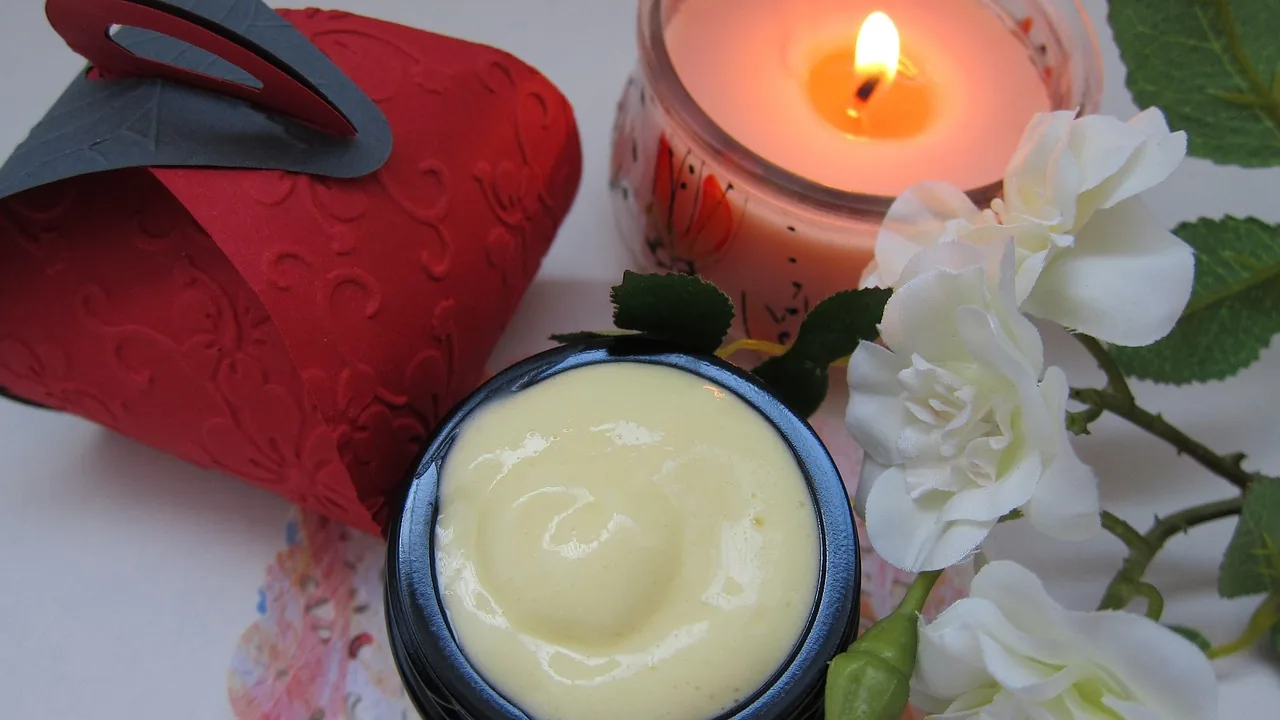
- A sleeping mask is a leave-on gel or cream applied as the last night step and rinsed off in the morning.
- It works like a richer moisturizer: humectants add water and an occlusive film slows overnight water loss.
- It suits dry, dehydrated or winter-stressed skin; oily, acne-prone and fragrance-sensitive skin can usually skip it.
- Use a thin layer two or three nights a week; a fragrance-free night cream or thin occlusive layer does the same job.
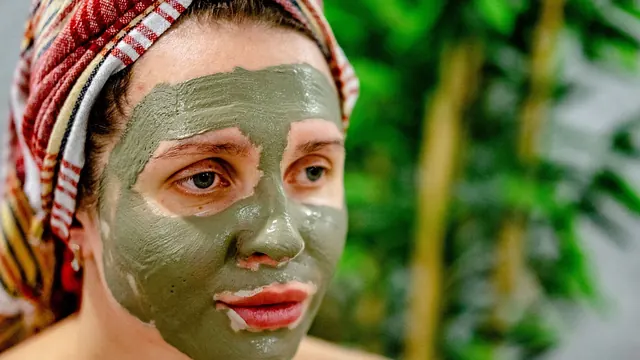
A sleeping mask, also called an overnight mask or sleep mask, is a leave-on gel or cream you apply as the last step of your night routine and rinse off in the morning. It works like a richer moisturizer: humectants draw water into the skin and a film of emollients or occlusives slows the water loss that happens overnight. It suits dry, dehydrated or winter-stressed skin best, and most people don't need one every night.
Before you buy one, you can scan its barcode or label with the ingredient scanner in Pori to see how its ingredients fit your skin type. It reads the formula; it doesn't diagnose skin conditions.
Below we explain what a sleeping mask does, how it differs from a night cream and a wash-off mask, the kinds you'll find, who should use one, how to apply it, and what to watch for on the label. This guide draws on dermatology guidance and published research; we compared published ingredient lists and brand claims and did not test these products on skin.
What does a sleeping mask do?
It adds a final moisturizing layer while you sleep. The ingredients are the same three groups found in every moisturizer. A review in the Indian Journal of Dermatology describes humectants, which attract water, emollients, which smooth and soften, and occlusives, which form a film that slows water loss. Humectants draw water from the dermis into the epidermis, and from the air when it's humid, so the authors note they are mostly combined with occlusives that keep that water from escaping.
A sleeping mask packs those ingredients into a layer meant to sit on top of everything else for hours. Many are gel-creams heavy on humectants such as glycerin and hyaluronic acid; others are thicker balms with more squalane, shea butter or dimethicone.
Why use it at night?
Partly because skin behaves differently at night. In a study of 16 healthy adults measured every two hours for 24 hours, water loss through the skin followed a daily rhythm, and the authors concluded that skin permeability is higher in the evening and night than in the morning. Mostly, though, it's practical: at night you aren't wearing sunscreen or makeup on top, so a heavier or tackier layer can sit undisturbed for hours.
Is a sleeping mask the same as a night cream?
Very nearly. Both are leave-on moisturizers used at night, and no rule sets what either name means. The differences are in how brands build and position them:
| Sleeping mask | Night cream | Wash-off hydrating mask | |
|---|---|---|---|
| Texture | Often a gel or gel-cream; some are balms | Usually a cream | Cream, gel or sheet |
| Where it goes | Last step, over or in place of moisturizer | In place of your moisturizer | After cleansing, before the rest |
| How long it stays on | All night; rinse in the morning | All night | The time on the label, then rinse or pat in |
| How often | A few nights a week, or nightly in dry weather | Nightly | Once to three times a week |
| Best for | Dry or dehydrated skin, dry air | Most skin types | A quick boost before an event |
A dermatologist quoted by the AAD stresses that a facial mask is not a replacement for your skin care routine. A sleeping mask adds to your night routine; it doesn't replace cleansing, any treatment you use or sunscreen the next morning. Our types of face masks guide covers the wash-off kinds, and types of moisturizers explains night creams.
What kinds of sleeping masks are there?
- Hydrating gel masks: light gel-creams built on humectants. They suit normal, dehydrated and combination skin and feel cool and quick to absorb.
- Rich cream or balm masks: more oils, butters and occlusives. They suit dry and mature skin and cold, dry weather.
- Soothing masks: built around calming ingredients such as centella asiatica, panthenol or colloidal oatmeal. They suit redness-prone skin, if they're fragrance-free.
- Exfoliating or "resurfacing" masks: leave-on masks with AHAs, PHAs or a retinoid. These are treatments, so use them on nights you skip other acids and retinoids.
- Lip sleeping masks: thick balms for the lips; see our Laneige Lip Sleeping Mask review.
The best-known example is the Laneige Water Sleeping Mask, a cooling gel-cream with niacinamide, ceramide NP and several forms of hyaluronic acid. It also contains fragrance, and Laneige's own FAQ says it isn't non-comedogenic. Our Laneige Water Sleeping Mask review goes through it ingredient by ingredient, and our Laneige guide covers the brand's other masks. For a ranked list, see our best overnight masks.
Who should use a sleeping mask?
A sleeping mask makes the most sense if you:
- Have dry or dehydrated skin that feels tight by morning. See dry vs. dehydrated skin.
- Live with dry air, indoor heating or air conditioning, or travel by plane often.
- Use a drying treatment such as a retinoid or benzoyl peroxide and want a cushioning layer on your off nights.
- Prefer a light gel by day and want something richer at night without buying a second full-size cream.
Think twice if you:
- Have oily or acne-prone skin. An extra occlusive layer can feel heavy, and many sleeping masks aren't tested as non-comedogenic. A light gel moisturizer is usually enough; see slugging and acne for how occlusive layers affect breakouts.
- React to fragrance. Many popular sleeping masks are scented. Fragrance stays on your skin for eight hours, so this matters more than it does in a cleanser.
- Already use a rich night cream. A mask on top adds little except cost.
How do you use a sleeping mask?
- Cleanse with a gentle face wash. See how to choose a cleanser.
- Apply any treatment you use at night, such as a retinoid or azelaic acid, and let it absorb.
- Apply serum and moisturizer, or skip the moisturizer if the mask is rich enough on its own.
- Finish with a thin, even layer of the mask. A thick layer mostly ends up on your pillowcase.
- Rinse or cleanse in the morning, then moisturize and apply sunscreen as usual.
Start with two or three nights a week and adjust. In dry winter air, nightly use is fine if your skin likes it. The AAD's dry-skin advice adds two simple steps that help any overnight product: apply moisturizer to skin that is still damp, and run a humidifier in your bedroom at night, cleaned regularly to prevent mold. For the full order of steps, see our night skincare routine.
What should you look for on a sleeping mask label?
- Humectants near the top: glycerin, hyaluronic acid or sodium hyaluronate, trehalose, panthenol. Our guide to types of hyaluronic acid explains the forms you'll see.
- Something that seals: dimethicone, squalane, shea butter or petrolatum. A mask with humectants alone hydrates but seals little.
- Barrier support: ceramides and niacinamide are good signs.
- Fragrance and essential oils: skip them if your skin is sensitive. The AAD advises choosing products labeled "fragrance-free" over "unscented," and the FDA notes that some "unscented" products contain masking fragrance. Our guide to fragrance in skincare explains why.
- Hidden actives: AHAs, retinol or "renewing" complexes. Don't stack them on nights you already use an exfoliant or a retinoid.
Can you use a moisturizer or ointment instead?
Yes. The same review in the Indian Journal of Dermatology notes that petrolatum at 5% or more cuts water loss through the skin by more than 98%, far more than lanolin, mineral oil or silicones. A thin layer of a plain occlusive over your moisturizer does the sealing job of a rich sleeping mask, though it feels greasier. A fragrance-free night cream with ceramides does the same job as a gel mask. CeraVe Skin Renewing Night Cream, CeraVe PM Facial Moisturizing Lotion and The Ordinary Natural Moisturizing Factors + HA are three fragrance-free options that cover most of what a hydrating sleeping mask offers, usually for less.
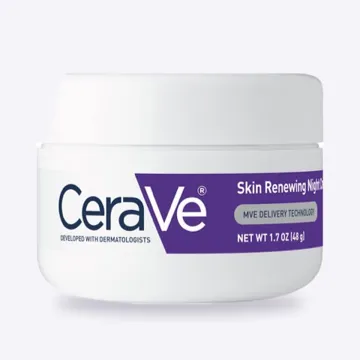
Skin Renewing Night Cream
Moisturizer with niacinamide, ceramides and shea butter. Fragrance-free.
Suits: Normal, Dry, Combination, Sensitive skin
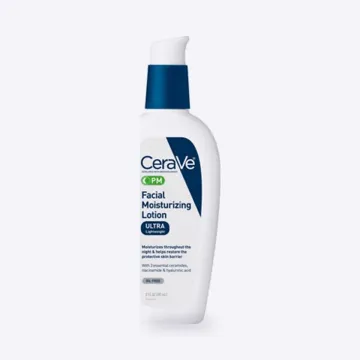
PM Facial Moisturizing Lotion
Light night lotion that hydrates without feeding shine.
Suits: Normal, Combination, Oily skin
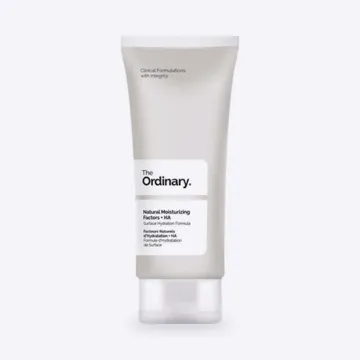
Natural Moisturizing Factors + HA
The cheapest moisturiser worth owning, if money is the constraint.
Suits: Normal, Dry, Combination, Sensitive skin
From Pori's catalogue. Amazon links carry our Associates tag: Pori earns from qualifying purchases, at no cost to you. No brand pays to be listed. Photos: Open Beauty Facts contributors, CC BY-SA 3.0.
If you'd rather pick a richer moisturizer than add a mask, our guide to choosing a moisturizer and best night creams roundup are good next steps.
Are there any risks?
Sleeping masks are low risk for most people, but a product that stays on all night gives an irritant or allergen more time to act. The AAD advises testing a new mask on a small area first and following the label, since leaving a mask on longer or using it more often than intended can cause irritation. Our guide to patch testing skincare shows how. Stop if you notice stinging, itching, redness or new bumps, and see a dermatologist if a rash doesn't settle. The AAD also notes that a mask can't replace treatment for conditions such as eczema or acne; our dermatologist directory can help you find one.
Frequently asked questions
What does a sleeping mask do?
It adds a final moisturizing layer overnight. Humectants draw water into the skin and emollients or occlusives slow the water loss that happens while you sleep.
Is a sleeping mask the same as a night cream?
Very nearly. Both are leave-on night moisturizers, and neither name has a set definition. Sleeping masks are often lighter gels meant as a last layer, while night creams usually replace your moisturizer.
Do you wash off a sleeping mask?
Yes, rinse or cleanse in the morning, then apply your moisturizer and sunscreen as usual.
Can I use a sleeping mask every night?
You can if your skin is dry and the mask suits you. Most people do well with two or three nights a week, and oily skin rarely needs one at all.
Do I put moisturizer before a sleeping mask?
Usually yes, with the mask as the last step. If the mask is rich enough, you can skip the moisturizer underneath.
Are sleeping masks good for acne-prone skin?
Often not. The extra occlusive layer can feel heavy and many masks aren't tested as non-comedogenic. A light, oil-free gel moisturizer is usually a better choice.
Sources
- American Academy of Dermatology: Do facial masks work, and should I add one to my skin care routine?
- American Academy of Dermatology: Dermatologists' tips for relieving dry skin
- American Academy of Dermatology: How to pick the right moisturizer for your skin
- Sethi A et al. Moisturizers: the slippery road. Indian J Dermatol, 2016 (PMC)
- Yosipovitch G et al. Time-dependent variations of the skin barrier function in humans: transepidermal water loss, stratum corneum hydration, skin surface pH, and skin temperature. J Invest Dermatol, 1998 (PubMed)
- U.S. Food and Drug Administration: Fragrances in Cosmetics
- Laneige US: Water Sleeping Mask (ingredients, claims, directions, FAQ)
Pori is a wellness and skincare education app, not a medical device. This article is for general information and isn't medical advice. For anything that worries you, see a dermatologist.