Pori
- Toner is a water-based liquid used after cleansing and before serum; it hydrates, removes leftover residue or delivers an active.
- There are four main types: hydrating, exfoliating acid, astringent or witch hazel, and essence-toners. They do different jobs.
- Toner is optional. Skip it if you have rosacea or an irritated barrier, and avoid drying alcohol high on the label if your skin is dry or sensitive.
- Apply it to clean skin with hands or a pad, then follow with serum and moisturizer; start acid toners every other day and wear sunscreen.
A toner is a water-based liquid you apply after cleansing and before serums and moisturizer. Modern toners mostly add a light layer of hydration, remove the last traces of cleanser or makeup, or deliver an active ingredient such as an exfoliating acid. Toner is optional: plenty of healthy routines skip it, and it's worth adding only when a specific formula does something your skin needs.
If you're weighing a particular bottle, you can scan its barcode or ingredient label with the ingredient scanner in Pori to check it against your skin type. That tells you what's in the formula; it doesn't diagnose a skin condition.
Below we cover what toner actually does, the four main types, who benefits and who should skip it, how to read the alcohol question, and how to apply one without overdoing it.
What does toner do for your face?
Cleveland Clinic describes toner as a water-based lotion or tonic used after cleansing and before moisturizing. Its dermatologist lists a few realistic jobs:
- Light cleansing: it picks up leftover dirt, makeup or cleanser residue, more gently than an astringent does.
- Hydration: the water base, plus humectants such as glycerin or hyaluronic acid, adds a thin layer of moisture.
- Prep: damp skin spreads the next product more easily.
- Delivering an active: some toners carry acids, soothing ingredients or antioxidants.
Two common claims need a caveat. Toner can make pores look smaller for a while, but the same Cleveland Clinic article notes that pore size is largely genetic and hard to change. And the article's dermatologist says any visible effect from a toner usually takes six weeks to three months. Toner is a supporting step. It won't replace a good cleanser, moisturizer or sunscreen.
What are the different types of toner?
The word "toner" covers products that do quite different things. Check which kind you're holding before you decide how often to use it.
| Type | Typical ingredients | Main job | Best for |
|---|---|---|---|
| Hydrating toner | Glycerin, hyaluronic acid, panthenol, aloe | Adds water, softens | Most skin types, especially dry or tight skin |
| Exfoliating (acid) toner | Glycolic, lactic or mandelic acid (AHAs); salicylic acid (BHA) | Loosens dead skin cells | Dullness, rough texture, clogged pores |
| Astringent / witch hazel toner | Witch hazel, sometimes alcohol | Feels tightening, removes oil | Some oily skin, used with care |
| Essence-toner | Humectants, ferments, soothing extracts | Watery hydration layer | People who like a layered, K-beauty-style routine |
Hydrating toners
Hydrating toners are the gentlest and most widely useful type. Cleveland Clinic notes that older toners were often high in alcohol and drying, while modern ones are much more moisturizing and soothing. Look for humectants near the top of the list: glycerin, hyaluronic acid, panthenol, sodium PCA or aloe.
From our catalogue, Neutrogena Alcohol-Free Toner is built around panthenol and sodium PCA. Purito's Purity Oat PDRN Gentle Refining Toner is fragrance-free and pairs panthenol with soothing dipotassium glycyrrhizate and beta-glucan. Burt's Bees Soothing Toner is fragrance-free too, with aloe, witch hazel and trehalose.
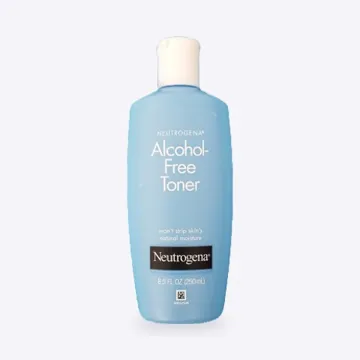
Alcohol-Free Toner
Toner with panthenol and sodium PCA.
Suits: Normal, Dry, Oily, Combination skin
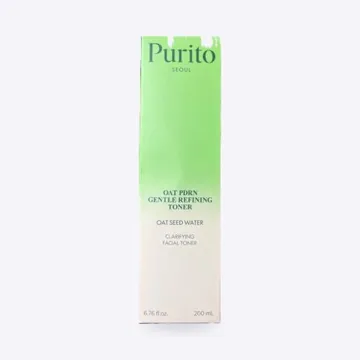
Purity Oat PDRN Gentle refining toner
Toner with panthenol, dipotassium glycyrrhizate and Beta-Glucan. Fragrance-free.
Suits: Normal, Dry, Oily, Combination, Sensitive skin
From Pori's catalogue. Amazon links carry our Associates tag: Pori earns from qualifying purchases, at no cost to you. No brand pays to be listed. Photos: Open Beauty Facts contributors, CC BY-SA 3.0.
Exfoliating acid toners
Exfoliating toners are leave-on liquids with alpha hydroxy acids (AHAs) such as glycolic, lactic or mandelic acid, or the beta hydroxy acid salicylic acid. They loosen the bonds between dead cells on the surface, which can smooth texture and brighten dull skin. Salicylic acid is oil-soluble, so it suits clogged pores; our guide to AHA vs. BHA explains how to choose.
These are treatments, so use them like one. Cleveland Clinic suggests starting a toner with strong acids every other day and building up. The FDA warns that AHA products can increase sun sensitivity and advises sunscreen, protective clothing and limiting sun exposure while using them and for a week afterwards.
Two AHA options in our catalogue: The Ordinary Lactic Acid 10% + HA, a fragrance-free lactic acid serum with hyaluronic acid, and Paula's Choice 6% Mandelic Acid + 2% Lactic Acid Liquid Exfoliant, which the brand calls its gentlest AHA. If you want a BHA liquid, see our Paula's Choice 2% BHA review. More options live in the exfoliants catalogue.
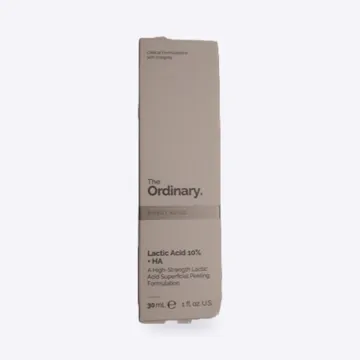
Lactic Acid 10% + HA
Leave-on exfoliant with lactic acid, hyaluronic acid and glycerin. Fragrance-free.
Suits: Normal, Dry, Oily, Combination skin
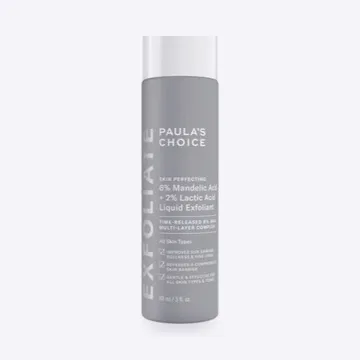
Skin Perfecting 6% Mandelic Acid + 2% Lactic Acid Liquid Exfoliant
Exfoliant with mandelic acid and lactic acid. Fragrance-free.
Suits: Normal, Dry, Oily, Combination, Sensitive skin
From Pori's catalogue. Amazon links carry our Associates tag: Pori earns from qualifying purchases, at no cost to you. No brand pays to be listed. Photos: Open Beauty Facts contributors, CC BY-SA 3.0.
Astringent and witch hazel toners
Astringents are the classic "tightening" toners. Cleveland Clinic's dermatologist points out that astringents are usually alcohol-based and can be harsh and drying. Witch hazel is the plant ingredient most often used in them. A 2025 review of witch hazel in skin care found its bark and leaves rich in tannins and other polyphenols with anti-inflammatory and antioxidant activity in lab and animal studies, but only limited clinical trials. In other words, the evidence on real faces is thin.
If you like witch hazel, pick a version without drying alcohol. Thayers Unscented Witch Hazel Facial Toner is marketed as free from drying alcohols and fragrance-free, with witch hazel, aloe and glycerin. Thayers also makes a rose-petal witch hazel mist if you prefer a spray.
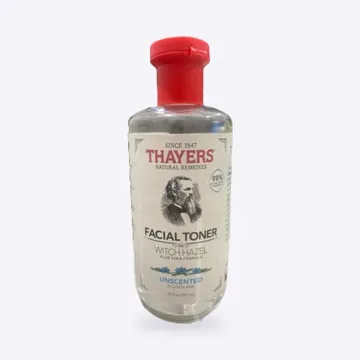
Witch Hazel Facial Toner Uncented
Toner with aloe vera, witch hazel and glycerin. Fragrance-free.
Suits: Normal, Dry, Oily, Combination, Sensitive skin
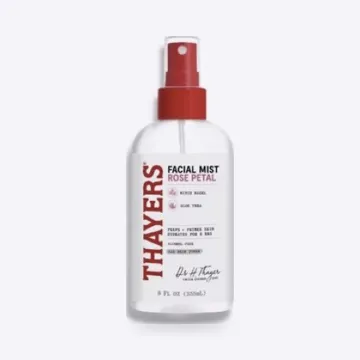
Facial Mist Rose Petals & Witch Hazel
Toner with aloe vera and glycerin.
Suits: Normal, Dry, Oily, Combination skin
From Pori's catalogue. Amazon links carry our Associates tag: Pori earns from qualifying purchases, at no cost to you. No brand pays to be listed. Photos: Open Beauty Facts contributors, CC BY-SA 3.0.
Essence-toners
Many Korean and Japanese routines blur toner and essence into one watery, hydrating step. Board-certified dermatologist Jane Yoo describes essences as thin, watery formulas applied after toner and before serum, mainly for hydration. A product labeled "essence-toner" or "treatment lotion" is usually a hydrating toner with a slightly richer feel. If you already use a hydrating toner, you don't need both. Our serum vs. moisturizer vs. essence guide covers where essences fit.
Do you really need a toner?
No. Cleveland Clinic's dermatologist Sean McGregor calls toners optional, and the American Academy of Dermatology (AAD) describes a basic routine as a gentle cleanser, moisturizer and sunscreen, with toners and serums if you choose. The AAD also warns that using too many products can irritate the skin.
A toner tends to earn its place when:
- your skin feels tight after cleansing and a hydrating layer under moisturizer helps;
- you want a gentle way to use an exfoliating acid on rough or dull skin;
- you have hard water or wear heavy makeup and like a final wipe.
Skip it, or keep it very gentle, if:
- you have rosacea: the AAD's rosacea tips say plainly to never use an astringent or toner, and to avoid products with alcohol and menthol;
- your skin barrier is irritated: stinging, flaking or redness means it is time to cut back (see damaged skin barrier);
- you already use a retinoid or strong acid serum: an acid toner on top adds irritation without much benefit.
Is alcohol in toner bad for your skin?
It depends on the type and the amount. Volatile alcohols such as alcohol denat. (denatured alcohol), SD alcohol or isopropyl alcohol evaporate fast and give that "squeaky" feel. High on an ingredient list, they can dry and irritate, which is why Cleveland Clinic calls old-school high-alcohol toners drying and irritating. Its dermatologist adds that a small amount of alcohol can be fine for people with oily or acne-prone skin, so check where it appears on the label.
Fatty alcohols are a different story. Cetyl, cetearyl and stearyl alcohol are waxy, softening ingredients and don't dry the skin. Our guides to alcohol in skincare and fatty alcohols explain how to tell them apart. Two simple rules for toner: avoid drying alcohol in the first few ingredients if your skin is dry or sensitive, and skip fragranced formulas if you react easily, since Cleveland Clinic's dermatologist advises sensitive skin to avoid heavily fragranced toners and those with lots of dyes.
How do you use a toner?
- Cleanse and pat your face mostly dry.
- Apply the toner with clean hands, a cotton pad or a spray. Press or gently swipe it over your face. There's no need to rinse.
- Follow with serum and moisturizer while your skin is still slightly damp, then sunscreen in the morning. The general rule is thinnest to thickest; our skincare routine order guide lays out every step.
Cleveland Clinic says once or twice a day works for most toners. Hydrating toners are fine morning and night. Acid toners are better a few evenings a week at first, and not on the same night as a retinoid if your skin gets irritated. Introduce one new product at a time, and patch test anything with acids or botanical extracts.
Which toner is best for your skin type?
- Dry or dehydrated skin: a fragrance-free hydrating toner with glycerin, hyaluronic acid or panthenol. If you're not sure which you have, read dry vs. dehydrated skin.
- Oily or acne-prone skin: a hydrating toner, or a salicylic acid liquid a few times a week for clogged pores. Avoid strong alcohol-based astringents that leave you tight.
- Combination skin: a hydrating toner all over, with an acid toner only on the oilier zones if needed.
- Sensitive skin or rosacea: skip toner or choose a very simple, fragrance-free hydrating one, and check with a dermatologist if you have rosacea.
You can browse every toner we track on the toners page, or filter by toners for dry skin and toners for oily skin.
Frequently asked questions
What does toner actually do?
Toner is a water-based liquid applied after cleansing. Depending on the formula, it adds light hydration, removes leftover makeup or cleanser residue, or delivers an active ingredient such as an exfoliating acid. It is a supporting step and does not replace cleanser, moisturizer or sunscreen.
Is it OK to skip toner?
Yes. Dermatologists consider toner optional. A gentle cleanser, a moisturizer and daily sunscreen cover the basics for most people. Add a toner only if a specific formula, such as a hydrating or exfoliating one, helps your skin.
Should I use toner in the morning or at night?
Hydrating toners can be used morning and night. Exfoliating acid toners are usually better in the evening, a few times a week at first, with sunscreen the next morning because AHAs increase sun sensitivity.
Is witch hazel toner good for your face?
Witch hazel contains tannins with anti-inflammatory activity in lab studies, but clinical evidence is limited. If you use it, choose a fragrance-free version without drying alcohol, and stop if your skin feels tight, stings or turns red.
Can toner shrink pores?
Toner can make pores look smaller for a short time, but pore size is largely genetic. Exfoliating acids and retinoids do more for the look of pores over time than an ordinary toner.
Do I need a toner if I use an essence?
Usually not. A hydrating toner and an essence do a similar job, so one watery hydrating layer is enough for most routines.
Sources
- Cleveland Clinic: Do You Need a Face Toner?
- Cleveland Clinic: The Correct Order for Skin Care Products
- American Academy of Dermatology: Should I apply my skin care products in a certain order?
- American Academy of Dermatology: 7 rosacea skin care tips dermatologists recommend
- U.S. Food and Drug Administration: Alpha Hydroxy Acids
- Hamamelis virginiana L. in Skin Care: A Review of Its Pharmacological Properties and Cosmetological Applications, 2025 (PubMed)
- Jane Yoo, MD: Essence vs. Serum vs. Ampoule: What's Actually the Difference?
- Thayers: Unscented Witch Hazel Facial Toner
- Paula's Choice: 6% Mandelic Acid + 2% Lactic Acid Liquid AHA Exfoliant
Pori is a wellness and skincare education app, not a medical device. This article is for general information and isn't medical advice. For anything that worries you, see a dermatologist.