Pori

- Essence is the thinnest, a watery hydration step; serum is a concentrated treatment; moisturizer softens skin and slows water loss.
- Apply thinnest to thickest: toner, essence, serum or ampoule, face oil if used, moisturizer, then sunscreen in the morning.
- Most people need a moisturizer, may benefit from one serum, and can skip the essence and ampoule.
- Face oils suit dry skin; oils not labeled noncomedogenic can clog pores in acne-prone skin.
A serum is a light, concentrated treatment built around one or two active ingredients. A moisturizer is a thicker product that softens the skin and slows water loss. An essence is the thinnest of the three, a watery hydration step that sits between toner and serum. Apply them thinnest to thickest: essence, then serum, then moisturizer. Only the moisturizer is close to essential; serums are useful extras, and essences are optional.
Whichever products you're comparing, you can scan a barcode or ingredient label with the ingredient scanner in Pori to check the formula against your skin type. It reads ingredients; it doesn't diagnose skin conditions.
Below is what each product does, how ampoules and face oils fit in, the right order, and how to decide which ones your routine actually needs.
What is the difference between a serum, a moisturizer and an essence?
The three differ in texture, concentration and job. Dermatologist Jane Yoo sums up the progression: essences are thin, watery formulas for hydration, serums are more concentrated formulas built around specific active ingredients, and ampoules are the most concentrated of all. Moisturizers sit at the end of the line, with more oil and a protective role.
| Product | Texture | Main job | Typical ingredients | Do you need it? |
|---|---|---|---|---|
| Essence | Watery, thinner than serum | Light hydration, prep | Glycerin, hyaluronic acid, ferments, snail mucin | Optional |
| Serum | Light fluid or gel | Targets one concern | Vitamin C, niacinamide, retinoids, hyaluronic acid, acids | Useful, not required |
| Ampoule | Like a serum | Concentrated or short-course treatment | Varies by brand | Rarely |
| Moisturizer | Gel, lotion or cream | Softens, slows water loss, protects the barrier | Humectants, emollients, occlusives, ceramides | Yes, for most people |
| Face oil | Oil | Seals in moisture, softens | Squalane, jojoba, argan | Only for dry skin |
The labels aren't regulated. One brand's "essence" can be thicker than another's "serum," so judge a product by its ingredient list and texture as well as its name.
What does a serum do?
A serum delivers a targeted ingredient in a light base that layers easily under moisturizer. Common serum actives and what people use them for:
- Vitamin C: antioxidant support in the morning and help with dark spots (see our vitamin C serum guide).
- Niacinamide: shine and the look of pores (see niacinamide benefits).
- Hyaluronic acid: a humectant that draws water into the top layer of skin.
- Retinoids: texture, fine lines and acne, used at night.
Cleveland Clinic dermatologist Sean McGregor advises using one serum at a time and swapping in a retinoid at night. If you want two, our guide on how to layer serums covers which pairs work.
Easy starter serums from our catalogue: The Ordinary Hyaluronic Acid 2% + B5 for thirsty skin, The Ordinary Niacinamide 10% + Zinc 1% for shine, Neutrogena Stubborn Texture Niacinamide Serum as a fragrance-free drugstore niacinamide, and L'Oréal Paris Revitalift 1.5% Pure Hyaluronic Acid Serum, which is also fragrance-free. Browse more in the serums catalogue.
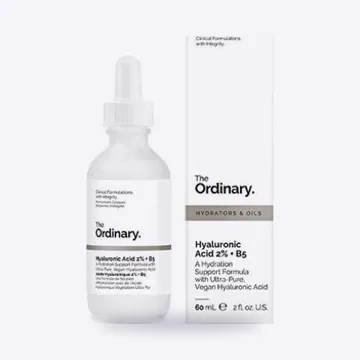
Hyaluronic Acid 2% + B5
Water-binding layer under moisturiser for tight, thirsty skin.
Suits: Dry, Normal, Combination, Oily, Sensitive skin
Niacinamide 10% + Zinc 1%
The cheapest proven way to calm shine and blur pore appearance.
Suits: Oily, Combination, Normal skin
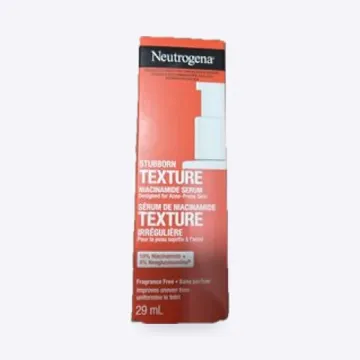
Stubborn Texture Niacinamide Serum
Serum with niacinamide and glycerin. Fragrance-free.
Suits: Normal, Dry, Oily, Combination, Sensitive skin
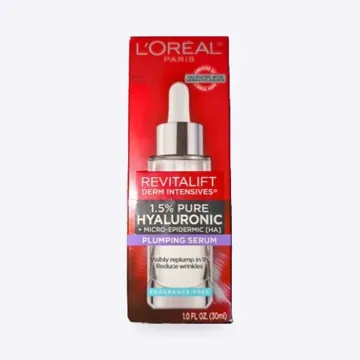
Revitalift 1.5% Pure Hyaluronic Acid Serum for Face
Serum with ascorbyl glucoside, hyaluronic acid and glycerin. Fragrance-free.
Suits: Normal, Dry, Oily, Combination, Sensitive skin
From Pori's catalogue. Amazon links carry our Associates tag: Pori earns from qualifying purchases, at no cost to you. No brand pays to be listed. Photos: Open Beauty Facts contributors, CC BY-SA 3.0.
What does a moisturizer do?
A moisturizer keeps water in your skin. Cleveland Clinic describes moisturizers as products that lock in moisture and help prevent transepidermal water loss. Most combine three kinds of ingredients, as a 2017 review in Clinical Medicine & Research explains: humectants, emollients and occlusives. Humectants pull water in, emollients smooth and soften, and occlusives form a film that slows evaporation. Our types of moisturizers guide goes deeper.
A watery serum can't fully do this job on its own. The same review notes that humectants can draw water up from deeper skin layers, where it evaporates easily, so they are usually paired with occlusives. That's why a moisturizer usually follows a hydrating serum.
The American Academy of Dermatology (AAD) suggests matching texture to skin type: a gel or nothing for oily skin, a cream or ointment for dry skin, and moisturizer on the dry areas only for combination skin. CeraVe PM Facial Moisturizing Lotion is a light, oil-free, non-comedogenic lotion with niacinamide, ceramides and hyaluronic acid. CeraVe Moisturizing Cream is a richer option with ceramides, hyaluronic acid and petrolatum. Clinique Moisture Surge 100H is an oil-free gel-cream for people who dislike heavy textures.
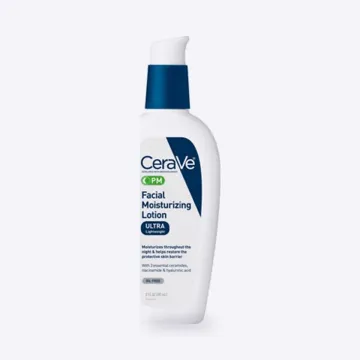
PM Facial Moisturizing Lotion
Light night lotion that hydrates without feeding shine.
Suits: Normal, Combination, Oily skin
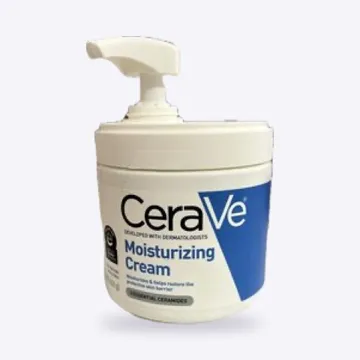
Moisturizing Cream
Thick ceramide cream for skin that dries out by midday.
Suits: Dry, Normal, Sensitive skin
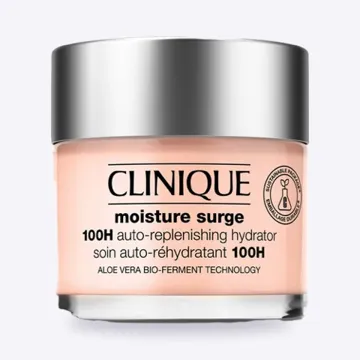
Moisture Surge 100 Hour Auto-Replenishing Hydrator
Moisturizer with magnesium ascorbyl phosphate, aloe vera and green tea extract. Fragrance-free.
Suits: Normal, Dry, Oily, Combination, Sensitive skin
From Pori's catalogue. Amazon links carry our Associates tag: Pori earns from qualifying purchases, at no cost to you. No brand pays to be listed. Photos: Open Beauty Facts contributors, CC BY-SA 3.0.
For skin-type picks, see our guides to the best moisturizer for dry skin, oily skin and sensitive skin.
What is an essence, and is it the same as a toner?
An essence is a watery, hydrating layer that comes from Korean and Japanese routines. In the order Dr. Yoo describes, it goes after toner and before serum. In practice, an essence and a hydrating toner overlap a lot. Many brands now sell "essence-toners" that do both jobs. If you already use a hydrating toner, an essence adds little; see what toner does for the difference between toner types.
Cleveland Clinic dermatologist Alok Vij, discussing the 10-step Korean routine, doesn't recommend a 10-step routine to his patients. His version of the basics lets you pick one of serum, essence or ampoule. That's a reasonable rule: one treatment layer is usually enough.
If you enjoy the step, two well-known options are I'm From Mugwort Essence and Benton Snail Bee High Content Essence, which contains snail secretion filtrate and niacinamide. Both are fragrance-free. Our snail mucin guide covers what the research says about that ingredient.
What about ampoules and face oils?
Ampoules
An ampoule is a very concentrated serum. Dr. Yoo notes that many ampoules are simply a brand's term for its strongest serum, and that some are meant for daily use while many are designed for short, intensive courses. Follow the directions on the box. Most routines don't need one; if you already use a serum for the same concern, an ampoule mostly adds cost and the chance of irritation.
Face oils
Face oils such as squalane, jojoba or argan act as a barrier that slows water evaporation, Cleveland Clinic dermatologists explain. They can help very dry skin. They also warn that oils not labeled noncomedogenic may clog pores and cause acne flares, and that people with rosacea or seborrheic dermatitis should be cautious. Dr. McGregor recommends face oil only for dry skin, applied right before moisturizer. Our squalane oil guide covers one of the lighter options.
What order do serum, essence and moisturizer go in?
Go from thinnest to thickest. The AAD's general order is cleanser, then treatments, then moisturizer, then sunscreen in the morning, and Cleveland Clinic gives the same thinnest-to-thickest rule. A full routine looks like this:
- Cleanser
- Toner (optional)
- Essence (optional)
- Serum or ampoule
- Face oil (optional, dry skin only)
- Moisturizer
- Sunscreen, mornings only
A thick cream applied first makes it harder for a thin serum underneath to reach the skin, which is why the light layers come first. If a dermatologist has prescribed a treatment, follow their instructions over any general order. For the full routine, see skincare routine order and Korean skincare routine steps.
What does a simple morning and night routine look like?
Dr. McGregor's routine from Cleveland Clinic is a good template because it uses one product per step. In the morning: cleanser, serum, moisturizer, then sunscreen. At night: cleanser, a retinol or retinoid in place of the serum, then moisturizer, with no sunscreen.
- Morning example: gentle cleanser, a vitamin C or niacinamide serum, a light lotion, broad-spectrum SPF 30 or higher.
- Night example: gentle cleanser, a retinoid a few nights a week, a moisturizer that feels comfortable on your skin. On off nights, a hydrating serum can take the retinoid's place.
- If you like an essence: add it right after cleansing or toner, before the serum, morning or night.
Do you need a serum, a moisturizer and an essence?
Most people need a moisturizer, may benefit from one serum, and can skip the essence. Dr. Yoo writes that you don't need all three categories, and the AAD warns that using too many products may irritate the skin, especially more than one anti-aging product.
- Minimal routine: cleanser, moisturizer, sunscreen.
- Add a serum when you have a specific goal, such as dark spots, oiliness or texture.
- Add an essence only if your skin feels dehydrated and you enjoy an extra step. A hydrating toner or a hyaluronic acid serum does a similar job.
- Can a serum replace moisturizer? Sometimes. The AAD says oily skin can skip moisturizer or use a light gel, so a hydrating serum alone may be enough if your skin stays comfortable. Dry skin usually needs a real moisturizer on top.
- Can moisturizer replace a serum? Yes, if your moisturizer already contains the active you want, such as niacinamide.
Add one new product at a time and give it a few weeks before you judge it. That way, if something stings or breaks you out, you know which product to blame. Our guide on introducing new skincare products has a simple schedule.
Frequently asked questions
What is the difference between a serum and a moisturizer?
A serum is a light, concentrated product built around a specific active ingredient such as vitamin C, niacinamide or a retinoid. A moisturizer is thicker and combines humectants, emollients and occlusives to soften skin and slow water loss.
Which goes first, serum or moisturizer?
Serum goes first, on clean skin, and moisturizer goes on top. Apply products from thinnest to thickest so the light layers reach the skin before a heavier cream covers them.
Is an essence the same as a serum?
No. An essence is usually thinner and focused on hydration, while a serum is more concentrated and targets a specific concern. Labels are not standardized, so check the texture and ingredients.
Can I skip moisturizer if I use a serum?
Oily skin in humid weather can sometimes get by with a hydrating serum alone. Most people, especially those with dry skin or using retinoids or acids, should still use a moisturizer on top.
Do I need an ampoule?
Rarely. An ampoule is a very concentrated serum, often meant for short courses. If you already use a serum for the same concern, an ampoule mainly adds cost and irritation risk.
Does face oil go before or after moisturizer?
A Cleveland Clinic dermatologist recommends applying face oil right before moisturizer, and only if you have dry skin. If you are acne-prone, choose oils labeled noncomedogenic or skip them.
Sources
- Jane Yoo, MD: Essence vs. Serum vs. Ampoule: What's Actually the Difference?
- Cleveland Clinic: The Correct Order for Skin Care Products
- Cleveland Clinic: Korean Skin Care Routines: What You Need To Know
- Cleveland Clinic: Are Face Oils Good for Your Skin?
- American Academy of Dermatology: Should I apply my skin care products in a certain order?
- American Academy of Dermatology: How to pick the right moisturizer for your skin
- Purnamawati S et al. The Role of Moisturizers in Addressing Various Kinds of Dermatitis: A Review. Clin Med Res, 2017 (PubMed)
- CeraVe: PM Facial Moisturizing Lotion
- CeraVe: Moisturizing Cream
Pori is a wellness and skincare education app, not a medical device. This article is for general information and isn't medical advice. For anything that worries you, see a dermatologist.