Pori
- The main toner types are hydrating, exfoliating (acid), astringent, balancing, essence-toner, toner pads and mists.
- Hydrating toners suit almost everyone; acid toners and pads are treatments to use a few times a week with daily sunscreen.
- Astringents and high-alcohol toners can dry skin; the AAD advises people with rosacea never to use an astringent or toner.
- Toner goes right after cleansing and before serum and moisturizer; it is optional.
The main types of toner are hydrating toners, exfoliating (acid) toners, astringents, balancing or pH toners, essence-toners, toner pads and face mists. Hydrating toners and essence-toners add water and suit almost everyone; acid toners and pads are treatments for texture and clogged pores; astringents remove oil and are the most likely to dry skin. Toner is optional, so pick one only if its type does a job your routine is missing.
If you're comparing bottles, you can scan a toner's barcode or label with the ingredient scanner in Pori to check it against your skin type. It reads the formula; it doesn't diagnose skin conditions.
Below is a table of every toner type, how to choose by skin type and concern, where toner goes in a routine, the common mistakes, and example products for each type. This guide is based on dermatology guidance, published research and each brand's ingredient list; we did not test these products on skin. For the basics of what toner does and whether you need one at all, see what does toner do; for our ranked picks, see the best toner for your skin type.
What is a toner, and how have toners changed?
A toner is a water-based liquid used after cleansing and before serum and moisturizer. Cleveland Clinic notes that older toners were often high in alcohol and drying, while modern ones tend to be more moisturizing and soothing, and its dermatologist calls toner an optional step. The word now covers products that do very different things, from a plain hydrating splash to a 2% salicylic acid pad, so the type matters more than the name on the bottle.
What are the different types of toner?
| Type | What it does | Key ingredients | Best for | Skip if |
|---|---|---|---|---|
| Hydrating | Adds a light layer of water; softens | Glycerin, hyaluronic acid, panthenol, sodium PCA, aloe | Dry, dehydrated, normal and most sensitive skin | It lists fragrance or drying alcohol near the top |
| Exfoliating (acid) | Loosens dead cells; smooths texture; clears pores | Glycolic, lactic or mandelic acid; salicylic acid; PHAs | Dullness, rough texture, blackheads | Rosacea, a damaged barrier, or nightly retinoid use |
| Astringent | Removes surface oil; gives a tight feel | Witch hazel, alcohol denat., sometimes salicylic acid | Very oily skin that tolerates it | Dry, sensitive or rosacea-prone skin |
| Balancing or pH | Marketed to restore skin's acidity after washing | Mild acids, humectants, soothing extracts | People who still wash with soap | Your cleanser is already near skin pH |
| Essence-toner | A slightly richer watery hydration layer | Ferments, humectants, plant extracts | Dry or dehydrated skin; layered routines | You already use a hydrating toner |
| Toner pads | Pre-soaked pads, usually with acids, plus mild friction | Salicylic acid, glycolic or lactic acid | Oily skin, body acne, convenience | Sensitive skin; you'd use them daily without building up |
| Mist | Sprays on a light, refreshing layer | Thermal water, glycerin, rose water, witch hazel | Refreshing, damp skin before moisturizer | You expect it to hydrate on its own |
Hydrating toners
Hydrating toners are the gentlest and most widely useful type. Look for humectants near the top of the list, such as glycerin, hyaluronic acid and panthenol. Neutrogena Alcohol-Free Toner is built on panthenol and sodium PCA, and Purito Purity Oat PDRN Gentle Refining Toner is fragrance-free, with panthenol, dipotassium glycyrrhizate and beta-glucan. Use them morning and night, pressed in with your hands.
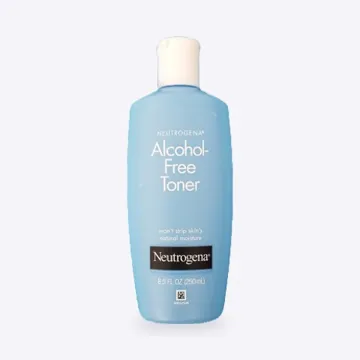
Alcohol-Free Toner
Toner with panthenol and sodium PCA.
Suits: Normal, Dry, Oily, Combination skin
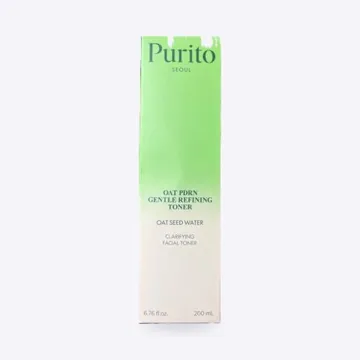
Purity Oat PDRN Gentle refining toner
Toner with panthenol, dipotassium glycyrrhizate and Beta-Glucan. Fragrance-free.
Suits: Normal, Dry, Oily, Combination, Sensitive skin
From Pori's catalogue. Amazon links carry our Associates tag: Pori earns from qualifying purchases, at no cost to you. No brand pays to be listed. Photos: Open Beauty Facts contributors, CC BY-SA 3.0.
Exfoliating toners
Exfoliating toners are leave-on liquids with alpha hydroxy acids (AHAs), the beta hydroxy acid salicylic acid, or polyhydroxy acids (PHAs). The FDA reports that glycolic and lactic acid products are considered safe for consumers at 10% or less and a pH of 3.5 or higher, and that four weeks of AHA use raised volunteers' sensitivity to UV reddening by 18%. Sunscreen is part of the deal. The Ordinary Glycolic Acid 7% Exfoliating Toner is a common glycolic acid example, and Paula's Choice 6% Mandelic Acid + 2% Lactic Acid Liquid Exfoliant is a gentler AHA built around mandelic acid. For salicylic acid, see our Paula's Choice 2% BHA review and best BHA exfoliants.
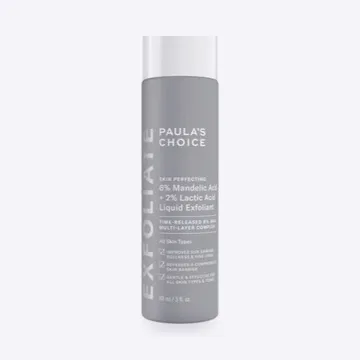
Skin Perfecting 6% Mandelic Acid + 2% Lactic Acid Liquid Exfoliant
Exfoliant with mandelic acid and lactic acid. Fragrance-free.
Suits: Normal, Dry, Oily, Combination, Sensitive skin
From Pori's catalogue. Amazon links carry our Associates tag: Pori earns from qualifying purchases, at no cost to you. No brand pays to be listed. Photos: Open Beauty Facts contributors, CC BY-SA 3.0.
Astringent and witch hazel toners
Astringents are the classic tightening toners. Cleveland Clinic's dermatologist notes that astringents are usually alcohol-based and can be harsh and drying, and the AAD lists astringents and toners among products that can dry skin and make acne look worse. Witch hazel is the usual plant ingredient: a 2025 review found its tannins and polyphenols active in lab and animal studies, with few clinical trials. If you like witch hazel, Thayers Unscented Witch Hazel Facial Toner is alcohol-free and fragrance-free, with aloe and glycerin.
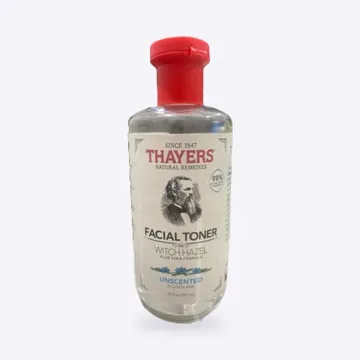
Witch Hazel Facial Toner Uncented
Toner with aloe vera, witch hazel and glycerin. Fragrance-free.
Suits: Normal, Dry, Oily, Combination, Sensitive skin
From Pori's catalogue. Amazon links carry our Associates tag: Pori earns from qualifying purchases, at no cost to you. No brand pays to be listed. Photos: Open Beauty Facts contributors, CC BY-SA 3.0.
Balancing and pH toners
"Balancing" or "pH-balancing" toners date from the era of bar soap. A 2022 review of soaps and syndets gives healthy skin a slightly acidic pH of 4.0 to 6.0, compared with 8.5 to 11 for true soap and 5.5 to 7 for synthetic-detergent (syndet) cleansers. If you wash with soap, a mildly acidic toner may feel better afterward. If you already use a gentle, near-neutral cleanser, there's little to rebalance, and the term has no standard meaning, so judge these toners by their ingredients. Many are simply hydrating toners with a mild acid or soothing extracts. Our types of face cleansers guide explains how to tell soap from syndet.
Essence-toners
Korean and Japanese routines often blur toner and essence into one watery step, sold as an essence-toner, "first essence" or "treatment lotion." They're hydrating toners with a slightly richer feel, often with ferments or plant extracts. Pyunkang Yul Essence Toner has seven ingredients led by milk vetch root extract, and Anua Heartleaf 77% Soothing Toner is a popular, light option (see our Anua Heartleaf 77 review). If you already use a hydrating toner, you don't need both. Our best essences and Korean skincare routine steps cover where they sit.
Toner pads
Toner pads are cotton or textured pads soaked in an exfoliating toner, so they add a little mechanical friction on top of the acid. The AAD counts pads among mechanical exfoliation tools, and warns that over-exfoliating leaves skin red and irritated. Stridex Maximum Strength pads carry 2% salicylic acid; Dr. Dennis Gross Alpha Beta Universal Daily Peel is an AHA and BHA peel sold for daily use. Pads labeled for daily use are still a strong step: start two or three times a week, press instead of scrubbing, and don't add a scrub on the same day. Our guide on how often to exfoliate has a frequency chart.
Face mists
Mists are toners in spray form, from plain thermal water to rose water and witch hazel blends. Plain water evaporates within minutes, so a mist hydrates only when it contains humectants and you seal it with moisturizer. Thayers Rose Petal Witch Hazel Facial Mist is an alcohol-free toner mist with glycerin and natural rose fragrance; La Roche-Posay Thermal Spring Water and Avène Thermal Spring Water are fragrance-free choices for sensitive skin. See what facial mist does and the best face mists.
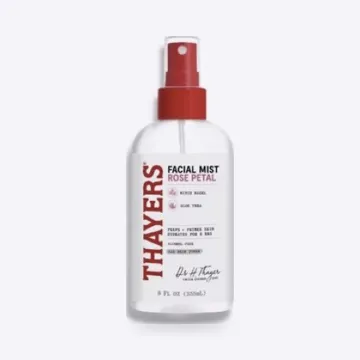
Facial Mist Rose Petals & Witch Hazel
Toner with aloe vera and glycerin.
Suits: Normal, Dry, Oily, Combination skin
From Pori's catalogue. Amazon links carry our Associates tag: Pori earns from qualifying purchases, at no cost to you. No brand pays to be listed. Photos: Open Beauty Facts contributors, CC BY-SA 3.0.
Which toner type suits your skin type and concern?
- Dry or dehydrated: a fragrance-free hydrating toner or essence-toner, followed by moisturizer while skin is still damp. See toners for dry skin.
- Oily or acne-prone: a hydrating toner, plus a salicylic acid toner or pad a few times a week for blackheads. Skip high-alcohol astringents that leave you tight. See toners for oily skin.
- Combination: a hydrating toner all over, with an acid toner only on the T-zone.
- Sensitive: a short, fragrance-free hydrating toner, or none.
- Rosacea: the AAD's rosacea tips say to never use an astringent or toner, and to avoid alcohol and menthol. Ask your dermatologist before adding one.
- Dull or rough texture: a lactic or mandelic acid toner two or three evenings a week.
Browse the full toner catalogue to filter by skin type.
Where does toner go in your skincare routine?
Toner goes right after cleansing and before serums, eye cream, moisturizer and, in the morning, sunscreen. Cleveland Clinic lists serum or toner as the second step and recommends going from thinnest to thickest. A hydrating toner can be used morning and night. An acid toner is an evening treatment, used on nights when you skip retinoids and other acids. If you use an acid toner, it takes the place of an acid serum; you don't need both. Our skincare routine order guide shows every step.
What are the most common toner mistakes?
- Using an acid toner like a hydrating one. Twice-daily glycolic toner plus a retinoid is a fast way to a damaged barrier.
- Chasing the tight feeling. Squeaky, tight skin after an astringent means it's stripping oil and water you need.
- Doubling up. A hydrating toner, an essence and a mist all do roughly the same job.
- Scrubbing with pads. Swipe once, lightly. Pressing harder adds friction without adding benefit.
- Letting a mist air-dry. Follow it with moisturizer within a minute or two.
- Skipping sunscreen. Any acid toner raises sun sensitivity, so daily SPF 30 or higher is part of using one.
Frequently asked questions
What are the main types of toner?
Hydrating toners, exfoliating (acid) toners, astringents, balancing or pH toners, essence-toners, toner pads and face mists. Hydrating toners are the gentlest; acid toners and pads are treatments.
What is the difference between a toner and an astringent?
An astringent is a type of toner made to remove oil, usually with alcohol or witch hazel. It can dry and irritate skin. Most modern toners are hydrating and alcohol-free.
Do I need a pH-balancing toner?
Usually not. Healthy skin has a pH of about 4 to 6, and gentle syndet cleansers sit close to that. A balancing toner may help if you wash with true soap, which has a pH of 8.5 to 11.
Is an essence the same as a toner?
They overlap. An essence-toner is a hydrating toner with a slightly richer texture, common in Korean and Japanese routines. You don't need both a hydrating toner and an essence.
Can I use an exfoliating toner every day?
Some people can after building up slowly, but start two or three evenings a week. Don't use it on the same night as a retinoid, and wear SPF 30 or higher daily.
Is toner bad for rosacea?
The AAD's rosacea tips say never to use an astringent or toner and to avoid alcohol and menthol. Ask a dermatologist before adding even a gentle hydrating toner.
Sources
- Cleveland Clinic: Do You Need a Face Toner?
- Cleveland Clinic: The Correct Order for Skin Care Products
- U.S. Food and Drug Administration: Alpha Hydroxy Acids
- American Academy of Dermatology: Acne skin care tips
- American Academy of Dermatology: 7 rosacea skin care tips dermatologists recommend
- American Academy of Dermatology: How to safely exfoliate at home
- Mijaljica D, Spada F, Harrison IP. Skin cleansing without or with compromise: soaps and syndets. Molecules, 2022 (PMC)
- Hamamelis virginiana L. in Skin Care: A Review of Its Pharmacological Properties and Cosmetological Applications, 2025 (PubMed)
- Thayers: Unscented Witch Hazel Facial Toner
Pori is a wellness and skincare education app, not a medical device. This article is for general information and isn't medical advice. For anything that worries you, see a dermatologist.