Pori
- A water-free retinol serum in three strengths (0.2%, 0.5%, 1%), each $8.10 to $9.90 for 30 ml on theordinary.com as of November 2026.
- The formula is squalane, caprylic/capric triglyceride, jojoba oil, retinol, two plant extracts and two antioxidants, with no fragrance.
- Start at 0.2% two or three nights a week, move up only when your skin is calm, refrigerate after opening and use sunscreen daily.
- Best for dry or normal skin on a budget; oily or acne-prone skin, pregnancy and active eczema are reasons to choose something else.
The Ordinary Retinol in Squalane is a cheap, water-free retinol serum sold in three strengths, 0.2%, 0.5% and 1%, with the same eight-ingredient formula in each bottle. It is one of the simplest ways to try a disclosed dose of retinol for under $10. Start at 0.2% unless your skin already tolerates a retinoid, and skip it if you dislike an oily texture or have very acne-prone skin.
Before you buy, you can scan the bottle's barcode or photograph its label with the ingredient scanner in Pori to see how each ingredient lines up with your skin type. Pori reads ingredient lists; it does not diagnose skin conditions.
Below we go through the full ingredient list, how the three strengths differ, how to start, who should skip it, the price per ounce and the alternatives worth comparing. We compared published ingredient lists, brand claims and listed prices; we did not test these products on skin. Prices are from theordinary.com as of November 2026.
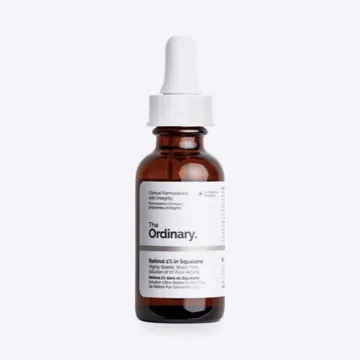
Retinol 1% in Squalane
Evening serum with retinol and squalane. Fragrance-free.
Suits: Normal, Dry, Oily, Combination skin
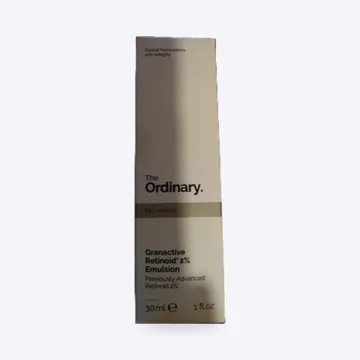
Granactive Retinoid 2% Emulsion
Retinoid for fine lines that irritates less than classic retinol.
Suits: Normal, Dry, Combination, Oily skin
From Pori's catalogue. Amazon links carry our Associates tag: Pori earns from qualifying purchases, at no cost to you. No brand pays to be listed. Photos: Open Beauty Facts contributors, CC BY-SA 3.0.
What is The Ordinary Retinol in Squalane?
It is an anhydrous (water-free) evening serum that dissolves pure retinol in a base of plant oils. The Ordinary lists it in its Treat step and says it targets signs of aging, textural irregularities and uneven skin tone. The 0.2% and 0.5% pages say they suit dry skin, while the 1% page lists all skin types and calls it ideal for advanced retinoid users.
| Strength | Who the brand aims it at | Price, 30 ml (theordinary.com, November 2026) | Price per ounce |
|---|---|---|---|
| Retinol 0.2% in Squalane | A mild first retinol; dry skin | $8.10 | About $8.00 |
| Retinol 0.5% in Squalane | Intermediate; people already familiar with retinoids | $9.30 | About $9.20 |
| Retinol 1% in Squalane | High strength; advanced retinoid users | $9.90 | About $9.80 |
The brand's advice is to work up gradually from 0.2% to 0.5% and then 1%. A 30 ml bottle is about 1 fluid ounce, and because you only need a few drops a night, one bottle lasts most people the three months the brand gives you to finish it.
What are the ingredients in The Ordinary Retinol in Squalane?
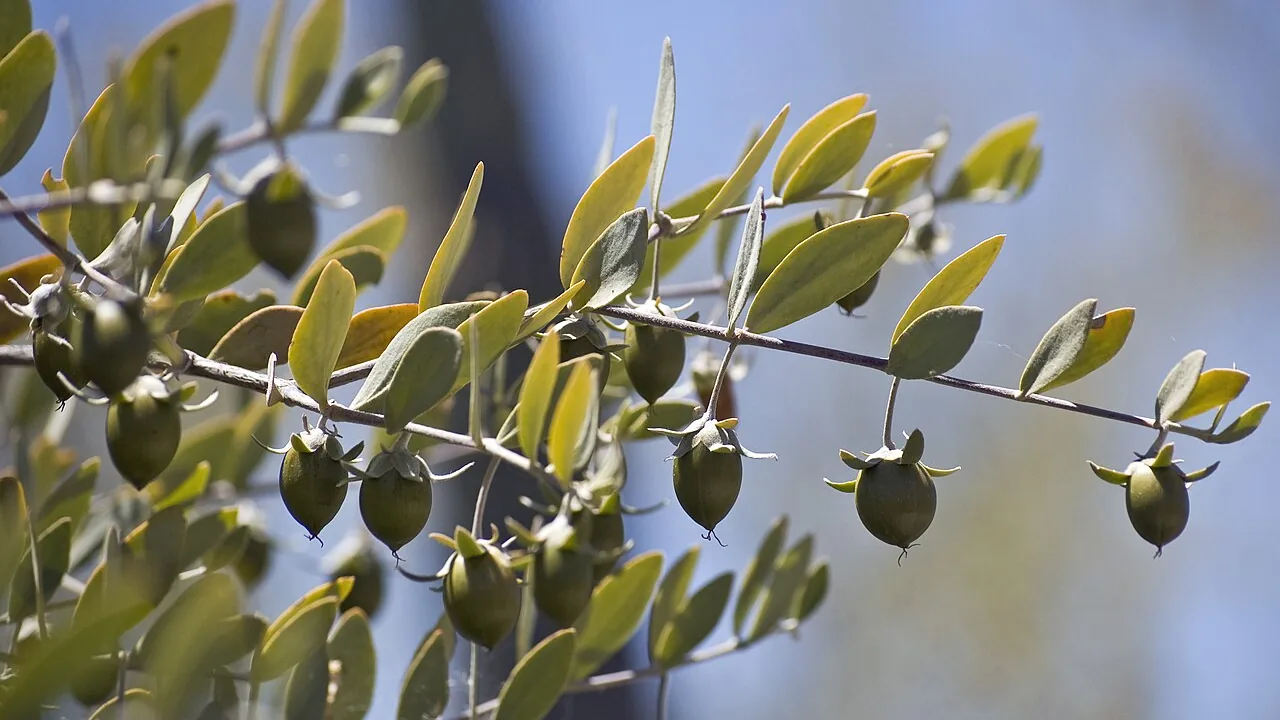
All three strengths share one ingredient list: squalane, caprylic/capric triglyceride, Simmondsia chinensis (jojoba) seed oil, retinol, Solanum lycopersicum (tomato) fruit extract, Rosmarinus officinalis (rosemary) leaf extract, hydroxymethoxyphenyl decanone and BHT. Only the amount of retinol changes.
- Squalane: a light, stable oil that softens skin. Cleveland Clinic describes squalane as a moisturizer suited to most skin types. Our squalane guide covers it in detail, and its ingredient page lists how Pori flags it.
- Caprylic/capric triglyceride and jojoba seed oil: emollients that make up the rest of the base and help offset the dryness retinol can cause.
- Retinol: the active, at a stated 0.2%, 0.5% or 1%.
- Tomato fruit extract and rosemary leaf extract: plant extracts low in the list.
- Hydroxymethoxyphenyl decanone and BHT: antioxidants that help protect the oils and the retinol from oxidizing.
There is no water, alcohol, silicone or added fragrance. The brand lists the formula as vegan, alcohol-free and silicone-free. Because it is all oil, it feels slick at first and settles into a thin film, which suits dry skin better than oily skin.
Does it work as well as other retinol serums?
Retinol itself is one of the best-studied over-the-counter anti-aging ingredients, and a stated percentage is a real advantage. The AAD explains that retinol is a weaker, over-the-counter form of the retinoids dermatologists prescribe, and that it can reduce fine lines and improve tone and texture with steady use. A 12-week trial found that 0.4% retinol produced changes similar to 0.025% retinoic acid with less irritation, and a review of retinoids in skin aging summarizes decades of clinical work on retinol.
What we cannot tell you is how this specific bottle performs, since The Ordinary publishes no clinical study for it. Results depend on the dose reaching your skin, how stable the retinol stays and how consistently you use it. A water-free oil base and added antioxidants are sensible choices for stability, and the brand's instruction to refrigerate after opening points the same way. Cleveland Clinic notes that visible change from retinol usually takes several weeks to a few months.
Which strength should you start with?
Start with 0.2% if you have never used a retinoid, have sensitive skin, or live somewhere cold and dry. Move to 0.5% after a couple of months without peeling, and treat 1% as a later step rather than a starting point. The 0.2% page even suggests that people prone to sensitivity may prefer the brand's Granactive Retinoid 2% Emulsion instead; our Granactive Retinoid 2% Emulsion review explains that option, and the product's ingredient page shows its full list.
If you have used prescription tretinoin or another strong retinoid, 0.5% or 1% may be enough of a step down to maintain results, but that is a conversation for your dermatologist. Our guide to types of retinoids places retinol on the ladder from gentle esters to prescription retinoic acid, and retinal vs retinol covers the next step up.
How do you use The Ordinary Retinol in Squalane?
Use it at night, on dry skin, a few drops for the whole face. The AAD advises starting with the least intense retinoid and applying it every other night at first, then building up.
- Patch test first, as the brand recommends.
- Cleanse and let your skin dry fully.
- Press three or four drops over the face, avoiding the corners of the eyes, nostrils and mouth.
- Follow with a plain moisturizer if your skin feels tight. A water-based hyaluronic acid serum underneath is fine; see hyaluronic acid and retinol.
- Wear broad-spectrum sunscreen every morning. The brand warns that retinoids increase UV sensitivity.
- Keep the bottle in the fridge once opened and finish it within three months.
The Ordinary says not to use it in the same routine as other retinoids, copper peptides, direct acids, direct vitamin C or its Multi-Active Delivery Essence. In practice, keep vitamin C in the morning and retinol at night; our pages on retinol and vitamin C, retinol and niacinamide and copper peptides and retinol explain what pairs well. Expect some peeling, redness or dryness in the first weeks, especially around the eyes and mouth, which the brand also mentions.
Who should use it, and who should skip it?
- Good fit: dry or normal skin that likes a facial oil; budget routines; anyone who wants to know the exact retinol percentage on the label.
- Good fit: people who have finished a bottle of a gentle retinoid without trouble and want a clear next step.
- Think twice: very oily or acne-prone skin, which may prefer a lotion or gel base. The brand also says this is not a treatment for acne; adapalene is the over-the-counter retinoid made for that.
- Skip: pregnancy and breastfeeding. The Ordinary advises avoiding retinoid products, and the AAD says retinoids should not be used during pregnancy.
- Skip for now: active eczema, rosacea flares or broken skin. DermNet notes that topical retinoids can cause redness, peeling and dryness and can aggravate eczema.
If retinol simply does not agree with you, bakuchiol is a plant-derived alternative with a smaller evidence base.
What are the best alternatives to The Ordinary Retinol in Squalane?
| Product | Retinoid and base | Price (November 2026) | Price per ounce |
|---|---|---|---|
| The Ordinary Granactive Retinoid 2% Emulsion | Hydroxypinacolone retinoate plus a little retinol, lotion base | $12.10 for 30 ml (theordinary.com) | About $12 |
| The Ordinary Granactive Retinoid 5% in Squalane | Hydroxypinacolone retinoate in the same kind of oil base | $16.70 for 30 ml (theordinary.com) | About $16.50 |
| CeraVe Skin Renewing Retinol Serum | Encapsulated retinol in a water-based serum with ceramides | $24.99 for 1 oz (Ulta) | $24.99 |
Pick the Granactive emulsion if you are sensitive and want a lotion texture. Pick CeraVe if you have oily or combination skin and dislike oils, or want ceramides in the same step. For more options across prices, see our roundups of gentle retinols, retinol serums for beginners and drugstore retinols, and our guide to The Ordinary for how the rest of the range fits around it.
Is The Ordinary Retinol in Squalane worth it?
Yes, if your skin is dry to normal and you want a simple, low-cost way to start retinol at a known strength. The formula is short, fragrance-free and built to protect the retinol, and the three-step ladder makes it easy to progress. The trade-offs are an oily feel, a short three-month window once opened, and no published study on the finished product. If your skin stays irritated after several weeks, or you are treating acne, melasma or deep wrinkles, a board-certified dermatologist can suggest a prescription retinoid or another plan.
Frequently asked questions
Which The Ordinary retinol should I start with?
Start with Retinol 0.2% in Squalane if you are new to retinoids. The Ordinary suggests working up to 0.5% and then 1% only once your skin tolerates the lower strength. If your skin is sensitive, the brand points to its Granactive Retinoid 2% Emulsion instead.
Is The Ordinary Retinol 1% in Squalane too strong for beginners?
For most beginners, yes. The brand calls the 1% ideal for advanced retinoid users. Starting there raises the chance of peeling, redness and dryness, so begin at 0.2% or 0.5%.
What is the difference between The Ordinary retinol strengths?
Only the amount of retinol. The 0.2%, 0.5% and 1% versions share the same ingredient list of squalane, caprylic/capric triglyceride, jojoba oil, retinol, tomato and rosemary extracts, hydroxymethoxyphenyl decanone and BHT.
Can I use The Ordinary Retinol in Squalane every night?
Eventually, if your skin tolerates it. Start two or three evenings a week, as the AAD advises for any retinoid, and add nights slowly over several weeks. Use sunscreen every morning.
Do I need to refrigerate The Ordinary Retinol in Squalane?
The Ordinary says to refrigerate it once opened and to use the 0.2% and 0.5% within three months. Cool storage helps slow the breakdown of retinol.
Can I use The Ordinary retinol while pregnant?
No. The Ordinary advises avoiding retinoid products during pregnancy and breastfeeding, and the American Academy of Dermatology says retinoids should not be used during pregnancy.
Sources
- The Ordinary: Retinol 0.2% in Squalane (product page and ingredients)
- The Ordinary: Retinol 0.5% in Squalane (product page and ingredients)
- The Ordinary: Retinol 1% in Squalane (product page and ingredients)
- American Academy of Dermatology: Retinoid or retinol?
- Cleveland Clinic: Retinol: what it is, benefits and how to use
- Kong R et al. A comparative study of the effects of retinol and retinoic acid on histological, molecular, and clinical properties of human skin. J Cosmet Dermatol, 2016 (PubMed)
- Mukherjee S et al. Retinoids in the treatment of skin aging: an overview of clinical efficacy and safety. Clin Interv Aging, 2006 (PMC)
- DermNet: Topical retinoids
- Cleveland Clinic: Squalane: what it is and benefits
- The Ordinary: Granactive Retinoid 2% Emulsion
Pori is a wellness and skincare education app, not a medical device. This article is for general information and isn't medical advice. For anything that worries you, see a dermatologist.