Pori
- The Ordinary is made by DECIEM, which Estée Lauder fully owns since buying the remaining shares in 2024.
- Product names state the main ingredient and its percentage; a higher percentage is not automatically better.
- Beginners can start with Hyaluronic Acid 2% + B5 and NMF + HA, then add one active such as Niacinamide 10% + Zinc 1%.
- Keep retinoids, direct acids and vitamin C in separate routines, as each product's "Do not use with" list advises.
The Ordinary is a budget skincare brand from the company DECIEM, which Estée Lauder now owns outright after buying the remaining shares in 2024. Its products are named after their main ingredient and its percentage, most cost under $13, and a sound beginner routine is a gentle cleanser, Hyaluronic Acid 2% + B5, Natural Moisturizing Factors + HA and a daily sunscreen, with one active such as Niacinamide 10% + Zinc 1% added later.
Before you buy, you can scan a product's barcode or label with the ingredient scanner in Pori to check it against your skin type. Pori does not diagnose skin conditions; it reads the ingredient list for you.
This guide covers who owns the brand, how to read its clinical-sounding names, how to build a routine from it, which products should never share a routine, and the best first buys. We compared published ingredient lists, brand claims and listed prices; we did not test these products on skin. Prices are from The Ordinary's US site as of November 2026.
Who owns The Ordinary?
The Ordinary belongs to DECIEM, which describes itself as an umbrella company and was founded in 2013 by Brandon Truaxe. The Ordinary launched in 2016 with plain packaging and very low prices. DECIEM also owns the brands NIOD and AVESTAN.
Estée Lauder first invested in DECIEM in 2017 and became the majority owner in 2021. On May 31, 2024 it bought the remaining interests for about $860 million in cash, bringing its total investment to about $1.7 billion. So as of November 2026, The Ordinary is a wholly owned Estée Lauder brand.
Why are The Ordinary's product names so technical?
The brand's tagline is "Clinical Formulations with Integrity," and its names follow the same idea. Each label states the lead ingredient, its percentage and sometimes a supporting ingredient. "Niacinamide 10% + Zinc 1%" tells you there is 10% niacinamide and 1% zinc in the bottle. "Retinol 1% in Squalane" tells you the strength of the retinol and the base it sits in.
Three things help when reading those names:
- A higher percentage is not automatically better. The Ordinary sells retinol at 0.2%, 0.5% and 1%, and its own product pages tell people to start low and work up.
- The second ingredient matters. "in Squalane" means a water-free oil base. "Emulsion" means a lotion texture.
- The name does not tell you the skin type. Check the product page, which lists what the formula targets and what it should not be used with.
How do I build a skincare routine with The Ordinary?
Think in four steps: cleanse, treat, moisturize, protect. The Ordinary is strongest in the middle two. Most people do well with this order, from thinnest to thickest texture, which our guide on how to layer serums explains in more detail.
- Cleanse: a gentle, fragrance-free face wash. The Ordinary makes a Squalane Cleanser, and any mild drugstore cleanser works too.
- Hydrate: a water-based serum such as Hyaluronic Acid 2% + B5.
- Treat: one active at a time, such as niacinamide in the morning or a retinoid at night.
- Moisturize: Natural Moisturizing Factors + HA, or a richer cream for dry skin.
- Protect: broad-spectrum sunscreen every morning. This matters more once you use retinoids or acids, which make skin more sensitive to UV.
Add new products one at a time, a couple of weeks apart, so you can tell what is working and what is irritating. The American Academy of Dermatology (AAD) also recommends testing a new product on a small patch of skin first.
What are the best The Ordinary products for beginners?
These four are low-risk starting points. All prices are from theordinary.com (US) as of November 2026.
| Product | What it does | When | Price |
|---|---|---|---|
| Hyaluronic Acid 2% + B5 (with Ceramides) | Hydrating serum; no conflicts listed by the brand | AM and PM | $9.90 (30 ml) |
| Natural Moisturizing Factors + HA | Light moisturizer for all skin types | AM and PM | $6.70 |
| Niacinamide 10% + Zinc 1% | Targets oiliness and the look of blemishes | AM and PM | $6.00 (30 ml) |
| Caffeine Solution 5% + EGCG | Eye serum aimed at puffiness and dark circles | AM and PM | $9.20 (30 ml) |
Hyaluronic Acid 2% + B5 is the easiest first buy. The brand lists no products to avoid with it, and it suits every skin type as a hydration layer under moisturizer. Our Hyaluronic Acid 2% + B5 review covers the newer formula with ceramides.
Natural Moisturizing Factors + HA is a plain, fragrance-free moisturizer built on humectants such as amino acids, sodium PCA, glycerin and hyaluronic acid. It is light, so very dry skin may want something heavier on top. See our NMF + HA review.
Niacinamide 10% + Zinc 1% is the brand's best-known product and a good first active for oily or combination skin. The 10% concentration can sting some sensitive skin, so patch test it. The brand says to keep it in a separate routine from vitamin C. Our Niacinamide 10% + Zinc 1% review goes through the evidence.
Caffeine Solution 5% + EGCG is an optional extra for puffy mornings. Expect a modest, short-term effect at best; our Caffeine Solution review explains why.
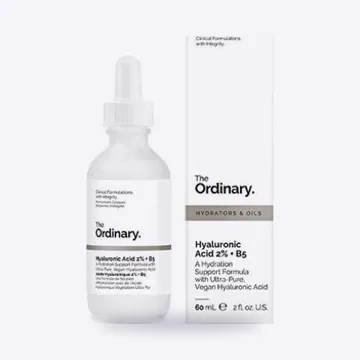
Hyaluronic Acid 2% + B5
Water-binding layer under moisturiser for tight, thirsty skin.
Suits: Dry, Normal, Combination, Oily, Sensitive skin
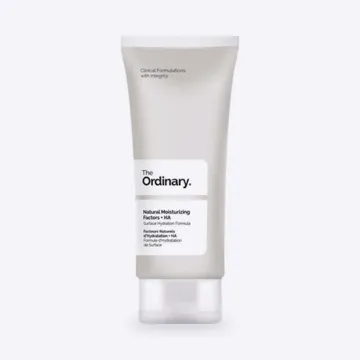
Natural Moisturizing Factors + HA
The cheapest moisturiser worth owning, if money is the constraint.
Suits: Normal, Dry, Combination, Sensitive skin
Niacinamide 10% + Zinc 1%
The cheapest proven way to calm shine and blur pore appearance.
Suits: Oily, Combination, Normal skin
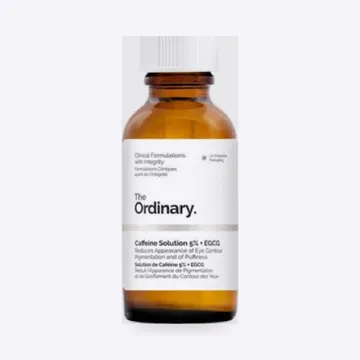
Caffeine Solution 5% + EGCG
Caffeine for morning puffiness, at the price of a coffee.
Suits: Normal, Dry, Combination, Oily, Sensitive skin
From Pori's catalogue. Amazon links carry our Associates tag: Pori earns from qualifying purchases, at no cost to you. No brand pays to be listed. Photos: Open Beauty Facts contributors, CC BY-SA 3.0.
Which The Ordinary retinoid should I start with?
Start with the gentlest one, and use it in the evening only. The Ordinary's retinoid product pages give the same advice: begin low, build tolerance, and wear sunscreen during the day.
- Granactive Retinoid 2% Emulsion ($12.10, 30 ml): built around hydroxypinacolone retinoate, a newer retinoid. The brand suggests it for people prone to sensitivity. Read our Granactive Retinoid 2% Emulsion review.
- Retinol 0.2%, 0.5% and 1% in Squalane: classic retinol in a water-free squalane base. The 0.5% costs $9.30 and the 1% costs $9.90. The brand calls the 1% "high-strength" and suggests working up from 0.2% to 0.5% before trying it.
Peeling, redness and dryness around the eyes and mouth are common in the first weeks, and the brand warns about them. The AAD notes that retinoids can irritate at first and take time to show results. Start two or three nights a week, and see our retinol for beginners guide for a full schedule. The Ordinary advises against retinoids during pregnancy or breastfeeding, and says to refrigerate its retinoids after opening and use them within three months.
If your skin is dry and rough rather than aging-focused, Lactic Acid 10% + HA ($9.20, 30 ml) is a gentler exfoliant than glycolic acid. Use it once a day at most, ideally in the evening, and never on sensitive, peeling or compromised skin. Our Lactic Acid 10% + HA review compares it with the 5% version.
Granactive Retinoid 2% Emulsion
Retinoid for fine lines that irritates less than classic retinol.
Suits: Normal, Dry, Combination, Oily skin
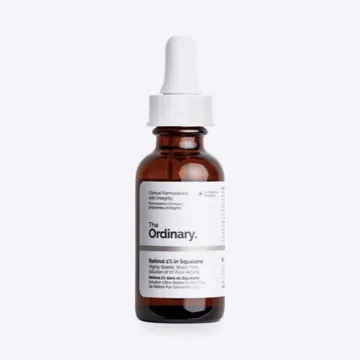
Retinol 1% in Squalane
Evening serum with retinol and squalane. Fragrance-free.
Suits: Normal, Dry, Oily, Combination skin
Lactic Acid 10% + HA
Leave-on exfoliant with lactic acid, hyaluronic acid and glycerin. Fragrance-free.
Suits: Normal, Dry, Oily, Combination skin
From Pori's catalogue. Amazon links carry our Associates tag: Pori earns from qualifying purchases, at no cost to you. No brand pays to be listed. Photos: Open Beauty Facts contributors, CC BY-SA 3.0.
What should you not mix with The Ordinary products?
Each product page has a "Do not use with" list. The pattern is consistent, and it comes down to keeping strong actives in separate routines so they do not irritate your skin or work against each other.
| Product type | Keep it apart from (per The Ordinary) |
|---|---|
| Retinoids (Retinol in Squalane, Granactive Retinoid) | Other retinoids, direct acids, direct vitamin C, copper peptides |
| Direct acids (Lactic Acid 10% + HA) | Retinoids, other direct acids, peptides, copper peptides, direct vitamin C, niacinamide powder |
| Niacinamide 10% + Zinc 1% | Direct and indirect vitamin C |
| Hyaluronic Acid 2% + B5, NMF + HA | No conflicts listed |
The simplest fix is to split actives by time of day or by night. Use niacinamide in the morning and a retinoid at night. If you want both an acid and a retinoid, alternate them: acid on one night, retinoid on the next, plain moisturizer on the third. Our list of skincare ingredients not to mix covers combinations across brands. Lactic acid also raises sun sensitivity, and the brand says to use sunscreen while you use it and for a week afterward.
What does The Ordinary not do well?
The Ordinary is a serum brand first. Its cleansers and moisturizers are fine but few, and its sunscreen range is small, so many people pair it with a drugstore cleanser and SPF. Good pairings are CeraVe Hydrating Facial Cleanser for normal to dry skin, La Roche-Posay Toleriane Purifying Foaming Cleanser for oily or sensitive skin, and CeraVe AM Facial Moisturizing Lotion SPF 30 as a morning moisturizer with sunscreen built in. You can compare more options in our cleanser catalogue and sunscreen catalogue.
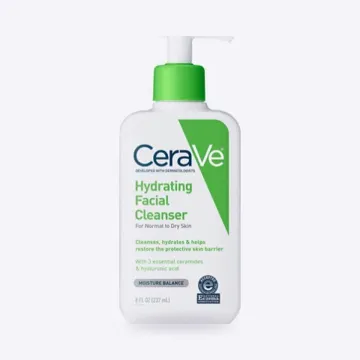
Hydrating Facial Cleanser
Creamy non-foaming wash that leaves the moisture barrier intact.
Suits: Dry, Normal, Sensitive, Combination skin
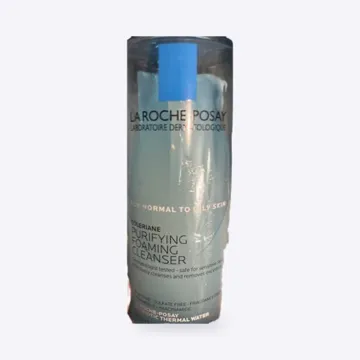
Toleriane Purifying Foaming Cleanser
Foaming wash for oily skin that still reacts to strong cleansers.
Suits: Oily, Combination, Sensitive skin
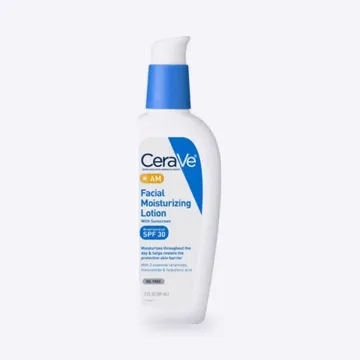
AM Facial Moisturizing Lotion SPF 30
SPF 30 sunscreen with niacinamide, homosalate and octinoxate. Fragrance-free.
Suits: Normal, Dry, Oily, Combination, Sensitive skin
From Pori's catalogue. Amazon links carry our Associates tag: Pori earns from qualifying purchases, at no cost to you. No brand pays to be listed. Photos: Open Beauty Facts contributors, CC BY-SA 3.0.
The other weak spot is choice. The catalogue is large, and it is easy to buy five serums at once and not know which one caused a breakout. Buy one active, use it for at least a month, and judge it before adding the next. Browse our serum catalogue when you are ready for a second.
Sample The Ordinary routines by skin type
Oily or acne-prone skin
Morning: gentle foaming cleanser, Niacinamide 10% + Zinc 1%, NMF + HA, sunscreen. Evening: cleanser, Granactive Retinoid 2% Emulsion two or three nights a week, NMF + HA.
Dry skin
Morning: hydrating cleanser or just water, Hyaluronic Acid 2% + B5, a richer moisturizer, sunscreen. Evening: cleanser, Hyaluronic Acid 2% + B5, then Lactic Acid 10% + HA on one or two nights a week, moisturizer.
Sensitive skin
Keep it to Hyaluronic Acid 2% + B5 and NMF + HA for the first month, plus a fragrance-free sunscreen. If your skin stays calm, try Granactive Retinoid 2% Emulsion once a week. Skip Lactic Acid 10%, since the brand says not to use it on sensitive skin. Our best cleanser for sensitive skin guide covers the first step.
Frequently asked questions
Is The Ordinary owned by Estée Lauder?
Yes. Estée Lauder invested in DECIEM, The Ordinary's parent company, in 2017, became majority owner in 2021 and bought the remaining interests on May 31, 2024 for about $860 million.
What is the best The Ordinary product to start with?
Hyaluronic Acid 2% + B5 is the lowest-risk first buy. The brand lists no conflicts for it and it suits all skin types. Natural Moisturizing Factors + HA is a simple moisturizer to pair with it.
Can I use The Ordinary niacinamide and retinol together?
The Ordinary does not list niacinamide as a conflict for its retinoids. Many people use niacinamide in the morning and the retinoid at night, which also keeps the routine simple.
What should I not mix with The Ordinary retinol?
The brand says not to use its retinoids with other retinoids, direct acids such as lactic or glycolic acid, direct vitamin C or copper peptides in the same routine.
Which is better for beginners, The Ordinary retinol 0.5% or 1%?
Neither is the first step. The Ordinary suggests starting with Retinol 0.2% in Squalane, or Granactive Retinoid 2% Emulsion if you are prone to sensitivity, and working up to 0.5% and then 1%.
Is The Ordinary good for sensitive skin?
Some products are. The hydrating serums and NMF + HA are gentle, but the brand warns against using Lactic Acid 10% + HA on sensitive skin, and the higher-strength retinoids can irritate. Patch test anything new.
Sources
- The Ordinary: About DECIEM
- FashionUnited: Estée Lauder completes the acquisition of DECIEM (2024)
- Grazia: The Ordinary founder Brandon Truaxe has died aged 40
- The Ordinary: Retinol 1% in Squalane (product page)
- The Ordinary: Granactive Retinoid 2% Emulsion (product page)
- The Ordinary: Lactic Acid 10% + HA (product page)
- The Ordinary: Niacinamide 10% + Zinc 1% (product page)
- The Ordinary: Hyaluronic Acid 2% + B5 (with Ceramides) (product page)
- American Academy of Dermatology: Retinoid or retinol?
- American Academy of Dermatology: How to test skin care products
Pori is a wellness and skincare education app, not a medical device. This article is for general information and isn't medical advice. For anything that worries you, see a dermatologist.