Pori
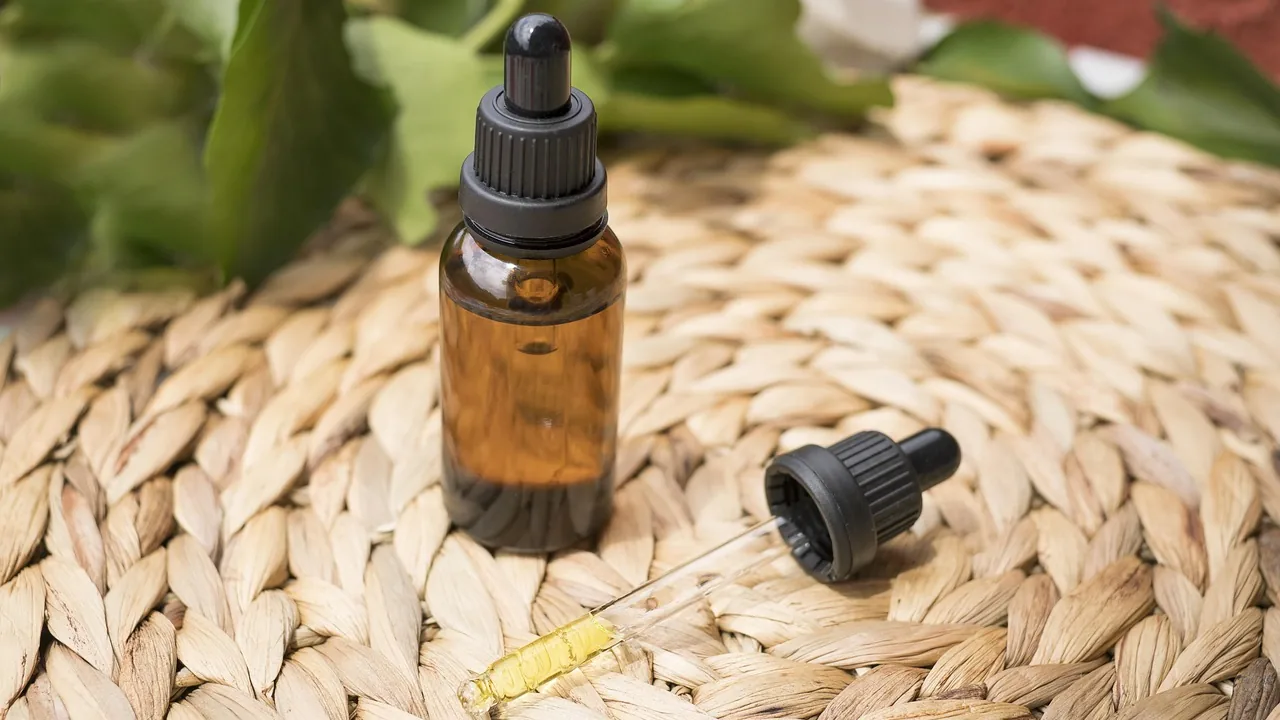
- The Ordinary Niacinamide 10% + Zinc 1% is a $6 water-based serum that can modestly cut shine and make pores look smaller over 4 to 12 weeks.
- Most niacinamide trials used 2% to 5%, so 10% isn't proven to work better and may bother sensitive skin.
- Pilling usually comes from using too much or layering too fast; use 2 to 3 drops and let it dry first.
- Niacinamide doesn't speed cell turnover, so new breakouts after starting it are unlikely to be purging.
The Ordinary Niacinamide 10% + Zinc 1% is a cheap, simple water-based serum that can modestly reduce shine and make pores look less obvious over 4 to 12 weeks. Most of the niacinamide research used 2% to 5%, so the 10% dose isn't proven to work better, and it suits oily, resilient skin more than sensitive skin. It can pill under some sunscreens.
Before you buy, you can scan the bottle's barcode or label with the ingredient scanner in Pori to see how each ingredient is flagged for your own skin type.
Below we look at what the formula contains, what the evidence supports, why it pills, whether early breakouts are purging, and how to use it. This is an ingredient-and-evidence review based on The Ordinary's published formula and the dermatology literature, not a hands-on test.
What is The Ordinary Niacinamide 10% + Zinc 1%?
It's a lightweight serum built around two actives: niacinamide (vitamin B3) and zinc PCA. The Ordinary's product page now calls it the Niacinamide 10% + Zinc 1% Oil Control Serum and describes it as "a universal serum for blemish-prone skin," aimed at congestion, dullness, uneven texture and visible shine. The brand says it suits all skin types.
| Detail | What The Ordinary states |
|---|---|
| Actives | Niacinamide 10%, zinc PCA 1% |
| Base | Water-based; alcohol-, oil- and silicone-free |
| pH | 5.00 to 6.50 |
| Thickeners | Tamarind seed gum, xanthan gum |
| Directions | A few drops, morning and evening; patch test first |
| Don't combine with | Direct or indirect vitamin C in the same routine |
| Comedogenicity claim | Non-comedogenic, based on a 35-person study of twice-daily use for 8 weeks |
| Sizes and price (as of October 2026) | 30 ml and 60 ml; from $6.00 on theordinary.com |
The full ingredient list on the page is short: water, niacinamide, pentylene glycol, zinc PCA, dimethyl isosorbide, tamarind seed gum, xanthan gum, isoceteth-20, ethoxydiglycol, phenoxyethanol and chlorphenesin. There's no fragrance and no essential oil. The Ordinary notes that formulas vary by time and region, so check the box you actually buy.
Does The Ordinary Niacinamide actually work?
The ingredient works; the evidence for this exact percentage is thinner. Niacinamide has decent clinical support for oil, acne, tone and barrier function, which we cover in detail in our guide to niacinamide benefits. The catch is that the key trials used lower doses:
- Oil: in two trials of a 2% niacinamide product, sebum excretion fell significantly over 4 weeks in a group of 100 Japanese participants, while a smaller split-face group of 30 white participants saw lower casual sebum levels after 6 weeks without a significant change in excretion rate.
- Acne: a 4% nicotinamide gel performed comparably to 1% clindamycin gel over 8 weeks in 76 people with moderate inflammatory acne.
- Tone and texture: a 12-week split-face trial of 5% niacinamide in 50 women found fewer fine lines, fewer hyperpigmented spots, less red blotchiness and better elasticity.
DermNet summarizes these findings and describes topical nicotinamide as well tolerated. None of these studies tested 10% niacinamide with zinc in this base, and The Ordinary's page shows no efficacy study for the product beyond its non-comedogenicity footnote. So the fair conclusion is that the serum delivers an ingredient with real evidence, at a dose higher than the evidence needs.
What does the zinc do?
Zinc PCA is included for oil and blemish control, and its role here is supporting rather than central. The Ordinary lists it as a key ingredient alongside niacinamide but doesn't publish data for the zinc on its own. None of the niacinamide trials above included zinc, so there's no direct evidence for what the 1% adds in this formula. Our article on zinc for acne goes through what's known. If the serum helps your shine, the niacinamide is likely doing most of the work.
Will it reduce oil and shrink pores?
It may reduce oil a little, and it can make pores look smaller; it can't change their actual size. Cleveland Clinic puts it plainly: nothing has been proven to reduce the actual size of your pores, although niacinamide may help minimize their appearance by keeping skin smooth and clear. Less oil sitting in the pore opening tends to make it look tighter in photos and in the mirror.
Realistic expectations look like this:
| Timeframe | What you might notice | Where that comes from |
|---|---|---|
| Minutes to 1 week | Skin feels smoother; The Ordinary's FAQ says texture should feel smoother within a week | Brand claim, no study cited |
| 4 to 6 weeks | Possibly less shine, varying a lot between people | 2% niacinamide sebum trials |
| 8 weeks | Fewer inflamed spots if you have mild to moderate acne | 4% nicotinamide gel trial |
| 12 weeks | Gradual improvement in blotchiness, spots and texture | 5% niacinamide trial |
For a fuller plan, including how cleansing, exfoliation and sunscreen fit in, see how to minimize pores.
Why does The Ordinary Niacinamide pill?
Pilling is the most common practical complaint, and the formula offers a likely explanation, although The Ordinary's page doesn't address it. The serum is thickened with tamarind seed gum and xanthan gum, two polysaccharides that leave a light film as the water evaporates. When a second product goes on top before that film settles, especially a silicone-heavy primer or a sunscreen with a lot of film formers, the layers can roll into small flakes as you rub.
Things that usually help:
- Use less. Two or three drops cover the face. Extra product sits on the surface and is the first thing to ball up.
- Let it dry. Give it a minute or two before moisturizer or sunscreen.
- Pat, don't rub. Press the next layer on instead of working it in with friction.
- Move it to night. If one sunscreen keeps pilling over it, use the serum in the evening only and keep your morning routine to moisturizer and SPF.
- Swap the top layer. Pilling depends on the combination, so a different sunscreen may sit fine where another one flakes.
Is breaking out on The Ordinary Niacinamide purging?
Probably not. Purging is linked to ingredients that speed up skin cell turnover, such as retinoids and some acids. Curology's guide describes purging as a temporary flare that should clear within 6 to 8 weeks and notes that it shows up in the areas where you usually break out, while a breakout from a product may appear in areas where you don't normally have issues. Niacinamide isn't known as a turnover booster, so a wave of new spots after starting it is more likely irritation, a reaction to something else in the routine, or coincidence.
What to do if you break out:
- Stop the serum for a week or two and see whether things settle.
- Check whether you started anything else at the same time; change one product at a time.
- If you want to retry, use it once a day, or mix a drop into your moisturizer to dilute it.
- If spots are deep, painful or leaving marks, see a dermatologist rather than pushing through.
Our guide to skin purging vs a breakout has a fuller checklist for telling the two apart.
Is 10% niacinamide too strong for sensitive skin?
It can be. Cleveland Clinic notes that most skin care products contain 5% or less niacinamide and suggests that people with reactive skin start with a weaker formula. It also lists rare side effects including itching, mild burning and redness. In a 60-day melasma trial of a gel combining 10% nicotinamide with vitamin C and hyaluronic acid, 29% of users reported mild, short-lived itching at day 14, though none had serious side effects. That gel isn't The Ordinary's formula, but it shows that 10% products aren't always symptom-free.
If your skin flushes or stings easily, a 2% to 5% niacinamide product, or a moisturizer that contains niacinamide, gets you closer to the doses that were studied with less risk of discomfort. We compare options by concentration in the best niacinamide serums.
How do you use The Ordinary Niacinamide?
Apply a few drops after cleansing, morning, evening or both, then follow with moisturizer and, in the morning, sunscreen. That matches The Ordinary's own directions. A few practical notes:
- Order: water-based serums go before creams and oils.
- Vitamin C: The Ordinary advises using its vitamin C products in a separate routine, for example vitamin C in the morning and niacinamide at night.
- Retinoids and acids: niacinamide is generally easy to pair with them, but introduce one new product at a time.
- Patience: judge it after 8 to 12 weeks of steady use, not after one bottle's first week.
Is it worth buying?
For oily or combination skin that tolerates actives well, yes: at around $6 it's a low-risk way to find out whether niacinamide helps your shine and texture. Keep your expectations modest, plan around pilling, and judge it on weeks of use. For sensitive, easily flushed skin, or if you've already had itching or redness from it, a lower-strength niacinamide is the better bet. Take before-and-after photos in the same light at the start and at week 8 so you're comparing like with like.
Frequently asked questions
Does The Ordinary niacinamide really work?
Niacinamide has clinical evidence for reducing oil, calming mild acne and evening tone, mostly at 2% to 5%. The Ordinary's 10% serum delivers that ingredient, but there is no published trial showing that this product or its higher dose works better.
Why does The Ordinary niacinamide pill?
The serum is thickened with tamarind seed gum and xanthan gum, which can roll up when another product is layered on before it dries. Use two or three drops, wait a minute or two, and pat on the next layer.
Is it normal to break out from The Ordinary niacinamide?
It isn't expected. Purging is linked to ingredients that speed cell turnover, like retinoids, so new spots after niacinamide are more likely irritation or another product. Stop for a week or two, then retry once daily if you want.
How long does The Ordinary niacinamide take to work?
Skin may feel smoother within days, but oil and acne changes in studies took 4 to 8 weeks, and tone changes took up to 12 weeks. Give it at least two months of steady use.
Can I use The Ordinary niacinamide with vitamin C?
The Ordinary advises against using it with its vitamin C products in the same routine. A simple fix is vitamin C in the morning and niacinamide at night.
Is The Ordinary niacinamide good for sensitive skin?
It can be too strong for some sensitive skin. Cleveland Clinic suggests reactive skin start with a weaker formula, and most products contain 5% or less niacinamide.
Sources
- The Ordinary: Niacinamide 10% + Zinc 1% Oil Control Serum (product page and ingredients)
- Draelos ZD et al. The effect of 2% niacinamide on facial sebum production. J Cosmet Laser Ther, 2006 (PubMed)
- Shalita AR et al. Topical nicotinamide compared with clindamycin gel in the treatment of inflammatory acne vulgaris. Int J Dermatol, 1995 (PubMed)
- Bissett DL et al. Niacinamide: a B vitamin that improves aging facial skin appearance. Dermatol Surg, 2005 (PubMed)
- Barbosa M et al. Efficacy and safety of nicotinamide 10%, associated with magnesium ascorbyl phosphate 5% and hyaluronic acid 5%, compared to hydroquinone 4% in women with facial melasma. Clin Cosmet Investig Dermatol, 2024 (PMC)
- Cleveland Clinic: Niacinamide: what it is and skin benefits
- DermNet: Nicotinamide
- Curology: Skin purging guide
Pori is a wellness and skincare education app, not a medical device. This article is for general information and isn't medical advice. For anything that worries you, see a dermatologist.