Pori
- The Ordinary Natural Moisturizing Factors + HA is a light, fragrance-free cream of skin-identical humectants (amino acids, PCA, lactates, urea, HA), listed from $6.70 as of October 2026.
- It suits normal, combination and mildly dry skin; very dry or damaged skin usually needs a richer cream or an occlusive on top.
- The newer NMF + Beta Glucan gel is aimed at oily and combination skin, and NMF + PhytoCeramides is the rich version for dry skin.
- CeraVe's ceramide creams cost more but add more occlusion; The Ordinary NMF fits as the moisturizer step in a budget routine with any of the brand's actives.
The Ordinary Natural Moisturizing Factors + HA is a basic, fragrance-free face cream built from the same kinds of water-binding molecules your skin makes itself: amino acids, PCA, lactates, urea and hyaluronic acid. It suits normal, combination and mildly dry skin well for a few dollars. Very dry skin usually needs something richer, and oily skin may prefer the newer gel version made with beta-glucan.
If you want to check its ingredient list against your own skin type first, you can scan the barcode or photograph the label with the ingredient scanner in Pori.
Below we go through what natural moisturizing factors are, what's in this formula, who it's too light for, how the beta-glucan and PhytoCeramides versions differ, how it compares with CeraVe, and where it fits in a budget routine. This is an ingredient-and-evidence review based on the brands' published information and the dermatology literature, not a hands-on test.
What are natural moisturizing factors?
Natural moisturizing factor (NMF) is the mix of small, water-loving molecules inside the cells of your outermost skin layer that keeps it supple. A review in the Indian Journal of Dermatology describes NMF as "a mixture of low molecular weight soluble hygroscopic substances", including lactic acid, pyrrolidone carboxylic acid (PCA) and amino acids, and calls it a major contributor to hydration of the stratum corneum.
Ingredients like these are humectants. DermNet explains that humectants are "hydrophilic ('water-loving'), therefore attract and retain water in the stratum corneum", and lists glycerin, urea and alpha hydroxy acids such as lactic acid among them. The idea behind The Ordinary's formula is to top up those molecules from the outside.
What's in The Ordinary Natural Moisturizing Factors + HA?
It's a light cream with a long list of skin-identical humectants, a modest amount of lipids, and no fragrance in its published ingredient list. The brand also lists it as alcohol-, oil- and silicone-free. The Ordinary lists its key ingredients as sodium hyaluronate, arginine, sodium PCA, PCA, lactates, lactic acid and minerals, and describes it as keeping skin hydrated without leaving a greasy residue.
| Detail | What The Ordinary states |
|---|---|
| Format | Cream moisturizer |
| Targets | Dryness; suited to all skin types |
| pH | 6.50 to 7.00 |
| Humectants in the list | Glycerin, sodium hyaluronate, about a dozen amino acids, sugars, sodium PCA, PCA, sodium lactate, urea |
| Lipids and emollients | Caprylic/capric triglyceride, cetyl and stearyl alcohol, linoleic and oleic acids, phytosteryl canola glycerides, lecithin |
| Free of | Alcohol, oil and silicone (brand's highlights); vegan |
| Recognition | National Eczema Association Seal of Acceptance |
| Sizes and price (as of October 2026) | 30 ml and 100 ml; listed from $6.70 on theordinary.com |
Two details are worth knowing. First, the cetyl and stearyl alcohol near the top of the list are fatty alcohols, which soften skin and thicken creams; they aren't the drying kind of alcohol. Second, the product description mentions ceramides and phospholipids, but the published ingredient list shows lecithin and phytosteryl canola glycerides rather than ceramides by name. The Ordinary notes that formulas are updated from time to time and can differ by region, so check the box you buy.
What is the texture like, and who is it too light for?
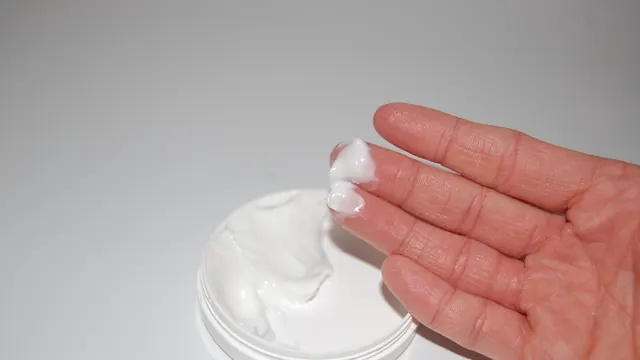
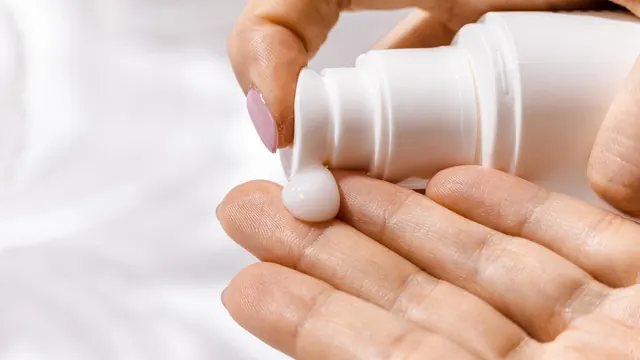
The Ordinary describes it as a lightweight hydrating cream that leaves no greasy residue, which makes it easy to wear under sunscreen and makeup. That lightness is also its main limit. The formula is built mostly from humectants, with a moderate amount of lipids and nothing heavily occlusive such as petrolatum or a high level of dimethicone.
Humectants work best when something seals the water in. The Indian Journal of Dermatology review calls humectants "a double-edged weapon" because they draw water up from the dermis and, in humid conditions, from the air, which can increase water loss unless they're combined with occlusives. Occlusives, by contrast, form a layer that physically slows water loss; the same review reports that petrolatum reduces it by more than 98%.
In practice, NMF + HA may feel too light if you have:
- very dry, flaky or tight skin, especially in winter or air-conditioned rooms;
- mature skin that feels dry by mid-afternoon;
- a damaged barrier from retinoids, over-exfoliation or harsh cleansers.
In those cases, either layer a thin occlusive on top at night or choose a richer cream. DermNet notes that very dry skin may benefit from a greasier, more occlusive moisturizer, while slightly dry skin may only need a light one. Our guides to dry vs dehydrated skin and the dry skin routine can help you tell which camp you're in.
Is The Ordinary NMF good for oily and acne-prone skin?
It can be, though the gel version is the more obvious fit. The AAD advises people with acne to look for moisturizers labeled "oil-free," "non-comedogenic" or "won't clog pores". The Ordinary lists NMF + HA as oil-free in its highlights, but the product page we reviewed doesn't call it non-comedogenic. DermNet also warns that occlusive emollients can cause or aggravate acne, which this lighter cream largely avoids.
For oily or acne-prone skin, The Ordinary's newer Natural Moisturizing Factors + Beta Glucan is the version the brand points to. It's a lightweight gel that the page says is particularly beneficial for oily and combination skin. Our list of the best moisturizers for oily and acne-prone skin covers other options.
What is the beta-glucan version, and how is it different?
Natural Moisturizing Factors + Beta Glucan is a gel moisturizer with the same humectant idea but almost no fatty base. The Ordinary describes it as a lightweight gel moisturizer to support surface hydration, with amino acids, ceramides and beta-glucan as its key ingredients, a pH of 5.3 to 6.3, and the same National Eczema Association seal. Its ingredient list replaces the triglyceride and fatty alcohols of the cream with lightweight humectants such as betaine, beta-glucan, xylitol-derived sugars and urea, plus phospholipids and sphingolipids.
There's also a richer sibling. Natural Moisturizing Factors + PhytoCeramides is a rich cream suited for dry skin, which The Ordinary says has nearly four times more moisturizing emollients and two times more humectants than NMF + HA. The brand's single-application test on 30 people reported an immediate 68% boost in skin hydration; that's a small brand study, not independent research.
| NMF + Beta Glucan | NMF + HA | NMF + PhytoCeramides | |
|---|---|---|---|
| Format | Lightweight gel | Lightweight cream | Rich cream |
| Brand's skin-type note | Oily and combination skin; all types including sensitive | All skin types | Dry skin |
| Key ingredients | Amino acids, ceramides, beta-glucan | HA, arginine, PCA, lactates, minerals | Glycosphingolipids, fatty acids, PCA, urea, HA, amino acids |
| Price shown (as of October 2026) | $6.50 | $6.70 | $10.80 |
The Ordinary NMF vs CeraVe: which should you choose?
Choose The Ordinary NMF + HA for a lighter, cheaper face cream; choose CeraVe if you want ceramides on the label and more occlusion. CeraVe's Moisturizing Cream combines three essential ceramides, hyaluronic acid, dimethicone and petrolatum, is made for normal to dry skin, is fragrance-free and non-comedogenic, and is listed at $14.99. CeraVe's PM Facial Moisturizing Lotion is the closer match in feel: an ultra-lightweight, oil-free, non-comedogenic lotion with ceramides, hyaluronic acid and niacinamide, listed at $19.99.
| The Ordinary NMF + HA | CeraVe PM Facial Moisturizing Lotion | CeraVe Moisturizing Cream | |
|---|---|---|---|
| Texture | Lightweight cream | Ultra-lightweight lotion | Rich, non-greasy cream |
| Ceramides named | No (lecithin and plant lipids instead) | Ceramide NP, AP, EOP | Three essential ceramides |
| Occlusives | Light | Light | Petrolatum and dimethicone |
| Extras | Amino acids, PCA, urea | Niacinamide | Face and body use |
| Non-comedogenic claim | Not stated; oil-free | Yes | Yes |
| Price shown (as of October 2026) | $6.70 | $19.99 | $14.99 |
For more detail, see our CeraVe Moisturizing Cream review.
How does it fit into a budget The Ordinary routine?
NMF + HA works as the moisturizer step that follows whatever serums you use, morning and night. The brand's own direction is simply to apply as needed on unbroken skin, after a patch test. A simple, inexpensive routine might look like this:
- Morning: gentle cleanser, an optional serum such as The Ordinary's Hyaluronic Acid 2% + B5, NMF + HA, then broad-spectrum sunscreen.
- Evening: cleanser, one treatment serum (for example a retinoid or an acid, on different nights), then NMF + HA.
- Dry nights or winter: NMF + HA, then a thin layer of an occlusive on the driest areas, or swap to the PhytoCeramides version.
With a pH of 6.5 to 7.0 and no strong actives of its own, it can follow The Ordinary's acid or retinoid serums as the last step at night. If you pair it with a hyaluronic acid serum, remember the review's point above: humectants hold water best when something more occlusive helps keep it in, so add a richer layer if your skin still feels tight.
Is it safe for sensitive skin and eczema?
It's one of the gentler options at its price: free of fragrance in its ingredient list, alcohol-free and carrying the National Eczema Association Seal of Acceptance. Any product can still irritate someone, so patch test first, as The Ordinary advises. If you have eczema on your face that flares, cracks or weeps, see a dermatologist; a moisturizer supports treatment but doesn't replace it.
The verdict
The Ordinary Natural Moisturizing Factors + HA is a well-built, very inexpensive everyday moisturizer for skin that's normal, combination or a little dry. Its humectant-heavy formula is sound, the texture is easy to wear, and it plays well with every active in The Ordinary's range. It isn't enough on its own for very dry or damaged skin, and oily skin may prefer the beta-glucan gel. Match the version to your skin and it's hard to find a better value.
Frequently asked questions
Is The Ordinary NMF good for oily skin?
It can work because it's light and oil-free, but The Ordinary's Natural Moisturizing Factors + Beta Glucan gel is the version the brand recommends for oily and combination skin.
The Ordinary NMF vs CeraVe: which is better?
The Ordinary NMF + HA is lighter and cheaper, listed at $6.70 as of October 2026. CeraVe's Moisturizing Cream adds ceramides, petrolatum and dimethicone, so it suits drier skin better.
What is The Ordinary NMF + Beta Glucan?
It's a lightweight gel version of the NMF moisturizer with amino acids, ceramides and beta-glucan. The Ordinary says it's especially suited to oily and combination skin.
Is The Ordinary NMF moisturizer good for acne-prone skin?
It's oil-free and not heavily occlusive, which suits many acne-prone faces, but the product page doesn't call it non-comedogenic. The AAD suggests looking for oil-free or non-comedogenic labels.
Is The Ordinary NMF enough for dry skin?
For mildly dry skin, usually yes. Very dry skin often needs a richer cream or an occlusive layer on top, such as The Ordinary's NMF + PhytoCeramides.
Can I use The Ordinary NMF with retinol or acids?
Yes. It's close to pH-neutral and has no strong actives, so it works as the moisturizer step after retinoids or acids.
Sources
- The Ordinary: Natural Moisturizing Factors + HA (product page and ingredients)
- The Ordinary: Natural Moisturizing Factors + Beta Glucan (product page and ingredients)
- The Ordinary: Natural Moisturizing Factors + PhytoCeramides (product page)
- Sethi A et al. Moisturizers: the slippery road. Indian J Dermatol, 2016 (PMC)
- DermNet: Emollients and moisturisers
- American Academy of Dermatology: Moisturizer: Why you may need it if you have acne
- CeraVe: Moisturizing Cream (product page)
- CeraVe: PM Facial Moisturizing Lotion (product page)
Pori is a wellness and skincare education app, not a medical device. This article is for general information and isn't medical advice. For anything that worries you, see a dermatologist.