Pori
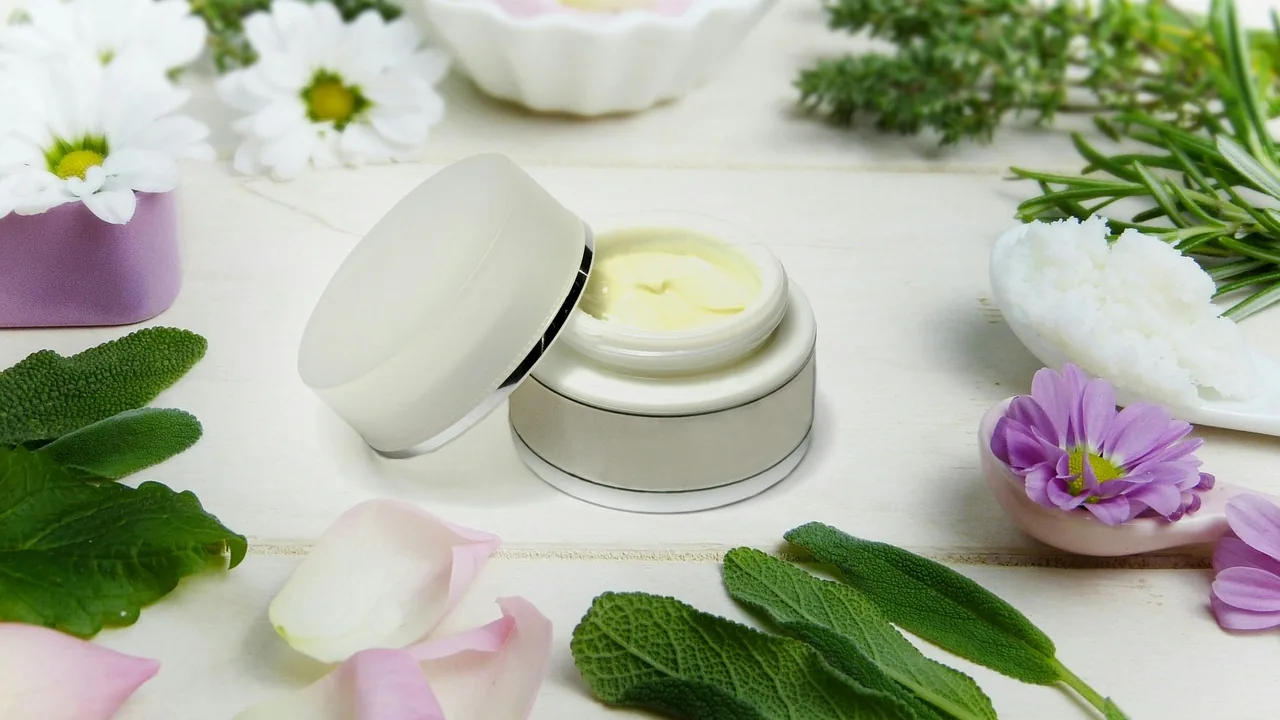
- A fragrance-free face and body cream with three ceramides, cholesterol, glycerin, hyaluronic acid and petrolatum, made for normal to dry skin.
- It's labeled non-comedogenic, and the petrolatum isn't a reason to avoid it, but very oily, acne-prone faces usually prefer a lighter lotion.
- It carries the National Eczema Association Seal and works as a daily emollient for eczema-prone skin, though it isn't a treatment.
- The Daily Moisturizing Lotion is the oil-free, lighter sibling; both start at $14.99 on cerave.com (October 2026).
CeraVe Moisturizing Cream is a fragrance-free barrier cream built on three ceramides, cholesterol, hyaluronic acid and petrolatum. It suits normal to dry skin, eczema-prone skin and dry patches on the face or body, and CeraVe labels it non-comedogenic. It's a strong, inexpensive default for dryness. Very oily or acne-prone faces usually do better with a lighter lotion or gel.
If you want to check how its ingredient list lines up with your own skin type before buying, you can scan the jar's barcode or label with the ingredient scanner in Pori.
Below we go through what each key ingredient does, how the cream behaves on the face versus the body, the clogged-pores question, how it fits an eczema routine, and how it differs from CeraVe's Daily Moisturizing Lotion. This is an ingredient-and-evidence review based on CeraVe's published formula and the dermatology literature, not a hands-on test.
What is CeraVe Moisturizing Cream, and who is it for?
It's a rich, fragrance-free cream for the face and body, aimed at normal to dry skin. CeraVe's product page describes it as a non-greasy moisturizer that helps restore the skin's protective barrier, says it was developed with dermatologists, and says it's suitable for the whole family from age 3 up. The page also lists the National Eczema Association (NEA) Seal of Acceptance, a non-comedogenic claim and HSA/FSA eligibility.
| Detail | What CeraVe states |
|---|---|
| Made for | Normal to dry skin |
| Where to use | Face and body, day or night, as often as needed |
| Key ingredients | Ceramide NP, AP and EOP; hyaluronic acid (sodium hyaluronate); petrolatum; dimethicone |
| Other barrier lipids | Cholesterol, phytosphingosine |
| Fragrance | Fragrance-free |
| Claims and seals | Non-comedogenic, allergy-tested, NEA Seal of Acceptance |
| Ages | 3 years and up |
| Price on cerave.com (as of October 2026) | From $14.99, depending on jar size |
CeraVe also notes that its ingredient lists are updated regularly and that the package is the most current source, so check the jar you buy if you react to a specific ingredient.
What does each key ingredient do?
The formula combines the three jobs a moisturizer can do: replace barrier lipids, draw water into the skin, and slow water loss. According to the published ingredient list, the order runs water, glycerin, cetearyl alcohol, caprylic/capric triglyceride, cetyl alcohol, ceteareth-20 and then petrolatum, with the ceramides, dimethicone, sodium hyaluronate and cholesterol further down.
Ceramides and cholesterol
The outer layer of skin, the stratum corneum, is held together by a lipid matrix made mainly of cholesterol, free fatty acids and ceramides, and that matrix is what limits water loss and keeps irritants out. The same review describes how this lipid barrier is altered in atopic dermatitis, and a moisturizer review notes that losing these intercellular lipids damages the water barrier and leads to dry skin. CeraVe's cream supplies ceramides and cholesterol, with fatty alcohols and triglycerides in the base. For more on picking a ceramide product, see our guide to ceramides and the skin barrier.
Glycerin and hyaluronic acid
Both are humectants: they pull water into the outer skin. Glycerin sits second on the list, so it's doing more of the work than the hyaluronic acid near the end. A dermatology review of moisturizers points out that humectants on their own can increase water loss by drawing water up from deeper skin, which is why they are mostly combined with occlusives. That pairing is exactly what this cream does.
Petrolatum and dimethicone
These are the occlusives that slow evaporation. The same review notes that petrolatum at a minimum concentration of 5% reduces transepidermal water loss by more than 98%, far more than lanolin, mineral oil or silicones. CeraVe doesn't publish the percentage in this cream, but petrolatum's place in the top seven ingredients is the main reason it feels richer than the Daily Moisturizing Lotion, which doesn't contain it.
MVE delivery
CeraVe says its MVE technology releases ingredients gradually for longer-lasting hydration. That's a brand claim; we couldn't find independent published data on it, so judge the cream on its ingredient list.
Can you use CeraVe Moisturizing Cream on your face?
Yes. CeraVe says it can be applied anywhere on the face and body, and its fragrance-free, non-comedogenic positioning makes it a common facial pick for dry skin. Whether it feels right on your face depends mostly on your oil level.
- Dry or mature skin: a good fit. The American Academy of Dermatology (AAD) notes that creams add more moisture and preserve more water than lotions, and a dermatologist quoted there suggests people with dry skin start with a cream or ointment and skip lotions.
- Normal or combination skin: often fine at night or on the cheeks only. For combination skin, a dermatologist quoted by the AAD suggests treating your face as though it's two faces: moisturize the dry spots and skip the oily areas.
- Oily skin: usually too heavy as an all-over daily layer. The AAD says that for some people too much moisturizer can clog pores and lead to acne and suggests a lighter gel or skipping moisturizer if your skin is oily.
- Under makeup or sunscreen: use a thin layer and let it settle for a few minutes, since rich creams can make the next layer slide.
On the body, it's well suited to elbows, shins, hands and any patch that flakes in winter. Apply it right after a shower: the AAD suggests leaving some water on your skin after washing and then applying moisturizer to trap that water in.
Does CeraVe Moisturizing Cream clog pores?
For most people it doesn't, and CeraVe labels it non-comedogenic. The petrolatum worries some acne-prone users, but comedogenic ratings for single ingredients were originally built on animal tests. A study using a human model concluded that finished products using comedogenic ingredients are not necessarily comedogenic, which is why the label on the final product matters more than any one ingredient.
The AAD's advice for acne-prone skin is to look for moisturizers labeled oil-free, non-comedogenic or "won't clog pores". This cream meets the second and third but isn't oil-free, so it's a reasonable choice for dry, acne-prone skin and a weaker one for very oily, acne-prone skin. If you're worried, try it on one area, such as the cheeks, for a few weeks before using it everywhere. Our piece on petrolatum, slugging and acne goes deeper.
One case where it shines is alongside acne treatments. The AAD lists benzoyl peroxide, salicylic acid, adapalene, tazarotene, tretinoin and isotretinoin as treatments that tend to dry and irritate the skin, and says a daily moisturizer can help your skin tolerate them. If your face peels on a retinoid, a fragrance-free barrier cream like this one at night is an easy way to put that advice into practice.
Is CeraVe Moisturizing Cream good for eczema?
It's a reasonable everyday emollient for eczema-prone skin, but it isn't an eczema treatment. The cream carries the NEA Seal of Acceptance. To apply for the Seal, brands must confirm the product contains no ingredients on NEA's "Ecz-clusion List" and has applicable clinical safety testing reports. That's useful for avoiding common irritants, though it says nothing about whether a product improves eczema.
The UK's NHS advises people with atopic eczema to apply emollients as often as possible, at least twice a day, and to keep moisturizing even when the eczema improves. It also says not to put fingers into an emollient pot and to use a spoon or pump dispenser instead, which is worth remembering with a tub.
See a dermatologist or doctor if eczema keeps flaring despite regular moisturizing, or if it covers large areas. The NHS says to get urgent care if eczema becomes blistered, crusty, leaking fluid, painful, swollen or warm, or suddenly gets worse, since these can be signs of infection. For gentle facial care, see our guide to eczema on the face.
CeraVe Moisturizing Cream vs Daily Moisturizing Lotion: what's the difference?
The main difference is texture, and it comes down to petrolatum. CeraVe's own FAQ says the cream is a rich formula with petrolatum for normal to dry skin, while the Daily Moisturizing Lotion is a lightweight, oil-free formula that may better suit normal to oily skin. The lotion's own page lists it for normal to dry skin, so think of it as the lighter option for anyone who finds the cream heavy.
| Feature | Moisturizing Cream | Daily Moisturizing Lotion |
|---|---|---|
| Texture | Rich cream | Lightweight lotion |
| Petrolatum | Yes | No (oil-free) |
| Ceramides, cholesterol, hyaluronic acid | Yes | Yes |
| Dimethicone | Yes | Yes |
| Brand hydration claim | Long-lasting hydration | 48-hour hydration |
| NEA Seal, non-comedogenic | Yes, yes | Yes, yes |
| Best for | Dry skin, eczema-prone skin, winter, body patches | Normal to oily skin, warm weather, a lighter face layer |
| Price on cerave.com (as of October 2026) | From $14.99 | From $14.99 |
A simple rule: if your skin feels tight an hour after washing, choose the cream. If it shines by midday, choose the lotion, or keep the cream for the dry spots only.
How should you use CeraVe Moisturizing Cream?
Apply it after cleansing and after any serum or treatment, on skin that's still slightly damp. CeraVe's directions are simply to apply liberally as often as needed, day or night.
- Cleanse with a gentle, non-foaming or low-foam cleanser if your skin is dry.
- Apply treatments first, such as a retinoid at night, and let them absorb.
- Start with a small amount for the face and add more only where skin still feels tight; use more on the body.
- In the morning, finish with broad-spectrum sunscreen. This cream has no SPF.
- Use clean hands or a spatula to scoop from a tub, as the NHS advises for emollient pots.
Give it a couple of weeks of steady use before judging comfort and flaking. If you're rebuilding irritated skin, our guide to a damaged skin barrier explains what to pause while it recovers.
Is CeraVe Moisturizing Cream worth it?
For dry, sensitive or eczema-prone skin, yes. It delivers barrier lipids, a strong humectant base and a proven occlusive without fragrance, at a drugstore price. Its limits are just as clear. It's heavier than many oily-skin users want on the face, it has no SPF, and it contains no active ingredients for acne, dark spots or wrinkles. Pair it with targeted treatments rather than expecting it to do their work. If you want something lighter for your face at night, compare it with our CeraVe PM Facial Moisturizing Lotion review.
Frequently asked questions
Is CeraVe Moisturizing Cream good for your face?
Yes, especially for dry, normal or sensitive skin. CeraVe says it can be used on the face and body, and it's fragrance-free and labeled non-comedogenic. Very oily skin may find it too heavy for daytime.
Does CeraVe Moisturizing Cream clog pores?
CeraVe labels it non-comedogenic, and research shows finished products containing ingredients like petrolatum aren't necessarily comedogenic. If you're acne-prone, test it on one area for a few weeks first.
What's the difference between CeraVe cream and lotion?
The cream is richer and contains petrolatum, which seals in moisture, while the Daily Moisturizing Lotion is lighter and oil-free. Both have the same three ceramides and hyaluronic acid.
Is CeraVe Moisturizing Cream good for eczema?
It carries the National Eczema Association Seal of Acceptance and works well as a daily emollient. It doesn't treat eczema, so see a doctor if flares continue or the skin looks infected.
Can I use CeraVe Moisturizing Cream with retinol?
Yes. Apply the retinoid first, then the cream, to reduce dryness and peeling. The AAD notes moisturizers help skin tolerate drying acne treatments such as retinoids.
Can I use CeraVe Moisturizing Cream in the morning?
Yes. Use a thin layer and follow it with broad-spectrum sunscreen, since the cream has no SPF.
Sources
- CeraVe: Moisturizing Cream (product page, ingredients and FAQ)
- American Academy of Dermatology: How to pick the right moisturizer for your skin
- American Academy of Dermatology: Moisturizer, why you may need it if you have acne
- Draelos ZD, DiNardo JC. A re-evaluation of the comedogenicity concept. J Am Acad Dermatol, 2006 (PubMed)
- van Smeden J, Bouwstra JA. Stratum corneum lipids: their role for the skin barrier function in healthy subjects and atopic dermatitis patients. Curr Probl Dermatol, 2016 (PubMed)
- Sethi A et al. Moisturizers: the slippery road. Indian J Dermatol, 2016 (PMC)
- NHS: Atopic eczema
- National Eczema Association: Get the Seal of Acceptance
Pori is a wellness and skincare education app, not a medical device. This article is for general information and isn't medical advice. For anything that worries you, see a dermatologist.