Pori
- The original Water Gel contains fragrance and Blue 1; the fragrance-free version is sold as Water Gel Cream Fragrance Free.
- A newer formula with amino acids, more glycerin and a refillable jar is sold alongside the classic silicone gel.
- It suits oily, combination and acne-prone skin; very dry skin needs a cream, and neither version has SPF.
- $19.99 for 1.7 oz at Target as of November 2026 (about $11.76 per oz); the newer fragranced gel is $26.99 at Ulta.
Neutrogena Hydro Boost Water Gel is a light, oil-free gel moisturizer with hyaluronic acid that suits oily, combination and acne-prone skin that hates creams. The original contains fragrance and a blue dye, so sensitive skin should buy the fragrance-free version, which Target sells as Hydro Boost Water Gel Cream Fragrance Free for $19.99. Very dry skin will likely find either version too light on its own.
Before you buy, you can scan the jar's barcode or label with the ingredient scanner in Pori to check which formula you're holding and whether it suits your skin type.
Below we sort out the formulas on US shelves, explain both full ingredient lists, look at the evidence for hyaluronic acid, cover who it suits and who should skip it, list sizes and price per ounce, and suggest alternatives. We compared published ingredient lists, brand claims and listed prices; we did not test these products on skin.
Which Hydro Boost Water Gel formula is current?
As of November 2026, three Water Gel listings sit on major US retail sites, and the label is the only way to tell them apart:
| Version | How to spot it | Fragrance | Price (November 2026) |
|---|---|---|---|
| Classic Water Gel, normal to oily skin | List starts water, dimethicone, glycerin; contains polyacrylamide | Fragrance and Blue 1 | $19.99 for 1.7 oz (Target) |
| Newer Water Gel with amino acids | List starts water, glycerin, dimethicone; amino acids and sugars; refillable jar | Fragrance and Blue 1 | $26.99 for 1.7 oz (Ulta) |
| Water Gel Cream Fragrance Free, normal to dry skin | Same amino-acid base as the newer gel, without fragrance or dye | None | $19.99 for 1.7 fl oz (Target) |
The amino-acid formula is the newer one. When a shopper on Target asked whether the fragrance-free jar used to be blue, the brand replied that it's the same product with a new formulation, and Ulta's page for the fragranced gel says the jar takes refill pods. The classic silicone-heavy gel is still sold, so stores may stock both for a while. If you're sensitive to fragrance, ignore the name and look for "fragrance free" on the front and no "fragrance" in the list.
What's in the classic Hydro Boost Water Gel?
Target lists the classic gel as water, dimethicone, glycerin, dimethicone/vinyl dimethicone crosspolymer, phenoxyethanol, polyacrylamide, cetearyl olivate, sorbitan olivate, dimethiconol, C13-14 isoparaffin, dimethicone crosspolymer, chlorphenesin, carbomer, laureth-7, sodium hyaluronate, ethylhexylglycerin, fragrance, C12-14 pareth-12, sodium hydroxide and Blue 1. The same list appears on INKEEDecoder.
- Dimethicone and the silicone crosspolymers: the main texture. They give the gel its silky slip and help slow water loss without oil.
- Glycerin: the hardest-working humectant here, third on the list.
- Polyacrylamide, carbomer, C13-14 isoparaffin, laureth-7: the gel system that makes it wobble and then turn watery as you spread it.
- Cetearyl olivate and sorbitan olivate: olive-derived emulsifiers.
- Sodium hyaluronate: the salt form of hyaluronic acid, the line's namesake. It comes after the preservatives, so it's a small amount.
- Phenoxyethanol, chlorphenesin, ethylhexylglycerin: the preservative system.
- Fragrance and Blue 1: scent and color, with no skin benefit.
Target's listing calls it lightweight, oil-free and non-comedogenic, with clinically proven 24-hour hydration.
What's in the newer amino-acid formula?
Ulta lists the newer fragranced gel as water, glycerin, dimethicone, cetearyl olivate, sorbitan olivate, sodium hyaluronate, serine, glycine, alanine, threonine, arginine, proline, lysine HCl, glutamic acid, sodium PCA, PCA, sodium lactate, urea, sodium chloride, citric acid, betaine, allantoin, fructose, maltose, trehalose, glucose, pentylene glycol, synthetic beeswax, polyacrylate crosspolymer-6, dimethicone crosspolymer, dimethiconol, ethylhexylglycerin, caprylyl glycol, sodium hydroxide, fragrance and Blue 1. The fragrance-free Water Gel Cream on Target has the same list without fragrance and Blue 1.
- Glycerin moves to second place, ahead of dimethicone, so this version leans more on humectants.
- Sodium hyaluronate moves up to sixth.
- Amino acids, sodium PCA, PCA, sodium lactate, urea and betaine: water-binding compounds of the kind found in the skin's natural moisturizing factor.
- Sugars (fructose, maltose, trehalose, glucose): more humectants.
- Allantoin: a soothing, softening ingredient.
- Synthetic beeswax: a little wax for a slightly richer feel.
- Pentylene glycol, caprylyl glycol, ethylhexylglycerin: the preservative-boosting system; phenoxyethanol and chlorphenesin are gone.
Neutrogena's claims for this version, as listed by retailers, are 48-hour hydration, 6x more hydration than untreated skin, and a stronger moisture barrier after one use. Those are brand claims, and we couldn't find the underlying studies.
Does hyaluronic acid in a moisturizer work?
As a humectant, yes. Cleveland Clinic notes that a quarter-teaspoon of hyaluronic acid holds about one and a half gallons of water, and that reactions to it are rare. In a moisturizer, it and the glycerin pull water into the outer skin, which makes skin feel softer and look plumper for a while.
Two caveats. First, hyaluronic acid is a small part of either formula; glycerin does more of the work. Second, humectants hold water best when something seals it in. Hydro Boost's silicones do a little of that, but a gel seals far less than a cream or ointment. The American Academy of Dermatology (AAD) notes that ointments and creams add more moisture to skin and are more effective than lotions. Our hyaluronic acid guide explains how to layer it.
Who is Hydro Boost Water Gel good for?
- Oily and combination skin. The AAD suggests a gel if your skin is oily, since it's lighter than other types of moisturizer.
- Acne-prone skin that wants hydration without oil. Target lists both the classic gel and the fragrance-free version as non-comedogenic.
- Hot, humid climates and summer, when creams feel heavy.
- Under makeup, since it absorbs fast and leaves little residue.
- Dehydrated skin that feels tight but still gets shiny; see our guide to oily but dehydrated skin.
Who should skip it?
- Fragrance-sensitive or rosacea-prone skin, for the original. The AAD says dermatologists recommend products labeled "fragrance-free". Buy the fragrance-free version, and read more in our fragrance in skincare guide.
- Very dry or eczema-prone skin. A gel won't hold enough water; choose a cream such as those in our best moisturizer for dry skin list.
- Anyone relying on it for sun protection. Neither version has SPF.
- People who liked the old texture. Some Target reviewers report that the reformulated jar feels or works differently; if you loved the classic, check the list before you buy.
How much does Hydro Boost Water Gel cost?
| Product and size | Price (November 2026) | Per ounce |
|---|---|---|
| Classic Water Gel, 1.7 oz | $19.99 (Target) | About $11.76 |
| Newer Water Gel, 1.7 oz | $26.99 (Ulta) | About $15.88 |
| Water Gel Cream Fragrance Free, 1.7 fl oz | $19.99 (Target) | About $11.76 |
| Water Gel Cream Fragrance Free, 0.5 fl oz | $9.97 (Target) | About $19.94 |
That's far more per ounce than a drugstore cream sold in a tub, because you're paying for a small jar. Drugstore sales are frequent, so compare per-ounce prices where you shop.
How do you use Hydro Boost Water Gel?
- Cleanse, then apply serums or treatments.
- Apply a small scoop evenly to the face and neck, as the directions say, daily after cleansing.
- Layer a cream on dry patches in winter, or switch to a richer moisturizer at night.
- Finish with broad-spectrum sunscreen in the morning.
Introduce it on its own for a week or two, so you can tell if it causes a reaction or breakouts.
What are the best alternatives to Hydro Boost Water Gel?
- CeraVe PM Facial Moisturizing Lotion: light, oil-free and fragrance-free, with niacinamide and ceramides; see our CeraVe PM review.
- Clinique Moisture Surge 100H: an oil-free, fragrance-free gel-cream for oily and dehydrated skin; see our Moisture Surge review.
- The Ordinary Natural Moisturizing Factors + HA: a cheap, fragrance-free cream built on the same kind of humectants as the newer Hydro Boost; see our NMF review.
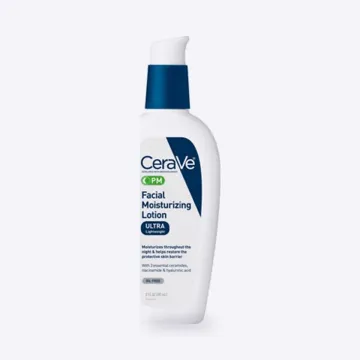
PM Facial Moisturizing Lotion
Light night lotion that hydrates without feeding shine.
Suits: Normal, Combination, Oily skin
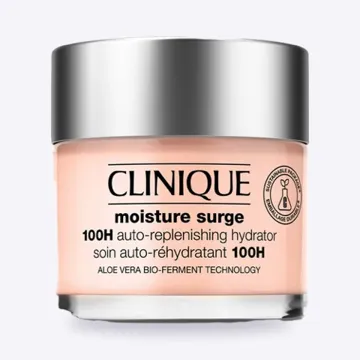
Moisture Surge 100 Hour Auto-Replenishing Hydrator
Moisturizer with magnesium ascorbyl phosphate, aloe vera and green tea extract. Fragrance-free.
Suits: Normal, Dry, Oily, Combination, Sensitive skin
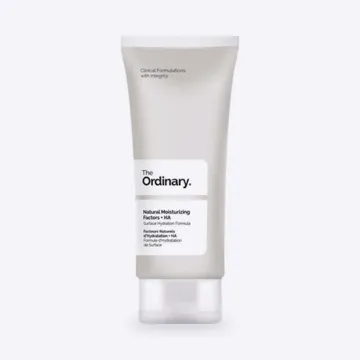
Natural Moisturizing Factors + HA
The cheapest moisturiser worth owning, if money is the constraint.
Suits: Normal, Dry, Combination, Sensitive skin
From Pori's catalogue. Amazon links carry our Associates tag: Pori earns from qualifying purchases, at no cost to you. No brand pays to be listed. Photos: Open Beauty Facts contributors, CC BY-SA 3.0.
For more, see our best moisturizer for oily skin and best non-comedogenic moisturizer roundups, our gel vs cream moisturizer explainer, or the moisturizers for oily skin catalogue.
Is Neutrogena Hydro Boost Water Gel worth it?
For oily or combination skin that wants a weightless moisturizer, yes, as long as you pick the right version. If fragrance has ever bothered you, buy the fragrance-free Water Gel Cream, which costs the same as the classic gel at Target. If your skin is dry, you'll get more for your money from a cream. Hydro Boost hydrates, but it doesn't treat acne, dark spots or wrinkles, so keep those treatments as separate steps. Our Neutrogena skincare guide covers the rest of the range.
Frequently asked questions
Does Neutrogena Hydro Boost Water Gel have fragrance?
The original does: fragrance and the dye Blue 1 are on both the classic and newer fragranced lists. Neutrogena also sells a fragrance-free version, which Target lists as Hydro Boost Water Gel Cream Fragrance Free.
Did Neutrogena change the Hydro Boost Water Gel formula?
Yes. The newer formula puts glycerin second and adds amino acids, sodium PCA, urea and sugars, and the jar takes refill pods. The older silicone-led gel is still sold, so check the ingredient list on the jar.
Is Hydro Boost Water Gel good for acne-prone skin?
It's oil-free and Target lists the classic and fragrance-free versions as non-comedogenic, so it's a common pick for acne-prone skin. It doesn't treat acne. If fragrance irritates you, choose the fragrance-free version.
Is Hydro Boost good for dry skin?
Usually not on its own. A gel holds less water than a cream. Dry skin can use it under a cream, or choose a richer moisturizer instead.
Does Hydro Boost Water Gel have SPF?
No. Use a separate broad-spectrum sunscreen in the morning.
What is a good alternative to Hydro Boost Water Gel?
CeraVe PM Facial Moisturizing Lotion and Clinique Moisture Surge 100H are fragrance-free, oil-free options for oily skin. The Ordinary Natural Moisturizing Factors + HA is a cheaper fragrance-free cream with similar humectants.
Sources
- Target: Neutrogena Hydro Boost Water Gel, normal to oily skin, 1.7 oz (ingredients, claims, price)
- Ulta: Neutrogena Hydro Boost Water Gel (newer formula, ingredients, price)
- Target: Neutrogena Hydro Boost Water Gel Cream Fragrance Free, 1.7 fl oz (ingredients, claims, price)
- Target: Neutrogena Hydro Boost Water Gel Cream Fragrance Free, 0.5 fl oz
- INKEEDecoder: Neutrogena Hydro Boost Water Gel (ingredient list)
- Cleveland Clinic: Hyaluronic acid
- American Academy of Dermatology: How to pick the right moisturizer
- American Academy of Dermatology: Dermatologists' tips to relieve dry skin
Pori is a wellness and skincare education app, not a medical device. This article is for general information and isn't medical advice. For anything that worries you, see a dermatologist.