Pori
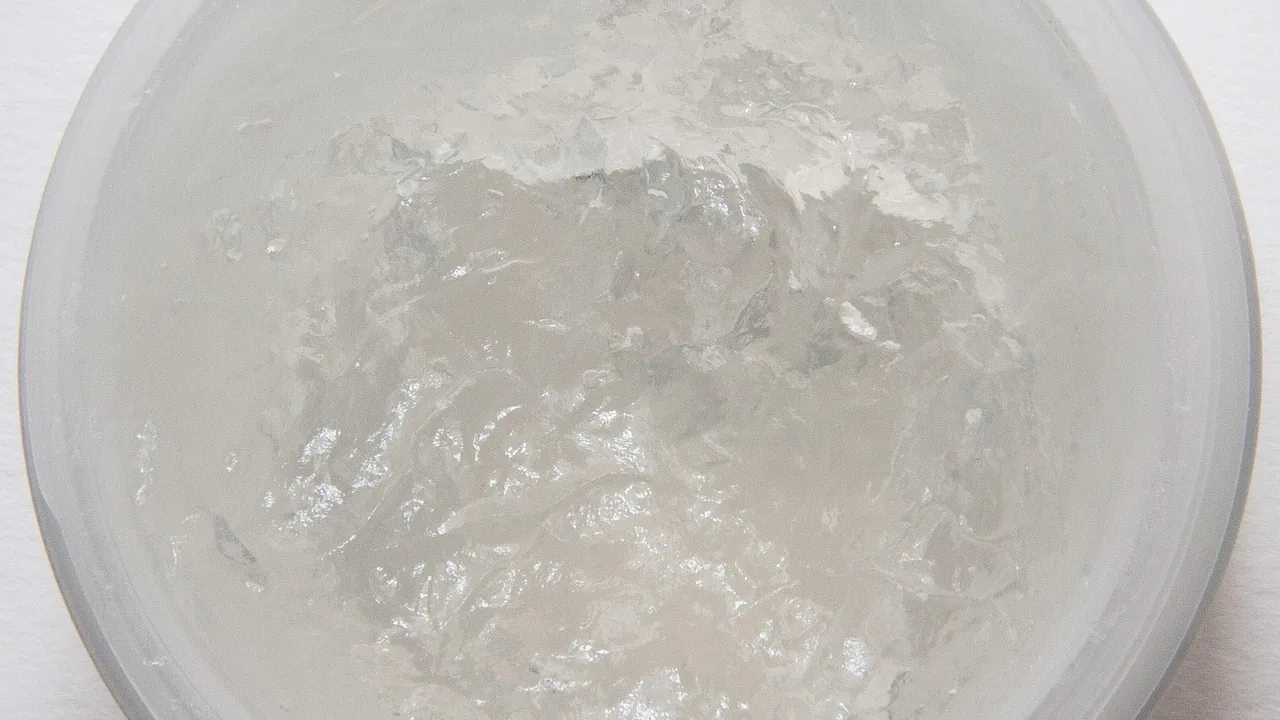
- Gels are water-based and light; creams carry more oil and seal water in better.
- Oily and acne-prone skin usually does best with a gel; the AAD suggests creams or ointments for dry skin.
- Gel-creams suit combination and oily but dehydrated skin.
- Many people use a gel in summer or the morning and a cream in winter or at night.
A gel moisturizer is water-based and light, held together by thickeners and humectants, so it suits oily, acne-prone and combination skin and humid weather. A cream moisturizer is an emulsion with more oil, fatty alcohols and butters, so it holds water in better and suits dry, mature and sensitive skin and cold weather. Gel-creams sit in between and work for most combination skin.
To see which kind a product really is, whatever the label says, you can scan its barcode or ingredient list with the ingredient scanner in Pori and check it against your skin type. It reads the formula; it doesn't diagnose skin conditions.
Below we compare the two textures, the ingredients that make each one work, which skin types and seasons suit which, and examples from our catalogue. This guide is based on dermatology guidance and each brand's ingredient list; we did not test these products on skin.
What's the difference between a gel and a cream moisturizer?
The balance of water and oil. The American Academy of Dermatology (AAD) describes a gel as often water-based and lighter on the skin than a lotion, and a cream as thicker, with a higher oil content than a lotion or gel, which makes it more hydrating. A 2017 review of moisturizers in Clinical Medicine & Research adds that water-based gels are easily absorbed, well accepted on the face and non-comedogenic.
| Gel | Gel-cream | Cream | |
|---|---|---|---|
| Base | Water plus gelling agents | Gel with some emollients | Oil-and-water emulsion |
| Feel | Light, cooling, absorbs fast | Bouncy, a little more cushion | Rich, leaves a soft film |
| Main job | Adds water with humectants | Adds water, seals a little | Softens and seals water in |
| Best for | Oily, acne-prone, humid climates | Combination, oily but dehydrated, normal | Dry, mature, sensitive, cold climates |
| Drawback | Can feel too light on dry skin | May not be enough for very dry skin | Can feel heavy or shiny on oily skin |
There's a continuum here, and names aren't regulated: one brand's "gel-cream" is another's "lotion." Our guide to the types of moisturizers covers the full range, from gels to ointments.
What ingredients are in a gel moisturizer?
Gels lean on three groups of ingredients:
- Humectants such as glycerin, hyaluronic acid (often listed as sodium hyaluronate), butylene glycol and panthenol, which draw water into the top layer of skin.
- Gelling agents such as carbomer, polyacrylamide or acrylate copolymers, which give the jelly texture.
- Silicones such as dimethicone, which add slip and a light seal without a greasy feel. Our guide to silicones in skincare explains why they're common in oil-free formulas.
Neutrogena Hydro Boost Water Gel is a classic example. Its ingredient list starts with water, dimethicone and glycerin, uses polyacrylamide and carbomer as thickeners and lists sodium hyaluronate further down. The original version also lists fragrance; Neutrogena sells a fragrance-free Hydro Boost gel-cream as well, so check the label. The trade-off with gels is that humectants pull water toward the surface, where it can evaporate. The moisturizer review notes that humectants work best when paired with an occlusive, which is what a cream supplies.
What ingredients are in a cream moisturizer?
A cream is an emulsion, so it needs emulsifiers and fatty ingredients alongside the water and humectants:
- Fatty alcohols and emulsifiers such as cetearyl alcohol, cetyl alcohol and glyceryl stearate, which give body. These are not drying, as our guide to fatty alcohols explains.
- Emollients such as squalane, plant oils (see types of face oils), shea butter and ceramides, which smooth and fill gaps between skin cells.
- Occlusives such as petrolatum, which slow water loss the most. The 2017 review notes petrolatum at 5% or more can reduce water loss through the skin by more than 98%.
The AAD's dermatologists suggest looking for ceramides and hyaluronic acid, and avoiding alcohol, alpha hydroxy acids and fragrance if your skin is dry, since they can irritate it.
Is a gel or cream moisturizer better for oily skin?
Usually a gel. The AAD's advice for oily skin is to consider skipping moisturizer or to opt for a gel, since too much moisturizer can clog pores in some people. Oily skin still benefits from moisturizer when it's using drying treatments: the AAD notes that a daily moisturizer can help skin tolerate acne treatments such as benzoyl peroxide and retinoids.
A gel-cream is a good middle ground if a plain gel leaves your skin tight by evening, a common sign of oily but dehydrated skin. Clinique Moisture Surge 100H is an oil-free, fragrance-free gel-cream built mainly on glycerin, butylene glycol, sugars and silicones, with aloe and hyaluronic acid. Isntree Onion Newpair Gel Cream, a Korean gel-cream sold in the US through online retailers, lists onion bulb extract first, then glycerin and niacinamide, and the brand labels it fragrance-free. If you prefer a lotion, CeraVe PM Facial Moisturizing Lotion is a light, oil-free option with niacinamide and ceramides. See the best moisturizer for oily skin for more.
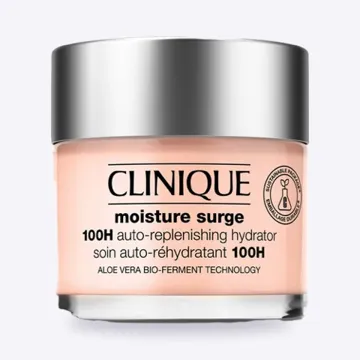
Moisture Surge 100 Hour Auto-Replenishing Hydrator
Moisturizer with magnesium ascorbyl phosphate, aloe vera and green tea extract. Fragrance-free.
Suits: Normal, Dry, Oily, Combination, Sensitive skin
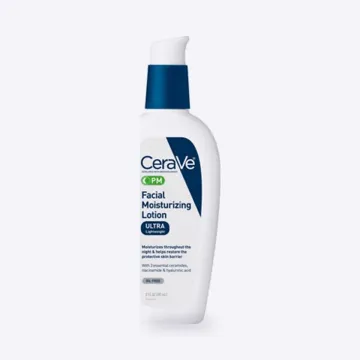
PM Facial Moisturizing Lotion
Light night lotion that hydrates without feeding shine.
Suits: Normal, Combination, Oily skin
From Pori's catalogue. Amazon links carry our Associates tag: Pori earns from qualifying purchases, at no cost to you. No brand pays to be listed. Photos: Open Beauty Facts contributors, CC BY-SA 3.0.
Is a gel or cream moisturizer better for dry skin?
A cream. The AAD says someone with dry skin will want to start with a cream or ointment and bypass lotions altogether. A gel alone often feels fine for an hour and then leaves dry skin tight, because there's too little oil to hold the water in. If you love a gel's feel, put a cream over it on dry areas or at night.
CeraVe Moisturizing Cream is the standard drugstore choice, with ceramides, hyaluronic acid and petrolatum. Kiehl's Ultra Facial Cream is a mid-weight cream that lists glycerin, dimethicone and squalane near the top, followed by plant oils including apricot kernel, avocado and olive; it's a good pick if drugstore textures bother you. First Aid Beauty Ultra Repair Cream combines colloidal oatmeal, shea butter and ceramides for rough, irritated dry patches and is fragrance-free. See the best moisturizer for dry skin for more options.
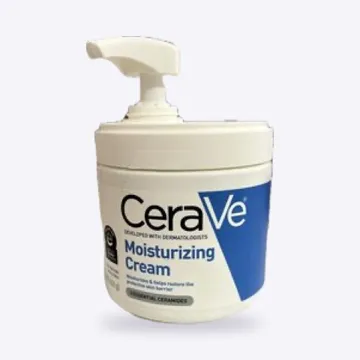
Moisturizing Cream
Thick ceramide cream for skin that dries out by midday.
Suits: Dry, Normal, Sensitive skin
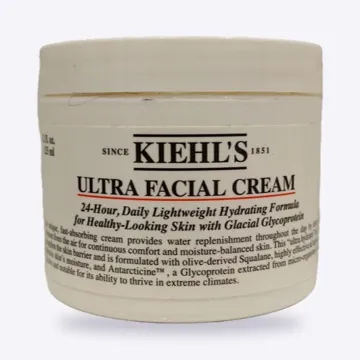
Ultra Facial Cream
Classic 24-hour cream when the drugstore texture is the dealbreaker.
Suits: Dry, Normal, Combination skin
From Pori's catalogue. Amazon links carry our Associates tag: Pori earns from qualifying purchases, at no cost to you. No brand pays to be listed. Photos: Open Beauty Facts contributors, CC BY-SA 3.0.
What about combination and sensitive skin?
For combination skin, the AAD's advice is to moisturize the dry spots and skip the oily areas. In practice, a gel-cream across the face works for many people, with a dab of cream on dry cheeks. If your cheeks are dry and your T-zone shines, see oily T-zone, dry cheeks.
For sensitive skin, texture matters less than a short, fragrance-free ingredient list. The AAD advises avoiding products with alcohol and fragrance if your skin is dry, and the same caution applies to gels that use alcohol or menthol for a cooling feel. Check for fragrance, essential oils and denatured alcohol before choosing either. Our best moisturizer for sensitive skin roundup and damaged skin barrier guide go further.
Should you switch between gel and cream by season?
Many people do well with a gel in summer and a cream in winter. In humid air, humectants have more water to work with, so a gel often feels like enough. Cold, dry and heated air pulls water out faster, so the seal from a cream matters more. The same goes for travel and climate: our guides to skin type and climate and the winter skincare routine explain how to adjust. You can also split by time of day: a gel under sunscreen in the morning and a cream at night.
How can you tell a gel from a cream on the ingredient list?
Names like "water cream," "gel-cream" and "emulsion" aren't standardized, so the ingredient list is a better guide than the jar. Look at the first eight or so ingredients:
- Gel signals: water and humectants first, a gelling agent such as carbomer, polyacrylamide or an acrylate copolymer early on, and few or no fatty alcohols, butters or oils.
- Cream signals: fatty alcohols such as cetearyl or cetyl alcohol, emulsifiers such as glyceryl stearate, and butters, oils or petrolatum in the top half of the list.
- Gel-cream signals: a gel base with a silicone, squalane or a light oil added, and sometimes a small amount of fatty alcohol.
"Oil-free" usually means no plant or mineral oils. The product can still contain silicones, esters and fatty alcohols that feel emollient, so oil-free doesn't always mean weightless. If you're acne-prone, a "non-comedogenic" label is a reasonable first filter, and introducing one new product at a time makes it easier to spot what suits you. Our guide on how to read skincare ingredient labels walks through the order rules.
How do you tell if you've picked the wrong texture?
- Too light: tightness or flaking within a few hours, makeup catching on dry patches, fine lines that look worse by afternoon.
- Too heavy: shine soon after applying, sunscreen pilling, or new small bumps after a few weeks. Rule out other new products first.
- Right: skin feels comfortable through the day, neither tight nor greasy.
Whichever you choose, apply it to slightly damp skin, after serums and before sunscreen. Browse by skin type in moisturizers for oily skin, moisturizers for dry skin, combination skin and sensitive skin, or the full moisturizer catalogue.
Frequently asked questions
Is a gel moisturizer better than a cream?
Neither is better overall. Gels are lighter and suit oily, acne-prone skin and humid weather. Creams contain more oil, seal in water better and suit dry, mature or sensitive skin and cold weather.
Is gel moisturizer good for dry skin?
Usually not on its own. Gels rely on humectants and contain little oil to stop water evaporating. If you have dry skin, the AAD suggests starting with a cream or ointment instead, or putting a cream over a gel.
Is a gel-cream the same as a gel?
Not quite. A gel-cream is a gel with some emollients added, so it feels a little richer and seals in a little more water. It suits combination and oily but dehydrated skin.
Can a cream moisturizer cause acne?
Some people break out from heavy creams, but a cream doesn't automatically clog pores. If you're acne-prone, look for a non-comedogenic label, introduce one product at a time and watch for new bumps over a few weeks.
Should I use a gel moisturizer in winter?
If your skin is oily, a gel may still be enough. Most people find they need more seal in cold, dry air, so switch to a gel-cream or cream, or add a cream at night.
Do I still need a moisturizer if I have oily skin?
Often yes, especially if you use acne treatments. The AAD says a daily moisturizer can help skin tolerate them, and suggests a lightweight gel for oily skin.
Sources
- American Academy of Dermatology: How to pick the right moisturizer for your skin
- American Academy of Dermatology: Moisturizer: Why you may need it if you have acne
- American Academy of Dermatology: Dermatologists' top tips for relieving dry skin
- Purnamawati S et al. The Role of Moisturizers in Addressing Various Kinds of Dermatitis: A Review. Clin Med Res, 2017 (PubMed)
- INKEEDecoder: Neutrogena Hydro Boost Water Gel (ingredients)
- INKEEDecoder: Isntree Onion Newpair Gel Cream (ingredients)
- INKEEDecoder: Kiehl's Ultra Facial Cream (ingredients)
- Clinique: Moisture Surge 100H Auto-Replenishing Hydrator
- CeraVe: Moisturizing Cream
Pori is a wellness and skincare education app, not a medical device. This article is for general information and isn't medical advice. For anything that worries you, see a dermatologist.