Pori
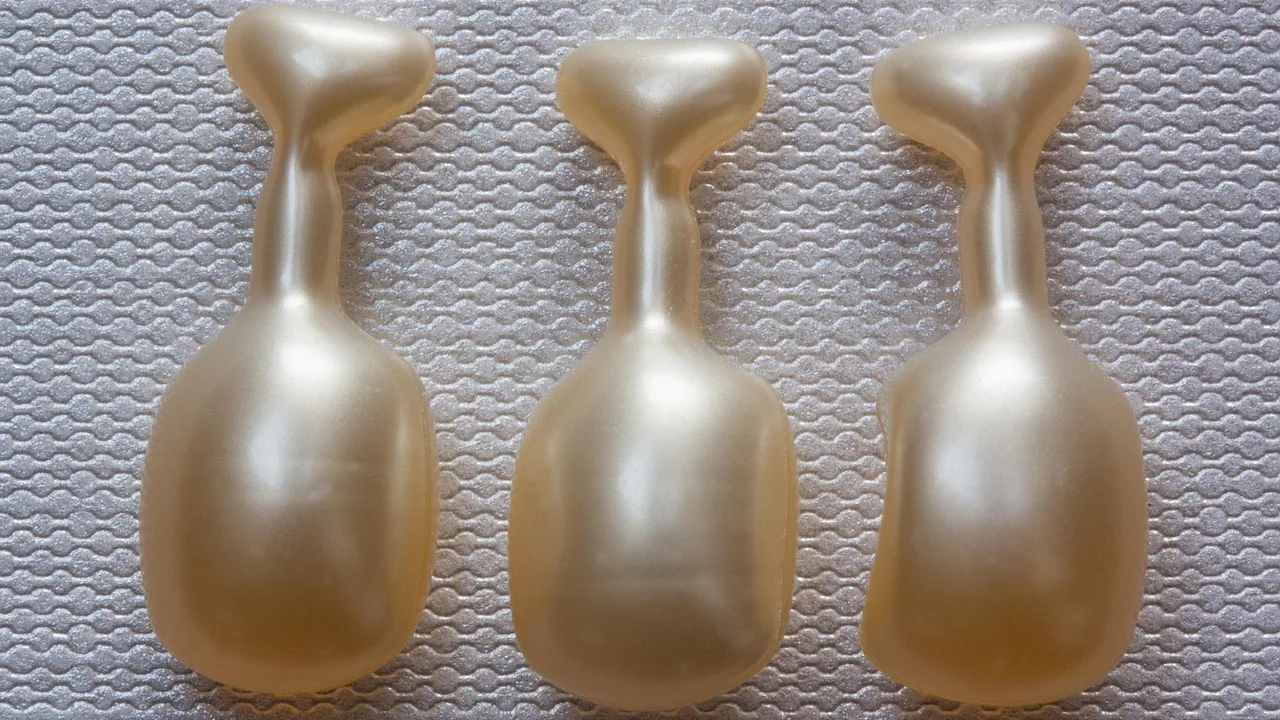
- An ampoule is a concentrated serum; the name comes from sealed medical vials and has no legal definition.
- Many ampoules are just a brand's strongest serum, so check the ingredient list and any stated percentage.
- Apply it in the serum step: toner, essence, serum or ampoule, moisturizer, then sunscreen in the morning.
- Most routines don't need one; some are meant for short courses, so follow the box.
An ampoule is a concentrated serum, usually sold as a brand's most intensive treatment step. The name comes from the sealed glass vials used in medicine, and K-beauty brands borrowed it to signal potency. "Ampoule" has no legal definition, so many are simply serums with a different label. You apply one after toner or essence and before moisturizer, and many are meant for short courses rather than daily use.
Because the name tells you little, the ingredient list matters most. You can scan an ampoule's barcode or label with the ingredient scanner in Pori to see what it actually contains and check it against your skin type. It reads the formula; it doesn't diagnose skin conditions.
Below we explain where the word comes from, how an ampoule differs from a serum and an essence, the main kinds you'll see, how to use one and whether you need one at all. This guide is based on dermatologist guidance and published ingredient lists; we did not test these products on skin. For the broader picture of thin layers, see serum vs. moisturizer vs. essence.
What is an ampoule in skincare?
In pharmacy, an ampoule is a small sealed glass vial holding one dose of a liquid. Board-certified dermatologist Dr. Jane Yoo explains that the skincare term comes from the medical and pharmaceutical world, and that K-beauty borrowed it to suggest strength. She describes ampoules as the most concentrated of the three thin layers (essence, serum, ampoule), typically with a higher share of active ingredients, and adds that many "ampoules" today are simply a brand's term for their most concentrated serum.
Today the word is mostly about positioning. Cleveland Clinic lists ampoules alongside serums and essences as Korean preparations that are new to Western audiences, and places a face oil, serum or ampoule as one interchangeable treatment step.
What is the difference between an ampoule, a serum and an essence?
| Essence | Serum | Ampoule | |
|---|---|---|---|
| Texture | Thin and watery | Light; thicker than an essence | Usually like a serum, sometimes thicker |
| Main job | Light hydration | Delivers one or two targeted actives | A more concentrated or intensive version of a serum |
| How long you use it | Daily | Daily | Daily or in short courses; check the box |
| Where it goes | After toner | After essence | In the serum step |
| Do you need it? | Optional | Useful for a specific concern | Optional |
Dr. Yoo describes essences as thin formulas whose primary job is hydration, and serums as more concentrated formulas built around specific active ingredients. Ampoules are the step up from a serum. The labels aren't standardized, though, and brands use all three words loosely, so a watery "serum" and a thick "ampoule" can sit side by side on the same shelf.
Are ampoules really more concentrated than serums?
Sometimes, but not reliably. Dr. Yoo says ampoules are generally more concentrated, yet because the term isn't regulated you should check the actual active ingredient percentage rather than trust the name. This is a common gap in cosmetics: the FDA notes that marketing terms such as "hypoallergenic" and "fragrance-free" have no federal standard or definition, and "ampoule" is in the same position.
A best-selling example shows why. SKIN1004 Madagascar Centella Ampoule ($15.99 for 55 ml at Target, November 2026) has seven listed ingredients: water, glycerin, butylene glycol, centella asiatica extract, 1,2-hexanediol, cellulose gum and ethylhexylglycerin. That is a short, gentle, soothing formula, and many people like it for exactly that reason. But it isn't stronger than a centella serum in any measurable way, and Target's listing presents it as a daily serum-step product. Our best centella products and SKIN1004 guide cover it in more detail.
What kinds of ampoules are there?
Ampoules come in the same families as serums. Sort them by the lead ingredient, not the word on the front:
- Hydrating: built on hyaluronic acid, glycerin or panthenol. Gentle for most skin types; put moisturizer on top.
- Soothing: centella asiatica, panthenol or similar calming ingredients, aimed at redness and sensitive skin.
- Brightening: niacinamide or a form of vitamin C for dull skin and dark marks. See our types of vitamin C guide if the label lists a derivative.
- Firming or anti-aging: peptides or a retinoid. Treat a retinoid ampoule like any retinoid: at night, a few times a week at first. Our types of retinoids guide shows how strong each form is.
How do you use an ampoule?
Use it in your serum step. Dr. Yoo's practical order is toner, then essence, then serum or ampoule, then moisturizer, then sunscreen in the morning, which matches Cleveland Clinic's advice to layer products from lightest to heaviest. A few rules make it work:
- Follow the box. Dr. Yoo notes that some ampoules are made for daily use, while many are designed for short-term, intensive courses, such as two weeks on and then a break.
- Use a few drops. A concentrated product needs only enough to cover the face thinly.
- Don't double up. If your ampoule and your serum target the same thing, pick one. Two vitamin C or two retinoid products in one routine add irritation, not results.
- Add one new product at a time. Cleveland Clinic dermatologist Dr. Vij recommends adding products very slowly, since adding several at once means you won't know what's effective or harmful.
- Patch test first. The AAD suggests applying a new product to a quarter-sized spot, such as the inner arm, twice daily for seven to 10 days before using it on your face. Our patch test guide walks through it.
For how an ampoule fits around other serums, see how to layer serums and Korean skincare routine steps.
What does a routine with an ampoule look like?
Keep it short. One example for normal to dry skin using a hydrating or soothing ampoule:
- Morning: gentle cleanser, toner or essence if you use one, a few drops of ampoule, moisturizer, then a broad-spectrum sunscreen of SPF 30 or higher.
- Night: cleanser, ampoule, moisturizer. On retinoid nights, Cleveland Clinic suggests using retinols and retinoids instead of a serum, so let the retinoid take the treatment step and skip a strong active ampoule that night.
If your ampoule contains an active such as vitamin C, a retinoid or an exfoliating acid, treat it like any serum with that active. Vitamin C usually sits in the morning under sunscreen, and retinoids and acids go at night on different nights. A plain hydrating ampoule can go in both routines. Our ingredients not to mix guide lists the pairings that tend to irritate.
Do you need an ampoule?
Most people don't. Dr. Yoo calls essences and ampoules additive layers for people who want extra hydration or a short-term boost, and says they are not mandatory steps. Cleveland Clinic's dermatologist doesn't recommend a 10-step routine, noting that people given one are probably going to do two or three of those steps reliably.
An ampoule can make sense if you like the ritual of a short intensive course, if your skin is dehydrated after travel or a harsh winter, or if a specific ampoule's formula suits you better than the serums you've tried. Skip it if you already use a serum for the same concern, if your skin is easily irritated by stacked products, or if the main difference is price. A plain serum often does the same job for less.
The Ordinary Hyaluronic Acid 2% + B5 and Niacinamide 10% + Zinc 1% are two inexpensive serums that cover the hydrating and brightening jobs many ampoules promise. Our types of serums guide explains each serum family.
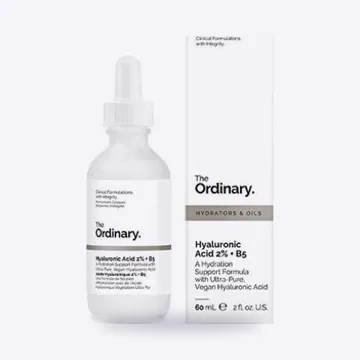
Hyaluronic Acid 2% + B5
Water-binding layer under moisturiser for tight, thirsty skin.
Suits: Dry, Normal, Combination, Oily, Sensitive skin
Niacinamide 10% + Zinc 1%
The cheapest proven way to calm shine and blur pore appearance.
Suits: Oily, Combination, Normal skin
From Pori's catalogue. Amazon links carry our Associates tag: Pori earns from qualifying purchases, at no cost to you. No brand pays to be listed. Photos: Open Beauty Facts contributors, CC BY-SA 3.0.
How do you choose a good ampoule?
- Read the first five ingredients. The lead active should appear near the top. If it sits below the preservatives, the "concentrated" claim is mostly marketing.
- Look for a stated percentage. It's the only way to compare strength across brands, as Dr. Yoo advises.
- Check for fragrance. The FDA notes that fragrance ingredients may be listed simply as "fragrance" or "perfume" without naming each one, which matters if your skin is sensitive. See fragrance and essential oils in skincare.
- Match packaging to the active. Vitamin C and retinoids break down with air and light, so prefer opaque, airtight packaging for those.
- Compare price per milliliter. Bottle sizes vary a lot, so the sticker price alone can mislead.
Browse the serum catalogue to filter by skin type and concern, or see the best Korean serums for ampoules and serums we've compared.
Frequently asked questions
What is an ampoule in skincare?
A concentrated serum, usually a brand's most intensive treatment step. The name comes from sealed glass vials used in medicine. It has no legal definition, so the ingredient list tells you more than the word.
Is an ampoule the same as a serum?
Close to it. An ampoule is generally a more concentrated serum, and many are just a brand's strongest serum under another name. It goes in the same step of your routine.
Do you use an ampoule before or after serum?
Usually instead of a serum that targets the same concern. If you use both, apply the thinner one first, after toner or essence and before moisturizer.
Can you use an ampoule every day?
Some are made for daily use and others for short courses, such as two weeks on and then a break. Follow the directions on the box.
What is the difference between an essence and an ampoule?
An essence is a thin, watery layer mainly for light hydration, applied after toner. An ampoule is a more concentrated serum-step product built around active ingredients.
Are ampoules worth it?
Only if the formula suits you better than a regular serum. Most routines don't need one, and an ampoule that repeats your serum's job mostly adds cost and the chance of irritation.
Sources
- Jane Yoo, MD: Essence vs. Serum vs. Ampoule: What's Actually the Difference?
- Cleveland Clinic: Korean Skin Care Routines: What You Need To Know
- Cleveland Clinic: The Correct Order for Skin Care Products
- American Academy of Dermatology: How to test skin care products
- U.S. Food and Drug Administration: Allergens in Cosmetics
- Target: SKIN1004 Madagascar Centella Ampoule, 55 ml (ingredients and price)
Pori is a wellness and skincare education app, not a medical device. This article is for general information and isn't medical advice. For anything that worries you, see a dermatologist.