Pori
- Micellar water suits light makeup, oils and balms suit full coverage and water-resistant sunscreen, and two-phase removers handle waterproof eye makeup.
- Cream-to-water melters and milks suit dry or sensitive skin; wipes are for travel because they need rubbing.
- Match the remover to the makeup so you rub less, and follow an oil or balm with a gentle cleanser.
- On the eyes, press and hold before wiping, and never remove eye makeup in a moving vehicle, as the FDA advises.
The main types of makeup remover are micellar water, cleansing oils, cleansing balms, two-phase (bi-phase) eye removers, cream-to-water melters and milks, and pre-soaked wipes or pads. Micellar water handles light makeup, oils and balms handle full coverage and water-resistant sunscreen, and a two-phase remover is the one made for waterproof mascara. Wipes are convenient, but they need the most rubbing.
Once you've picked a type, you can scan a remover's barcode or label with the ingredient scanner in Pori to check it for fragrance, oils and other ingredients against your skin type.
Below we explain how each type dissolves makeup, which makeup it suits, how to use it on the eyes, and which skin types should skip it. This guide is based on dermatology guidance, FDA advice and each brand's ingredient list; we did not test these products on skin.
Why does the type of makeup remover matter?
Makeup is built to stay put. Long-wear foundation, waterproof mascara and water-resistant sunscreen use film-formers, silicones and waxes that water and a mild face wash do not shift easily. A remover works by dissolving those ingredients so you can lift them off rather than scrub them. The American Academy of Dermatology (AAD) advises people with acne to remove all makeup, including eye makeup, before bed and to wash gently without scrubbing.
Rubbing matters for every skin type. A small study from a cleanser maker found that switching people with mild facial eczema to a remover that needed less rubbing reduced dryness, redness and itch over four weeks. The right type for your makeup means less friction.
Types of makeup remover at a glance
| Type | How it removes makeup | Best for | Skip or take care if |
|---|---|---|---|
| Micellar water | Mild surfactants on a cotton pad | Light makeup, sensitive skin, mornings | Waterproof mascara, heavy foundation |
| Cleansing oil | Oils or esters dissolve makeup, then emulsify with water | Full makeup, water-resistant sunscreen | You won't do a second cleanse |
| Cleansing balm | Solid oil that melts on skin | Full makeup on dry or normal skin | Fragrance-sensitive skin (many have essential oils) |
| Two-phase eye remover | Water layer plus silicone or oil layer, shaken | Waterproof mascara, long-wear liner, lip stain | Oily film bothers you |
| Cream-to-water melter or milk | Emollient cream that loosens makeup, wiped or rinsed off | Dry or sensitive skin | Very oily or acne-prone skin |
| Wipes and pads | Pre-soaked cloth or pad | Travel, gym, quick eye cleanup | Sensitive skin; needs rubbing |
What are the main types of makeup remover?
Micellar water
Micellar water is water with a small amount of mild surfactant that forms tiny clusters (micelles) that grab oil and makeup. You soak a cotton pad, press it on, and wipe. It needs no rinsing, though rinsing helps sensitive skin. It is gentle and fast, but it removes less than an oil or balm, and most standard versions do not shift waterproof mascara.
Examples: Bioderma Sensibio H2O, which Bioderma says does not remove waterproof makeup, and Garnier Micellar Cleansing Water All-in-1. Garnier sells a separate version for waterproof makeup. Our best micellar water roundup and Garnier vs Bioderma comparison go deeper.
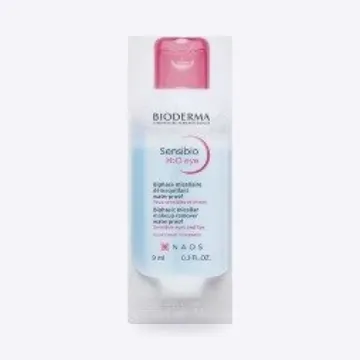
Sensibio H₂O Micellar Water
Face cleanser. Fragrance-free.
Suits: Normal, Dry, Oily, Combination, Sensitive skin
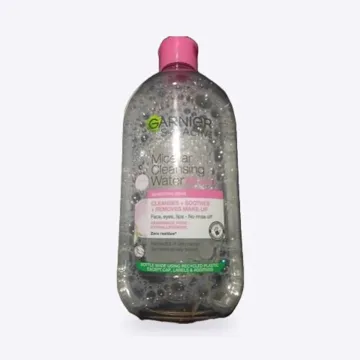
Micellar Cleansing Water All-in-1
Face cleanser with glycerin. Fragrance-free.
Suits: Normal, Dry, Oily, Combination, Sensitive skin
From Pori's catalogue. Amazon links carry our Associates tag: Pori earns from qualifying purchases, at no cost to you. No brand pays to be listed. Photos: Open Beauty Facts contributors, CC BY-SA 3.0.
Cleansing oils
Cleansing oils use plant oils, mineral oil or synthetic esters to dissolve makeup and sunscreen, plus emulsifiers so they turn milky and rinse off with water. You massage the oil onto dry skin, add a little water, and rinse. Most people follow with a regular face wash, the method our double cleansing guide explains.
Example: Clinique Take The Day Off Cleansing Oil, which uses synthetic esters and no fragrance; Clinique does not recommend it for the eye area. Oily and acne-prone skin can use oils too, as long as they rinse off fully; see best cleansing oil for makeup removal.
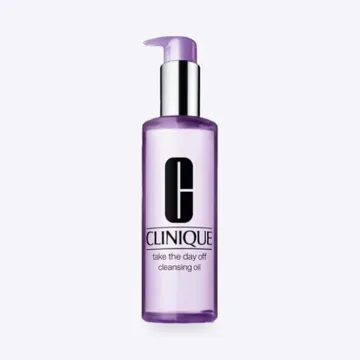
Take The Day Off Cleansing Oil
Face cleanser with tocopherol and glycerin. Fragrance-free.
Suits: Normal, Dry, Oily, Combination, Sensitive skin
From Pori's catalogue. Amazon links carry our Associates tag: Pori earns from qualifying purchases, at no cost to you. No brand pays to be listed. Photos: Open Beauty Facts contributors, CC BY-SA 3.0.
Cleansing balms
A balm is a cleansing oil in solid form. It melts as you massage it in and turns milky when you add water. Balms feel cushioned, travel without leaking, and suit dry skin and heavy makeup. Many contain essential oils or fragrance, so read the list if you're sensitive.
Example: Clinique Take The Day Off Cleansing Balm, with nine ingredients and no fragrance. Our best cleansing balm roundup compares cheaper options.
Two-phase (bi-phase) eye makeup removers
These have two visible layers, usually water and a silicone such as dimethicone or an oil. You shake to mix them, and the silicone layer dissolves waterproof mascara and long-wear liner. They are made for eyes and lips, not the whole face.
Examples: Clinique Take The Day Off Makeup Remover for Lids, Lashes & Lips and Neutrogena Oil-Free Eye Makeup Remover, which uses silicones despite the oil-free label. Both are listed as ophthalmologist tested.
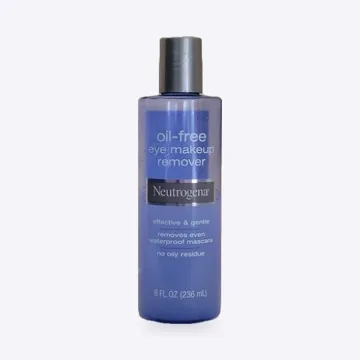
Oil-Free Eye Makeup Remover
Face cleanser with aloe vera, allantoin and glycerin. Fragrance-free.
Suits: Normal, Dry, Oily, Combination, Sensitive skin
From Pori's catalogue. Amazon links carry our Associates tag: Pori earns from qualifying purchases, at no cost to you. No brand pays to be listed. Photos: Open Beauty Facts contributors, CC BY-SA 3.0.
Cream-to-water melters and cleansing milks
These are lotions or creams with emollients that loosen makeup. Some, like CeraVe's Cream-to-Water Make Up Melter, change texture as you massage them, then wipe off with a pad. Cleansing milks are softer still. They suit dry and sensitive skin that dislikes oils, and some handle waterproof makeup. Very oily or acne-prone skin may find them heavy; check the list for esters such as isopropyl palmitate.
Makeup wipes and pre-soaked pads
Wipes and pads are micellar water or a light cleanser soaked into cloth. They are handy away from a sink, but they rely on rubbing and leave cleanser on the skin. If you use them, choose fragrance-free ones, press rather than scrub, and wash your face afterward when you can. Example: Almay Oil Free Micellar Eye Makeup Remover Pads, listed as fragrance-free and ophthalmologist tested.
Which makeup remover should you use for each kind of makeup?
- Tinted moisturizer, light foundation, brow gel: micellar water, then rinse or a gentle wash.
- Full-coverage or long-wear foundation: a cleansing oil or balm, then a second cleanse.
- Water-resistant or mineral sunscreen: an oil or balm loosens the film; a single gentle wash may leave residue.
- Waterproof mascara and liner: a two-phase eye remover or the oil you already use on your face, if the brand allows it near the eyes.
- Long-wear lip color: a two-phase remover on a pad, held for a few seconds.
- No makeup, just sunscreen and sweat: most people only need their regular face cleanser.
Which makeup remover type suits your skin?
- Sensitive or reactive: fragrance-free micellar water or a fragrance-free balm; see best makeup remover for sensitive skin.
- Dry: balms, melters and milks that leave some softness behind.
- Oily or acne-prone: oils that rinse clean, followed by a gel wash; the AAD suggests an oil-free remover if you have acne.
- Contact lens wearers: a remover labeled safe for contact lenses, used before you take lenses out or after, as the brand directs.
What should you check on a makeup remover's label?
Whatever the type, the same few ingredients decide how it treats your skin:
- Fragrance and essential oils. Look for "fragrance" or "parfum," and for oils such as lavender, rosemary or citrus peel, plus allergens such as linalool and limonene. Our guide to fragrance and essential oils explains why they matter for sensitive skin.
- Drying alcohol. Alcohol denat. high on the list of a wipe or toner-style remover can leave skin tight; see is alcohol in skincare bad.
- Heavy esters and oils. If you break out easily, check oils and balms for ingredients you already know you react to, and make sure they rinse off fully.
- Eye-area claims. "Ophthalmologist tested" and "safe for contact lenses" are brand claims, not regulated standards, but a remover without them is not meant for the eyes.
- Directions. Some removers are no-rinse, some must be rinsed, and a few say both. When in doubt, rinse.
How do you remove eye makeup safely?
The skin on the eyelids is thin, so the rules are about being gentle. Soak a pad, hold it on the closed eye for a few seconds, and wipe down once. Use a cotton swab for the lash line. The FDA advises being careful not to scratch the eye when applying or removing eye cosmetics, never to do it in a moving vehicle, and to throw out mascara two to four months after you open it. Skip eye makeup if your eye is infected or the skin around it is inflamed.
What are the most common makeup removal mistakes?
- Sleeping in makeup. Even one remover pass is better than none.
- Scrubbing harder instead of switching products. If you need force, you need a stronger remover type.
- Skipping the second step after an oil or balm. Leftover oil can feel heavy on oily or acne-prone skin.
- Using a face oil near the eyes when the brand says not to. Some oils cloud vision or sting.
- Dirty tools. The AAD advises washing makeup brushes weekly and not sharing them.
Frequently asked questions
What are the different types of makeup remover?
Micellar water, cleansing oils, cleansing balms, two-phase eye removers, cream-to-water melters and milks, and pre-soaked wipes or pads. Each dissolves makeup in a different way and suits a different amount of makeup.
Which makeup remover is best for waterproof mascara?
A two-phase (bi-phase) remover. Its silicone or oil layer dissolves waterproof formulas. Shake it, hold a soaked pad on the closed eye for a few seconds, then wipe down once.
Is micellar water enough to remove makeup?
For light makeup, yes. For full-coverage foundation, long-wear products or water-resistant sunscreen, use an oil or balm first, then cleanse.
Is a cleansing balm better than a cleansing oil?
They work the same way: oils dissolve makeup and emulsifiers let them rinse off. Balms are solid and feel richer, which suits dry skin; oils spread faster and suit oilier skin.
Are makeup wipes bad for your skin?
Not harmful in themselves, but they need rubbing and leave cleanser behind. Use fragrance-free wipes when you have no sink, then wash your face when you can.
Do I need a makeup remover if I only wear sunscreen?
Usually not. A regular face wash removes most everyday sunscreens. Water-resistant and some mineral sunscreens come off more easily with an oil or balm first.
Sources
- American Academy of Dermatology: I have acne! Is it okay to wear makeup?
- American Academy of Dermatology: Face washing 101
- FDA: Eye cosmetic safety
- Hosokawa K et al. Rubbing the skin when removing makeup cosmetics is a major factor that worsens skin conditions in atopic dermatitis patients. J Cosmet Dermatol, 2021 (PubMed)
- Target: Bioderma Sensibio H2O Micellar Water
- Ulta: Clinique Take The Day Off Cleansing Oil
- Ulta: Clinique Take The Day Off Makeup Remover for Lids, Lashes & Lips
- Target: CeraVe Cream-to-Water Make Up Melter
Pori is a wellness and skincare education app, not a medical device. This article is for general information and isn't medical advice. For anything that worries you, see a dermatologist.