Pori

- Garnier belongs to L'Oréal; Bioderma belongs to the French company NAOS, which says it invented micellar water in 1995.
- Bioderma cleans with PEG-6 caprylic/capric glycerides and cetrimonium bromide; Garnier uses disodium cocoamphodiacetate and poloxamer 184, preserved with PHMB.
- For sensitive skin or itchy eyelids, Bioderma is the safer pick because it lists no biguanide preservative. Garnier is cheaper per ounce.
- Both are sold as no-rinse; rinsing is the safer habit for reactive skin, and a cleanser should follow sunscreen or heavy makeup.
Pick Bioderma Sensibio H2O if your skin or eyelids are sensitive: it is unfragranced and its short list has no polyaminopropyl biguanide, a preservative some people are allergic to. Pick Garnier Micellar Cleansing Water All-in-1 if you want the lower price, at $11.99 for 13.5 fl oz against $20.99 for 16.9 fl oz of Bioderma on the brands' US sites as of November 2026. Both clean with mild surfactants, both are sold as no-rinse, and rinsing afterward is the safer habit for reactive skin.
Before you buy, you can scan either bottle's barcode or label with the ingredient scanner in Pori to check its ingredients against your skin type. Pori flags ingredients; it doesn't diagnose skin conditions.
Below we compare who makes each one, what is in the bottle, how the surfactants differ, which suits sensitive skin, and whether you need to rinse. We compared published ingredient lists, brand claims and listed prices; we did not test these products on skin. Prices are from bioderma.us and garnierusa.com as of November 2026.
Who makes Garnier and Bioderma micellar water?
Garnier is a mass-market brand owned by L'Oréal. Garnier dates itself to 1904, when Alfred Amour Garnier, a hairdresser in Blois, France, created a plant-based hair lotion. It launched its first Micellar Cleansing Water in 2013, and Garnier says more than five units sell every second worldwide.
Bioderma belongs to NAOS, a French company founded by pharmacist-biologist Jean-Noël Thorel. NAOS dates the first Bioderma products to 1977 and says Bioderma invented micellar water technology in 1995, calling Sensibio H2O the first micellar water. That claim comes from the company itself. NAOS also owns Institut Esthederm and Etat Pur, and it is not part of L'Oréal.
What is the difference between Garnier and Bioderma micellar water?
The main differences are the cleansing agents, the preservative and the price. Both are mostly water with a small amount of surfactant, which forms tiny clusters called micelles that grab oil and makeup when you press a soaked pad on your skin. Our best micellar water guide explains how micellar water works in more detail.
| Bioderma Sensibio H2O | Garnier Micellar Cleansing Water All-in-1 | |
|---|---|---|
| Owner | NAOS (France) | L'Oréal |
| Cleansing agents | PEG-6 caprylic/capric glycerides; cetrimonium bromide | Disodium cocoamphodiacetate; poloxamer 184 |
| Other ingredients | Sugars (fructooligosaccharides, mannitol, xylitol, rhamnose), cucumber fruit extract, propylene glycol, disodium EDTA | Hexylene glycol, glycerin, disodium EDTA |
| Preservative | No biguanide listed | Polyaminopropyl biguanide (PHMB) |
| Fragrance | Unfragranced, per Bioderma | Free of fragrance, oil and alcohol, per Garnier |
| Rinse | No-rinse, per the brand | No-rinse, per the brand |
| Price | $20.99 for 16.9 fl oz (bioderma.us); sizes from $6.99 | $11.99 for 13.5 fl oz (garnierusa.com) |
Per ounce, Garnier works out at about $0.89 and Bioderma at about $1.24 at those list prices. Drugstore sales often narrow the gap, so compare at your usual store. Ingredient lists can change, and both brands say the package is the final word.
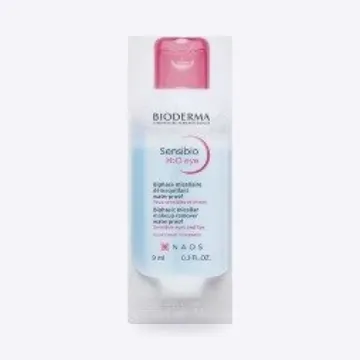
Sensibio H₂O Micellar Water
Face cleanser. Fragrance-free.
Suits: Normal, Dry, Oily, Combination, Sensitive skin
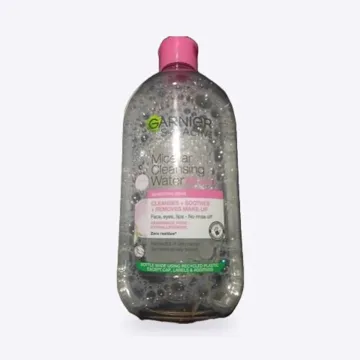
Micellar Cleansing Water All-in-1
Face cleanser with glycerin. Fragrance-free.
Suits: Normal, Dry, Oily, Combination, Sensitive skin
From Pori's catalogue. Amazon links carry our Associates tag: Pori earns from qualifying purchases, at no cost to you. No brand pays to be listed. Photos: Open Beauty Facts contributors, CC BY-SA 3.0.
How do the formulas and surfactants differ?
Each bottle relies on a pair of cleansing agents, and they come from different families.
- Bioderma uses PEG-6 caprylic/capric glycerides, a mild, non-ionic surfactant, plus cetrimonium bromide. Cetrimonium bromide is a quaternary ammonium compound used in cosmetics as a surfactant and antimicrobial. The Cosmetic Ingredient Review panel found it safe in rinse-off products and in leave-on products at up to 0.25%. Bioderma doesn't publish its concentration.
- Garnier uses disodium cocoamphodiacetate, a mild amphoteric surfactant made from coconut fatty acids, and poloxamer 184. The Cosmetic Ingredient Review panel describes poloxamers as surfactants, emulsifiers, cleansing agents and solubilizers in cosmetics. Garnier adds glycerin as a humectant and hexylene glycol as a solvent.
Neither list includes fragrance or essential oils. Bioderma's list adds sugars and cucumber extract. Garnier's adds a preservative that matters for one group of people, covered below.
Both brands make other versions. Garnier sells a Micellar Cleansing Water for Waterproof Makeup that adds cyclopentasiloxane and isohexadecane, with decyl glucoside as the surfactant, which suits long-wear mascara better than the original. Bioderma sells Sébium H2O for combination and oily skin. Our types of face cleansers guide explains how micellar water fits among other cleansers.
Which is better for sensitive skin, Garnier or Bioderma?
On paper, Bioderma. Both are fragrance-free, and both brands say their product suits sensitive skin. The difference is the preservative. Garnier All-in-1 contains polyaminopropyl biguanide, also called PHMB. In a Swedish patch-testing study of 1,760 people with suspected contact allergy, 1.1% reacted to PHMB, and the face, head and neck were the most common sites of their rashes. Belgian dermatologists have suggested biguanide allergy might explain some cases of unresolved eyelid dermatitis, and a 2026 report in the journal Dermatitis described micellar water as a new source of biguanide allergy.
That is a small share of people, so it is no reason for everyone to avoid Garnier. It is a reason to choose a biguanide-free option such as Bioderma, or to rinse, if your eyelids or face stay itchy and red despite gentle care. If symptoms persist after you simplify, a dermatologist can patch test you for specific allergies.
The cotton pad can matter as much as the formula. In a Japanese study of 35 women with mild atopic dermatitis on the face, switching to a makeup remover that needed less rubbing significantly reduced dryness, scaling, redness and itch over four weeks. So soak the pad well, hold it on your skin for a few seconds, and wipe gently. Garnier suggests 3 to 5 seconds, and Bioderma suggests holding the pad on closed eyelids before wiping for heavy makeup. Our sensitive skin routine builds a full plan around reactive skin.
Which is better for oily or acne-prone skin?
Neither original formula treats acne, and both are fine as a first cleanse. For oily skin, Bioderma makes a dedicated version, Sébium H2O, and the brand says its zinc gluconate and copper sulfate help purify the skin and leave it feeling refreshed. Those are brand claims without published independent testing. Garnier All-in-1 is labeled for all skin types and is the cheaper bottle for daily use.
For breakout-prone skin, the habit matters more than the brand. Rinse or follow with a gentle wash, so less residue stays on your pores overnight. The American Academy of Dermatology also warns that sleeping in makeup can cause breakouts, even with non-comedogenic products, so a few swipes of micellar water beat going to bed with makeup on. If you need an acne cleanser, our best face wash for acne covers salicylic acid and benzoyl peroxide washes.
Do you need to rinse Garnier or Bioderma micellar water?
Neither brand requires it. Bioderma calls Sensibio H2O a no-rinse formula and suggests following it with its own toner, and Garnier says All-in-1 needs no rinsing and leaves no residue. For most people, skipping the rinse is fine for a quick cleanse.
The case for rinsing is simple. When you skip it, whatever stays on your face after the pad, including surfactant and preservative, remains in contact with your skin for hours. For skin that reacts to one of those ingredients, a splash of lukewarm water shortens that contact to seconds. We suggest rinsing if your skin is sensitive, eczema-prone or acne-prone, and especially with a formula that contains PHMB.
- Soak a cotton pad and hold it on closed eyes for a few seconds.
- Wipe the rest of your face with fresh pads until they come away clean.
- Splash with lukewarm water, or follow with a gentle cleanser if you wore sunscreen or full makeup.
- Pat dry and moisturize.
Is micellar water enough to remove makeup and sunscreen?
For a no-makeup morning or a light evening, yes. For long-wear foundation, waterproof mascara or daily sunscreen, use it as a first step. Garnier itself describes micellar water as the first step in a routine, used before a second cleanser. The American Academy of Dermatology recommends washing your face once in the morning, once at night and after heavy sweating, with a gentle cleanser and lukewarm water.
A good follow-up is a gentle, fragrance-free wash. Cetaphil Gentle Skin Cleanser and CeraVe Hydrating Facial Cleanser both suit dry or sensitive skin; see our CeraVe vs Cetaphil comparison to choose. If you wear sunscreen every day, a cleansing oil does the first step more thoroughly; our guides to cleansing oils and double cleansing explain when two steps are worth it.
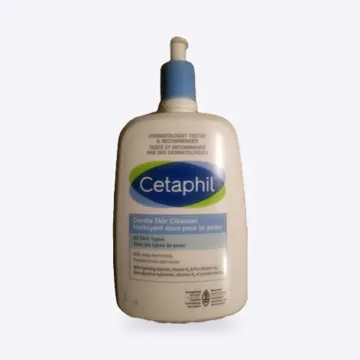
Gentle Skin Cleanser
The default gentle cleanser most dermatologists start people on.
Suits: Dry, Normal, Sensitive skin
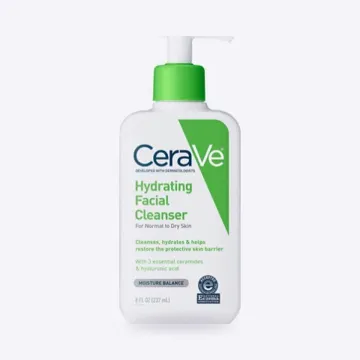
Hydrating Facial Cleanser
Creamy non-foaming wash that leaves the moisture barrier intact.
Suits: Dry, Normal, Sensitive, Combination skin
From Pori's catalogue. Amazon links carry our Associates tag: Pori earns from qualifying purchases, at no cost to you. No brand pays to be listed. Photos: Open Beauty Facts contributors, CC BY-SA 3.0.
So, Garnier or Bioderma: which should you buy?
- Pick Bioderma Sensibio H2O if you have sensitive skin, itchy eyelids or a known reaction to PHMB, or if you want the shortest preservative-light list.
- Pick Garnier All-in-1 if your skin is easygoing and you want the lower price per ounce, or pick Garnier's waterproof version for long-wear eye makeup.
- Either way, rinse if your skin is reactive and follow with a cleanser after sunscreen or heavy makeup.
For a wider field, including CeraVe's micellar water, see our best micellar water roundup, or browse cleansers for sensitive skin in our catalogue.
Frequently asked questions
Is Bioderma better than Garnier micellar water?
For sensitive skin, Bioderma Sensibio H2O is the safer pick on paper because it lists no polyaminopropyl biguanide. For easygoing skin, Garnier All-in-1 cleans in a similar way and costs less per ounce.
Do you need to rinse Garnier or Bioderma micellar water?
Both brands say no. Rinsing is still a good habit for sensitive, eczema-prone or acne-prone skin, because whatever stays on the skin includes the surfactant and preservative.
Why does Garnier micellar water make my eyes itch?
Some people are allergic to its preservative, polyaminopropyl biguanide (PHMB). In one patch-test study, 1.1% of people tested reacted to it. If itching persists, stop the product and ask a dermatologist about patch testing.
Who makes Bioderma?
NAOS, a French company founded by pharmacist-biologist Jean-Noël Thorel. NAOS dates the first Bioderma products to 1977 and also owns Institut Esthederm and Etat Pur. Garnier belongs to L'Oréal.
Is Garnier micellar water fragrance-free?
Yes. Garnier says All-in-1 is free of fragrance, oil and alcohol, and no fragrance appears in its ingredient list. Bioderma describes Sensibio H2O as unfragranced.
Can micellar water replace face wash?
On a no-makeup morning, yes. After sunscreen, long-wear makeup or a workout, use it as a first step and follow with a gentle cleanser.
Sources
- Bioderma: Sensibio H2O Micellar Water (US product page and ingredients)
- Garnier: Micellar Cleansing Water All-in-1 (US product page and ingredients)
- Garnier: Micellar Cleansing Water for Waterproof Makeup
- NAOS: Our story
- Cosmetics Business: The untold story of Garnier's Micellar Cleansing Water (2026)
- Garnier UK: Our heritage
- Final report on the safety assessment of cetrimonium chloride, cetrimonium bromide and steartrimonium chloride. Int J Toxicol, 1997
- Sukakul T et al. Contact allergy to polyhexamethylene biguanide (polyaminopropyl biguanide). Contact Dermatitis, 2021 (PubMed)
- Hosokawa K et al. Rubbing the skin when removing makeup cosmetics is a major factor that worsens skin conditions in atopic dermatitis patients. J Cosmet Dermatol, 2021 (PubMed)
- American Academy of Dermatology: Face washing 101
Pori is a wellness and skincare education app, not a medical device. This article is for general information and isn't medical advice. For anything that worries you, see a dermatologist.