Pori
- The current US version, Cicapair Soothing Color Correcting Treatment SPF 30, is a Drug Facts sunscreen with zinc oxide 14.6% and titanium dioxide 3.1%.
- It replaced the Tiger Grass version in 2025: more zinc oxide, 55 ml instead of 50 ml, and no lavender, grapefruit, rosemary, chamomile or rosewood oils.
- Good for redness-prone skin that wants a fragrance-free mineral SPF with a green-to-beige tint; it covers redness and doesn't treat rosacea.
- $54 for 55 ml at drjart.com and Sephora as of November 2026, with a 15 ml mini at $25; use a full layer if it's your only sunscreen.
Dr. Jart+ Cicapair Color Correcting Treatment is a green-to-beige cream that tones down the look of redness and doubles as a US drug-labeled mineral sunscreen: the current SPF 30 version uses only zinc oxide (14.6%) and titanium dioxide (3.1%), both filters the FDA accepts. It suits people who want to cover redness with one fragrance-free step. At $54 for 55 ml it's expensive, and it hides redness while you wear it without treating the cause.
To check how its ingredient list fits your own skin type, you can scan the tube's barcode or label with the ingredient scanner in Pori. Pori reads the label; it does not diagnose skin conditions.
The product was reformulated and renamed in 2025, from Cicapair Tiger Grass Color Correcting Treatment to Cicapair Soothing Color Correcting Treatment SPF 30. Below we compare both labels, walk through the current ingredient list, explain who it suits and who should skip it, and cover the price, how to use it, the Cicapair cream and the alternatives. We compared published ingredient lists, brand claims and listed prices; we did not test these products on skin.
What is Dr. Jart+ Cicapair?
Cicapair is Dr. Jart+'s line for redness and sensitive skin, built around centella asiatica, the plant nicknamed "tiger grass". Dr. Jart+ is a Korean brand made by Have & Be Co. and owned by the Estée Lauder Companies, both named on the US drug label. The line's best-known product is the color correcting treatment, a thick green cream that turns beige as you blend it. The line also includes a cream, a serum mask and other steps on the brand's Cicapair page.
Is Cicapair Color Correcting Treatment a real sunscreen?
Yes. In the US it's sold as an over-the-counter sunscreen drug with a Drug Facts label, listed on DailyMed. The current label, Cicapair Soothing Color Correcting Treatment Cica Complex Broad Spectrum SPF 30, lists two active ingredients:
- Zinc oxide 14.6%
- Titanium dioxide 3.1%
These are the only two sunscreen filters the FDA has proposed as generally recognized as safe and effective. That sets it apart from many Korean sunscreens, which use UV filters not approved by the FDA and reach the US as imports; our Korean vs American sunscreen guide and best Korean sunscreen roundup explain. It isn't water resistant, and the label says to apply it liberally 15 minutes before sun exposure and reapply at least every two hours.
The catch is the amount. SPF 30 assumes a full, even layer. Many people dab on a thin film of a color corrector, which gives less protection than the label number. If you rely on it as your only sunscreen, use a generous layer and reapply; our guide to how much sunscreen to use shows what that looks like.
What changed in the 2025 reformulation?
Two Drug Facts labels sit on DailyMed. The older Tiger Grass Color Correcting Treatment label comes in 50 ml with zinc oxide 5.8% and titanium dioxide 2.8%. The new Soothing version, on a label dated April 2025, comes in 55 ml with far more zinc oxide.
| Detail | Old: Tiger Grass Color Correcting Treatment SPF 30 | New: Soothing Color Correcting Treatment SPF 30 |
|---|---|---|
| Size | 50 ml / 1.69 fl oz | 55 ml / 1.85 fl oz |
| Active ingredients | Zinc oxide 5.8%, titanium dioxide 2.8% | Zinc oxide 14.6%, titanium dioxide 3.1% |
| Essential oils | Lavender, grapefruit peel, rosemary, chamomile, rosewood; limonene, linalool | None listed |
| Centella | Leaf extract, whole extract, cell culture, madecassoside | Leaf extract, asiaticoside, madecassic acid, asiatic acid |
| New additions | None | Niacinamide, allantoin, palmitoyl tripeptide-8 |
The biggest change for sensitive skin is that the essential oils are gone. The old label is still listed on DailyMed, and older tubes may still turn up with marketplace sellers, so check the name and the 55 ml size before you buy. The current list matches a 2025 upload on INKEEDecoder.
What's in it? The current ingredient list explained
The inactive ingredients on the current US label: water, isononyl isononanoate, C12-15 alkyl benzoate, glycerin, butyloctyl salicylate, lauryl PEG-10 tris(trimethylsiloxy)silylethyl dimethicone, lauryl polyglyceryl-3 polydimethylsiloxyethyl dimethicone, caprylic/capric triglyceride, triheptanoin, synthetic fluorphlogopite, disteardimonium hectorite, magnesium sulfate, pentylene glycol, beeswax, centella asiatica leaf extract, niacinamide, allantoin, glyceryl caprylate, asiaticoside, madecassic acid, asiatic acid, palmitoyl tripeptide-8, caprylyl glycol, butylene glycol, polyglyceryl-4 oleate, sodium stearoyl glutamate, tocopherol, dimethicone, corn starch, silica dimethyl silylate, aluminum hydroxide, hydrogenated lecithin, stearic acid, sodium surfactin, isopentyldiol, propanediol, zein, dextran, triethoxycaprylylsilane, iron oxides, titanium dioxide (as a pigment) and chromium oxide greens.
- The base: water with emollients (isononyl isononanoate, C12-15 alkyl benzoate, caprylic/capric triglyceride, triheptanoin) and silicone emulsifiers that hold a water-in-oil cream. Glycerin adds hydration. Butyloctyl salicylate is an emollient that helps disperse the minerals.
- The color: chromium oxide greens give the green tint, and iron oxides and pigment-grade titanium dioxide turn it beige. Synthetic fluorphlogopite is a mica-like mineral that adds slip and a soft sheen. Green sits opposite red on the color wheel, which is why it neutralizes redness; the AAD notes that a green-tinted concealer can camouflage redness.
- The centella: leaf extract plus three purified compounds (asiaticoside, madecassic acid, asiatic acid), in the middle of the list. Our centella guide covers the evidence for soothing.
- The extras: niacinamide, allantoin, tocopherol (vitamin E) and a peptide, palmitoyl tripeptide-8, all at modest levels.
- Thickeners and texture: beeswax, disteardimonium hectorite, stearic acid, corn starch and silica dimethyl silylate, which help the semi-matte finish.
Dr. Jart+ calls it fragrance-free and dermatologist tested, and says it evens tone, conceals visible irritation and blemish marks, and wears for up to 12 hours with a semi-matte finish.
Who is it for, and who should skip it?
It's a good fit if you:
- Have redness on the cheeks or nose and want to tone it down without full foundation.
- React to chemical UV filters and want a mineral SPF with a tint.
- Want one fragrance-free step between moisturizer and makeup.
Think twice if you:
- Want to treat rosacea or acne redness: it hides redness while you wear it. Persistent redness, flushing, bumps or visible vessels deserve a diagnosis; a dermatologist can prescribe treatments that reduce it. See types of rosacea and red acne marks.
- Have deep skin: it comes in one shade, and the beige finish may not match deeper tones. Our best sunscreen for dark skin roundup has options without a white cast.
- Have very oily, breakout-prone skin: it's a rich, wax- and silicone-thickened cream. Patch test on a breakout-prone area first.
- Are allergic to beeswax or zinc: both are on the list, though allergies are uncommon.
- Want high protection for long outdoor days: SPF 30 without water resistance is fine for daily errands; for sport or the beach, use a water-resistant sunscreen.
The label warns not to use it on damaged or broken skin and to stop and ask a doctor if a rash occurs. If you have rosacea, the AAD also suggests mineral sunscreens and fragrance-free products, and this one checks both boxes. Our patch test guide explains how to try it first.
How much does it cost, and where can you buy it?
As of November 2026, drjart.com lists the 55 ml (1.85 fl oz) tube at $54, about $29 an ounce. Sephora sells the same size at $54 and a 15 ml mini for $25, and it's also listed on Amazon. That's a lot for a sunscreen, so the price only makes sense if you'd otherwise buy a separate color corrector or concealer. Buy from the brand or a large retailer: older formulas and counterfeits circulate, as our guide on where to buy Korean skincare in the US explains.
How do you use it?
- Cleanse and apply your usual moisturizer, then let it sink in.
- Apply the treatment as the last skincare step, before makeup, as the brand directs. Warm a pea-sized amount between your fingers and pat it over red areas first, then blend outward.
- If it's your only sunscreen, use enough to cover the whole face evenly, 15 minutes before going out.
- Reapply at least every two hours outdoors, or after swimming, sweating or towel drying.
It can sit over a plain sunscreen if you only want it for color. For the Korean routine order, see Korean skincare routine steps.
What about the Cicapair cream?
The line's moisturizer, listed at Sephora as Cicapair Tiger Grass Cream and on Amazon as Cicapair Sensitive Skin Moisturizer for Redness, costs $52 for 50 ml at Sephora. It's a centella cream; older versions on INKEEDecoder, such as this 2018 Tiger Grass Cream list, included lavender, grapefruit, rosemary, chamomile and rosewood oils. Check the current box for essential oils if your skin reacts to them. If you want a cica cream for less, our best centella products roundup compares options, and La Roche-Posay Cicaplast Baume B5 is a well-known fragrance-free alternative.
What are the best alternatives?
- A tinted mineral sunscreen: evens tone and protects for less. Our best tinted sunscreen and best mineral sunscreen for sensitive skin roundups compare them.
- A fragrance-free moisturizer with SPF: one step for barrier care and protection.
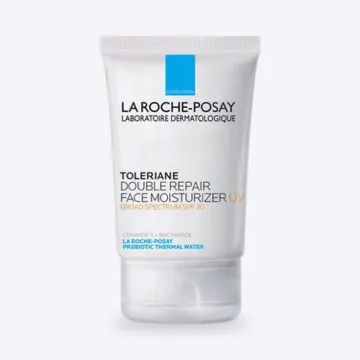
Toleriane Double Repair Face Moisturizer UV SPF 30
SPF 30 sunscreen with niacinamide, avobenzone and homosalate. Fragrance-free.
Suits: Normal, Dry, Oily, Combination, Sensitive skin
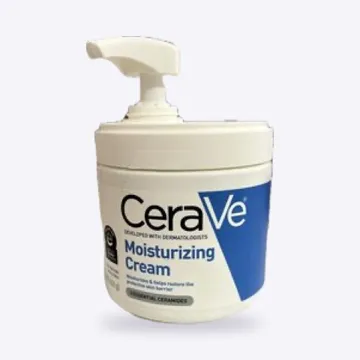
Moisturizing Cream
Thick ceramide cream for skin that dries out by midday.
Suits: Dry, Normal, Sensitive skin
From Pori's catalogue. Amazon links carry our Associates tag: Pori earns from qualifying purchases, at no cost to you. No brand pays to be listed. Photos: Open Beauty Facts contributors, CC BY-SA 3.0.
- Something that treats redness: ask a dermatologist. Prescription options for rosacea, such as azelaic acid, treat the cause of the redness.
Our best moisturizer for rosacea guide and rosacea triggers list cover the daily basics.
Is Dr. Jart+ Cicapair Color Correcting Treatment worth it?
For people with redness who want a fragrance-free mineral SPF and a color corrector in one, yes, and the 2025 formula is easier on sensitive skin than the old one with its five essential oils. It's pricey, it comes in one shade, and it only covers redness while you wear it. Apply it generously if it's your sunscreen. For more Korean skincare, visit the K-beauty hub or read about Korean skincare brands.
Frequently asked questions
Is Dr. Jart+ Cicapair Color Correcting Treatment a sunscreen?
Yes. In the US it carries a Drug Facts label as a Broad Spectrum SPF 30 sunscreen. The current version uses zinc oxide 14.6% and titanium dioxide 3.1%, both mineral filters the FDA accepts.
Did Dr. Jart+ change the Cicapair color corrector formula?
Yes. In 2025 the Tiger Grass Color Correcting Treatment was replaced by the Soothing Color Correcting Treatment SPF 30. The new label has much more zinc oxide, a 55 ml tube and no essential oils.
Is Cicapair Color Correcting Treatment fragrance-free?
The current version is. Dr. Jart+ calls it fragrance-free, and its ingredient list has no essential oils. The older Tiger Grass version listed lavender, grapefruit, rosemary, chamomile and rosewood oils.
Is Dr. Jart+ Cicapair good for rosacea?
It can hide rosacea redness, and it's a fragrance-free mineral sunscreen, which the AAD suggests for rosacea. It doesn't treat rosacea, so see a dermatologist for redness that lasts.
Can I use Cicapair Color Correcting Treatment instead of foundation?
Many people use it as a light base. It comes in one green-to-beige shade with a semi-matte finish, so it may not match deeper skin tones and gives sheer coverage.
Do I need sunscreen under Cicapair?
Not if you apply a full, even layer and reapply every two hours outdoors. If you only dab it on red areas, wear a separate sunscreen underneath.
Sources
- DailyMed: Cicapair Soothing Color Correcting Treatment Cica Complex Broad Spectrum SPF 30 (Drug Facts label, Have & Be Co.)
- DailyMed: Dr.Jart Cicapair Tiger Grass Color Correcting Treatment (Drug Facts label, older formula)
- Dr. Jart+: Cicapair Soothing Color Corrector Treatment SPF 30 (price, claims, directions)
- Dr. Jart+: Cicapair line
- INKEEDecoder: Dr. Jart+ Cicapair Soothing Color Correcting Treatment SPF 30 (2025 upload)
- INKEEDecoder: Dr. Jart+ Cicapair Tiger Grass Cream (2018 upload)
- Sephora: Cicapair Soothing Color Correcting Treatment SPF 30
- FDA: Questions and answers on FDA's regulatory actions on OTC sunscreen
- American Academy of Dermatology: 6 rosacea skin care tips dermatologists give their patients
Pori is a wellness and skincare education app, not a medical device. This article is for general information and isn't medical advice. For anything that worries you, see a dermatologist.