Pori
- Now sold as Glycolic Acid 7% Exfoliating Toner (formerly Toning Solution): 7% glycolic acid at pH 3.5 to 3.9, alcohol-free and fragrance-free.
- It meets the US safety guidance for consumer AHAs (10% or less, pH 3.5 or higher), and the brand rules out sensitive, peeling or compromised skin.
- Start 2 to 3 evenings a week, keep retinoids and other acids for other nights, and wear sunscreen daily.
- $9.00 on theordinary.com as of November 2026, about $2.66 per oz for the 100 ml bottle.
The Ordinary Glycolic Acid 7% Exfoliating Toner is a cheap, alcohol-free AHA toner that smooths rough texture and brightens dull skin when you use it a few evenings a week. At 7% glycolic acid and a pH of about 3.6, it sits inside the US safety guidance for at-home AHAs, and at $9.00 it's one of the lowest-cost ways to try glycolic acid. Skip it if your skin is sensitive, peeling or already irritated, which The Ordinary itself says, and wear sunscreen every day while you use it.
Before you buy, you can scan the bottle's barcode or label with the ingredient scanner in Pori to check its ingredients against your skin type.
Below we cover the name change, every ingredient group, what the evidence says about glycolic acid, who should buy it and who should skip it, sizes and price per ounce, how to use it safely, and four alternatives. We compared published ingredient lists, brand claims and listed prices; we did not test these products on skin.
What is The Ordinary Glycolic Acid 7% toner, and did the name change?
Yes, the name changed. It used to be sold as Glycolic Acid 7% Toning Solution, and The Ordinary's US site now lists it as Glycolic Acid 7% Exfoliating Toner, though its FAQ still uses the old name. It's a water-based leave-on toner that the brand says smooths skin texture, evens tone and boosts radiance. The page lists it as alcohol-free, oil-free, silicone-free and vegan, and also says it can be applied to the scalp.
| Detail | What The Ordinary states |
|---|---|
| Active | Glycolic acid 7% |
| pH | 3.5 to 3.9 (about 3.6) |
| Key ingredients | Glycolic acid, aloe leaf water, Panax ginseng root extract, Tasmannia lanceolata (Tasmanian pepperberry) extract |
| Format | Water-based toner, alcohol-free, oil-free, silicone-free |
| Use | Once daily at most, ideally in the evening; start 2 to 3 times a week |
| Not for | Sensitive, peeling or compromised skin |
| Sizes | 100 ml and 240 ml |
| Price (November 2026) | $9.00 on theordinary.com |
What's in The Ordinary Glycolic Acid toner? The full ingredient list explained
The Ordinary's page names only the key ingredients and says the list may vary by time and region. The most complete public list, on INKEEDecoder (formerly INCIDecoder), reads: water, glycolic acid, Rosa damascena flower water, Centaurea cyanus flower water, aloe barbadensis leaf water, propanediol, glycerin, triethanolamine, aminomethyl propanol, Panax ginseng root extract, Tasmannia lanceolata fruit/leaf extract, aspartic acid, alanine, glycine, serine, valine, isoleucine, proline, threonine, histidine, phenylalanine, glutamic acid, arginine, PCA, sodium PCA, sodium lactate, fructose, glucose, sucrose, urea, hexyl nicotinate, dextrin, citric acid, polysorbate 20, gellan gum, trisodium ethylenediamine disuccinate, sodium chloride, hexylene glycol, potassium sorbate, sodium benzoate, 1,2-hexanediol and caprylyl glycol. That list was first uploaded years ago, so treat the box as the final word. Here's what the groups do.
- Glycolic acid: the exfoliant, second on the list at 7%.
- Triethanolamine and aminomethyl propanol: bases that partly neutralize the acid and set the pH at about 3.6. That buffering is why it's milder than a peel.
- Rose flower water, cornflower water and aloe leaf water: plant waters used as part of the water base.
- Propanediol, glycerin and hexylene glycol: humectants and solvents.
- Panax ginseng root extract: a plant extract the brand lists as a key ingredient.
- Tasmannia lanceolata extract: Tasmanian pepperberry. The Ordinary says it helps reduce irritation associated with exfoliation and may cause seasonal color variation in the liquid.
- Amino acids (aspartic acid through arginine), PCA, sodium PCA, sodium lactate, sugars and urea: a mix that mirrors the skin's own natural moisturizing factors. They help offset some of the dryness an acid can cause.
- Hexyl nicotinate: a niacin (vitamin B3) ester, present in a small amount.
- Dextrin, gellan gum and polysorbate 20: texture helpers and a solubilizer.
- Citric acid, trisodium ethylenediamine disuccinate and sodium chloride: pH adjuster, chelator and salt.
- Potassium sorbate, sodium benzoate, 1,2-hexanediol and caprylyl glycol: the preservative system.
No fragrance or drying alcohol appears on the list.
Does glycolic acid actually work?
Yes, for surface texture and dullness. Glycolic acid is an alpha hydroxy acid (AHA). Cleveland Clinic explains that, as the smallest AHA, glycolic acid can penetrate skin deeper than other AHAs, loosening the bonds between dead cells on the surface. A review of hydroxy acids notes that many preparations that contain hydroxy acids are both exfoliants and moisturizers, and that the 4% to 10% strengths in over-the-counter products sit well below the strengths above 20% used as chemical peels. One proposed mechanism is that AHAs loosen the calcium-dependent bonds between dead surface cells, though the authors say the details still need to be clarified. Cleveland Clinic adds that glycolic acid may help fade dark spots from mild sun damage or acne over time. For the full picture of strengths and side effects, read our glycolic acid guide.
Is 7% at pH 3.6 safe?
It fits the US safety guidance. The FDA summarizes the Cosmetic Ingredient Review's finding that AHA products for consumers are safe when the AHA concentration is 10 percent or less and the final product has a pH of 3.5 or greater, with directions to use daily sun protection. This toner's 7% and pH of 3.5 to 3.9 meet both conditions.
Why sunscreen isn't optional
The FDA describes a study in which four weeks of AHA use roughly doubled skin's sensitivity to UV-induced cell damage, an effect that reversed about a week after stopping. That's why The Ordinary's label tells you to use sunscreen, wear protective clothing and limit sun exposure while using it and for a week afterward.
Who is The Ordinary Glycolic Acid toner for, and who should skip it?
It suits you if you:
- Have normal, oily or combination skin that looks dull or feels rough.
- Want a low-cost first AHA and can commit to daily sunscreen.
- Have uneven tone from old sun damage or faded marks and want a gradual, gentle exfoliant. Our guide to dark marks after acne covers what else helps.
Look elsewhere if you:
- Have sensitive, peeling or compromised skin: The Ordinary says this formulation should not be used on sensitive, peeling, or compromised skin. If your barrier is struggling, read our guide to a damaged skin barrier first.
- Have rosacea or eczema: Cleveland Clinic lists sensitive skin, dry skin, rosacea and eczema among the reasons to be cautious. A PHA or a gentle mandelic acid product is usually easier; see our best exfoliator for sensitive skin.
- Use a retinoid on the same night: The Ordinary advises against using it in the same routine as retinoids and other direct acids. The AAD warns that exfoliating while using retinoids may worsen dry skin or even cause acne breakouts.
- Have a deeper skin tone and a history of dark marks: the AAD advises avoiding strong chemical or mechanical exfoliation with darker skin tones, since irritation can leave pigment behind. A 7% toner is mild, but start slowly and stop if you see redness.
- Mainly have blackheads or clogged pores: salicylic acid, an oil-soluble BHA, is the better match. Our AHA vs BHA guide explains why.
How much does The Ordinary Glycolic Acid toner cost?
As of November 2026, The Ordinary's US site lists the toner at $9.00, the price shown with the 100 ml bottle. A 240 ml bottle is also sold; check the site or your retailer for its current price.
| Size | Price on theordinary.com (November 2026) | Price per fl oz |
|---|---|---|
| 100 ml (3.4 fl oz) | $9.00 | About $2.66 |
| 240 ml (8.1 fl oz) | Not shown on the page | Check at purchase |
Because you only need a few drops on a cotton pad or your palm, a 100 ml bottle lasts months at two to three uses a week.
How do you use it?
- Patch test first, as The Ordinary advises. The AAD explains how to test a new product on a small area.
- In the evening, after cleansing and on dry skin, apply a small amount to the face and neck with a cotton pad or your fingers. Avoid the eye area. Don't rinse.
- Start two to three times a week and build up toward once daily only if your skin stays calm.
- Follow with a plain moisturizer. Keep retinoids, vitamin C and other acids for different nights.
- Wear broad-spectrum sunscreen every morning, and for a week after you stop.
A brief tingle can happen with any acid, but lasting burning, redness or peeling means stop. Our guide on how often to exfoliate your face has more on pacing, and what does toner do explains where an exfoliating toner fits in a routine.
What are the best alternatives to The Ordinary Glycolic Acid toner?
- The Ordinary Lactic Acid 10% + HA: a larger AHA molecule that is often gentler on dry skin, in serum form; the 5% version is milder still. See our Lactic Acid review.
- Paula's Choice Skin Perfecting 6% Mandelic Acid + 2% Lactic Acid Liquid Exfoliant: a fragrance-free AHA blend built around mandelic acid, a larger AHA. Our guide to mandelic acid for acne and dark skin explains when it's the better pick.
- Pixi Glow Tonic: a 5% glycolic toner at $18.00 for 3.4 fl oz at Target. Its ingredient list includes fragrance, so skip it if you react to fragrance.
- Paula's Choice 2% BHA Liquid Exfoliant: salicylic acid instead of glycolic, better for blackheads and oily skin. Read our 2% BHA review.
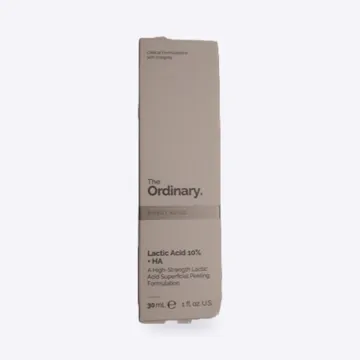
Lactic Acid 10% + HA
Leave-on exfoliant with lactic acid, hyaluronic acid and glycerin. Fragrance-free.
Suits: Normal, Dry, Oily, Combination skin
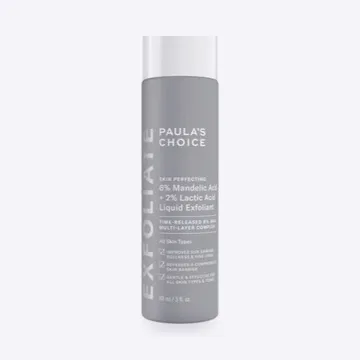
Skin Perfecting 6% Mandelic Acid + 2% Lactic Acid Liquid Exfoliant
Exfoliant with mandelic acid and lactic acid. Fragrance-free.
Suits: Normal, Dry, Oily, Combination, Sensitive skin
From Pori's catalogue. Amazon links carry our Associates tag: Pori earns from qualifying purchases, at no cost to you. No brand pays to be listed. Photos: Open Beauty Facts contributors, CC BY-SA 3.0.
For more, browse our exfoliants and toners, or read our best toner roundup and The Ordinary skincare guide.
Is The Ordinary Glycolic Acid 7% toner worth it?
Yes, if your skin is resilient and you want smoother, brighter skin for very little money. The formula is buffered to a pH that meets US safety guidance, carries no fragrance or drying alcohol, and adds humectants to soften the acid. The catches are the ones every AHA shares: it raises sun sensitivity, it can irritate if you overuse it or stack it with retinoids, and the brand itself rules out sensitive or compromised skin. Start slowly, protect your skin from the sun, and switch to lactic or mandelic acid if it stings.
Frequently asked questions
Is The Ordinary Glycolic Acid Toning Solution discontinued?
No. It was renamed. The Ordinary now sells it as Glycolic Acid 7% Exfoliating Toner, with the same 7% glycolic acid and a pH of about 3.6.
How often should I use The Ordinary Glycolic Acid toner?
The Ordinary says up to once daily, ideally in the evening, and suggests starting two to three times a week if you're new to acids. Build up only if your skin stays calm.
Can I use The Ordinary Glycolic Acid with retinol?
Not in the same routine. The Ordinary advises against combining it with retinoids and other direct acids. Use them on alternate nights, or ask a dermatologist if you use a prescription retinoid.
Does The Ordinary Glycolic Acid help dark spots?
It may help mild dark spots fade gradually by exfoliating the surface, and daily sunscreen is essential because AHAs raise sun sensitivity. Stubborn spots or melasma usually need other treatments.
Is The Ordinary Glycolic Acid good for sensitive skin?
No. The Ordinary says it should not be used on sensitive, peeling or compromised skin. Lactic or mandelic acid products, or a PHA, are usually easier on reactive skin.
Why does The Ordinary Glycolic Acid tingle?
A brief tingle is common with acids at a low pH. Burning that lasts, redness or peeling means your skin is irritated, so stop and let it recover.
Sources
- The Ordinary: Glycolic Acid 7% Exfoliating Toner (claims, pH, directions, warnings, price)
- INKEEDecoder: The Ordinary Glycolic Acid 7% Toning Solution (ingredient list)
- FDA: Alpha hydroxy acids
- Cleveland Clinic: How should you use glycolic acid?
- Kornhauser A, Coelho SG, Hearing VJ. Applications of hydroxy acids: classification, mechanisms, and photoactivity. Clin Cosmet Investig Dermatol, 2010 (PMC)
- American Academy of Dermatology: How to safely exfoliate at home
- American Academy of Dermatology: How to test skin care products
- Target: Pixi Glow Tonic 5% Glycolic Acid Exfoliating Toner (price and ingredients)
Pori is a wellness and skincare education app, not a medical device. This article is for general information and isn't medical advice. For anything that worries you, see a dermatologist.