Pori

- Post-inflammatory hyperpigmentation (PIH) is a flat tan, brown or blue-gray mark left where acne, eczema, a rash, a bite or an injury inflamed the skin.
- It is more common, darker and slower to fade on brown and black skin; red marks that fade when pressed are PIE, a different problem.
- Treat the cause, wear broad-spectrum SPF 30+ daily (a tinted iron-oxide formula helps) and add one ingredient such as azelaic acid; surface marks usually fade in 6 to 12 months.
- Hydroquinone has not been legal to sell over the counter in the US since the CARES Act took effect in 2020; it is prescription only.
Post-inflammatory hyperpigmentation (PIH) is a flat dark mark that stays behind after skin has been inflamed or injured, most often by a pimple, eczema, a bug bite, a burn or a scratch. It looks tan, brown, dark brown or blue-gray, sits exactly where the problem was, and has no bump or texture of its own. It is harmless and usually fades on its own over months, faster with daily sun protection and treatment of whatever caused it.
Pori does not diagnose skin conditions; its selfie scans and photo diary in Pori can help you keep dated, consistent photos to show a dermatologist and see whether treatment is working.
This guide covers how to recognize PIH on different skin tones, how to tell it from red marks and melasma, what triggers it, where hydroquinone stands in the US today, and when a dark spot needs a doctor. For a full ingredient-by-ingredient routine, see our companion guide on how to fade dark spots.
What does post-inflammatory hyperpigmentation look like?
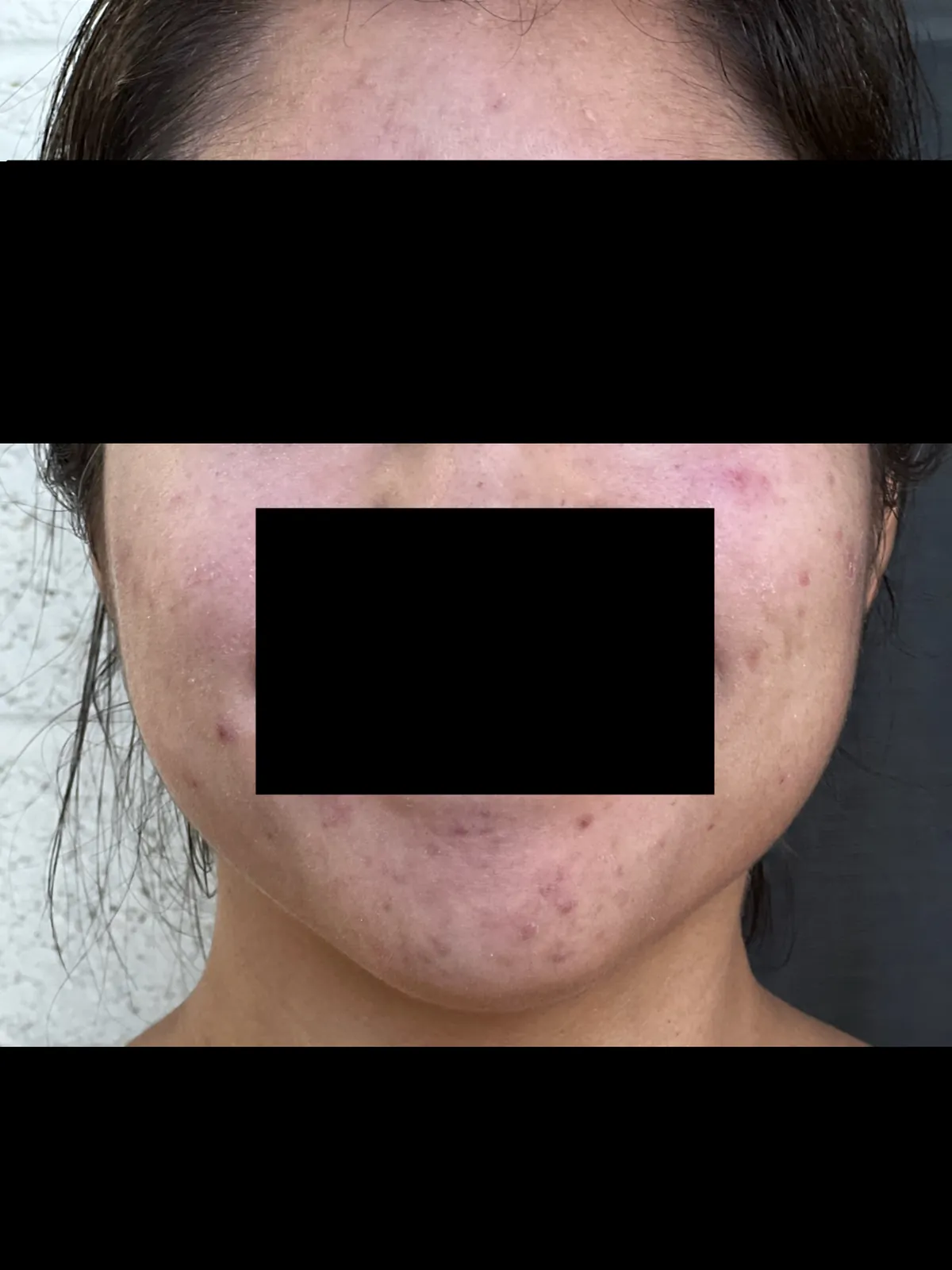
PIH is a patch of extra color with the same shape as the injury that caused it. After acne it shows up as round dots scattered where pimples were. After eczema or a rash it takes the outline of the rash. After a burn or a scratch it follows the burn or the scratch line. The skin surface is smooth: if you run a finger over it, you feel nothing, which helps separate it from a scar.
DermNet describes two depths. In the more common epidermal type, inflammation pushes pigment cells to make more melanin in the top layer of skin, and the patches look light brown to black and can darken in the sun. In the dermal type, pigment drops into the deeper layer, where it gives the skin a grey-purple-brown hue. The AAD says deeper discoloration that looks slate blue or gray, or a brown much darker than your skin tone can take years to fade.
PIH on light skin and on brown and black skin
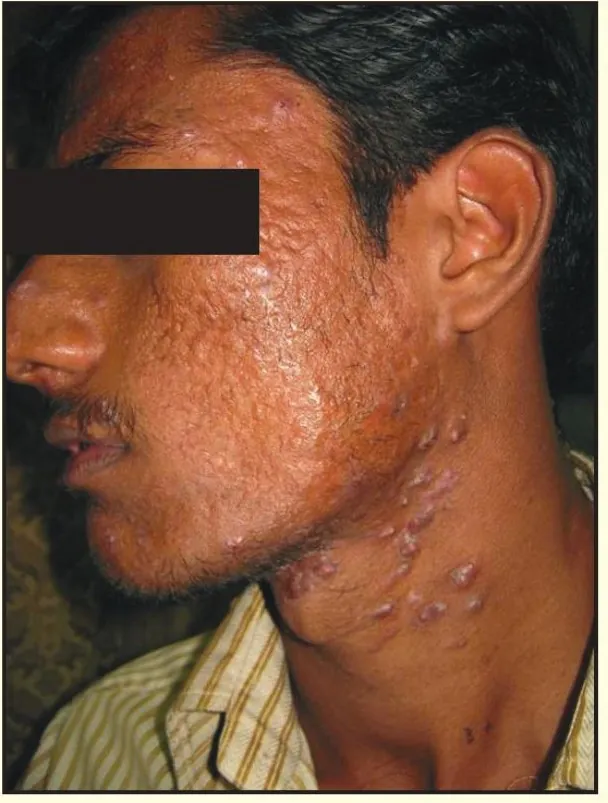
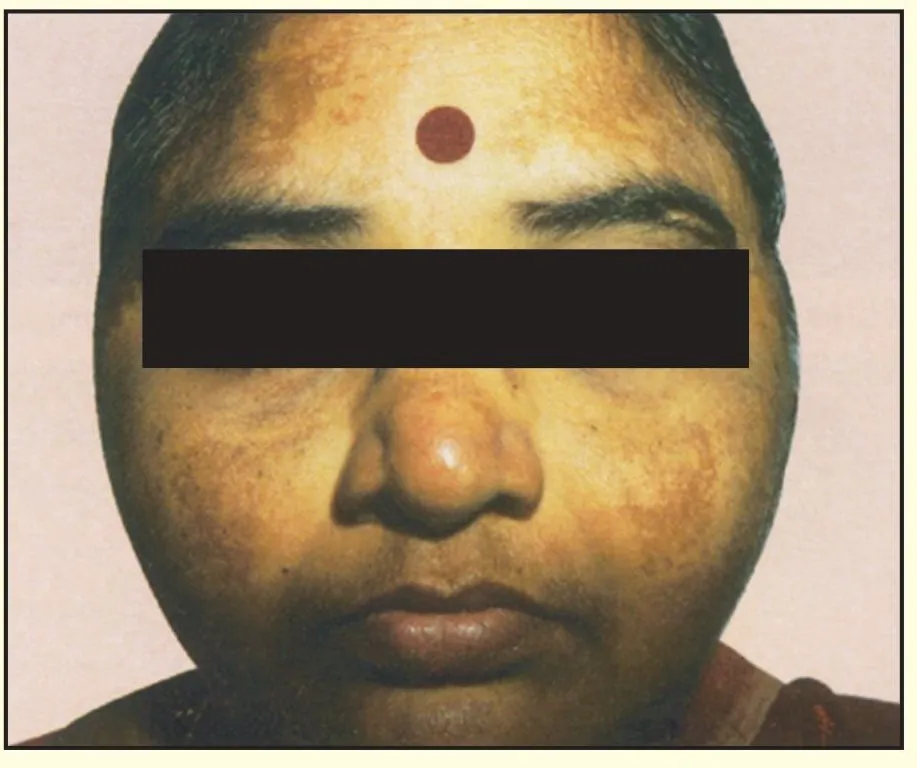
Anyone can get PIH. On light skin it is usually light to medium brown and often mixed with pink or red marks after acne. On brown and black skin it is more common, deeper in color and slower to leave. DermNet notes that in people with darker skin the colour tends to be more intense and lasts longer, and a review in the Journal of Clinical and Aesthetic Dermatology found PIH more frequent and more severe in skin of color, with acne a leading trigger. In one study it cites, acne-related PIH appeared in 65.3% of African American, 52.7% of Hispanic and 47.4% of Asian patients. The AAD says dark spots are one of the most common reasons people with darker skin tones see a dermatologist.
Where does PIH appear?
Anywhere skin has been inflamed. The face, jawline, chest and back are common because acne happens there. Knees, elbows and the backs of the hands are common after eczema. Shins and arms collect marks from bites, shaving and scratching, and the underarms and inner thighs can darken from friction.
PIH vs PIE: is your mark brown or red?
Red or purple marks after acne are usually a different thing called post-inflammatory erythema (PIE). PIE comes from widened small blood vessels, while PIH is extra pigment. A quick check is to press a clear glass or your fingertip on the mark: redness that fades under pressure and comes back is PIE, and brown that stays put is PIH. Many people, especially with light to medium skin, have both at once. Our guide to post-inflammatory erythema (red acne marks) walks through the press test and the treatments that help redness. The short version: brightening ingredients aimed at melanin help PIH and do little for PIE.
What causes post-inflammatory hyperpigmentation?
Any inflammation can switch on pigment cells. DermNet lists burns, inflammatory skin conditions such as dermatitis and eczema, infections, friction and irritation, and lichen planus-type rashes. The AAD's list adds healing bites and cuts, certain medications, and irritating skin or hair products. Common triggers in everyday life:
- Acne, especially picked or squeezed pimples.
- Eczema and contact dermatitis, plus the scratching that comes with them. See eczema on dark skin for how this looks.
- Psoriasis, which can leave dark marks as plaques clear.
- Razor bumps and ingrown hairs in the beard area, bikini line and legs.
- Bug bites, cuts, burns and waxing.
- Cosmetic procedures done too aggressively: strong peels, lasers or at-home tools that burn or irritate the skin.
- Irritating products, including a retinoid or acid started too fast.
Sun makes all of it worse. The review notes that PIH can worsen with ultraviolet (UV) irradiation or with persistent or recurrent inflammation, so a mark that keeps getting sun or keeps getting re-inflamed stays dark.
PIH is not contagious. It is leftover pigment, and nobody can catch it from you.
Could it be something else?
Several flat brown patches look like PIH. The main clue is history: PIH always follows something that inflamed the skin first.
| Condition | How it differs from PIH |
|---|---|
| Melasma | Matching patches on both cheeks, forehead or upper lip, with no rash or pimple before; linked to sun, visible light and hormones |
| Sun spots (solar lentigines) | Small, sharply edged spots on sun-exposed skin that build up over years |
| Post-inflammatory erythema | Pink, red or purple; fades when pressed |
| Acanthosis nigricans | Velvety, thickened dark skin in folds such as the neck and underarms |
| Dermatosis papulosa nigra | Small raised dark bumps on the cheeks; you can feel them |
| Lichen planus pigmentosus | Gray-brown patches on the face and neck that appear without an obvious rash first |
| Melanoma | A spot that is new, growing, uneven in color or with an irregular border |
How do you get rid of post-inflammatory hyperpigmentation?
Three steps, in this order: stop the inflammation, block the light, then add a fading ingredient. The AAD says to treat the cause first, since spots often fade once the trigger is gone. The PIH review agrees that management should begin with the underlying skin condition, because early treatment can shorten how long the marks last.
1. Treat what is causing it
If acne is still active, new marks will keep replacing the old ones. A steady acne routine, or a prescription from a dermatologist, does more for PIH than any brightening serum. The same goes for eczema, razor bumps or a product that irritates your skin. And keep your hands off: picking a pimple turns a small mark into a bigger, longer-lasting one.
2. Sunscreen every day
The AAD recommends a broad-spectrum SPF 30 or higher and suggests a tinted sunscreen that contains iron oxide, because iron oxide helps block visible light, which can also darken spots. A tint that matches your skin tone avoids a white cast. Reapply every two hours outdoors. Our guide to the best sunscreens for dark skin covers tints and clear formulas. Without daily sun protection, fading ingredients struggle to keep up.
3. Add one fading ingredient
The AAD lists azelaic acid, glycolic acid, kojic acid, retinoids and vitamin C among the over-the-counter options. Azelaic acid suits PIH well because it calms inflammation and slows pigment at the same time; over-the-counter serums are usually 10%, and prescription creams go up to 20%. Retinoids such as adapalene help when acne is the cause, since they treat both. Niacinamide and tranexamic acid are gentler, less-studied options. Our dark spot guide compares strengths and the evidence for each, and our azelaic acid guide explains how to start it.
Two options we would look at first: a clear, fragrance-free sunscreen that leaves no cast on deeper skin tones, and a 10% azelaic acid serum. You can scan any other product's barcode or label with the ingredient scanner in Pori to check it against your skin type.
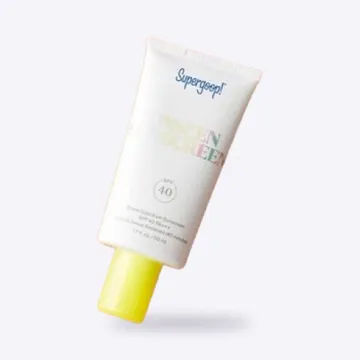
Unseen Sunscreen SPF 40
Dry, grippy finish — doubles as a primer, leaves no cast.
Suits: Oily, Combination, Normal skin
10% Azelaic Acid Booster
Works on redness and post-acne marks at the same time.
Suits: Sensitive, Combination, Oily, Normal skin
From Pori's catalogue. Amazon links carry our Associates tag: Pori earns from qualifying purchases, at no cost to you. No brand pays to be listed. Photos: Open Beauty Facts contributors, CC BY-SA 3.0.
Start one active at a time, a few nights a week. Irritation is itself inflammation, and on brown and black skin a burning, peeling face can leave new PIH on top of the old.
Is hydroquinone still sold over the counter in the US?
No. Hydroquinone 2% creams were sold over the counter for decades, but that changed with the CARES Act, the 2020 law that reformed how the FDA regulates over-the-counter drugs. Since then, over-the-counter skin lightening products with hydroquinone are treated as new drugs that need FDA approval, and products without approval had to come off the market effective September 23, 2020. In April 2022 the FDA sent warning letters to 12 companies still selling them, citing reports of skin rashes, facial swelling and ochronosis, a blue-black darkening of the skin. The AAD also notes that hydroquinone is no longer sold over the counter.
Hydroquinone is still available in the US with a prescription. A dermatologist may prescribe it, often for a limited period and sometimes combined with a retinoid and a mild steroid, and will watch for irritation and ochronosis. If you see a hydroquinone cream sold online or in a beauty shop without a prescription, the FDA considers it illegally marketed. The AAD also warns that some imported lightening products have been found to contain undisclosed steroids or mercury, so skip them.
What can a dermatologist do for stubborn PIH?
- Prescription creams: hydroquinone, tretinoin, stronger azelaic acid, or a combination cream.
- Chemical peels: superficial peels such as glycolic or salicylic acid. The PIH review notes they are generally well tolerated in darker skin when the agent and strength are chosen carefully, since an overly strong peel can cause new pigment problems.
- Lasers: used with care in darker skin, where the wrong settings can cause more discoloration. Evidence for PIH is limited, and DermNet notes these physical treatments do not help the deeper dermal type.
- Treating the cause: often the biggest win, for example a prescription acne plan.
How long does PIH take to fade?
According to the AAD, a spot a few shades darker than your skin usually fades within 6 to 12 months, while deeper blue-gray or very dark marks can take years. Treatment shortens the surface type more than the deep type. Expect to wait 8 to 12 weeks before judging any new product, and take photos in the same light each time, since day-to-day changes are too small to see in a mirror.
When should you see a doctor about a dark spot?
- The spot appeared without any pimple, rash or injury before it
- It is raised, growing, bleeding, itchy or changing shape or color
- It has several colors, or uneven, blurry edges
- Marks keep appearing because acne or eczema is not under control
- Marks look blue-gray or slate, which suggests deeper pigment
- Three months of sunscreen and an over-the-counter ingredient have not helped
- Your skin darkened after using a lightening cream
A board-certified dermatologist can confirm what the spot is and plan prescription treatment. You can find a dermatologist near you.
Frequently asked questions
What is post-inflammatory hyperpigmentation?
It is a flat dark mark that forms after the skin has been inflamed or injured, for example by acne, eczema, a bite or a burn. Inflammation makes pigment cells produce extra melanin, which stays behind after the skin heals.
Is PIH permanent?
Usually not. The American Academy of Dermatology says a spot a few shades darker than your skin usually fades within 6 to 12 months. Deeper blue-gray marks can take years, and some may not fully fade.
How can I tell PIH from PIE?
Press on the mark. Red or purple that fades under pressure and returns is post-inflammatory erythema (PIE). Brown that does not change is PIH. Many people have both.
Can I buy hydroquinone over the counter in the US?
No. Since the CARES Act took effect in 2020, over-the-counter hydroquinone products need FDA approval, and the FDA warned companies in 2022 that were still selling them. Hydroquinone is available with a prescription.
Does PIH happen more on dark skin?
Yes. PIH is more common and more intense in brown and black skin, and it tends to last longer. Treating acne early and avoiding picking and irritation matter even more.
What is the best ingredient for PIH?
Daily sunscreen comes first. After that, azelaic acid, retinoids, vitamin C, kojic acid and glycolic acid are common over-the-counter options, and a dermatologist can prescribe hydroquinone or tretinoin for stubborn marks.
Sources
- American Academy of Dermatology: How to fade dark spots in darker skin tones
- DermNet: Postinflammatory hyperpigmentation
- Davis EC, Callender VD. Postinflammatory hyperpigmentation: a review of the epidemiology, clinical features, and treatment options in skin of color. J Clin Aesthet Dermatol, 2010 (PMC)
- Practical Dermatology: FDA cracks down on OTC hydroquinone products (April 2022)
- American Academy of Dermatology: Melasma: Diagnosis and treatment
- Sephora: Supergoop! Unseen Sunscreen SPF 40
- Paula's Choice: 10% Azelaic Acid Booster
Pori is a wellness and skincare education app, not a medical device. This article is for general information and isn't medical advice. For anything that worries you, see a dermatologist.