Pori
- Glass skin means smooth, even, well-hydrated skin that reflects light; the poreless gloss online comes partly from lighting and filters.
- AM: gentle cleanse, hydrating toner or essence, serum, light moisturizer, sunscreen. PM: oil cleanse if needed, cleanser, hydrating layers, moisturizer.
- Dry skin can layer more; oily and acne-prone skin does better with fewer, lighter layers and non-comedogenic products.
- Don't overdo exfoliation, sheet-mask time or layering; one mild exfoliant once or twice a week is plenty for most people.
A Korean glass skin routine is a gentle cleanse, two or three thin hydrating layers (a toner or essence and a serum), a light moisturizer and daily sunscreen, with a mild exfoliant once or twice a week. "Glass skin" means skin so smooth and hydrated that it reflects light evenly. The realistic goal is calm, plump, even skin; the poreless shine in videos also depends on light, makeup and filters.
As you build the routine, you can scan each product's barcode or label with the ingredient scanner in Pori to check it against your skin type. Pori reads the label; it does not diagnose skin conditions.
This guide gives a morning and evening plan using Korean product types, explains what each one does, and shows how to adjust it for dry, oily, acne-prone and sensitive skin. For the general version of the look, see our glass skin routine, and for the wider K-beauty picture, what is K-beauty. We compared published ingredient lists, brand claims and listed prices; we did not test these products on skin. Prices are as of November 2026, with the retailer named.
What does glass skin actually mean?
Glass skin is a K-beauty term for skin that looks clear, smooth and almost translucent, like a pane of glass. Three things create that look: a hydrated outer layer, a smooth surface and an even tone. Of these, hydration responds fastest. Humectants such as glycerin and hyaluronic acid pull water into the top layer of skin, and occlusive ingredients slow its loss, as a review of how moisturizers work explains. Smoothness comes from gentle exfoliation and time; even tone needs sunscreen and ingredients such as niacinamide.
What it cannot do: change your pore size permanently, remove texture from acne scars or make oily skin stop producing oil. If your skin is oily, a healthy "glass" look is a soft sheen in the right places.
What is the Korean glass skin routine in the morning?
- Gentle cleanse or water rinse. Oily skin: a low-pH gel cleanser such as COSRX Low pH Good Morning Gel Cleanser ($14 for 150 ml on cosrx.com; see our review). Dry or sensitive skin can rinse with water or use a hydrating cleanser.
- Hydrating toner. Pat on a watery toner with glycerin, panthenol or hyaluronic acid. Anua Heartleaf 77% Soothing Toner is fragrance-free and alcohol-free ($23 for 250 ml on anua.com; see our Anua review).
- Essence or serum. One targeted layer. A niacinamide serum for uneven tone, or a humectant essence such as COSRX Advanced Snail 96 Mucin Power Essence ($20.90 for 100 ml at Ulta; see our COSRX Snail 96 review).
- Light moisturizer. A gel cream for oily or combination skin, a lotion or cream for dry skin.
- Sunscreen. SPF 30 or higher, every morning, as the last step. In the US, look for a Drug Facts label. Round Lab Birch Juice Moisturizing UVLock SPF 45 ($24.99 for 1.69 oz at Ulta) is a US-labeled Korean option. Beauty of Joseon's famous Relief Sun has no US label; our Relief Sun review lists its US alternatives.
Sunscreen is the step that protects everything else. UV exposure drives uneven tone and rough texture over time, so a routine without it undoes its own work. Our guide to the best Korean sunscreens lists which have US labels, and Korean vs American sunscreen explains why the formulas differ.
What is the Korean glass skin routine at night?
- Oil cleanser, if you wore sunscreen or makeup. A cleansing oil or balm dissolves sunscreen and makeup. Cleveland Clinic describes double cleansing as an oil-based cleanser followed by a water-based one. On bare-skin days you can skip it. Our double cleansing guide explains how.
- Water-based cleanser. The same gentle cleanser as the morning.
- Hydrating toner or essence. One or two thin layers. Dry skin can pat a second layer of toner on top of the first.
- Serum. The evening is the place for stronger actives if you use them, such as a retinoid. Don't start a retinoid and an exfoliant in the same week.
- Moisturizer or sleeping mask. A slightly richer cream than in the morning. A sleeping mask, such as Laneige's Water Sleeping Mask, is a gel moisturizer meant to be left on overnight.
Once or twice a week: a mild chemical exfoliant in place of the serum. Lactic acid is a gentle choice; in an older study, topical lactic acid improved skin smoothness with regular use. A sheet mask can replace the toner step on dry days.
These Korean products from our catalogue fit the cleansing and hydrating steps. The Klairs oil is the deep-cleansing version and lists fragrance; COSRX's Hydrium cleanser is the gentler pick for dry skin, and the Purito toner is fragrance-free with panthenol and beta-glucan.
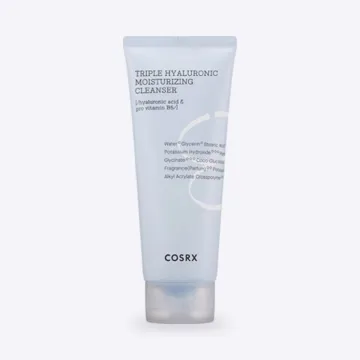
Hydrium Triple Hyaluronic Moisturizing Cleanser
Face cleanser with glycerin, panthenol and hyaluronic acid.
Suits: Normal, Dry, Oily, Combination skin
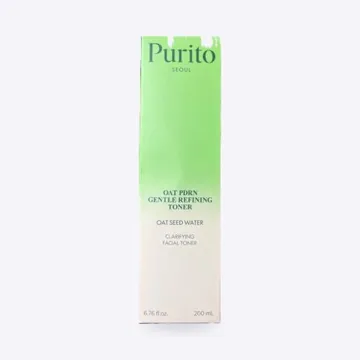
Purity Oat PDRN Gentle refining toner
Toner with panthenol, dipotassium glycyrrhizate and Beta-Glucan. Fragrance-free.
Suits: Normal, Dry, Oily, Combination, Sensitive skin
From Pori's catalogue. Amazon links carry our Associates tag: Pori earns from qualifying purchases, at no cost to you. No brand pays to be listed. Photos: Open Beauty Facts contributors, CC BY-SA 3.0.
Which product types do what?
| Product type | What it does | Key ingredients to look for | Example (price, November 2026) |
|---|---|---|---|
| Cleansing oil or balm | Dissolves sunscreen and makeup | Plant oils, esters, emulsifiers | Klairs Gentle Black cleansing oils |
| Low-pH cleanser | Cleans without stripping | Mild surfactants | COSRX Low pH Good Morning ($14, cosrx.com) |
| Hydrating toner | First thin layer of water-binding ingredients | Glycerin, panthenol, hyaluronic acid | Anua Heartleaf 77% ($23 for 250 ml, anua.com) |
| Essence | Light humectant layer | Snail filtrate, ferments, glycerin | COSRX Snail 96 ($20.90, Ulta) |
| Serum or ampoule | Targets one concern | Niacinamide, centella, vitamin C | SKIN1004 Madagascar Centella Ampoule ($15.99 for 55 ml) |
| Gel cream or cream | Seals in water | Ceramides, squalane, glycerin | Isntree Onion Gel Cream |
| Sunscreen | Prevents UV damage to tone and texture | US: FDA-listed filters with a Drug Facts label | Round Lab Birch UVLock SPF 45 ($24.99, Ulta) |
For more detail on each type, see Korean skincare routine steps, best essence, best centella products and best snail mucin products. The cream and sunscreen below cover the last two steps: Isntree's gel cream combines red onion extract with niacinamide and tranexamic acid and is listed fragrance-free, and La Roche-Posay's Toleriane Double Repair UV is a US-labeled moisturizer-sunscreen for normal to dry skin.
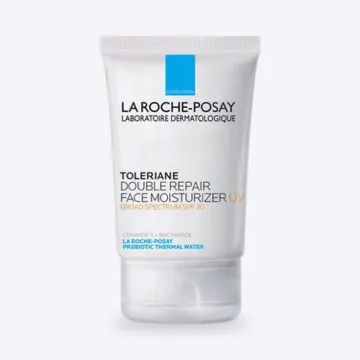
Toleriane Double Repair Face Moisturizer UV SPF 30
SPF 30 sunscreen with niacinamide, avobenzone and homosalate. Fragrance-free.
Suits: Normal, Dry, Oily, Combination, Sensitive skin
From Pori's catalogue. Amazon links carry our Associates tag: Pori earns from qualifying purchases, at no cost to you. No brand pays to be listed. Photos: Open Beauty Facts contributors, CC BY-SA 3.0.
Why do glass skin results depend on your skin type?
The routine is built around hydration, so it suits dry and dehydrated skin best. Other skin types need to adjust it.
- Dry skin: layer two hydrating toners, use a richer cream at night and apply moisturizer while skin is still damp, as the AAD advises for dry skin.
- Oily or combination skin: one hydrating layer, a gel cream and a light sunscreen. The AAD recommends oil-free, non-comedogenic products for oily skin. Skipping moisturizer can backfire, but stacking four layers usually feels greasy. See oily but dehydrated skin.
- Acne-prone skin: keep your acne treatment and build the hydrating steps around it. The AAD's acne skin care tips include non-comedogenic products and gentle cleansing. Check heavy creams and oils with care.
- Sensitive skin: fewer products, fragrance-free and alcohol-free labels, and no new product more often than every couple of weeks. Patch test first.
Not sure where you fall? Our guide to dry vs dehydrated skin helps, and a dermatologist can check whether redness or texture has a medical cause; you can find a dermatologist near you.
What should you not overdo?
- Exfoliation. Over-exfoliating causes redness, stinging and a tight, shiny look that is the opposite of glass skin. The AAD warns that over-exfoliating can leave skin red and irritated, and that the stronger the method, the less often you should use it. It also advises avoiding strong exfoliation if you have a darker skin tone, since it can leave dark spots.
- Sheet masks. In one study, masks worn for under 25 minutes improved hydration, while longer wear increased dryness and redness. Take it off before it dries. Our best sheet masks roundup compares labels.
- Layers. Each product adds fragrance, preservatives or actives your skin has to tolerate. If a layer pills, stings or feels sticky, drop it.
- Actives at once. A retinoid, an acid and a vitamin C serum in the same evening is a common route to irritation. Alternate nights.
- Chasing shine. Facial oils and highlighter can mimic glass skin for a photo, but heavy oils can clog pores in acne-prone skin.
How long does it take to see glass skin results?
Hydration changes how skin looks within days. Smoother texture from gentle exfoliation takes weeks, and changes in tone from niacinamide and sunscreen take longer; in a controlled trial, niacinamide reduced spots and red blotchiness over 12 weeks. Stick with one routine for at least a month before changing it. To shop by brand, see our Korean skincare brands guide and best COSRX products. If you want to see where Korean skincare comes from and which trends hold up, read our K-beauty guide or browse the whole K-beauty hub.
Frequently asked questions
What is glass skin?
Glass skin is a K-beauty term for skin that looks smooth, even and so well hydrated that it reflects light like glass. The realistic version is calm, plump, even skin.
What is the Korean glass skin routine?
Morning: gentle cleanser, hydrating toner, essence or serum, light moisturizer and sunscreen. Night: oil cleanser if you wore sunscreen or makeup, water-based cleanser, hydrating layers, serum and moisturizer, plus a mild exfoliant once or twice a week.
Can oily skin get glass skin?
Oily skin can get a smooth, hydrated look with fewer, lighter layers: one hydrating toner, a gel cream and a light sunscreen. All-over shine is not the goal.
How long does it take to get glass skin?
Hydration shows in days. Smoother texture takes weeks, and more even tone takes a few months of consistent sunscreen and ingredients such as niacinamide.
Do I need Korean products for glass skin?
No. Any gentle cleanser, humectant toner or serum, moisturizer and daily sunscreen can give the same result. Korean products are often light and affordable, which is why they are popular for it.
What ruins glass skin?
Over-exfoliating, leaving sheet masks on until they dry, layering too many fragranced products, mixing strong actives on the same night and skipping sunscreen.
Sources
- Sethi A et al. Moisturizers: the slippery road. Indian J Dermatol, 2016 (PMC)
- American Academy of Dermatology: Dermatologists' tips for relieving dry skin
- American Academy of Dermatology: How to control oily skin
- American Academy of Dermatology: Acne skin care tips
- American Academy of Dermatology: How to safely exfoliate at home
- Cleveland Clinic: Double cleansing explained
- Wang Y et al. Short-term skin reactions with different ways of facial sheet mask usage. J Tissue Viability, 2024 (PubMed)
- Smith WP. Epidermal and dermal effects of topical lactic acid. J Am Acad Dermatol, 1996 (PubMed)
- Bissett DL et al. Niacinamide: a B vitamin that improves aging facial skin appearance. Dermatol Surg, 2005 (PubMed)
- Ulta Beauty: Round Lab Birch Juice Moisturizing UVLock SPF 45
Pori is a wellness and skincare education app, not a medical device. This article is for general information and isn't medical advice. For anything that worries you, see a dermatologist.