Pori
- Start with one goal and the ingredient with the best evidence for it: hyaluronic acid for hydration, vitamin C or niacinamide for tone, a retinoid for lines, salicylic acid for pores.
- A higher percentage is not better: niacinamide works at 2% to 5%, and L-ascorbic acid needs a low pH more than a big number.
- Match the base to your skin type, skip fragrance if you're sensitive, and buy vitamin C in opaque, airtight packaging.
- Use one serum for eight to twelve weeks before judging it, and stop anything that keeps stinging or causes bumps.
To choose a serum, start with one skin goal, pick the active ingredient with the best evidence for it, and then check the strength, the formula and your skin type. Hydration calls for hyaluronic acid or glycerin, dark spots for vitamin C, niacinamide or azelaic acid, fine lines for a retinoid, and clogged pores for salicylic acid. Begin with one serum, use it for at least eight weeks, and add a second only once your skin is calm.
Once you've found a candidate, you can scan its barcode or label with the ingredient scanner in Pori to check its ingredients against your skin type and see what else is in the bottle. It reads the formula; it doesn't diagnose skin conditions.
Below is a five-step way to choose, a table that matches goals to ingredients, what concentration and packaging tell you, which serums suit which skin types, and how to tell if one isn't working. It's based on American Academy of Dermatology (AAD) and Cleveland Clinic guidance and published research; we compared published ingredient lists and did not test these products on skin. For a tour of every serum category, see our types of serums guide.
What is the quickest way to choose a serum?
Run through five checks, in this order:
- One goal. Dryness, dark spots, fine lines, breakouts or redness. Pick the one that bothers you most.
- The ingredient with the best evidence for that goal (see the table below).
- A sensible strength and form, not the highest number on the shelf.
- A base that suits your skin type: watery or gel for oily skin, richer or oil-based for dry skin.
- The extras: fragrance, packaging, price per ounce and whether it clashes with anything else you use.
Which serum ingredient matches your skin goal?
| Your goal | Look for | When to use it | Go easy if |
|---|---|---|---|
| Dry, tight or dehydrated skin | Hyaluronic acid, glycerin, panthenol, polyglutamic acid | Morning and night, on damp skin | Little to avoid |
| Dark spots and uneven tone | Vitamin C, niacinamide, azelaic acid, tranexamic acid | Vitamin C in the morning; others either time | Low-pH vitamin C stings your skin |
| Fine lines and texture | Retinol, retinal or adapalene; peptides as a gentler add-on | Night | Pregnant, very dry or sensitive skin |
| Breakouts and clogged pores | Salicylic acid, niacinamide, azelaic acid, adapalene | Night, or as the label says | Dry skin; stacking several actives |
| Redness and sensitivity | Niacinamide at low strength, centella, panthenol, azelaic acid | Either | Fragrance and essential oils |
| Dullness and rough feel | Lactic or mandelic acid, vitamin C | Night for acids, morning for vitamin C | Retinoid nights |
If two goals tie, pick the one that changes your routine less. A hydrating serum fits anywhere; a retinoid reshapes your whole evening.
What should you look for in each kind of serum?
Hydrating serums
Hyaluronic acid and glycerin pull water into the top layer of skin. Cleveland Clinic notes that hyaluronic acid helps skin hold moisture. Look for a short list without fragrance, and remember a humectant needs a moisturizer on top to stop the water evaporating. Molecular weight claims matter less than you'd think; our guide to types of hyaluronic acid explains why. Our picks are in best hyaluronic acid serum.
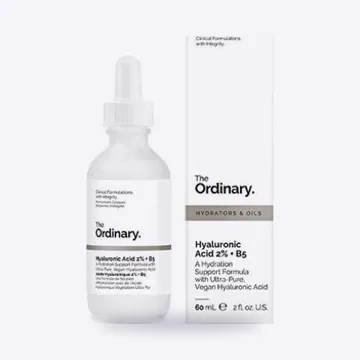
Hyaluronic Acid 2% + B5
Water-binding layer under moisturiser for tight, thirsty skin.
Suits: Dry, Normal, Combination, Oily, Sensitive skin
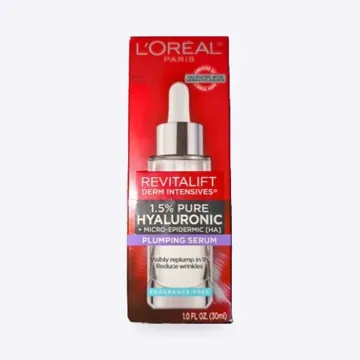
Revitalift 1.5% Pure Hyaluronic Acid Serum for Face
Serum with ascorbyl glucoside, hyaluronic acid and glycerin. Fragrance-free.
Suits: Normal, Dry, Oily, Combination, Sensitive skin
From Pori's catalogue. Amazon links carry our Associates tag: Pori earns from qualifying purchases, at no cost to you. No brand pays to be listed. Photos: Open Beauty Facts contributors, CC BY-SA 3.0.
Vitamin C serums
Pure L-ascorbic acid has the strongest evidence, but it is fussy. A classic absorption study found it needed a pH below 3.5 to enter the skin, with absorption peaking at 20%, and a review in the Indian Dermatology Online Journal adds that vitamin E and ferulic acid help it work and that vitamin C does not replace sunscreen. Buy opaque, airtight packaging you'll finish within a few months, and replace it if it turns orange. If it stings, a derivative such as ascorbyl glucoside or sodium ascorbyl phosphate is gentler, with less research. See our vitamin C serum guide and best vitamin C serum for beginners.
Niacinamide serums
Niacinamide is a good first active for most skin. Cleveland Clinic says it may support the skin barrier, ease redness, help regulate oil and brighten tone, and notes that most products contain 5% or less. Higher numbers are not automatically better, and sensitive skin should start low. More in niacinamide benefits and best niacinamide serum.
Niacinamide 10% + Zinc 1%
The cheapest proven way to calm shine and blur pore appearance.
Suits: Oily, Combination, Normal skin
From Pori's catalogue. Amazon links carry our Associates tag: Pori earns from qualifying purchases, at no cost to you. No brand pays to be listed. Photos: Open Beauty Facts contributors, CC BY-SA 3.0.
Retinoid serums
Retinoids are the best-studied ingredients for fine lines and texture, and adapalene also treats acne. The AAD points out that brands don't have to disclose the retinol percentage, so start with the gentlest formula you can find, every other night at first, and use it at night with sunscreen in the morning. Retinoids should not be used during pregnancy. Start with retinol for beginners and best retinol serum for beginners.
Resurfacing Retinol Serum
Buffered retinol aimed at post-acne marks and rough texture.
Suits: Oily, Combination, Normal skin
From Pori's catalogue. Amazon links carry our Associates tag: Pori earns from qualifying purchases, at no cost to you. No brand pays to be listed. Photos: Open Beauty Facts contributors, CC BY-SA 3.0.
Exfoliating and acne serums
Salicylic acid gets into oily pores; lactic and mandelic acid smooth the surface more gently than glycolic acid. Azelaic acid helps both breakouts and the marks they leave. Use acid serums a few nights a week at first, and wear sunscreen; the FDA advises sun protection while using AHA products and for a week afterward.
Peptide and soothing serums
Peptide serums are gentle and pleasant, but their evidence is thinner than for retinoids; see peptides in skincare. Soothing serums built on centella, panthenol or beta-glucan suit irritated or over-exfoliated skin and pair with almost anything.
Does the percentage on a serum matter?
Yes, but not the way marketing suggests. A higher number often means more irritation, not more benefit. Niacinamide works in many studies at 2% to 5%. L-ascorbic acid stops gaining absorption above about 20%. Retinol strength is often not disclosed at all, so two retinol serums can differ widely without you knowing. Formula, pH and how often you use it matter as much as the headline figure. When in doubt, start lower and stay consistent.
Which serum texture suits your skin type?
- Oily or acne-prone: watery or gel serums; skip heavy oils and occlusive bases. Our best serum for oily skin roundup has picks.
- Dry: hydrating serums under a cream, or a serum in a squalane or emulsion base.
- Combination: a light, water-based serum all over; treat dry patches with moisturizer, not a second serum.
- Sensitive: fragrance-free, short lists, one active at a time; soothing serums first, then niacinamide or azelaic acid at low strength.
Not sure which you are? Start with how to find your skin type.
Should you avoid fragrance in a serum?
If your skin is sensitive or you're using a strong active, yes. A serum sits on your skin all day or night, and fragrance and essential oils add irritation risk without helping the active work. Look for "fragrance" or "parfum" and for essential oils in the list, not just "clean" or "natural" on the front.
Is an expensive serum better than a cheap one?
Not by default. The active ingredients in most serums, such as hyaluronic acid, niacinamide, retinol and salicylic acid, are inexpensive to make, and drugstore and budget brands use the same ones as luxury labels. What you pay extra for is usually texture, packaging, fragrance and brand. A few things are worth paying for:
- Good packaging for unstable actives. Vitamin C and retinol last longer in opaque, airtight bottles or pumps.
- A well-tested combination, such as L-ascorbic acid with vitamin E and ferulic acid.
- A texture you'll actually use every day. Consistency beats potency.
Compare price per ounce, not per bottle, and remember that a serum you use for three months tells you more than three serums you try for two weeks each.
How many serums should you use?
One is enough to start, and two is plenty for most people. Use the thinnest first, and split strong actives between morning and night: vitamin C in the morning, a retinoid or acid at night. Avoid stacking a retinoid, an exfoliating acid and benzoyl peroxide on the same night. Our guide to layering serums covers the order, and skincare ingredients not to mix covers the clashes.
How can you tell if a serum is working, or wrong for you?
Give it time. Hydrating serums feel different within days, but tone and texture changes from vitamin C, niacinamide or retinoids take about two to three months of steady use. Take photos in the same light every two weeks rather than judging in the mirror each morning.
It's the wrong serum if you get stinging that lasts beyond a minute, redness or flaking that keeps building, new small bumps where your skin was clear, or itching. Patch test a new serum on your forearm first, as Cleveland Clinic suggests, and stop anything that keeps irritating; our patch test guide explains how. For persistent acne, dark patches or redness, a dermatologist can offer prescription options that no serum matches.
Frequently asked questions
How do I choose the right serum for my skin?
Pick one goal, such as dryness, dark spots, fine lines or breakouts, then choose the ingredient with the best evidence for it: hyaluronic acid for hydration, vitamin C or niacinamide for tone, a retinoid for lines, salicylic acid for pores. Match the texture to your skin type and skip fragrance if you're sensitive.
What serum should a beginner start with?
A hydrating serum or a niacinamide serum at 5% or less. Both are gentle, fit morning or night and work with most routines. Add a retinoid or vitamin C later, one at a time.
Is a higher percentage serum better?
Not usually. Higher strengths often irritate more without extra benefit. Niacinamide works in studies at 2% to 5%, and L-ascorbic acid absorption peaks around 20%. Formula and steady use matter as much as the number.
How long does it take for a serum to work?
Hydrating serums feel different within days. Changes to dark spots, texture or fine lines from vitamin C, niacinamide or retinoids usually take two to three months of daily use.
Should I use a serum in the morning or at night?
Vitamin C goes in the morning under sunscreen; retinoids and exfoliating acids go at night. Hydrating, niacinamide and soothing serums work at either time.
Can I use more than one serum?
Yes, but start with one. Most people do well with two at most, applied thinnest first, with strong actives split between morning and night.
Sources
- American Academy of Dermatology: Retinoid or retinol?
- Cleveland Clinic: Niacinamide
- Cleveland Clinic: Hyaluronic acid
- Pinnell SR et al. Topical L-ascorbic acid: percutaneous absorption studies. Dermatol Surg, 2001 (PubMed)
- Telang PS. Vitamin C in dermatology. Indian Dermatol Online J, 2013 (PMC)
- U.S. Food and Drug Administration: Alpha Hydroxy Acids
- Liu H et al. Topical azelaic acid, salicylic acid, nicotinamide, sulphur, zinc and fruit acid (alpha-hydroxy acid) for acne. Cochrane Database Syst Rev, 2020 (PubMed)
- Draelos ZD et al. The effect of 2% niacinamide on facial sebum production. J Cosmet Laser Ther, 2006 (PubMed)
Pori is a wellness and skincare education app, not a medical device. This article is for general information and isn't medical advice. For anything that worries you, see a dermatologist.