Pori
- The Ordinary Niacinamide 10% + Zinc 1% is the best overall serum for oily skin at $6.
- La Roche-Posay Effaclar Serum (1.5% salicylic acid) is the pick for breakouts, but it contains alcohol and fragrance.
- CeraVe Resurfacing Retinol Serum suits post-acne marks; Paula's Choice 10% Azelaic Acid Booster suits redness with bumps.
- No serum stops oil production; pick one active for your main concern and give it 8 to 12 weeks.
The best serums for oily skin are The Ordinary Niacinamide 10% + Zinc 1%, La Roche-Posay Effaclar Serum with Salicylic Acid, CeraVe Resurfacing Retinol Serum and Paula's Choice 10% Azelaic Acid Booster. The Ordinary Niacinamide is the best overall because niacinamide has evidence for reducing oil, the formula is light and fragrance-free, and it costs $6. Pick La Roche-Posay for breakouts and clogged pores, CeraVe for post-acne marks and texture, and Paula's Choice for redness with bumps.
To check a serum before you buy it, scan its barcode or label with the ingredient scanner in Pori and see how each ingredient is flagged for oily or acne-prone skin. Pori reads labels; it does not diagnose acne.
We compared published ingredient lists, brand claims and listed prices; we did not test these products on skin. Prices are US list prices as of November 2026, with the retailer named.
Quick picks
- Best overall: The Ordinary Niacinamide 10% + Zinc 1% ($6 for 30 ml, theordinary.com): niacinamide and zinc for shine and the look of pores, at a very low price.
- Best for breakouts: La Roche-Posay Effaclar Serum with Salicylic Acid ($44.99 for 1 oz, Ulta): 1.5% salicylic acid with glycolic acid and LHA to clear clogged pores.
- Best for marks and texture: CeraVe Resurfacing Retinol Serum ($21.99, cerave.com): encapsulated retinol with niacinamide, made for post-acne skin.
- Best for redness and bumps: Paula's Choice 10% Azelaic Acid Booster ($42 for 1 oz, paulaschoice.com): azelaic acid plus salicylic acid in an oil-free cream-gel.
- Best for oily but dehydrated skin: The Ordinary Hyaluronic Acid 2% + B5 ($9.90 for 30 ml, theordinary.com): water without oil, under a light moisturizer.
How do the best serums for oily skin compare?
Each pick targets a different problem that comes with oily skin. Match the serum to your main complaint rather than stacking all of them.
| Serum | Key ingredients | Best for (oily skin with...) | Price (as of November 2026) |
|---|---|---|---|
| The Ordinary Niacinamide 10% + Zinc 1% | Niacinamide 10%, zinc PCA 1% | Shine, visible pores, mild congestion | $6 for 30 ml at theordinary.com |
| La Roche-Posay Effaclar Serum with Salicylic Acid | Salicylic acid 1.5%, glycolic acid, capryloyl salicylic acid (LHA), niacinamide | Blackheads, whiteheads and breakouts | $44.99 for 1 oz at Ulta |
| CeraVe Resurfacing Retinol Serum | Encapsulated retinol, niacinamide, licorice root extract, ceramides | Post-acne marks, rough texture | $21.99 at cerave.com |
| Paula's Choice 10% Azelaic Acid Booster | Azelaic acid 10%, salicylic acid, licorice root extract | Redness, small bumps, brown marks | $42 for 1 oz at paulaschoice.com |
| The Ordinary Hyaluronic Acid 2% + B5 | Hyaluronic acid, panthenol, ceramides | Tightness or flaking from acne treatments | $9.90 for 30 ml at theordinary.com |
Niacinamide 10% + Zinc 1%
The cheapest proven way to calm shine and blur pore appearance.
Suits: Oily, Combination, Normal skin
Resurfacing Retinol Serum
Buffered retinol aimed at post-acne marks and rough texture.
Suits: Oily, Combination, Normal skin
10% Azelaic Acid Booster
Works on redness and post-acne marks at the same time.
Suits: Sensitive, Combination, Oily, Normal skin
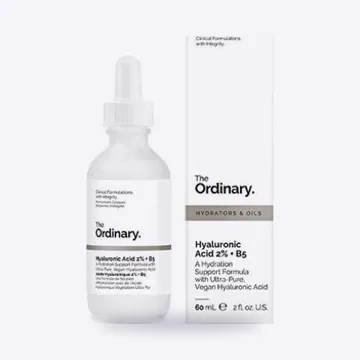
Hyaluronic Acid 2% + B5
Water-binding layer under moisturiser for tight, thirsty skin.
Suits: Dry, Normal, Combination, Oily, Sensitive skin
From Pori's catalogue. Amazon links carry our Associates tag: Pori earns from qualifying purchases, at no cost to you. No brand pays to be listed. Photos: Open Beauty Facts contributors, CC BY-SA 3.0.
Our serums for oily skin catalogue lists more options with their key ingredients.
Which serum is best for oily skin?
The Ordinary Niacinamide 10% + Zinc 1%: best overall
Who it suits: oily and combination skin whose main complaints are shine, the look of large pores and the odd clogged pore.
Key ingredients: 10% niacinamide and 1% zinc PCA in an oil-free, water-based serum. The Ordinary says it helps balance excess sebum and lists it as non-comedogenic based on an 8-week study of 35 people. The oil claim has outside support: a study of 2% niacinamide lowered facial sebum production, so you do not need a high strength for the effect.
Who should skip it: sensitive skin that itches or flushes with strong niacinamide; a lower percentage is kinder.
The catch: it can pill under some sunscreens. Our niacinamide serum comparison covers the other 10% options, and the full review explains the pilling and the zinc.
La Roche-Posay Effaclar Serum with Salicylic Acid: best for breakouts
Who it suits: oily skin with blackheads, whiteheads and regular small breakouts. Salicylic acid is oil-soluble, so it works inside the pore, and 1.5% sits inside the 0.5% to 2% range the FDA allows for over-the-counter acne products.
Key ingredients: Ulta's listing names a "triple acid complex" of 1.5% salicylic acid, glycolic acid and lipo-hydroxy acid (capryloyl salicylic acid), plus niacinamide and La Roche-Posay thermal water. Directions are to start once a day and build to two or three times a day if needed.
Who should skip it: sensitive or fragrance-avoiding skin. The ingredient list contains alcohol denat. high up and fragrance at the end. Also skip it if you already use a leave-on BHA or AHA exfoliant.
The catch: it is the priciest pick here, and the glycolic acid raises sun sensitivity, so daily sunscreen is not optional. If you would rather have a plain 2% BHA, our best BHA exfoliant roundup compares cheaper, fragrance-free liquids.
CeraVe Resurfacing Retinol Serum: best for marks and texture
Who it suits: oily or combination skin left with brown post-acne marks, rough patches and visible pores. CeraVe says it was made for post-acne skin.
Key ingredients: encapsulated retinol, niacinamide, licorice root extract and three ceramides. CeraVe calls it fragrance-free and non-comedogenic.
Who should skip it: anyone who is pregnant or trying to conceive, who should ask a doctor about retinoids first, and anyone already using a prescription retinoid.
The catch: evening use only, and retinol can cause dryness and peeling at first. CeraVe suggests spacing out applications if your skin feels uncomfortable. Our CeraVe retinol serum review and retinol for beginners guide cover how to start.
Paula's Choice 10% Azelaic Acid Booster: best for redness and bumps
Who it suits: oily skin that is also red or easily irritated, with small bumps and brown marks. Azelaic acid calms inflammation, works on clogged pores and slows pigment, so it covers several oily-skin problems in one step.
Key ingredients: 10% azelaic acid, salicylic acid and licorice root extract in an oil-free cream-gel. You can use it alone or mix it into a non-SPF moisturizer.
Who should skip it: people already using a salicylic acid serum or exfoliant every day.
The catch: 10% is gentler than prescription azelaic acid. Our azelaic acid comparison explains when 15% or 20% is worth asking a dermatologist about.
The Ordinary Hyaluronic Acid 2% + B5: best for oily but dehydrated skin
Who it suits: oily skin that also feels tight or flaky, often from acne treatments or harsh cleansers. Hyaluronic acid adds water without adding oil.
Key ingredients: five forms of hyaluronic acid, ceramides and pro-vitamin B5. It is water-based and oil-free.
Who should skip it: oily skin with no tightness at all; you may not need an extra step.
The catch: it works best on damp skin under a light moisturizer. Our hyaluronic acid serum roundup compares it with other HA serums, and oily but dehydrated skin explains how to tell if you need it.
What ingredients should a serum for oily skin have?
Look for one active matched to your main concern, in a light, oil-free base. The ingredients below have the strongest case for oily skin.
| Ingredient | What it does for oily skin | Found in |
|---|---|---|
| Niacinamide | Reduces oil in studies; helps the look of pores and tone | The Ordinary Niacinamide, La Roche-Posay, CeraVe |
| Salicylic acid (BHA) | Oil-soluble exfoliant that clears clogged pores | La Roche-Posay, Paula's Choice |
| Retinoids | Speed cell turnover; help acne, marks and texture | CeraVe |
| Azelaic acid | Calms redness, targets acne bacteria, fades marks | Paula's Choice |
| Hyaluronic acid | Hydrates without oil | The Ordinary Hyaluronic Acid |
Avoid stacking several strong actives at once. A retinoid plus a salicylic acid serum plus an azelaic acid booster is a fast route to irritation, and irritated skin often looks shinier and redder. Our guide to ingredients not to mix covers safe pairings.
Can a serum stop oily skin?
No serum switches off oil production. Your skin makes sebum on its own schedule, and the amount shifts with the seasons: a study of facial sebum found that summer was the highest oil-producing season, with the forehead, nose and chin making more than the cheeks. A serum can reduce shine, keep pores clearer and calm breakouts, which is often what people mean by "less oily."
The rest of the routine matters as much as the serum. The American Academy of Dermatology suggests cleansing up to twice a day and after sweating, choosing products labeled oil-free and noncomedogenic, using a moisturizer after cleansing, and skipping scrubbing, which irritates skin. For acne that over-the-counter products do not control, the AAD's guide to adult acne treatment explains when to see a dermatologist.
Our oily skin routine puts the serum in context, and why is my face so oily explains the causes.
How should you use a serum for oily skin?
- Pick one serum first. Choose by your main concern, and use it alone for four weeks.
- Apply after cleansing. A few drops on clean skin, then a light, oil-free moisturizer.
- Keep retinol for the evening. Use niacinamide or azelaic acid in the morning if you also use a retinoid at night.
- Wear sunscreen every morning. Acids and retinoids make skin more sun-sensitive, and sun darkens post-acne marks.
- Give it time. Most of these ingredients take 8 to 12 weeks to show a clear change. Photos in the same light at the start and at week 8 help you judge honestly.
How we chose
We picked serums sold at full size in the US with an active ingredient that has evidence for a common oily-skin problem: oil, clogged pores, marks, redness or dehydration. We compared each brand's published ingredient list, fragrance status, directions and price at a named retailer in November 2026, and checked the science against PubMed, the FDA's acne monograph and AAD guidance. We did not test these products on skin, and no brand paid for placement.
Frequently asked questions
What is the best serum for oily skin?
The Ordinary Niacinamide 10% + Zinc 1% is our best overall pick: niacinamide has evidence for reducing oil, the formula is light and fragrance-free, and it costs about $6.
Which serum is best for oily, acne-prone skin?
A salicylic acid serum such as La Roche-Posay Effaclar Serum targets clogged pores and breakouts. If you also have marks, CeraVe Resurfacing Retinol Serum at night is a good partner, introduced slowly.
Should oily skin use hyaluronic acid?
Yes, if your skin feels tight or flaky. Hyaluronic acid adds water without oil, and a thin serum like The Ordinary Hyaluronic Acid 2% + B5 under a light moisturizer suits oily but dehydrated skin.
Can I use niacinamide and salicylic acid together?
Many people do, since niacinamide is gentle. La Roche-Posay's Effaclar Serum already contains both. If your skin stings, use them at different times of day.
Do serums make oily skin worse?
Oily or heavy serums can feel greasy, but water-based, oil-free serums usually do not. Strong actives used too often can irritate skin, which can make redness and breakouts look worse.
How long does it take a serum to reduce oil?
Expect 8 to 12 weeks for a clear change. Use one new serum at a time and take photos in the same light to judge progress.
Sources
- The Ordinary: Niacinamide 10% + Zinc 1%
- Ulta Beauty: La Roche-Posay Effaclar Face Serum with Salicylic Acid (ingredients and directions)
- CeraVe: Resurfacing Retinol Serum
- Paula's Choice: 10% Azelaic Acid Booster
- The Ordinary: Hyaluronic Acid 2% + B5 (with Ceramides)
- Draelos ZD et al. The effect of 2% niacinamide on facial sebum production. J Cosmet Laser Ther, 2006 (PubMed)
- 21 CFR 333.310: Acne active ingredients (Cornell LII)
- American Academy of Dermatology: How to control oily skin
- American Academy of Dermatology: Adult acne treatment dermatologists recommend
- Youn SW et al. Regional and seasonal variations in facial sebum secretions. Skin Res Technol, 2005 (PubMed)
Pori is a wellness and skincare education app, not a medical device. This article is for general information and isn't medical advice. For anything that worries you, see a dermatologist.