Pori
- Jane and Raymond Wurwand launched Dermalogica in Los Angeles in 1986; Unilever has owned it since 2015.
- It is known for Daily Microfoliant ($69 for 2.6 oz) and Special Cleansing Gel ($49 for 8.4 oz) on dermalogica.com as of November 2026.
- Oily skin: Special Cleansing Gel and Active Moist. Dry skin: UltraCalming Cleanser and Intensive Moisture Balance. Breakouts: the 0.5% salicylic acid Clear Start wash.
- Many formulas contain essential oils, and drugstore brands match the basics for about a third of the price.
Dermalogica is a professional skincare brand that Jane and Raymond Wurwand launched in Los Angeles in 1986, and Unilever has owned it since 2015. It is best known for Daily Microfoliant, a rice-based exfoliating powder, and Special Cleansing Gel. Most of its face products cost $49 to $99 on dermalogica.com, and several of the basics have drugstore equivalents at about a third of the price.
If you are comparing a Dermalogica bottle with a cheaper one, you can scan the barcode or label with the ingredient scanner in Pori to check each formula against your skin type. Pori flags ingredients; it doesn't diagnose skin conditions.
This guide covers who owns Dermalogica, what it is known for, which products suit which skin type, and what the higher price does and doesn't buy. We compared published ingredient lists, brand claims and listed prices; we did not test these products on skin. Prices are dermalogica.com list prices as of November 2026.
Who owns Dermalogica?
Unilever owns Dermalogica. It agreed to buy the brand in June 2015 and placed it in its Prestige division, which then also held Kate Somerville and REN. The price was not disclosed. At the time Dermalogica reported about $240 million in annual turnover and was sold in more than 80 countries.
The brand started as a school. In 1983 the Wurwands set up The International Dermal Institute to train licensed skin therapists, and they launched Dermalogica three years later to give those therapists a product line. That history still shapes the brand: much of the range is sold and recommended in salons and spas, alongside its own website and retailers such as Ulta.
What is Dermalogica known for?
Two products made the brand's name. Daily Microfoliant is a powder you mix with water in your palm. The brand describes a rice-based powder that releases papain, a papaya enzyme, and salicylic acid on contact with water. The ingredient list also includes colloidal oatmeal, allantoin, licorice root extract, and small amounts of tea tree and grapefruit peel oil. Special Cleansing Gel is a soap-free foaming gel with quillaja, a plant that foams naturally.
The less obvious signature is scent. Dermalogica seldom lists "fragrance" on its labels, but many formulas contain essential oils. Special Cleansing Gel lists lavender, lemon peel, bergamot and citronella oils. PreCleanse lists orange, grapefruit, mandarin and lavender oils, and Dynamic Skin Recovery SPF50 lists rosewood, geranium, clove, rose and lemon oils along with fragrance allergens such as linalool and limonene. If your skin reacts to scent, read our guide to fragrance and essential oils in skincare before you buy.
What are Dermalogica's main product lines?
- Everyday basics: Special Cleansing Gel, PreCleanse, Daily Microfoliant, Skin Smoothing Cream, Active Moist and Intensive Moisture Balance.
- UltraCalming: products for reactive skin, led by the UltraCalming Cleanser.
- Clear Start: a lower-priced breakout line, including the Breakout Clearing Foaming Wash.
- AGE Smart: anti-aging products such as the Skin Resurfacing Lactic Acid Cleanser and Super Rich Repair.
- Serums and treatments: BioLumin-C Serum, PowerBright Dark Spot Serum, Dynamic Skin Retinol Serum and Circular Hydration Serum.
- Sunscreens: Invisible Physical Defense SPF30, Dynamic Skin Recovery SPF50 and others.
Which Dermalogica cleanser should I use for my skin type?
Dermalogica sells more than a dozen cleansers. These five cover most skin types.
| Your skin | Dermalogica cleanser | What's in it | Price (as of November 2026) |
|---|---|---|---|
| Normal, combination or oily | Special Cleansing Gel | Soap-free foaming gel with quillaja; lavender and citrus oils | $49 for 8.4 oz |
| Dry, sensitive or reactive | UltraCalming Cleanser | pH-balanced, non-foaming gel-cream with oat, cucumber and bisabolol | $49 for 8.4 oz |
| Wears makeup or water-resistant SPF | PreCleanse | Cleansing oil for the first step of a double cleanse; citrus and lavender oils | $49 for 5.1 oz |
| Breakout-prone | Breakout Clearing Foaming Wash | 0.5% salicylic acid; tea tree, orange and lavender oils | $19.50 for 6 oz |
| Dull or rough, signs of aging | Skin Resurfacing Lactic Acid Cleanser | Lactic acid in a foaming base; rose, clove and lemon oils | $49 for 5.1 oz |
Special Cleansing Gel is the brand's default. It foams well and rinses clean, and Dermalogica recommends it for normal, combination and oily skin. The Skin Resurfacing Lactic Acid Cleanser puts lactic acid, a mild alpha hydroxy acid, into a daily wash. Because a cleanser stays on skin for less than a minute, expect a gentle smoothing effect at most. Our double cleansing guide explains when an oil step like PreCleanse earns its place.
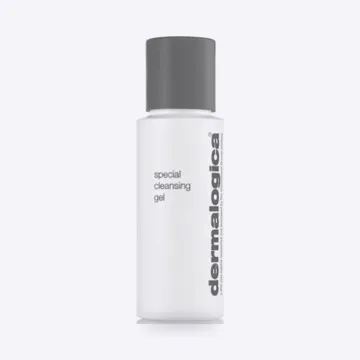
Special Cleansing Gel
Face cleanser with glycerin.
Suits: Normal, Dry, Oily, Combination skin
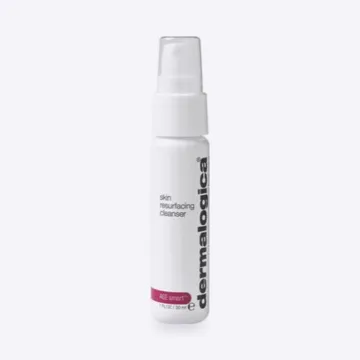
Skin Resurfacing Cleanser
Face cleanser with lactic acid, tocopherol and sunflower seed oil.
Suits: Normal, Dry, Oily, Combination skin
From Pori's catalogue. Amazon links carry our Associates tag: Pori earns from qualifying purchases, at no cost to you. No brand pays to be listed. Photos: Open Beauty Facts contributors, CC BY-SA 3.0.
If you want a medicated wash, note the strength. The Breakout Clearing Foaming Wash has 0.5% salicylic acid, the low end of what US acne products may contain. The pricier Clearing Skin Wash ($49 for 8.4 oz) also uses salicylic acid and adds menthol and camphor, which feel cool and can sting on irritated skin.
Is Daily Microfoliant worth it?
Daily Microfoliant costs $69 for 2.6 oz, and a 0.45 oz travel size is $19.50. It combines two kinds of exfoliation: fine powder that polishes as you massage, and papain plus salicylic acid that loosen dead cells chemically. Our guide to physical vs chemical exfoliants explains how the two differ.
The format is the main thing you pay for. You can adjust strength by adding more or less water, and the powder lasts a long time because you use a small amount each time. The brand calls it gentle enough for daily use, but daily is a lot if you also use a retinoid or an acid serum. The American Academy of Dermatology advises matching exfoliation to your skin type and stopping if skin turns red or irritated. Start two or three times a week. The formula also contains hydrolyzed wheat protein, which matters if you avoid wheat.
Which Dermalogica moisturizer or SPF suits my skin type?
Oily or combination skin: Active Moist
Active Moist ($49 for 1.7 oz) is a sheer lotion that Dermalogica recommends for normal, combination and oily skin. It uses a prebiotic moisture complex and extracts of lemon, cucumber and burdock.
Normal to dry skin: Skin Smoothing Cream
Skin Smoothing Cream ($49 for 1.7 oz) is the brand's best-known moisturizer, a medium-weight cream with hyaluronic acid, grape seed extract and vitamins C and E. Dermalogica claims 48 hours of hydration. The current ingredient list on Dermstore includes ylang-ylang oil, linalool and benzyl salicylate, so it is scented.
Very dry skin: Intensive Moisture Balance
Intensive Moisture Balance ($49 for 1.7 oz) is richer. Dermalogica describes a blend of barrier lipids, a prebiotic chlorella algae complex and hyaluronic acid for normal and dry skin.
Sunscreen: Invisible Physical Defense SPF30 or Dynamic Skin Recovery SPF50
Invisible Physical Defense SPF30 ($49 for 1.7 oz) uses only non-nano zinc oxide and is recommended for normal, combination and oily skin. Dynamic Skin Recovery SPF50 ($87 for 1.7 oz) is a daily moisturizer for normal, dry and combination skin. Its listed filters are avobenzone, homosalate, octisalate, octocrylene and titanium dioxide, with peptides and white tea. Both meet the AAD's advice to use broad-spectrum SPF 30 or higher. Both also list essential oils: eucalyptus and lavender in the mineral one, several more in the SPF50.
Is Dermalogica worth the price compared with drugstore brands?
For basic cleansing and moisturizing, mostly no. The AAD says a skin care product doesn't need to be expensive to work, and the core of a routine is cleansing, moisturizing and sun protection. Special Cleansing Gel costs $49 for 8.4 oz. CeraVe's Foaming Facial Cleanser lists at $15.99 on cerave.com (see our CeraVe guide) and does the same job for normal to oily skin, with ceramides and niacinamide and without essential oils. Our drugstore vs luxury skincare comparison goes through where price matters.
Here is what the premium does buy:
- Professional advice. Dermalogica trains skin therapists, and buying through one can come with a consultation.
- Formats with few close copies. The Microfoliant powder is the clearest example.
- Texture and feel. The gels and creams are pleasant to use, which helps you use them every day.
It does not buy stronger actives. The salicylic acid wash is weaker than many $10 drugstore washes, and the moisturizers rely on common humectants and plant extracts.
What should I watch out for with Dermalogica?
- Essential oils across the range. They make the products pleasant to use but can irritate sensitive or allergy-prone skin. Patch test before using a new product on your whole face.
- Too much exfoliation. Daily Microfoliant, the lactic acid cleanser, a salicylic acid wash and an acid serum together can strip your skin barrier. Pick one or two. Our guide on how often to exfoliate helps you set a schedule.
- Expensive sunscreen. At $87 for 1.7 oz, Dynamic Skin Recovery is costly to apply in the amount the label SPF assumes. A cheaper sunscreen you use generously protects better than an expensive one you ration. See how much sunscreen to use.
- Cooling agents. Menthol and camphor in the Clearing Skin Wash can sting on broken or irritated skin.
Is Dermalogica good for sensitive skin?
Parts of it are. The UltraCalming Cleanser is pH-balanced and non-foaming, and its ingredient list has no essential oils. Much of the rest of the range contains them, including the mineral sunscreen. If you have sensitive skin, start with the UltraCalming products, add one new product at a time, and compare options in our cleansers for sensitive skin catalogue or the fragrance-free brands roundup. If redness, burning or breakouts persist, see a dermatologist.
Frequently asked questions
Who owns Dermalogica?
Unilever. It agreed to buy Dermalogica in 2015 and runs it in its Prestige division. The brand was founded in Los Angeles in 1986 by Jane and Raymond Wurwand.
Is Dermalogica a medical-grade brand?
No. Dermalogica is a professional brand sold through skin therapists, salons and retailers. Its products are cosmetics, and its acne washes are over-the-counter products sold without a prescription.
Is Dermalogica fragrance-free?
Mostly not. Many Dermalogica products contain essential oils such as lavender, citrus, rose or eucalyptus, even when the label doesn't list fragrance. The UltraCalming Cleanser is one of the exceptions.
How often should I use Daily Microfoliant?
Dermalogica says it is gentle enough for daily use. If you also use a retinoid or an acid serum, two or three times a week is a safer starting point. Stop if your skin turns red or stings.
What is the best Dermalogica cleanser for oily skin?
Special Cleansing Gel, which the brand recommends for normal, combination and oily skin. It costs $49 for 8.4 oz on dermalogica.com as of November 2026. If you get breakouts, the Breakout Clearing Foaming Wash adds 0.5% salicylic acid.
Is Dermalogica worth the money?
For cleansers and basic moisturizers, drugstore brands do the same job for less. Dermalogica makes the most sense if you value a therapist's advice, the Microfoliant powder format, or textures you will use every day.
Sources
- Global Cosmetics News: Unilever acquires professional skin care brand Dermalogica (2015)
- Dermalogica: Special Cleansing Gel
- Dermalogica: Daily Microfoliant
- Dermstore: Dermalogica Dynamic Skin Recovery SPF 50
- Dermstore: Dermalogica Skin Smoothing Cream
- Dermstore: Dermalogica Clear Start Breakout Clearing Foaming Wash
- INKEEDecoder: Dermalogica Invisible Physical Defense SPF 30 ingredients
- 21 CFR 333.310: Acne active ingredients (Cornell LII)
- American Academy of Dermatology: Skin care on a budget
- American Academy of Dermatology: How to safely exfoliate at home
Pori is a wellness and skincare education app, not a medical device. This article is for general information and isn't medical advice. For anything that worries you, see a dermatologist.