Pori
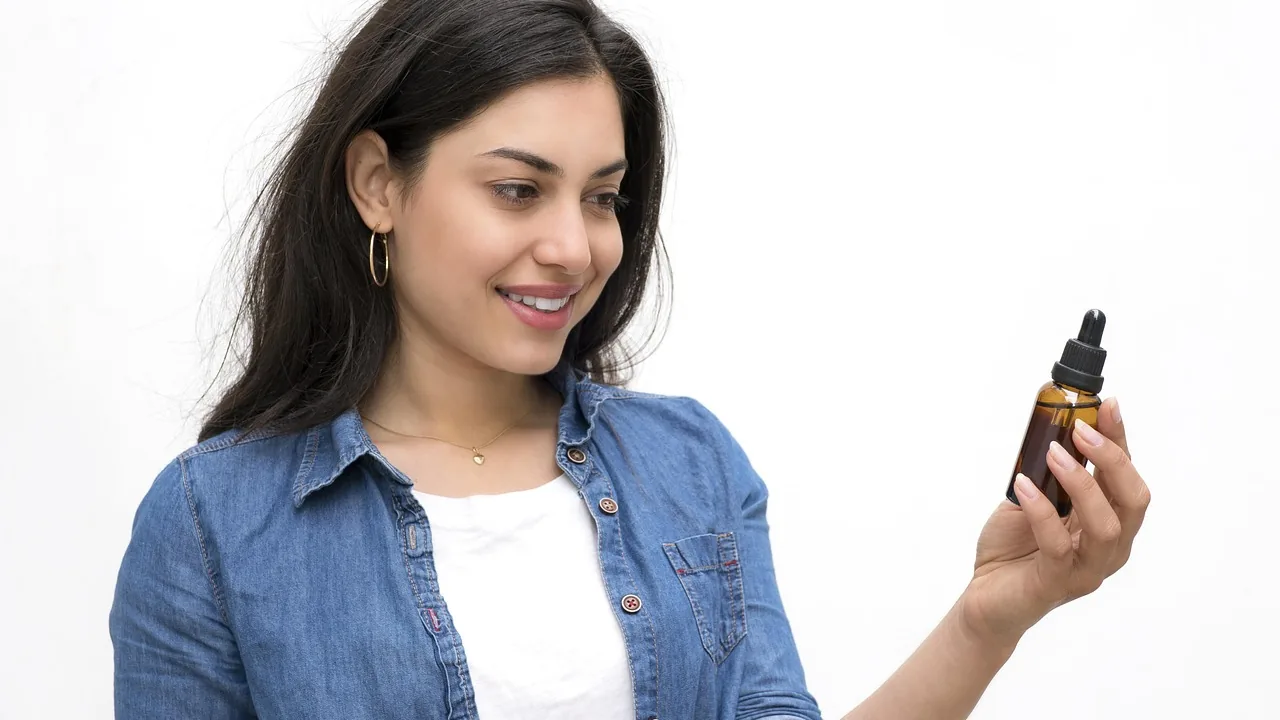
- A light, fragrance-free serum with propolis extract, niacinamide, a little betaine salicylate (a mild BHA) and sodium hyaluronate.
- The current list on the brand site starts with water; an older version was sold as 60% propolis, so the formula has changed.
- Good for oily, combination and acne-prone skin that wants light hydration; skip it if you react to propolis, bee products or tea tree.
- $17 for 30 ml ($13.60 on sale) at beautyofjoseon.com as of November 2026; also stocked at Target. The Ordinary Niacinamide 10% + Zinc 1% is a cheaper, simpler option.
Beauty of Joseon Glow Serum: Propolis + Niacinamide is a cheap, fragrance-free hydrating serum that suits oily, combination and acne-prone skin best. It feels thick and honey-like but sinks in without stickiness, and its niacinamide and mild BHA may help with shine and the look of pores. The catches: the formula has changed since it went viral, propolis is a known allergen, and it treats nothing on its own.
If you want to check how its ingredient list fits your own skin type, you can scan the box's barcode or label with the ingredient scanner in Pori.
Below we go through the full ingredient list, what changed, what the research says about propolis and niacinamide, who should buy it and who should skip it, the price per ounce and what to buy instead. We compared published ingredient lists, brand claims and listed prices; we did not test these products on skin.
What is Beauty of Joseon Glow Serum?
It's a serum from Beauty of Joseon, the Korean brand built around hanbang (traditional Korean herbal) ingredients and best known for its Relief Sun sunscreen (see our Relief Sun review). The brand calls Glow Serum a cushiony smoothing serum with niacinamide and propolis extract that helps refine the look of texture and pores, hydrate and calm skin. It says the serum was designed for all skin types, especially anyone with enlarged pores and reactive skin.
| Detail | What Beauty of Joseon states |
|---|---|
| Key ingredients | Propolis extract, niacinamide, BHA (betaine salicylate) |
| Texture | Thick, honey-like, absorbs without stickiness |
| Skin types | All, especially enlarged pores and reactive skin |
| Labels | Cruelty-free, alcohol-free |
| Fragrance | None listed |
| Sizes | 30 ml (1.01 fl oz) and 60 ml (2.03 fl oz) |
What's in it? The full ingredient list explained
The brand's product page lists: water, dipropylene glycol, glycerin, butylene glycol, propolis extract, niacinamide, 1,2-hexanediol, betaine salicylate, sodium polyacryloyldimethyl taurate, tromethamine, polyglyceryl-10 laurate, xanthan gum, carbomer, ethylhexylglycerin, Melia azadirachta (neem) flower extract, Ocimum sanctum (holy basil) leaf extract, neem leaf extract, sodium hyaluronate, turmeric root extract, dextrin, cocoa extract, Corallina officinalis (red algae) extract, tea tree extract, centella asiatica extract, methylpropanediol, Lotus corniculatus seed extract, pentylene glycol, octanediol, Calophyllum inophyllum (tamanu) seed oil, tocopherol.
- Water, dipropylene glycol, glycerin and butylene glycol: the base. Glycerin is one of the best-studied humectants; the glycols hold water and help the texture spread.
- Propolis extract: the resin bees collect from plants to build their hives, fifth on the list. More on it below.
- Niacinamide: vitamin B3, sixth. The brand doesn't state a percentage on the current page.
- 1,2-hexanediol, ethylhexylglycerin, pentylene glycol, methylpropanediol and octanediol: humectant solvents that also help keep the formula preserved.
- Betaine salicylate: a gentler relative of salicylic acid. This is the BHA the brand mentions.
- Sodium polyacryloyldimethyl taurate, xanthan gum, carbomer, dextrin and polyglyceryl-10 laurate: thickeners and an emulsifier that give the serum its cushiony body. Tromethamine adjusts pH.
- Plant extracts: neem, holy basil, turmeric, cocoa, red algae, tea tree, centella asiatica and Lotus corniculatus. They come after the thickeners, so they are present in small amounts.
- Sodium hyaluronate: the salt form of hyaluronic acid, a humectant.
- Tamanu seed oil and tocopherol: a plant oil and vitamin E, at the very end.
There's no added fragrance or drying alcohol. There are a lot of plant extracts, though, and each one is one more thing a reactive face could disagree with.
Has the Glow Serum been reformulated?
It appears so. An ingredient list uploaded to INKEEDecoder in April 2020 started with propolis extract and described the serum as 60% propolis and 2% niacinamide, with water fifth. The list on the brand's site in November 2026 starts with water, dipropylene glycol, glycerin and butylene glycol, puts propolis fifth, drops caprylyl glycol and adds methylpropanediol. The brand page no longer gives a propolis or niacinamide percentage.
Ingredient lists run from most to least, down to 1%, so the change means the current serum has less propolis than the version that made it famous. Reviews written before the change may not describe what you buy now. Check the box, or scan it, before comparing.
Do propolis and niacinamide actually work?
Niacinamide has the better evidence. In a double-blind study of 100 Japanese adults, a moisturizer with 2% niacinamide lowered the sebum excretion rate after two and four weeks compared with placebo; in a separate study of 30 white adults it reduced surface oil but not the excretion rate. A 12-week split-face study of 50 women found 5% niacinamide reduced fine lines, spots, red blotchiness and sallowness compared with its base. Glow Serum's niacinamide level isn't published, so you can't assume those results transfer. Our niacinamide guide covers the ingredient in more depth.
Propolis is promising and less proven. A 2020 review of bee products in skin care describes propolis as antibacterial, anti-inflammatory, antioxidant and antifungal, mostly from lab work and wound studies; cosmetic trials are scarce. That fits the brand's "calming" claim but doesn't prove it.
The brand's own results come from small studies. Its page reports a 23.31% improvement in skin glossiness and a 51.42% improvement in sebum, citing a three-week study of 21 people and a three-day study of 33 people. Neither is published in a journal, so read them as marketing.
Who is it for, and who should skip it?
It's a good fit if you:
- Have oily or combination skin and want hydration without a cream's weight.
- Have acne-prone skin and want a fragrance-free serum to layer with your treatment.
- Like a dewy finish and a short Korean routine.
- Want a cheap first niacinamide product that is less concentrated than a 10% serum.
Think twice if you:
- React to propolis or bee products: propolis is a recognized contact allergen; a dermatology review covers sensitization from cosmetics that contain it. In a 2025 study of consecutive dermatitis patients, 6.2% in an Italian clinic and 0.9% in a Swedish clinic reacted on patch testing, depending on the propolis tested.
- Are sensitive to tea tree or many plant extracts: the list has more than eight. Tea tree's evidence for acne is still thin; a systematic review said more evidence is needed to confirm its benefits for acne.
- Avoid animal-derived ingredients: propolis comes from bees, so it isn't vegan.
- Need a treatment: for dark spots, breakouts or wrinkles, an active ingredient at a known strength will do more.
The AAD suggests testing a new product on a quarter-sized area twice a day for 7 to 10 days first. Our guide to patch testing skincare walks through it.
How much does it cost per ounce?
As of November 2026, beautyofjoseon.com lists the 30 ml bottle at $17, on sale at $13.60, and the 60 ml bottle at $34, on sale at $27.20. Beauty of Joseon is also stocked at Target, and third-party sellers list it on Amazon, where prices move often.
| Size | Regular price (beautyofjoseon.com, November 2026) | Sale price | Price per oz at sale |
|---|---|---|---|
| 30 ml / 1.01 fl oz | $17.00 | $13.60 | About $13.47 |
| 60 ml / 2.03 fl oz | $34.00 | $27.20 | About $13.40 |
The two sizes cost the same per ounce, so buy the small one first in case your skin disagrees with propolis.
How do you use it?
The brand says to dispense two to three drops, apply to face and neck and tap until absorbed, and that it works morning and night.
- Cleanse, then use a toner if you like one.
- Apply two to three drops and press them in.
- Follow with moisturizer. Oily skin may find a gel enough.
- In the morning, finish with sunscreen. The brand says to wear it because of the BHA. Many Korean sunscreens use UV filters not approved by the FDA and are sold in the US as imports; our Korean sunscreen guide explains what that means.
If you also use a strong acid or a retinoid, the small amount of BHA here is unlikely to be a problem, but sensitive skin may do better with them on different nights. Our ingredients not to mix guide has the details.
What are the best alternatives?
- The Ordinary Niacinamide 10% + Zinc 1%: a stated niacinamide level, no bee products and no plant extracts. It's stronger, and some people find it pills or stings. See our Niacinamide 10% + Zinc 1% review.
- The Ordinary Hyaluronic Acid 2% + B5: if what you liked was the hydration, this does it without propolis or tea tree. Read our Hyaluronic Acid 2% + B5 review.
- COSRX Advanced Snail 96 Mucin Power Essence: another light, fragrance-free Korean hydrator with a short list. Our Snail 96 essence review goes through it.
Niacinamide 10% + Zinc 1%
The cheapest proven way to calm shine and blur pore appearance.
Suits: Oily, Combination, Normal skin
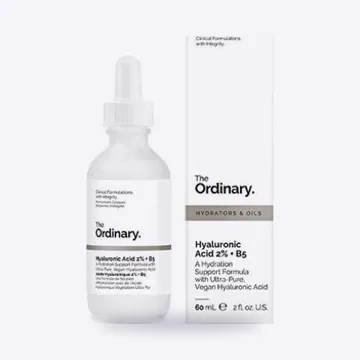
Hyaluronic Acid 2% + B5
Water-binding layer under moisturiser for tight, thirsty skin.
Suits: Dry, Normal, Combination, Oily, Sensitive skin
From Pori's catalogue. Amazon links carry our Associates tag: Pori earns from qualifying purchases, at no cost to you. No brand pays to be listed. Photos: Open Beauty Facts contributors, CC BY-SA 3.0.
For more options, see the best niacinamide serums and the best serums for oily skin, or browse serums.
Is it worth buying?
For oily or combination skin that wants a light, glowy layer, yes. It's cheap, it layers easily and it has no added fragrance. Go in knowing that today's bottle carries less propolis than the original, that propolis can cause allergic reactions, and that the brand's results come from small in-house tests. If you want a measurable niacinamide dose, a simple 10% serum is the more predictable buy. For more Korean skincare, start at our K-beauty hub, our guide to Korean skincare brands or our best essences roundup.
Frequently asked questions
Is Beauty of Joseon Glow Serum good for acne?
It can sit in an acne routine because it is light and has no added fragrance, and niacinamide and betaine salicylate may help with oil and clogged pores. It is not an acne treatment. For active breakouts, add a proven ingredient such as adapalene, benzoyl peroxide or salicylic acid.
Is the Glow Serum still 60% propolis?
The brand no longer gives a percentage. The current ingredient list on beautyofjoseon.com starts with water, dipropylene glycol, glycerin and butylene glycol, with propolis extract fifth. An older list recorded on INKEEDecoder in 2020 put propolis extract first and described it as 60%.
Can I use the Glow Serum if I am allergic to bees or honey?
Be careful. Propolis is a known contact allergen, and people sensitized to it can react to cosmetics that contain it. If you have reacted to propolis, beeswax or honey products before, skip it or ask a dermatologist about patch testing.
Can I use Glow Serum with retinol or vitamin C?
Usually yes. It contains a small amount of betaine salicylate, a mild BHA, so if your skin is sensitive, use it in the morning and your retinoid at night, or alternate nights.
Do I need sunscreen with the Glow Serum?
Yes. Beauty of Joseon says to wear sunscreen during the day because the serum contains BHA. You should wear daily sunscreen anyway.
Is Beauty of Joseon Glow Serum vegan?
No. Propolis is made by bees, so the serum is not vegan. The brand describes its products as cruelty-free.
Sources
- Beauty of Joseon: Glow Serum: Propolis + Niacinamide (ingredients, clinical claims, prices, FAQ)
- INKEEDecoder: Beauty of Joseon Glow Serum: Propolis + Niacinamide (2020 ingredient list)
- Target: Beauty of Joseon brand page
- Draelos ZD et al. The effect of 2% niacinamide on facial sebum production. J Cosmet Laser Ther, 2006 (PubMed)
- Bissett DL et al. Niacinamide: a B vitamin that improves aging facial skin appearance. Dermatol Surg, 2005 (PubMed)
- Kurek-Gorecka A et al. Bee products in dermatology and skin care. Molecules, 2020 (PubMed)
- de Groot AC. Propolis: properties, contact allergy and other adverse effects. Dermatitis, 2013 (PubMed)
- Antelmi A et al. Prevalence of contact allergy to propolis. Contact Dermatitis, 2025 (PubMed)
- Kairey L et al. Tea tree oil: systematic review of randomized controlled trials. Front Pharmacol, 2023 (PubMed)
- American Academy of Dermatology: How to test skin care products
Pori is a wellness and skincare education app, not a medical device. This article is for general information and isn't medical advice. For anything that worries you, see a dermatologist.