Pori
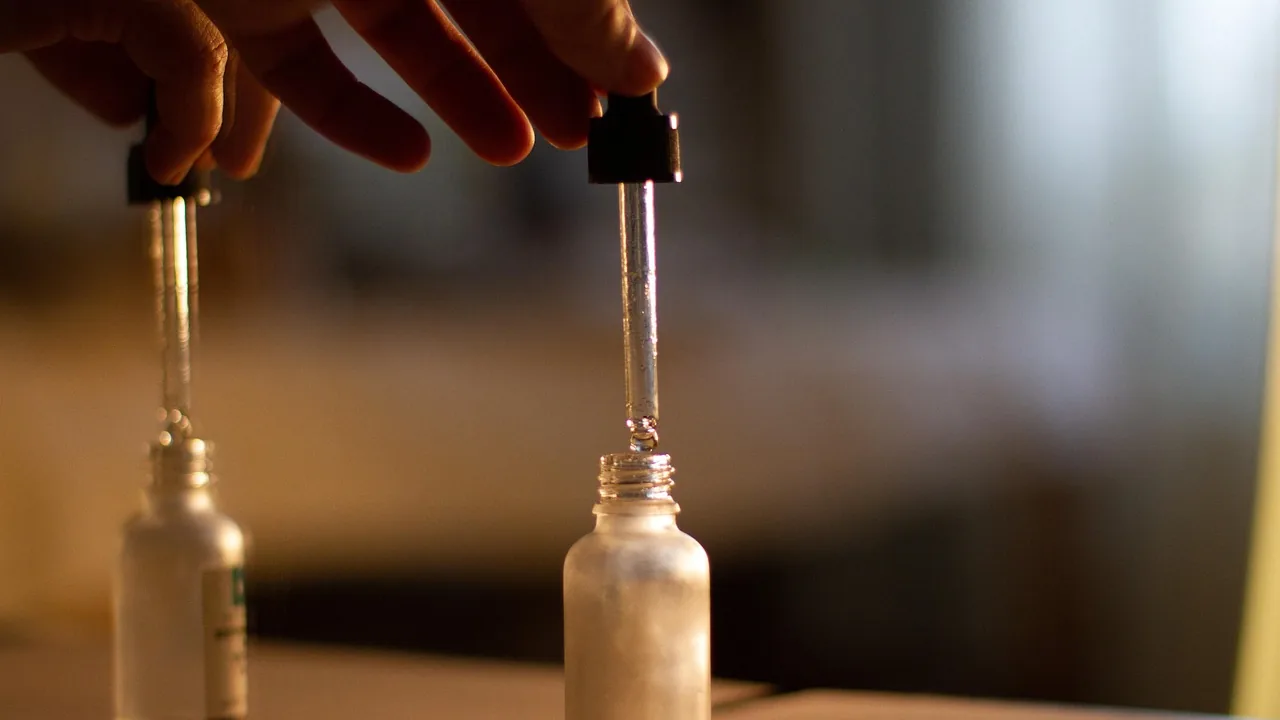
- A watery, fragrance-free serum built on five forms of hyaluronic acid, with panthenol, allantoin, trehalose, betaine and a little ceramide NP.
- Small-molecule HA can reach deeper than standard HA, but the serum is a hydrator; it won't treat wrinkles or acne.
- Good for dehydrated, oily, combination and sensitive skin; very dry skin still needs a cream on top.
- $24 for 50 ml (about $14.20 per oz) at torriden.us as of November 2026, also sold on Amazon; The Ordinary Hyaluronic Acid 2% + B5 costs less.
Torriden DIVE-IN Low Molecular Hyaluronic Acid Serum is a watery, fragrance-free hydrating serum that suits almost every skin type, especially dehydrated, oily and sensitive skin. It's one of the better-built hyaluronic acid serums at its price, with panthenol, allantoin and a little ceramide alongside five forms of HA. It hydrates and makes skin feel comfortable; it won't treat acne, dark spots or wrinkles, and dry skin still needs a moisturizer on top.
If you want to check how its ingredient list fits your own skin type, you can scan the bottle's barcode or label with the ingredient scanner in Pori.
Below we go through the full ingredient list, what "low molecular" hyaluronic acid can and can't do, who should buy it and who should skip it, the price per ounce, how to use it and what to buy instead. We compared published ingredient lists, brand claims and listed prices; we did not test these products on skin.
What is Torriden DIVE-IN Serum?
It's the best-known product from Torriden, a Korean brand whose DIVE IN line is built around hyaluronic acid. Torriden's US site now calls it simply DIVE IN Serum and describes it as an inner moisture serum with 5D multi low-molecular hyaluronic acid. It lists normal, combination and dry skin as the targets and says the formula is gentle enough for sensitive skin.
| Detail | What Torriden states |
|---|---|
| Key ingredients | Five forms of hyaluronic acid, panthenol, allantoin |
| Skin types | Normal, combination, dry; "suitable even for sensitive skin" |
| Texture | Lightweight, non-sticky |
| Fragrance | None listed |
| Size | 50 ml (1.69 fl oz) |
| Irritation test | Human repeat insult patch test, 6 weeks, 50 people aged 20 to 60, rated non-irritant |
What's in it? The full ingredient list explained
Torriden's product page lists: water, butylene glycol, glycerin, dipropylene glycol, 1,2-hexanediol, panthenol, sodium hyaluronate, hydrolyzed hyaluronic acid, sodium acetylated hyaluronate, sodium hyaluronate crosspolymer, hydrolyzed sodium hyaluronate, allantoin, trehalose, betaine, propanediol, Portulaca oleracea (purslane) extract, Hamamelis virginiana (witch hazel) leaf extract, madecassoside, madecassic acid, ceramide NP, beta-glucan, malachite extract, cholesterol, pentylene glycol, glyceryl acrylate/acrylic acid copolymer, PVM/MA copolymer, polyglyceryl-10 laurate, xanthan gum, tromethamine, carbomer, ethylhexylglycerin, Scutellaria baicalensis (Baikal skullcap) root extract, Paeonia suffruticosa (tree peony) root extract. The same list appears on INKEEDecoder.
- Water, butylene glycol, glycerin and dipropylene glycol: the base. Glycerin is a proven humectant, and it sits third, above the hyaluronic acids.
- 1,2-hexanediol, pentylene glycol and ethylhexylglycerin: humectant solvents that also do the preserving. There's no phenoxyethanol or paraben.
- Panthenol: provitamin B5, sixth on the list, so present at a meaningful level. It helps skin hold water and feel calmer.
- Five forms of hyaluronic acid: sodium hyaluronate (standard), hydrolyzed hyaluronic acid and hydrolyzed sodium hyaluronate (broken into smaller pieces), sodium acetylated hyaluronate (modified to cling to skin) and sodium hyaluronate crosspolymer (linked into a film-forming gel). This is the "5D" in the name.
- Allantoin, trehalose, betaine and propanediol: a soother and three more humectants.
- Purslane, witch hazel leaf, Baikal skullcap and tree peony extracts: plant extracts for calming and antioxidant support. Witch hazel leaf extract can be mildly astringent, but here it sits mid-list after the humectants.
- Madecassoside and madecassic acid: purified compounds from centella asiatica, popular in soothing Korean skin care.
- Ceramide NP, cholesterol and beta-glucan: barrier lipids and a soothing humectant, in small amounts.
- Malachite extract: a powdered copper mineral. Its role here is a brand claim with little published evidence.
- Glyceryl acrylate/acrylic acid copolymer, PVM/MA copolymer, xanthan gum, carbomer and polyglyceryl-10 laurate: thickeners, film formers and a solubilizer. Tromethamine adjusts pH.
No fragrance, essential oil, drying alcohol, acid or retinoid appears on the list. That makes it easy to layer, and it also means it has nothing that treats breakouts or pigment.
Does low molecular weight hyaluronic acid work better?
It reaches a little deeper; whether that means better results is less clear. Hyaluronic acid comes in different molecule sizes. Large molecules stay on the surface and hold water there; smaller fragments can get into the upper layers of skin. A 2025 review reported that HA below 100 kDa penetrates skin, and lower molecular weights can reach the dermis; its authors work for an ingredient supplier, which is worth knowing.
The best-known clinical comparison is small. In a 60-day study of 76 women, creams with 0.1% HA in five sizes all improved hydration and elasticity compared with placebo, and only the two smallest sizes (50 and 130 kDa) significantly reduced wrinkle depth. That supports mixing sizes for hydration, but Torriden doesn't publish its HA concentration or the molecule sizes it uses, so you can't map those results onto this bottle.
Panthenol has solid support of its own: a review describes dexpanthenol as improving stratum corneum hydration and reducing water loss. For more on the ingredient, see our guide to how to use hyaluronic acid.
Torriden's own results are small, in-house tests. Its page reports an 88.87% improvement in outer-skin moisture immediately after use in 20 people, moisture held for 48 hours in 20 people, and a 14.94% improvement in deeper stratum corneum moisture after four weeks in 22 people. Those are measurements of hydration, which is what you'd expect a serum like this to change. They aren't published in a journal.
Who is it for, and who should skip it?
It's a good fit if you:
- Have oily but dehydrated skin that feels tight yet shiny.
- Have sensitive skin that dislikes fragrance and essential oils.
- Use a retinoid, benzoyl peroxide or acids and want a calming, hydrating layer under moisturizer.
- Want a simple first serum for a Korean-style routine.
Think twice if you:
- Have very dry skin and want one product: a serum alone won't seal water in. Plan on a cream as well.
- Want to treat a concern: for acne, dark marks or lines, spend first on an active ingredient such as a retinoid, azelaic acid or sunscreen.
- Already own a good hyaluronic serum: the upgrade is modest; the extra forms of HA and the panthenol are nice to have.
- React to botanicals: the plant extracts are low on the list, but test first anyway.
The AAD suggests testing a new product on a quarter-sized area twice a day for 7 to 10 days. Our patch test guide shows how.
How much does it cost per ounce?
As of November 2026, torriden.us lists the 50 ml (1.69 fl oz) bottle at $24, or $44 for a two-bottle set, with up to 10% off on a monthly subscription. Torriden's US store also links to its listings on Amazon, where the price varies.
| Option | Price on torriden.us (November 2026) | Price per oz |
|---|---|---|
| Single, 50 ml / 1.69 fl oz | $24.00 | About $14.20 |
| Duo set, 2 x 50 ml | $44.00 | About $13.02 |
| Single on monthly subscription | $21.60 | About $12.78 |
That's mid-priced for a K-beauty serum and well above a basic hyaluronic acid serum, so you're paying for the texture and the supporting ingredients.
How do you use it?
Torriden's directions are to apply an appropriate amount to the face and pat lightly to absorb.
- Cleanse, then use a toner if you like one.
- Apply a few drops to skin that is still slightly damp and press in.
- Apply any treatment serum, then moisturizer. Torriden pairs it with its DIVE IN Soothing Cream ($27), but any moisturizer works.
- Finish with sunscreen in the morning. If you choose a Korean one, note that many use UV filters not approved by the FDA and are sold in the US as imports; our Korean sunscreen guide explains.
Our how to layer serums guide covers combining it with a vitamin C or niacinamide serum.
What are the best alternatives?
- The Ordinary Hyaluronic Acid 2% + B5: the same idea, multiple forms of HA with panthenol, for less money. Some people find it tacky. Read our Hyaluronic Acid 2% + B5 review.
- The Ordinary Natural Moisturizing Factors + HA: a light cream that can do the serum's and the moisturizer's job in one step. See our NMF + HA review.
- COSRX Advanced Snail 96 Mucin Power Essence: a similar light, fragrance-free hydrator from Korea, built on snail mucin. Our Snail 96 essence review covers it.
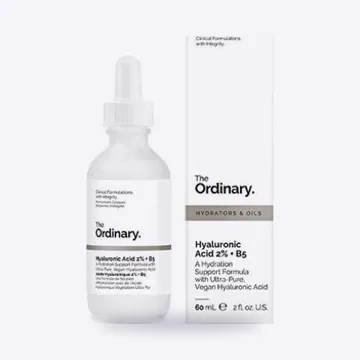
Hyaluronic Acid 2% + B5
Water-binding layer under moisturiser for tight, thirsty skin.
Suits: Dry, Normal, Combination, Oily, Sensitive skin
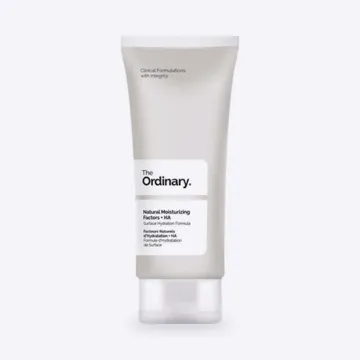
Natural Moisturizing Factors + HA
The cheapest moisturiser worth owning, if money is the constraint.
Suits: Normal, Dry, Combination, Sensitive skin
From Pori's catalogue. Amazon links carry our Associates tag: Pori earns from qualifying purchases, at no cost to you. No brand pays to be listed. Photos: Open Beauty Facts contributors, CC BY-SA 3.0.
For a wider look, see our roundup of the best hyaluronic acid serums, or browse serums.
Is it worth buying?
Yes, if you want a pleasant, fragrance-free hydrating serum and are happy to pay a little more for the texture and the extras. It's well built: glycerin, panthenol and five kinds of hyaluronic acid near the top, gentle preservatives, no fragrance. Just keep your expectations at hydration and comfort. If you already use a hyaluronic acid serum you like, you don't need it. For more Korean skincare, visit our K-beauty hub, read about Korean skincare brands or see our best essences.
Frequently asked questions
Is Torriden DIVE-IN Serum good for oily skin?
Yes. It is a water-light serum with no oils or butters and no added fragrance, so it suits oily and combination skin that feels tight or dehydrated. Pair it with a gel moisturizer.
Is Torriden DIVE-IN Serum the same as the DIVE-IN Low Molecular Hyaluronic Acid Serum?
Yes. Torriden's US site now calls it DIVE IN Serum and describes its 5D multi low-molecular hyaluronic acid. Older listings use the longer name.
Can I use Torriden DIVE-IN Serum with retinol or acids?
Yes. It contains no acids or retinoids, so it layers under both and can make a retinoid feel more comfortable. Apply it to clean skin, then your treatment and moisturizer.
Does Torriden DIVE-IN Serum contain fragrance?
No fragrance or essential oil appears on the ingredient list. It does contain several plant extracts, including witch hazel leaf extract, so very reactive skin should still patch test.
Can hyaluronic acid dry out your skin?
Hyaluronic acid holds water at the surface. If you apply it and leave it without a moisturizer in dry air, some people feel tight. Apply it to damp skin and seal it with a moisturizer.
Sources
- Torriden US: DIVE IN Serum (ingredients, clinical claims, price, directions)
- Torriden US: DIVE IN Soothing Cream
- INKEEDecoder: Torriden Dive In Low Molecular Hyaluronic Acid Serum
- Pavicic T et al. Hyaluronic acid of different molecular weights in anti-wrinkle treatment. J Drugs Dermatol, 2011 (PubMed)
- Zanchetta C et al. Hyaluronic acid in topical applications: forms and biological effects. Biomolecules, 2025 (PubMed)
- Ebner F et al. Topical use of dexpanthenol in skin disorders. Am J Clin Dermatol, 2002 (PubMed)
- American Academy of Dermatology: How to test skin care products
Pori is a wellness and skincare education app, not a medical device. This article is for general information and isn't medical advice. For anything that worries you, see a dermatologist.