Pori
- Pack the cleanser, moisturizer and sunscreen you already use, in containers of 3.4 oz (100 ml) or less inside one quart-sized bag.
- Cabin humidity can fall below 10% on long flights, so fly with moisturized skin and reapply a cream every few hours.
- Pause retinoids and acids on travel days, and don't start any new product on the trip.
- Switch to a richer cream in cold or dry places and a lighter one in humid heat, and cleanse every night to head off travel breakouts.
A good travel skincare routine is a smaller version of the one you use at home: a gentle cleanser, a moisturizer, a broad-spectrum sunscreen and any prescription products, decanted into containers of 3.4 ounces (100 ml) or less for your carry-on. On the plane, skip makeup and strong actives, reapply moisturizer as the dry cabin air pulls water from your skin, and start nothing new until you've settled in.
Below is a packing list that clears airport security, what actually happens to your skin in the cabin, a simple in-flight routine for short and long-haul flights, how to adjust when you land somewhere hotter, colder or more humid, and why so many people break out a few days into a trip. There's a printable-style checklist at the end.
What skincare should I pack in my carry-on?
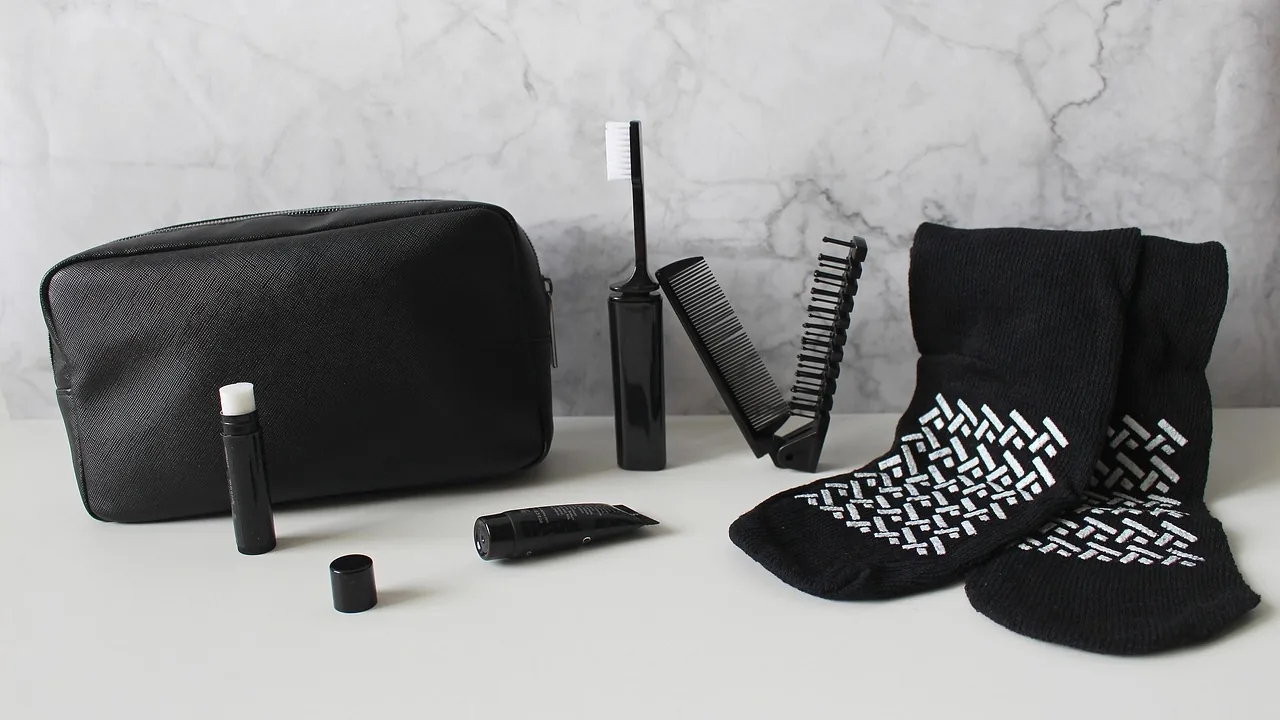
Pack the products you can't go a day without, in travel sizes. Under the US Transportation Security Administration's liquids rule, you can bring a quart-sized bag of liquids, aerosols, gels, creams and pastes, in containers of 3.4 ounces (100 milliliters) or less per item. Anything larger goes in checked luggage. The same page lists medications as an exemption, which matters if you use a prescription cream; check TSA's current guidance before you fly.
Creams and gels count as liquids for screening, so a moisturizer in a big jar won't make it through even if it feels solid. The easiest fix is to decant into small refillable bottles or buy travel sizes of what you already use. Travel is a bad time to try a new brand.
| Item | Why it earns a place | Carry-on tip |
|---|---|---|
| Gentle cleanser | Removes sunscreen, sweat and city grime without stripping | A small refillable bottle is enough for most short trips |
| Moisturizer you already trust | Your main defense against dry cabin and hotel air | Bring a richer cream too if you're heading somewhere cold or dry |
| Broad-spectrum sunscreen, SPF 30+ | New climates often mean more time outdoors | Pack enough: the face alone takes about a teaspoon per application |
| Lip balm or petroleum jelly | Lips dry out fast on planes | A stick or small tube keeps the liquids bag lighter |
| Prescription treatments | Keeps your treatment on schedule while you're away | Keep them in your carry-on so they don't get lost with a checked bag |
| Makeup remover or micellar water | Useful when you arrive late and tired | Single-use pads avoid another bottle |
The sunscreen amount matters for packing. The American Academy of Dermatology (AAD) says most adults need about 1 ounce of sunscreen to cover exposed body skin, and at least 1 teaspoon for the face, reapplied every two hours outdoors. A 3.4-ounce tube can disappear in a couple of beach days, so plan to buy a full-size bottle on arrival or put one in your checked bag. Our guide on how much sunscreen to use has the details.
Why does my skin get so dry on a plane?
Cabin air is extremely dry, and your skin loses water to it within hours. In a small study that measured skin on long-distance flights, cabin humidity fell below 10% within two hours of take-off and stayed there for the rest of the flight. Skin hydration dropped quickly on the face and forearms, with the biggest fall on the cheeks, down by as much as 37%. The study only followed eight women who had stopped using skin care products beforehand, so treat the exact figures as a rough guide, but the direction matches what most frequent flyers feel: tightness, itch and flaky patches.
That kind of dryness is mostly water loss from the outer layer of skin, which is different from having a dry skin type. If you're unsure which one you're dealing with, see dry vs dehydrated skin. Either way, the fix in the air is the same: put moisture back and seal it in.
What is the best skincare routine for a long-haul flight?
Keep it short and repeatable: start with clean skin, apply moisturizer, top up every few hours, and leave actives at home for the day. Here's how that plays out by flight length.
| Flight | Before boarding | In the air | After landing |
|---|---|---|---|
| Short (under 3 hours) | Cleanse, moisturize, sunscreen if it's daytime | Lip balm; nothing else needed | Carry on with your normal routine |
| Medium (3–6 hours) | Bare skin or light makeup, a generous layer of moisturizer | Reapply moisturizer once; drink water | Cleanse, moisturize, sunscreen if you're heading outside |
| Long-haul and overnight | Remove makeup, apply a cream rather than a lotion | Reapply moisturizer every few hours, especially cheeks; balm on lips and dry patches | Gentle cleanse, moisturizer, and a lighter evening; restart actives after a night's sleep |
- Go in with clean, moisturized skin. Makeup over dehydrated skin tends to look patchy after a few hours, and you'll want to touch up your moisturizer without working around foundation.
- Use a cream, and reapply it. The AAD's dry-skin advice is to apply a cream or ointment whenever your skin feels dry and gently massage it in. On a plane, that can mean every two to three hours.
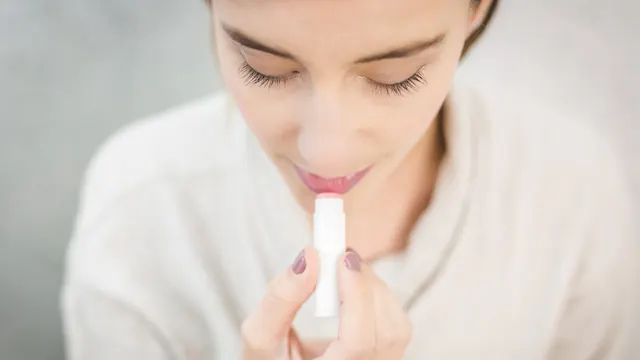
- Protect your lips. The same AAD page recommends lip balm or petroleum jelly for dry lips. A thin layer of petroleum jelly also works on rough patches around the nose.
- Keep your hands off your face. Tray tables, armrests and screens are touched by everyone. Clean hands before you reapply anything.
- Skip the sheet masks and peels. A long flight is a poor place for anything that tingles. If your skin reacts, you're stuck with it for hours.
Facial mists are optional. If you like one, follow it straight away with moisturizer so the cream does the work of holding water in.
Should I use retinol or exfoliating acids while traveling?
Usually, it's better to pause them on travel days and go easy for the first few days of a trip. Retinoids and acids make skin more reactive, and travel adds wind, sun, heat and cold. MedlinePlus, for example, warns people using prescription tretinoin to avoid unnecessary or prolonged sun exposure and notes that weather extremes such as wind and cold may be especially irritating to treated skin.
- Prescription products: don't stop them on your own. Ask your prescriber how to handle a beach trip or a ski holiday.
- Over-the-counter retinol or acids: skip them on the travel day and the first night, then restart at your usual frequency once your skin feels normal.
- Anything new: leave it at home. The AAD suggests testing a new product on a small patch of skin twice daily for seven to 10 days before adding it to your routine, which is hard to do on the road. Our guide to patch testing explains why that wait matters.
How should I change my routine for a new climate?
Match your moisturizer to the air you're landing in: richer for cold or dry places, lighter for heat and humidity, with sunscreen in both. The AAD notes that it's worth adjusting your routine for a different season, and a week in another climate works the same way.
- Cold, dry or high-altitude destinations: switch to a thicker cream, keep showers warm and short, and apply moisturizer while skin is still damp. The AAD recommends limiting showers to five to ten minutes in warm water and moisturizing right after. Our winter skincare routine covers this in more depth.
- Hot and humid destinations: a gel or light lotion is often enough, and heavy creams can feel suffocating. Heat, humidity and heavy sweating are listed by DermNet as risk factors for Malassezia folliculitis, an itchy, uniform rash of small bumps on the chest, back and sometimes forehead that is often mistaken for acne. If you're spending a week somewhere tropical, see our routine for humid climates.
- Sunny destinations: plan for reapplication outdoors and pair sunscreen with a hat and shade.
Why do I break out after traveling?
Travel breakouts usually come from several small changes stacking up at once: stress, broken sleep, heavier products, sweat, and more face-touching than usual. Stress alone isn't a cause, but the AAD notes that stress can worsen existing acne, with severity rising as stress intensifies.
- Heavier products than usual. Layering thick cream for the flight and then keeping it on in a humid city is a common trigger. Lighten up once you land.
- Sweat and sunscreen left on overnight. Cleanse every evening, even when you're exhausted.
- Hotel pillowcases and towels. You can't control how often they're changed, so a clean T-shirt over the pillow is a simple workaround.
- Trying new products from a duty-free shop or hotel kit. A new face cream on day two makes it impossible to know what caused a reaction.
Breakouts like these tend to calm down once you're home and back on your usual routine. Painful, deep spots or a rash that spreads deserve a visit to a doctor or dermatologist.
What should be on a travel skincare checklist?
- Cleanser, moisturizer and sunscreen you already use, in containers of 3.4 oz (100 ml) or less
- A richer cream for cold or dry destinations, or a lighter gel for humid ones
- Lip balm or a small tube of petroleum jelly
- Prescription treatments in your carry-on
- Makeup remover pads for late arrivals
- A plan for buying more sunscreen on arrival if you'll be outdoors
- No new products, and no peels or strong acids on the travel day
- A clean T-shirt or pillowcase if you're prone to breakouts
How can a selfie skin scan help on a trip?
It's hard to tell whether your skin is drier than usual or just feels that way after a flight. A quick photo record before and after a trip makes the change visible. An app like Pori takes a selfie and, in about 10 seconds, returns an overall skin score with a Hydration & Moisture breakdown you can compare with your scans from home. If you're picking up a product abroad, Pori's ingredient scanner (part of Pro) reads a barcode or a photo of the label and flags each ingredient as beneficial, use with caution or avoid for your skin type. Coverage of products from some markets is thinner, so a label photo is often the faster route.
A scan tracks appearance; it isn't a diagnosis. For a rash, a painful breakout or anything that keeps getting worse, see a doctor or dermatologist.
Frequently asked questions
Can I bring skincare in my carry-on?
Yes. In the US, TSA allows creams, gels and liquids in containers of 3.4 ounces (100 ml) or less, all fitting in one quart-sized bag. Larger containers go in checked luggage.
Why does my face feel so dry after a flight?
Cabin humidity on long flights can drop below 10%, and skin loses water to the air within hours. Applying a cream before boarding and reapplying it every few hours helps.
Should I wear makeup on a plane?
On long flights it's easier to skip it. Bare, moisturized skin lets you reapply moisturizer freely, and foundation over dehydrated skin tends to look patchy.
Can I use retinol while traveling?
It's sensible to pause over-the-counter retinol on travel days and restart once your skin feels normal, because sun, wind and cold make retinoid-treated skin more reactive. Don't stop a prescription product without asking your prescriber.
Why do I break out when I travel?
Stress, poor sleep, heavier products, sweat and new products often stack up on a trip. Cleansing every night, lightening your moisturizer in humid places and avoiding new products usually helps.
How much sunscreen should I pack for a beach trip?
More than you think: dermatologists say most adults need about 1 ounce to cover the body and at least a teaspoon for the face each time. A 3.4-ounce tube may only last a couple of days, so buy more on arrival or pack a bottle in checked luggage.
Sources
- Transportation Security Administration: Liquids, Aerosols, and Gels Rule
- Guéhenneux S et al. Skin surface hydration decreases rapidly during long distance flights. Skin Res Technol, 2012 (PubMed)
- American Academy of Dermatology: Dermatologists' tips for relieving dry skin
- American Academy of Dermatology: How to pick the right moisturizer for your skin
- American Academy of Dermatology: How to test skin care products
- MedlinePlus: Tretinoin Topical
- American Academy of Dermatology: How to apply sunscreen
- DermNet: Malassezia folliculitis
Pori is a wellness and skincare education app, not a medical device. This article is for general information and isn't medical advice. For anything that worries you, see a dermatologist.