Pori

- Humid air is kinder to the skin barrier than dry air, so most people can get by with a lighter moisturizer or none on oily areas.
- Use a gel or humectant layer only where skin feels tight, and choose oil-free, non-comedogenic products.
- No sunscreen is sweatproof: pick water-resistant SPF 30+ and reapply every two hours and after sweating.
- Itchy, same-sized bumps on the chest, back or hairline may be fungal acne, which needs antifungal treatment.
A skincare routine for a humid climate is short and light: a gentle cleanser morning and night (and after heavy sweating), a gel or oil-free moisturizer only where skin feels tight, and a broad-spectrum, water-resistant SPF 30 or higher reapplied every two hours outdoors. Skip heavy occlusives on oily areas, and watch for itchy, same-sized bumps that can be fungal rather than acne.
This guide is for people who live with heat and humidity most of the year, in the tropics, the Gulf Coast, Southeast Asia or anywhere the air stays muggy. If you only need to adjust for a few hot months, our summer skincare routine covers seasonal swaps. Here, we look at how humidity changes what your skin needs, whether moisturizer is still worth it, how to keep SPF on through sweat, and which heat-loving breakouts to know about.
How does a humid climate affect your skin?
Humid air is generally easier on the skin barrier than dry air, but heat and constant sweat bring their own problems. Research on climate and skin points in one direction: a review concluded that low humidity and low temperatures decrease skin barrier function and make skin more reactive to irritants. If you've moved from a dry, cold place, you may find that the flaking and tightness you used to fight ease off.
The trade-off is what heat and moisture do on the surface. Skin that's warm and damp for hours feels greasier, sunscreen and makeup slide, and sweat that can't escape can block sweat ducts. Yeast that normally lives on skin can also overgrow: DermNet lists a hot humid climate, high sebum production, heavy sweating and occlusion from emollients and sunscreens as risk factors for Malassezia folliculitis, often called fungal acne. A humid-climate routine aims to keep skin clean and comfortable without trapping heat, oil and sweat under heavy layers.
| What humid heat does | What you notice | What helps |
|---|---|---|
| Less water loss from the skin | Less flaking and tightness than in dry climates | Lighter moisturizer, or none on oily areas |
| Constant sweat and warmth | Shine, slipping makeup, sticky feel | Wash after heavy sweating; blot instead of powdering |
| Sweat and toweling wear sunscreen off | Burning or tanning despite SPF | Water-resistant SPF, reapplied on schedule |
| Blocked sweat ducts | Prickly, itchy rash in folds and covered areas | Loose cotton clothing, cool showers |
| Yeast overgrowth in follicles | Itchy, uniform bumps on chest, back, hairline | Lighter products; see a doctor for antifungal treatment |
Do you need moisturizer in humid weather?
Many people still benefit from a light moisturizer in humid weather, but not everyone needs one, and few need a heavy cream. The AAD's advice for oily skin is that you can consider skipping moisturizer or using a gel, which is usually water-based and lighter than a lotion. For acne-prone skin, the AAD recommends applying moisturizer when your skin feels dry and choosing one labeled oil-free, non-comedogenic or "won't clog pores."
Use this as a quick test. Wash your face, apply nothing, and see how it feels after half an hour indoors. If it's comfortable or shiny, a gel on the cheeks or nothing at all is fine. If it feels tight or stings, your barrier wants a little help, even in muggy weather. Retinoids, benzoyl peroxide, long hours in air conditioning and frequent washing can all leave skin dry in a wet climate, so the test matters more than the weather report. Our guide to finding your skin type walks through the full version.
What is a humectant-only routine?
A humectant-only routine uses water-binding ingredients such as glycerin, hyaluronic acid, panthenol or sodium PCA without the oils and butters that make a cream rich. It usually means a watery serum, an essence or a gel moisturizer as your only hydrating layer. In humid air, these give your skin water without a heavy film, which is why they suit tropical climates so well.
- Apply humectants to slightly damp skin and follow with sunscreen in the morning.
- At night, use one light gel or lotion if your skin feels tight by morning; skip it if it doesn't.
- Keep ointments and balms for specific dry patches, such as around the nose or after a sunburn.
What is the best sunscreen for hot and humid weather?
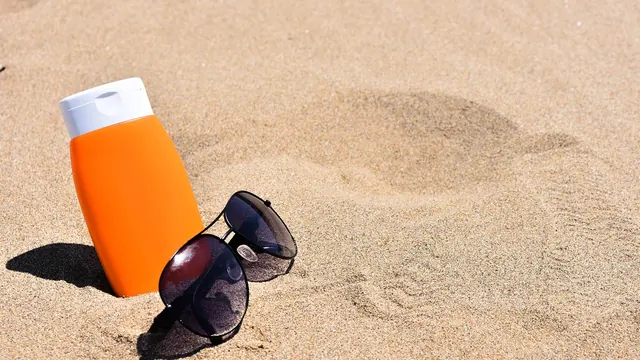
The best sunscreen for humidity is one you'll reapply: broad-spectrum, SPF 30 or higher, water-resistant, in a light texture that doesn't pill or slide. The AAD recommends a broad-spectrum, water-resistant sunscreen with SPF 30 or higher on all exposed skin. Water resistance has a time limit; the FDA requires labels to state whether protection lasts 40 or 80 minutes when swimming or sweating.
"Sweat-proof" sunscreen doesn't exist. The AAD notes that manufacturers aren't allowed to call sunscreen "waterproof" or "sweatproof" because the terms would be misleading, and that you should reapply after swimming or sweating. The FDA's rule is to reapply at least every two hours, and more often if you're sweating or swimming.
Non-comedogenic sunscreen for humidity
If you break out easily, choose sunscreens labeled oil-free or non-comedogenic. The AAD suggests that people with acne-prone or oily skin look for zinc oxide and titanium dioxide and avoid sunscreens that contain fragrance or oils. Fluids, gels and "watery essence" textures usually feel best in sticky heat. Because DermNet lists occlusion from sunscreens as a risk factor for fungal folliculitis, it's worth removing sunscreen thoroughly at night; a gentle cleanser is usually enough, though some people prefer a cleansing oil first for water-resistant formulas. For product picks, see our list of sunscreens for acne-prone skin.
How do I keep sweat from causing breakouts?
Wash or rinse soon after heavy sweating, and don't let damp clothing or straps sit on your skin. The AAD advises washing up to twice daily and after sweating with a gentle cleanser, without scrubbing. Scrubbing irritates skin and can make oiliness and breakouts look worse.
- Shower or wash your face after workouts, long walks and commutes in the heat.
- Change out of sweaty clothes, sports bras and hats promptly.
- Choose loose, breathable fabrics for daily wear.
- Use blotting papers through the day; the AAD suggests pressing gently for a few seconds instead of rubbing.
- Choose oil-free, water-based or matte makeup if you wear it.
- Wash pillowcases and towels often.
Is it fungal acne, heat rash or regular acne?
All three are more common in hot, humid weather, and they look different enough that it's worth knowing the signs. Fungal acne (Malassezia folliculitis) shows up, according to DermNet, as small, uniform, itchy papules and pustules, particularly on the upper back and chest, and sometimes on the forehead, hairline, chin and neck. DermNet notes that comedones (blackheads and whiteheads) are not seen, which is what sets it apart from regular acne.
Heat rash, or prickly heat, comes from blocked sweat glands. The NHS describes small raised spots about 2 to 4 mm across with an itchy, prickly feeling. It looks red on white skin and may look grey or white on brown or black skin, and it usually improves within a few days once you keep cool.
| Feature | Regular acne | Fungal acne | Heat rash |
|---|---|---|---|
| Look | Mixed sizes: blackheads, whiteheads, red bumps | Same-sized small bumps and pustules, no blackheads | Tiny raised spots, sometimes fluid-filled |
| Feel | Tender, sometimes sore | Itchy | Itchy or prickly |
| Where | Face, chest, back | Upper back, chest, hairline, forehead | Anywhere, often covered areas and folds |
| What helps | Benzoyl peroxide, salicylic acid, retinoids | Antifungals, such as topical ketoconazole or selenium sulfide | Cooling down; avoid perfumed gels and creams |
For fungal acne, DermNet notes that topical selenium sulfide shampoo, econazole solution and ketoconazole are effective in most cases, that addressing triggers comes first, and that recurrence is common, which matters if you live in heat year-round. Because the conditions look similar, see a doctor or dermatologist for a diagnosis before starting treatment, especially if regular acne products haven't helped after several weeks. The NHS suggests seeing a doctor about heat rash that doesn't improve after a few days. Our explainer on fungal acne vs regular acne goes into more detail on telling them apart.
What does a skincare routine for a humid climate look like?
Morning
- Cleanse with a gentle gel cleanser, or rinse with water if your skin isn't oily.
- Humectant serum or essence (optional): glycerin, hyaluronic acid or niacinamide.
- Gel moisturizer only where you need it.
- Broad-spectrum, water-resistant SPF 30+, reapplied every two hours outdoors and after sweating.
Evening
- Cleanse thoroughly to remove sweat and sunscreen.
- Treatment, if you use one: a retinoid, an exfoliating acid or an acne product, on a schedule your skin tolerates.
- Light moisturizer if your skin feels tight, especially on nights you use a retinoid.
After a sweaty day or workout
- Rinse or cleanse face and body promptly.
- Change into dry clothes.
- Reapply sunscreen if you're heading back outside.
If your skin is oily rather than combination, our oily skin routine fills in product types step by step.
How can a selfie scan or ingredient scanner help in a humid climate?
In steady heat, the useful question is whether your routine is quietly too heavy or too stripping. Tracking your skin the same way each week makes that easier to judge. Pori, an iPhone app, turns a selfie into an overall skin score from 0 to 100 with readings for Hydration & Moisture, Pores & Texture and Pigmentation & Tone, and a skin diary lets you log sleep, water, stress and diet next to each scan. Its ingredient scanner (Pro) reads a barcode or a label photo and flags each ingredient as beneficial, use with caution or avoid for your skin type, which is useful when you're checking whether a sunscreen or moisturizer is heavier than it looks. Pori is free to download with a free first scan; Pro is $9.99 a week or $49.99 a year in the US as of October 2026.
An app looks at appearance and isn't a diagnosis. It can't tell fungal acne from regular acne or heat rash, so see a dermatologist for itchy bumps that don't respond to treatment, painful or spreading rashes, or any mole that changes.
Frequently asked questions
What is a good skincare routine for a humid climate?
Use a gentle cleanser morning and night and after heavy sweating, a gel or oil-free moisturizer only where skin feels tight, and a broad-spectrum, water-resistant SPF 30 or higher. Reapply sunscreen every two hours outdoors and after sweating.
Do you need moisturizer in humid weather?
Not always. If your skin feels comfortable or shiny after washing, a light gel or no moisturizer is fine; if it feels tight or stings, use an oil-free, non-comedogenic gel or lotion.
What sunscreen is best for hot and humid weather?
A broad-spectrum, water-resistant SPF 30 or higher in a light, oil-free texture. No sunscreen is sweatproof, so reapply after 40 or 80 minutes of sweating, as the label states.
Can humidity cause fungal acne?
A hot, humid climate is a known risk factor for Malassezia folliculitis, along with heavy sweating, oily skin and occlusive products. It looks like small, itchy, uniform bumps, often on the chest and back, and is treated with antifungals.
How do I stop sweat from breaking me out?
Wash or rinse after heavy sweating, change out of damp clothes promptly and avoid scrubbing. Use oil-free, non-comedogenic products.
Is heat rash the same as acne?
No. Heat rash comes from blocked sweat glands and shows up as tiny, itchy or prickly spots that usually fade within a few days once you cool down.
Sources
- DermNet: Malassezia folliculitis
- NHS: Heat rash (prickly heat)
- Engebretsen KA et al. The effect of environmental humidity and temperature on skin barrier function and dermatitis. J Eur Acad Dermatol Venereol, 2016 (PubMed)
- American Academy of Dermatology: How to pick the right moisturizer for your skin
- American Academy of Dermatology: Moisturizer: Why you may need it if you have acne
- American Academy of Dermatology: How to control oily skin
- American Academy of Dermatology: Sunscreen FAQs
- U.S. Food and Drug Administration: Sunscreen: How to help protect your skin from the sun
Pori is a wellness and skincare education app, not a medical device. This article is for general information and isn't medical advice. For anything that worries you, see a dermatologist.