Pori
- Use a gentle hydrating cleanser, a thick non-comedogenic moisturizer on damp skin, and broad-spectrum SPF 30+ every morning.
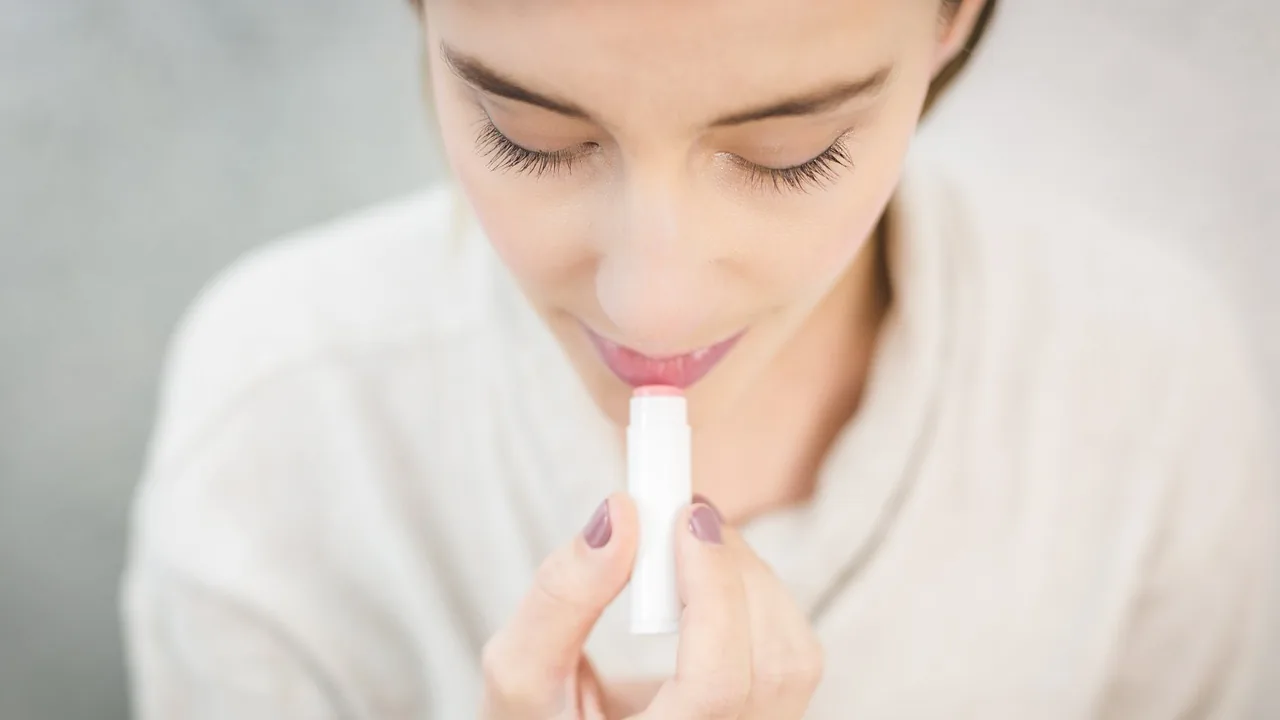
- Put petroleum jelly on your lips all day and before bed, with an SPF 30 lip balm outdoors.
- Stop retinol, AHAs, BHAs, benzoyl peroxide, sulfur, vitamin C, toners and scrubs, and don't wax.
- Dryness and sun sensitivity clear after the course; ask your dermatologist when to restart actives and book procedures.
An Accutane skincare routine is a barrier-first routine: a gentle, hydrating cleanser, a thick moisturizer applied to damp skin, petroleum jelly on your lips all day, and broad-spectrum SPF 30+ every morning. Stop retinol, acids, benzoyl peroxide, vitamin C, toners and scrubs for the length of the course. Your prescriber's instructions come first.
Isotretinoin (sold as Accutane and under other brand names) clears acne for many people, and dryness is the usual trade-off. Below is a morning and evening routine, what to stop and for how long, lip and eye care, sun protection, and what to expect in the months after your last capsule. This is general education; your dermatologist knows your dose and your skin.
Why does Accutane make your skin so dry?
Dryness is the most predictable side effect of isotretinoin. The AAD says dry skin, chapped lips, dry and irritated eyes, and even nosebleeds are common while taking it. DermNet, the New Zealand dermatology reference, lists sore, cracked or scaly lips in 100% of patients on 1 mg/kg/day, with fewer side effects at lower doses, and notes skin can become fragile as well as dry.
The good news is that it's temporary. The AAD says that once you stop taking isotretinoin, the dryness will clear. A course usually lasts a few months: the AAD puts it at about four to five months, while the NHS says around 3 months, shorter or longer depending on your response.
What should you stop using on Accutane?
Stop anything designed to exfoliate, dry or treat acne, because the medication is already doing that job. The AAD's isotretinoin skin care advice says to avoid:
- Retinol applied to the skin, and vitamin A supplements.
- Benzoyl peroxide and sulfur, which can increase skin irritation and dryness.
- Alpha- and beta-hydroxy acids such as glycolic, lactic and salicylic acid.
- Vitamin C in skin care products.
- Toners, fragrances and dyes.
- Scrubs and exfoliating cleansers, including sugar, coffee grounds and beads.
Procedures need the same caution. The NHS advises against waxing or laser hair removal and against microdermabrasion or chemical peels while you take isotretinoin. DermNet's advice is simple: shave rather than wax.
What is the best Accutane skincare routine?
Keep it to three or four steps and use the same products every day. Look for labels that say "gentle," "hydrating" or "sensitive skin," which is what the AAD suggests looking for in a cleanser, plus "non-comedogenic" on anything you leave on.
| Step | Morning | Evening | What to look for |
|---|---|---|---|
| 1. Cleanse | Lukewarm water or a splash of gentle cleanser | Gentle, hydrating cleanser with fingertips | Cream or lotion texture, fragrance-free, no exfoliants |
| 2. Moisturize | Moisturizer on still-damp skin | Thicker cream on damp skin | Ceramides, glycerin, petrolatum; non-comedogenic |
| 3. Protect | Broad-spectrum SPF 30+ | None | Fragrance-free; mineral filters if your skin stings |
| 4. Lips | SPF 30+ lip balm outdoors | Petroleum jelly before bed | Plain, fragrance-free, no flavoring |
Cleanser
Wash with your fingertips, not a cloth or brush, and keep water lukewarm. DermNet also suggests shorter, cool showers without soap and a mild or diluted shampoo. If your skin feels raw, a morning rinse with water and one gentle cleanse at night is enough.
Moisturizer
The AAD recommends applying moisturizer while your skin is still damp after cleansing and choosing an oil-free, non-comedogenic product for acne-prone areas. DermNet says emollients and lip balm should be applied frequently and liberally. In practice that might mean a lotion in the morning, a richer cream at night and a reapplication midday if your skin tightens. A ceramide cream is a good default; our guide to ceramides explains what to look for on the label, and how to repair a damaged skin barrier covers the signs that your skin needs even more support.
What is the best lip balm for Accutane?
A plain occlusive works better than a flavored or tingly balm. The AAD suggests petroleum jelly throughout the day and before bed when you're indoors, and a lip balm with SPF 30 or higher when you're outside. Keep one in every bag and pocket you use so you never skip it. Pass on fragranced or flavored balms; the AAD lists fragrances and dyes among the things that irritate skin during treatment. If you're curious whether petrolatum clogs pores on the rest of your face, see petrolatum and slugging.
The same occlusive habit helps elsewhere. To prevent nosebleeds, the AAD suggests a moisturizing nasal spray or a very small amount of petroleum jelly just inside the nostril, and for eyes, saline drops or artificial tears. Use medicated eye drops only if your dermatologist recommends them.
Can you use sunscreen on Accutane?
Yes, and you should every day. The AAD warns that skin on isotretinoin may become more sensitive to the sun, causing you to sunburn more quickly and unexpectedly, and recommends sunscreen on all skin not covered by clothing, reapplied at least every 2 hours and after swimming or sweating. The NHS adds SPF of at least 30 and no sunbeds or sunlamps.
Pick a broad-spectrum formula, which the AAD explains means protection from both UVA and UVB rays, in a texture you'll actually wear. If a sunscreen stings on raw skin, try a fragrance-free zinc oxide or titanium dioxide formula instead. Our guide to how much sunscreen to use gives the amount for your face.
Is it normal for acne to get worse at the start of Accutane?
It can happen, but most people don't experience it. The AAD says some see their acne worsen when they start taking isotretinoin, and DermNet lists an acne flare-up as more likely when the starting dose is above 0.5 mg/kg/day. Don't add spot treatments or acids to fight it; tell your dermatologist, who can adjust the plan. Keep your hands off healing spots, since DermNet notes skin can become fragile during the course.
What skincare should you use after Accutane?
For the first weeks after your last dose, keep the same gentle routine. The dryness fades as your oil glands recover, and the AAD says increased sun sensitivity will go away once you stop taking isotretinoin. As your skin starts to feel less tight, step down to a lighter moisturizer and keep daily sunscreen.
Bringing actives back
Ask your dermatologist when and what to restart, because it depends on your skin and on relapse risk. DermNet notes that at least half of patients have a long-lasting response after one adequate course, and that relapse is more common in females and in people older than 25. If your dermatologist suggests a topical retinoid or acid for maintenance, reintroduce it slowly, a few nights a week at first, as if you were new to it.
Procedures and hair removal
Advice on timing varies. MedlinePlus says to avoid waxing, laser skin treatments and dermabrasion for 6 months after treatment, because of a higher chance of scarring. DermNet similarly advises against mechanical dermabrasion and ablative lasers for 6 months. A 2017 systematic review with consensus recommendations in JAMA Dermatology found insufficient evidence to delay superficial chemical peels, laser hair removal or fractional lasers, while still recommending against mechanical dermabrasion and fully ablative laser during treatment. If you want acne scar treatment, let your dermatologist decide the timing with you.
Pregnancy and blood donation
Isotretinoin can cause serious birth defects, which is why the US iPLEDGE program requires pregnancy tests before and during treatment for patients who can become pregnant. The NHS says to continue contraception for at least 1 month after you stop and to wait at least a month before trying to conceive. MedlinePlus says not to donate blood while taking it and for 1 month after, and not to breastfeed in that window either.
How can a skin scan help during and after Accutane?
A course lasts months, and both the dryness and the improvement happen slowly, so it's easy to lose track of how far you've come. A selfie taken in the same light every week or two gives you a record to show your dermatologist at each monthly visit. Pori returns an overall skin score with a breakdown that includes Hydration & Moisture and Pores & Texture, and its before-and-after comparison lets you put month one next to month five.
After the course, Pori's ingredient scanner (Pro) reads a barcode or label photo and flags each ingredient as beneficial, use with caution or avoid for your skin type, which helps when you start shopping for products again. During the course, the AAD's list above and your prescriber's advice should decide what goes on your skin.
An app is not a diagnosis and doesn't replace your monthly check-ins. Report severe dryness or any other side effect that worries you to your prescriber.
Frequently asked questions
What is the best moisturizer on Accutane?
A fragrance-free, non-comedogenic cream with barrier ingredients such as ceramides, glycerin or petrolatum, applied to damp skin. Reapply whenever your skin feels tight.
What lip balm should I use on Accutane?
The AAD suggests petroleum jelly throughout the day and before bed indoors, and a lip balm with SPF 30 or higher outdoors. Skip flavored or tingling balms.
Can you use sunscreen on Accutane?
Yes, every day. Isotretinoin can make you sunburn more quickly, so use broad-spectrum SPF 30+ on exposed skin and reapply at least every 2 hours.
Can I use retinol or salicylic acid while on Accutane?
No. The AAD advises avoiding topical retinol, AHAs and BHAs such as glycolic and salicylic acid, benzoyl peroxide, sulfur, vitamin C and toners during treatment.
How long after Accutane can I wax or get laser?
MedlinePlus says to avoid waxing, laser skin treatments and dermabrasion for 6 months after treatment. A 2017 consensus review found insufficient evidence to delay some superficial procedures, so ask your dermatologist.
Does Accutane dryness go away?
Yes. The AAD says the dryness clears once you stop taking isotretinoin, and sun sensitivity goes away too.
Sources
- American Academy of Dermatology: Isotretinoin: Overview
- American Academy of Dermatology: Isotretinoin: The truth about safety, side effects, and skin care
- NHS: Isotretinoin: a medicine for severe acne
- MedlinePlus: Isotretinoin
- DermNet: Isotretinoin
- Spring LK et al. Isotretinoin and Timing of Procedural Interventions: A Systematic Review With Consensus Recommendations. JAMA Dermatol, 2017 (PubMed)
- American Academy of Dermatology: How to select a sunscreen
Pori is a wellness and skincare education app, not a medical device. This article is for general information and isn't medical advice. For anything that worries you, see a dermatologist.