Pori
- Medicube belongs to APR Co., a Korean beauty and device company; it has been sold at Ulta's 1,400-plus US stores since August 2025.
- Zero Pore Pads ($24 on sale for 70) exfoliate with lactic and salicylic acid but contain denatured alcohol and several essential oils.
- The Booster Pro ($230 on sale) has booster, microcurrent, Air Shot, Derma Shot and LED modes; its claims come from brand tests, and its page claims no FDA clearance.
- Medicube's US sunscreens use FDA-listed filters and carry Drug Facts labels from APR US Inc.
Medicube is a Korean beauty-tech brand owned by APR Corporation, known for its Zero Pore Pads, its PDRN Pink skincare line and its AGE-R home devices such as the Booster Pro. The pads ($24 for 70 on sale) are a real exfoliant with lactic and salicylic acid. The Booster Pro ($230 on sale) is a multi-mode beauty device whose results come from brand tests, and its US page claims no FDA clearance.
Before you buy, you can scan a product's barcode or label with the ingredient scanner in Pori to check it against your skin type. Pori reads the ingredient list for you; it does not diagnose skin conditions.
This guide covers who owns Medicube, what is in its bestsellers, what the devices can and cannot do, which products suit which skin type, what to skip and where to buy it in the US. We compared published ingredient lists, brand claims and listed prices; we did not test these products or devices on skin. Prices are from medicube.us as of November 2026. Medicube runs near-constant sales, so we give the sale price and the regular price. For more Korean brands, see our K-beauty hub.
Who owns Medicube?
Medicube belongs to APR Co., a fast-growing South Korean beauty company that sells both skincare and home beauty devices. Its devices carry the AGE-R name. Medicube's US sunscreen labels on DailyMed list APR US Inc. as the labeler, which confirms who stands behind the products sold here. APR is independent of Amorepacific and LG.
In the US, Medicube moved into stores in 2025: from August that year, 22 Medicube products went on sale at Ulta Beauty online and in its 1,400-plus stores. Our overview of Korean skincare brands shows how it compares with the older names.
What is Medicube known for?
Three things: the Zero Pore line for oily skin, the pink PDRN line built around salmon DNA, and the AGE-R devices. The skincare is mostly $16 to $26 per item. The devices run from $99 for the Mini Booster Pro to $249 for the Booster Pro X2 on sale. Medicube also sells many bundles that pair a device with skincare for $250 or more.
Do Medicube Zero Pore Pads work?
They are a genuine acid exfoliant, so they can smooth rough texture and help with clogged pores over time. Each jar holds 70 pads soaked in a toner with lactic acid and salicylic acid near the top of the list, plus 0.45% white willow bark and betaine salicylate. Medicube does not state the acid percentages. The pads cost $24 on sale (regular $31) for one jar, and they were sold out on medicube.us when we checked.
There are catches. Denatured alcohol is the fifth ingredient. The list also includes several essential oils, among them orange, lemon, grapefruit and bergamot peel oils, rosemary, eucalyptus and lavender oil, plus limonene. None is labeled fragrance, but together they make the pads a poor fit for sensitive, dry or rosacea-prone skin.
Medicube's FAQ says the pads are gentle enough for morning and night use and suggests a few uses a week for very sensitive skin. We would start at three nights a week for everyone, since daily acid plus alcohol can dry out the barrier. Do not use them on freshly shaved or irritated skin. If your skin is reactive, Medicube sells Zero Pore Madecassoside Pads (Mild) at the same price; check its list before buying. Our guides to exfoliating acids for beginners and how often to exfoliate explain how to start.
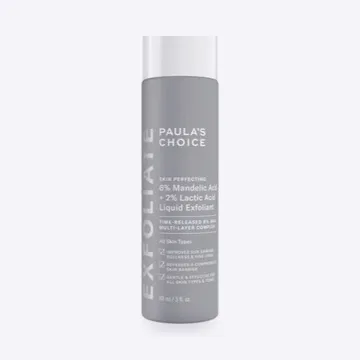
Skin Perfecting 6% Mandelic Acid + 2% Lactic Acid Liquid Exfoliant
Exfoliant with mandelic acid and lactic acid. Fragrance-free.
Suits: Normal, Dry, Oily, Combination, Sensitive skin
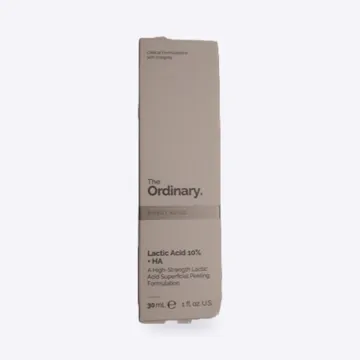
Lactic Acid 10% + HA
Leave-on exfoliant with lactic acid, hyaluronic acid and glycerin. Fragrance-free.
Suits: Normal, Dry, Oily, Combination skin
From Pori's catalogue. Amazon links carry our Associates tag: Pori earns from qualifying purchases, at no cost to you. No brand pays to be listed. Photos: Open Beauty Facts contributors, CC BY-SA 3.0.
What is in the Medicube PDRN Pink line?
PDRN (polydeoxyribonucleotide) is a DNA fragment, here from salmon, with a plant-based Rose PDRN version for people who avoid animal ingredients. The PDRN Pink Peptide Serum ($24 on sale, regular $26, for 30 ml) pairs it with five peptides, including palmitoyl pentapeptide-4, copper tripeptide-1 and acetyl hexapeptide-8, plus niacinamide. Medicube does not say how much PDRN it contains.
One detail to know: the serum page says it is made without fragrance, yet fragrance appears in both versions' ingredient lists. Trust the list. We found little published evidence for PDRN in products you put on the skin's surface, so treat this as a peptide and niacinamide serum. Our peptides guide covers what peptides can do.
The Collagen Night Wrapping Mask ($24) is a peel-off overnight mask with collagen extract, niacinamide, ceramide NP and hyaluronic acid and no fragrance in its list. Collagen in a mask hydrates the surface; it does not add collagen to your skin.
Does the Medicube Booster Pro work?
Here are the facts as Medicube states them. The Booster Pro is a handheld 6-in-1 device for $230 on sale (regular $249), sold out on medicube.us when we checked. It has four modes: Booster, meant to help skincare absorb; Air Shot, for pores and texture; MC, a microcurrent mode for volume around the eyes and mouth; and Derma Shot, for definition. It also has LED light and sonic vibration. The newer Booster Pro X2 costs $249 on sale (regular $299), and the Mini Booster Pro costs $99.
Medicube reports +70.4% plumper-looking skin, 34.56% smaller-looking pores and 763.3% better absorption, from tests by a contract lab it names. The page does not give the number of people, the length of the study or whether the results were measured or self-rated. Those figures cannot be checked, so we would not lean on them.
The page makes no claim of FDA clearance, and we found none. What independent research says about home devices in general is modest:
- A 2024 review of 18 clinical studies of home devices using radiofrequency, microcurrent and LED found they can improve skin aging to a certain extent, with only short-lived redness and swelling as side effects. It also found small samples and short follow-up across the studies.
- A 2026 review in Facial Plastic Surgery called the efficacy of at-home devices modest and more gradual than in-office treatments, and noted that many devices are FDA-cleared.
In short: a device like this may give a small, gradual change in how skin looks, and it will not match an in-office treatment. Medicube's own cautions are worth following: use level 1 on thin skin around the eyes, nose and mouth; expect stronger irritation if you use it with retinol or vitamin C products; and keep the LED away from your eyes. Ask a doctor first if you have a pacemaker or other implanted device, are pregnant, or have a skin condition, since the US page lists no contraindications. A good sunscreen, a retinoid and a moisturizer will do more for aging skin per dollar. Our guide to retinol for beginners is a better first step.
Is Medicube sunscreen FDA approved?
Medicube's US sunscreens use FDA-listed filters and carry Drug Facts labels filed by APR US Inc. Many Korean-market sunscreens use filters the FDA has not approved, such as Tinosorb M or Uvinul A Plus, and reach US buyers as imports without a US label. Medicube's US ones do not have that problem.
| Medicube US sunscreen | Filters on the US label | Price |
|---|---|---|
| No Cast Just Glow Collagen Sunscreen SPF 50 | Homosalate, octocrylene, octisalate, avobenzone (Collagen Glow Sunscreen label: 13.6%, 9%, 4.5%, 2.7%) | $22 (medicube.us; sold out when checked) |
| PDRN Hydrating UV Serum | Homosalate 5%, octocrylene 5%, octisalate 4.5%, ensulizole 2.5% | Check medicube.us or Ulta |
Neither lists fragrance among its inactive ingredients. Both rely on chemical filters, so people who react to octocrylene or homosalate should choose a zinc oxide sunscreen instead. Our Korean vs American sunscreen guide explains the rules, and the best Korean sunscreen roundup compares US-labeled picks, including the story of Beauty of Joseon Relief Sun.
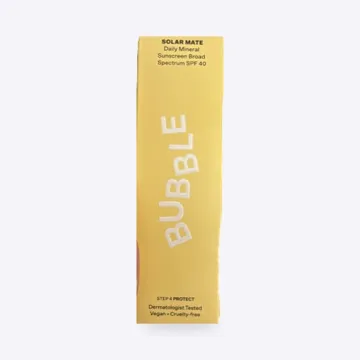
Solar Mate Daily Mineral Sunscreen Broad Spectrum SPF 40
Mineral spf 40 sunscreen with zinc oxide and glycerin. Fragrance-free.
Suits: Normal, Dry, Oily, Combination, Sensitive skin
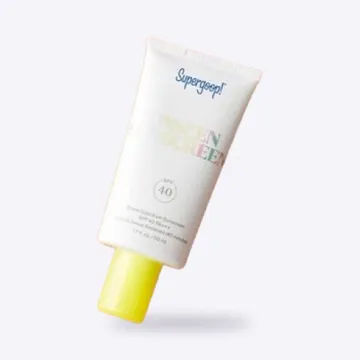
Unseen Sunscreen SPF 50
Dry, grippy finish — doubles as a primer, leaves no cast.
Suits: Oily, Combination, Normal skin
From Pori's catalogue. Amazon links carry our Associates tag: Pori earns from qualifying purchases, at no cost to you. No brand pays to be listed. Photos: Open Beauty Facts contributors, CC BY-SA 3.0.
What should you buy from Medicube for your skin type?
| Skin type | Try | Skip |
|---|---|---|
| Oily, with rough texture or blackheads | Zero Pore Pads, two or three nights a week | Stacking the pads with other acids |
| Dry or dehydrated | Collagen Night Wrapping Mask, a plain moisturizer | Zero Pore Pads (alcohol, acids) |
| Sensitive or rosacea-prone | Collagen Night Wrapping Mask; patch test first | Zero Pore Pads (essential oils), PDRN serum (fragrance) |
| Early signs of aging | PDRN Pink Peptide Serum, if fragrance suits you | Paying for a device before you have daily SPF |
Which Medicube products should you skip?
- Zero Pore Pads on sensitive or dry skin. Alcohol, acids and essential oils together are a lot for a weak barrier.
- Daily pads plus a nightly retinoid. Alternate nights instead. See ingredients not to mix.
- Big device bundles on impulse. The sale prices change constantly and the results are modest.
- The device if you have an implant or are pregnant, unless your doctor agrees.
Has Medicube reformulated its products?
Often, and quietly. The Zero Pore Pads page cites tests on Zero Pore Pads 2.0, a later version of the original pads, and a milder madecassoside version now sits beside it. The Booster Pro has a successor, the Booster Pro X2, and there are Mini versions. The PDRN serum now comes in salmon and rose versions. Product names and lists change between the Korean and US sites, so read the list on the jar you receive.
Where can you buy Medicube in the US?
At Ulta Beauty, online and in stores, and at medicube.us, which has the widest range and the bundles. On marketplaces, buy only from the brand's own storefront. Devices are electrical products, so buy them from the brand or a major retailer to keep the warranty. Our guide on where to buy Korean skincare in the US covers counterfeits and import costs.
How do you build a Medicube routine?
Pick one product to solve one problem. For oily skin with texture: a gentle cleanser, Zero Pore Pads two or three nights a week, a light moisturizer, and a US-labeled sunscreen each morning. On the other nights, use a calming moisturizer only. If you add the PDRN serum, put it on after the pads have dried, on nights you skip acids. Our Korean skincare routine steps guide shows the order, and best Korean skincare for oily skin lists gentler options. Patch test anything with essential oils first.
Is Medicube worth it?
The Zero Pore Pads are a convenient acid exfoliant for oily, resilient skin, if you can live with the alcohol and essential oils. The PDRN serum is a peptide serum with fragrance. The devices are the least proven part of the range: the brand's numbers lack basic study details, and independent reviews find modest effects. For a gentler Korean exfoliant, compare Some By Mi or the COSRX BHA products, and see best Korean skincare for acne if breakouts are the goal.
Frequently asked questions
Who owns Medicube?
APR Co., a South Korean beauty company that sells skincare and AGE-R home beauty devices. Medicube's US sunscreen labels list APR US Inc. as the labeler.
Are Medicube Zero Pore Pads safe for sensitive skin?
Often not. They contain lactic and salicylic acid, denatured alcohol high on the list and several essential oils, including citrus peel, eucalyptus and lavender oils. Sensitive skin should start slowly or choose a fragrance-free exfoliant.
Is the Medicube Booster Pro FDA approved?
Its US product page claims no FDA clearance, and we found none. The page lists booster, Air Shot, microcurrent and Derma Shot modes with LED and sonic vibration, and its results come from brand tests without a stated sample size or study length.
Does the Medicube Booster Pro work?
Independent reviews of home devices find small, gradual improvements with few side effects, based on small, short studies. Medicube's own figures lack basic study details. Expect modest change at best.
Is Medicube sunscreen FDA approved?
Medicube's US sunscreens use FDA-listed filters such as homosalate, octocrylene, octisalate and avobenzone, and carry Drug Facts labels on DailyMed filed by APR US Inc.
Where can I buy Medicube in the US?
At Ulta Beauty stores and ulta.com, and at medicube.us. Buy devices from the brand or a major retailer to keep the warranty.
Sources
- KED Global: Medicube to enter Ulta Beauty's 1,400-plus US stores (May 2025)
- Medicube US: Zero Pore Pads (ingredients, directions)
- Medicube US: Booster Pro (modes, claims, cautions)
- Medicube US: PDRN Pink Peptide Serum (ingredients)
- Medicube US: No Cast Just Glow Collagen Sunscreen
- DailyMed: Medicube Collagen Glow Sunscreen (Drug Facts label, APR US Inc.)
- DailyMed: Medicube PDRN Hydrating UV Serum (Drug Facts label)
- Bu P et al. Development of home beauty devices for facial rejuvenation: establishment of efficacy evaluation system. Clin Cosmet Investig Dermatol, 2024 (PMC)
- Layne MR, Weiser JA. The safety and efficacy of at-home devices for skin care. Facial Plast Surg, 2026 (PubMed)
- FDA: Questions and answers on FDA's regulatory actions on OTC sunscreen
Pori is a wellness and skincare education app, not a medical device. This article is for general information and isn't medical advice. For anything that worries you, see a dermatologist.