Pori
- Kao Corporation of Japan owns Bioré; it launched in Japan in 1980, and Kao USA sells a separate US range built on pore strips, cleansers and one US-labeled sunscreen line.
- US Bioré UV Aqua Rich SPF 50 ($15.99 for 1.7 fl oz) uses avobenzone, homosalate, octisalate and octocrylene; the Japanese Watery Essence uses other filters and is an import.
- Best US buys: Blemish-Fighting Ice Cleanser with 2% salicylic acid ($9.15) and UV Aqua Rich SPF 50 if alcohol and fragrance do not bother you.
- Pore strips lift the tops of blackheads for a while; skip them on sensitive, sunburned or broken skin, and do not stack salicylic acid products.
Bioré is a skincare brand owned by Japan's Kao Corporation, and it sells two quite different ranges. In the US, Bioré is known for pore strips, budget cleansers and the US-labeled UV Aqua Rich SPF 50; in Japan, it is best known for the Bioré UV sunscreens such as the Aqua Rich Watery Essence. The most useful US buys are the Blemish-Fighting Ice Cleanser ($9.15) and UV Aqua Rich SPF 50 ($15.99), on Bioré's US site as of November 2026.
Because Japanese and US Bioré bottles share names, you can scan the barcode or label with the ingredient scanner in Pori to see which formula you have and how it suits your skin type. Pori reads ingredient lists; it does not diagnose skin conditions.
This guide covers who owns Bioré, how the US and Japanese ranges differ, what to buy for your skin and what to skip. We compared published ingredient lists, Drug Facts labels, brand claims and listed prices; we did not test these products on skin. US prices are from us.biore.com as of November 2026 unless we name another retailer.
Who owns Bioré?
Kao Corporation, the Japanese consumer goods company, owns Bioré. The brand began in Japan in 1980 with a facial cleansing foam, according to Kao's history. Kao bought the American skin care company Jergens in 1988, as Kao Americas' history page notes, and Bioré reached US shelves through that business. Today the US drug labels for Bioré sunscreens and acne cleansers on DailyMed list Kao USA Inc.
Kao's Japanese and US teams make their own products. That is why the US shelf is full of pore strips and charcoal cleansers, while Japanese drugstores stock rows of Bioré UV sunscreens that never get a US label. Our Korean vs Japanese skincare guide places Kao next to Shiseido and Rohto, the maker of Hada Labo.
What is the difference between US Bioré and Japanese Bioré UV?
| US Bioré (Kao USA) | Japanese Bioré UV (Kao) | |
|---|---|---|
| Known for | Pore strips, salicylic acid cleansers, charcoal products | Sunscreens: Aqua Rich Watery Essence, gels, mists |
| Sunscreen filters | FDA-listed filters only: avobenzone, homosalate, octisalate, octocrylene | Newer filters, most not allowed in US sunscreens |
| Labels | US Drug Facts on sunscreens and acne products | Japanese labels, SPF 50+ PA++++ |
| Where to buy | Target, Walmart, drugstores, us.biore.com | Imports from third-party sellers |
The sunscreen is where this matters. US sunscreens are regulated as over-the-counter drugs, so Kao USA can use only filters the FDA allows. The Japanese Watery Essence uses filters that, with one exception, still cannot go into a US sunscreen; the FDA added bemotrizinol to the US list in June 2026. Our Bioré Aqua Rich review compares the two formulas filter by filter, and our best Japanese sunscreen guide covers the legal US options.
Which Bioré sunscreen should I buy in the US?
UV Aqua Rich SPF 50 is the US version of the cult formula. Its Drug Facts label lists avobenzone 3%, homosalate 10%, octisalate 5% and octocrylene 5%. The inactive list starts with water and alcohol denat., and it includes niacinamide and fragrance. It costs $15.99 for 1.7 fl oz on Bioré's site, which describes it as non-greasy and free of white cast, and the pack carries PA++++. Its label makes no water-resistance claim.
The alcohol gives that watery, fast-drying feel, which is why oily skin loves it. Dry or sensitive skin may find it stings, and fragrance is a common trigger for irritation. Our explainer on alcohol in skincare uses this label as its example.
UV Aqua Rich Glow Enhancing Moisturizer SPF 50 ($16.99) is a newer US product with 1% niacinamide and micas for a sheen; Bioré calls it non-comedogenic. If you want a sunscreen without fragrance, a gel such as Supergoop Unseen is the usual alternative; our sunscreen for oily skin roundup compares both.
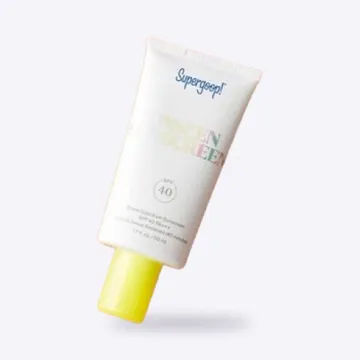
Unseen Sunscreen SPF 50
Dry, grippy finish — doubles as a primer, leaves no cast.
Suits: Oily, Combination, Normal skin
From Pori's catalogue. Amazon links carry our Associates tag: Pori earns from qualifying purchases, at no cost to you. No brand pays to be listed. Photos: Open Beauty Facts contributors, CC BY-SA 3.0.
Which Bioré cleanser is best?
- Blemish-Fighting Ice Cleanser ($9.15 for 6.77 fl oz): a drug-labeled acne wash with 2% salicylic acid and a cooling feel. The best Bioré cleanser for oily, acne-prone skin, and HSA/FSA eligible per Bioré. The cooling effect may bother sensitive skin.
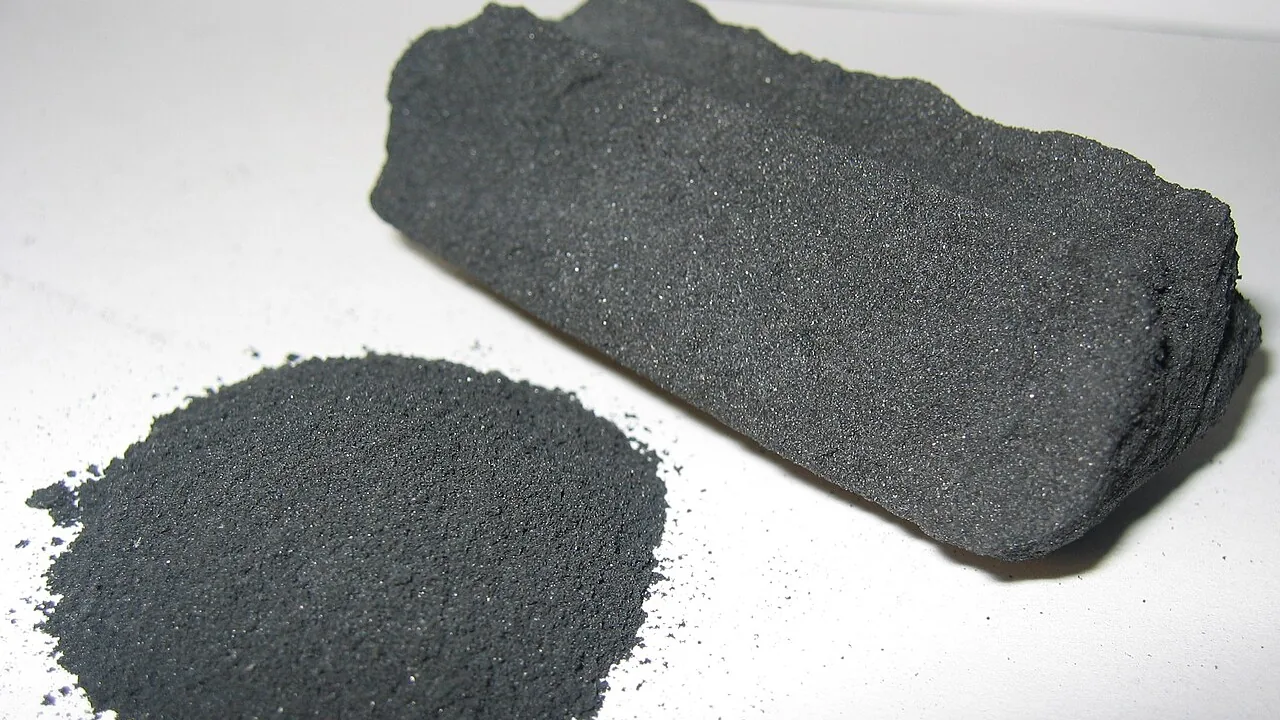
- Oil Control Deep Pore Charcoal Cleanser (from $9.15): a daily wash with charcoal for oily skin. Charcoal in a rinse-off cleanser mainly adds grit and color; the surfactants do the cleaning.
- Purify & Reset Daily Cleanser and Clear & Breathable Cooling Cleanser ($7.99 each): newer budget washes for everyday use.
- 2% BHA Exfoliating Hydra Serum ($16.99): a new leave-on salicylic acid serum. Use it in place of the salicylic acid wash.
DailyMed also lists Bioré salicylic acid labels for a pore-unclogging scrub and a witch hazel cleanser. Scrubs are the kind of product the American Academy of Dermatology advises acne-prone skin to avoid, because scrubbing irritates. Our face wash for blackheads roundup has gentler picks.
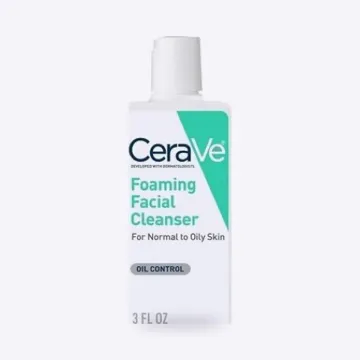
Foaming Facial Cleanser
Gel-to-foam wash that clears excess oil without stripping.
Suits: Oily, Combination, Normal skin
From Pori's catalogue. Amazon links carry our Associates tag: Pori earns from qualifying purchases, at no cost to you. No brand pays to be listed. Photos: Open Beauty Facts contributors, CC BY-SA 3.0.
Do Bioré pore strips work?
They do what they say for a short time. The Original Deep Cleansing Pore Strips ($9.15 for 8) use an adhesive that sets on wet skin and lifts out the tops of blackheads and surface buildup. Bioré says the strips bind to blackheads and remove a week's worth of buildup in 10 minutes, and claims a visible reduction in pore size with continued use; those are brand claims. Within days the pores refill, because strips do nothing about the oil and dead skin that form a blackhead.
Many "blackheads" on the nose are sebaceous filaments, a normal part of the pore, which strips cannot remove for good; our blackheads vs sebaceous filaments guide explains how to tell them apart. For a lasting change, a salicylic acid product used regularly does more, as our salicylic acid for blackheads guide shows. If you enjoy strips, use them now and then on a clean, wet nose as the box directs, and skip them on sunburned, broken, irritated or very sensitive skin.
What about Bioré's masks and blemish patches?
Bioré's US range also includes a few extras:
- Day or Night Blemish Patches ($10.99): pimple patches sold in a 30-count pack. Pimple patches work best on a spot with a visible head and mostly stop you from picking; our pimple patch roundup compares brands and prices per patch.
- Oil Control Bubbling Clay Mask ($9.99): a new clay mask for oily skin. Once a week is plenty, and skip it the same night as an acid.
- Pore Refining Bubbling Nose Mask ($17.99): a foaming nose treatment that costs more than a box of strips. It is a pleasant extra that pores can do without.
None of these replaces a daily cleanser, a treatment and sunscreen. If blackheads or breakouts keep coming back despite a simple routine, a board-certified dermatologist can suggest prescription options; you can find one near you.
What should I skip from Bioré?
- Stacking salicylic acid. The Ice Cleanser, the BHA serum and salicylic scrubs together can dry and sting. Pick one leave-on or one wash.
- Pore strips as a pore treatment. They are a once-in-a-while fix. Our how to minimize pores guide covers what works longer term.
- UV Aqua Rich on sensitive or very dry skin. Alcohol and fragrance near the top of the list make it a poor fit for reactive skin.
- Japanese Bioré UV imports as your only sunscreen without checking the seller. They are often excellent formulas, but they reach the US through third-party sellers without US labels. Our product page for the Japanese Watery Essence shows its full list, including octinoxate and added fragrance.
- Charcoal for its own sake. It looks dramatic on the strip or in the foam, but there is little evidence it does more than the cleanser around it.
Which Bioré products suit my skin type?
| Skin type | Buy | Watch out for |
|---|---|---|
| Oily, acne-prone | Blemish-Fighting Ice Cleanser; UV Aqua Rich SPF 50 | Too many salicylic acid products at once |
| Combination with nose blackheads | Ice Cleanser; pore strips now and then | Strips on irritated skin |
| Dry | Little in the US range; a creamy cleanser from another brand | Alcohol-based sunscreen, foaming acne washes |
| Sensitive | Few Bioré products suit; consider a fragrance-free brand | Fragrance, alcohol, cooling cleansers |
Bioré is at its best for oily skin on a budget. If your skin is dry or reactive, our fragrance-free skincare brands guide is a better place to start.
Where can I buy Bioré?
US Bioré sells at Target, Walmart, drugstores and on us.biore.com, where orders over $35 ship free. Prices at mass retailers are often a little lower than on Bioré's own site. Japanese Bioré UV products come from third-party marketplace sellers and import shops; our Japanese skincare routine guide explains how they fit into a routine.
Frequently asked questions
Who owns Bioré?
Kao Corporation of Japan. Bioré launched in Japan in 1980, and Kao USA sells the US range. Kao bought the US company Jergens in 1988.
Is US Bioré Aqua Rich the same as the Japanese one?
No. The US UV Aqua Rich SPF 50 uses avobenzone, homosalate, octisalate and octocrylene under a US Drug Facts label. The Japanese Watery Essence uses different filters and is sold in the US only as an import.
Does Bioré UV Aqua Rich contain alcohol and fragrance?
Yes. The US label lists alcohol denat. right after water and includes fragrance in the inactive ingredients. Skip it if either irritates your skin.
Are Bioré pore strips bad for your skin?
Used now and then on healthy skin, they are generally fine. They only lift the tops of blackheads for a few days. Skip them on sunburned, broken, irritated or very sensitive skin.
What is the best Bioré cleanser for acne?
The Blemish-Fighting Ice Cleanser, which has 2% salicylic acid on a US drug label. It cost $9.15 for 6.77 fl oz on Bioré's US site as of November 2026.
Is Bioré sunscreen FDA approved?
US Bioré sunscreens are sold under the FDA's over-the-counter sunscreen rules with a Drug Facts label. Japanese Bioré UV products are made for Japan and carry no US label.
Sources
- Kao Americas: Our history (Jergens acquisition, 1988)
- DailyMed: Biore UV Aqua Rich (Kao USA) drug label, 2026
- DailyMed: Biore Blemish Fighting Ice Cleanser (salicylic acid) label
- Bioré US: all products and prices
- Bioré US: UV Aqua Rich SPF 50
- Bioré US: The Original Deep Cleansing Pore Strips
- Kao (My Kao Mall): Biore UV Aqua Rich Watery Essence product page (Japanese)
- FDA: Questions and answers: FDA's regulatory actions on over-the-counter sunscreen
- American Academy of Dermatology: Acne skin care tips
Pori is a wellness and skincare education app, not a medical device. This article is for general information and isn't medical advice. For anything that worries you, see a dermatologist.