Pori
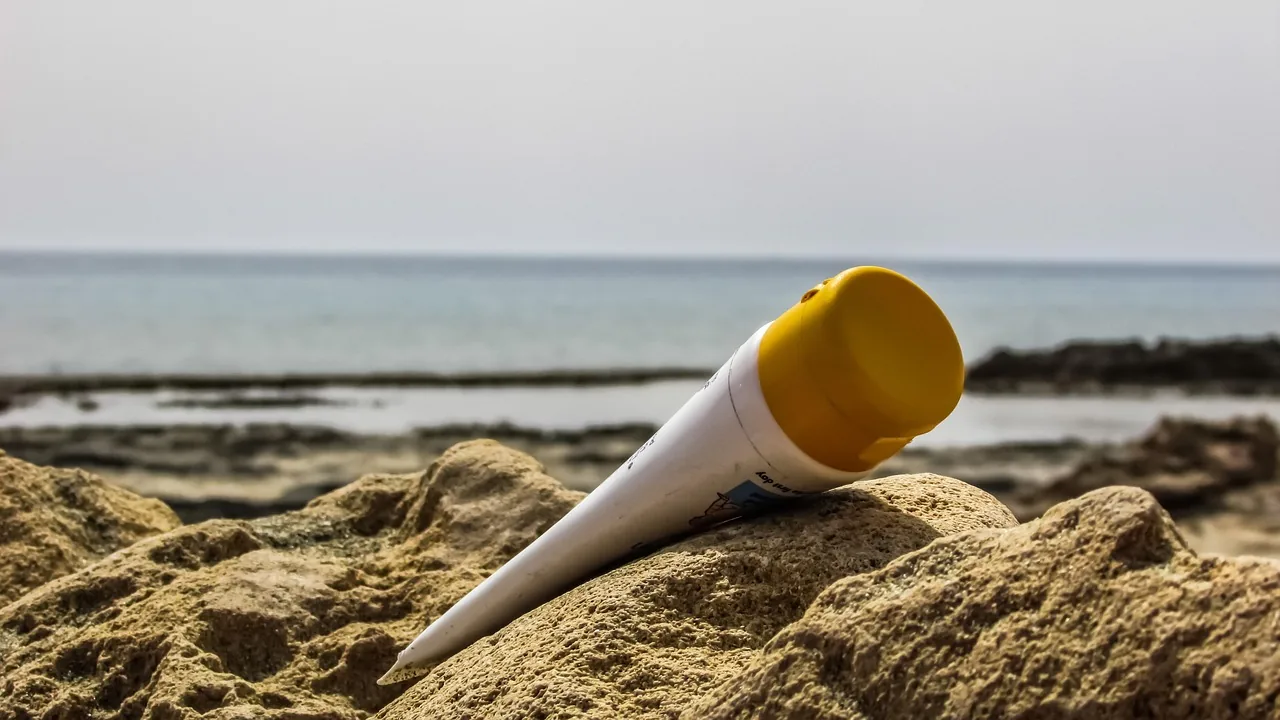
- Biore UV Aqua Rich feels like water because water is the main ingredient, alcohol is second or third, and the base is a light gel with little oil.
- The Japanese Watery Essence (SPF 50+ PA++++) uses newer filters and is very water resistant; the US SPF 50 uses avobenzone, homosalate, octisalate and octocrylene and claims no water resistance.
- Alcohol and fragrance mean it can sting sensitive, dry or irritated skin; Kao's own Japanese label says not to use it if your skin is especially sensitive.
- In the US it costs $15.99 for 50 mL (October 2026), about $1.60 per full-face teaspoon.
Biore UV Aqua Rich Watery Essence is a light, water-based sunscreen that sinks in almost instantly, which is why it has a cult following. The Japanese original is SPF 50+ PA++++ and very water resistant; the US version is SPF 50 PA++++ with different filters and no water-resistance claim. Both contain alcohol and fragrance, so sensitive or broken skin may sting.
Before you buy, you can scan the barcode or photograph the label with the ingredient scanner in Pori (a Pro feature) to see how each ingredient is flagged for your skin type. The rest of this review explains where the watery feel comes from, what the alcohol does, how the US and Japanese formulas differ filter by filter, what PA++++ tells you, and who should pick something else. It's an ingredient-and-evidence review; we didn't wear-test it ourselves.
Why does Biore Aqua Rich feel like water?
It feels like water because water is the main ingredient and the formula is a thin, gel-thickened emulsion with very little oil. Kao, Biore's parent company, describes the Japanese Watery Essence as having a fresh water base that stays smooth and non-sticky through the day, and it lists ethanol as the third ingredient. The US label puts alcohol denat. right after water. Alcohol evaporates quickly, so the lotion spreads, thins out and sets fast.
The rest of the texture comes from polymers. Both versions use acrylate crosspolymers and dextrin palmitate to give body without grease, and the US product page credits "micro gel capsules," which it calls Micro Defense Technology, for the even, weightless layer. The result is a finish closer to a toner-gel than a cream, which is why it works for people who hate the feel of sunscreen.
What does the alcohol in Biore Aqua Rich do?
The alcohol mainly makes it dry down fast and feel weightless. The downside is that alcohol can sting on skin with a damaged barrier, fresh retinoid irritation, eczema or a sunburn, and some people find a high-alcohol formula drying over time, especially in winter.
Alcohol high on a list isn't automatically a problem. In a fast-evaporating sunscreen, much of it flashes off as you spread it, and the glycerin and hyaluronic acid in both versions offset some of the dryness. If your skin is oily and calm, it's often a non-issue. If it's dry, reactive or recovering, treat it as the ingredient most likely to bother you. Our guide to alcohol in skincare explains when alcohol denat. is a problem and when it's fine.
What is the difference between US and Japanese Biore Aqua Rich?
They share a name and a texture, but they're different products with different filters, made in different countries. US sunscreens are regulated as drugs, so Kao uses only FDA-listed filters; the Japanese version uses newer filters that, with one recent exception, can't be sold in a US sunscreen.
| Detail | Japan: UV Aqua Rich Watery Essence | US: UV Aqua Rich SPF 50 |
|---|---|---|
| Rating on pack | SPF 50+ / PA++++ | Broad Spectrum SPF 50, PA++++ |
| UV filters | Ethylhexyl methoxycinnamate (octinoxate), ethylhexyl triazone, diethylamino hydroxybenzoyl hexyl benzoate, bis-ethylhexyloxyphenol methoxyphenyl triazine (bemotrizinol) | Avobenzone 3%, homosalate 10%, octisalate 5%, octocrylene 5% |
| Alcohol | Ethanol, 3rd ingredient | Alcohol denat., 2nd ingredient |
| Fragrance | Yes ("white muguet" scent) | Yes, plus citral, geraniol, limonene and linalool |
| Water resistance | "Super waterproof," two-star UV water-resistance mark | None claimed; label says use a water-resistant sunscreen for swimming or sweating |
| Size | 70 g | 1.7 fl oz (50 mL) |
| Made in | Japan | Canada |
| Price (October 2026) | Varies by importer | $15.99 on Biore's US site |
Sources for the table: Kao's Japanese product page (filters, rating, water resistance, size, scent and origin), the US Drug Facts label (filters, inactive ingredients, directions) and the US product page (price and PA rating).
The filter gap matters less for protection than for feel and tolerance. The US formula leans on the same four filters as most American chemical sunscreens; our guide to chemical sunscreen filters explains what each does. The Japanese version uses triazine and benzoate filters that are common in Japan and Europe but have not been sold in US sunscreens. One of them, bemotrizinol, was only added to the FDA's sunscreen monograph by a final order dated June 10, 2026, so it may start appearing in US products. Ethylhexyl triazone and diethylamino hydroxybenzoyl hexyl benzoate still aren't on the US list.
What does PA++++ mean on Biore sunscreen?
PA is the UVA grade printed on Japanese and many other Asian sunscreens, and more plus signs mean more UVA protection. SPF only measures protection from UVB, the rays mainly behind sunburn. US labels don't use PA; instead, a sunscreen can say "broad spectrum" only if it passes the FDA's UVA test, which is part of the broad spectrum requirements in the agency's sunscreen rules. Biore puts both on the US pack, labeling the PA++++ line as UVA and UVB protection.
Two practical points. First, the numbers only hold if you apply enough: the American Academy of Dermatology (AAD) says to use at least 1 teaspoon on your face and reapply every two hours outdoors. Second, the US version isn't water resistant, and the FDA notes that products labeled water resistant must pass a required test and state how long they last, so don't rely on the US tube for swimming or heavy sweat.
Is Biore Aqua Rich good for sensitive skin?
It's often not the best choice for very sensitive skin, even though the US page calls it gentle on sensitive skin. Kao's own Japanese label is more cautious: its usage notes tell people with especially sensitive skin not to use it, and to stop and see a dermatologist if redness, swelling, itching or stinging appears. Three ingredients explain most reactions:
- Alcohol, which stings on broken or irritated skin.
- Fragrance. The FDA notes that some components of fragrance formulas may cause allergic reactions or sensitivities and suggests fragrance-free products if you're concerned. The US version lists citral, geraniol, limonene and linalool, which are fragrance components.
- Octocrylene in the US version. A review found photocontact allergy to octocrylene mainly in adults who had used topical ketoprofen, with plain contact allergy far less frequent.
The AAD says dermatologists recommend mineral sunscreens (zinc oxide or titanium dioxide) for sensitive skin. If you have rosacea, eczema or a barrier that's currently irritated, start with a fragrance-free mineral formula; see our list of mineral sunscreens for sensitive skin. If you want to try Biore anyway, patch test it on your jaw for a few days first, and see a dermatologist for a rash that doesn't settle.
Is Biore Aqua Rich good for oily skin and under makeup?
Yes, this is where it shines. The finish is thin and dewy-to-satin, not greasy, and the US product page says it won't clog pores, leaves no white cast and works well under makeup. The Japanese page also lists it for use as a makeup base. Because it has no zinc oxide or titanium dioxide, there's no white pigment to show on deeper skin tones.
Very oily skin may still want powder by midday, since the finish isn't matte. Dry skin usually needs a moisturizer underneath, because a watery gel gives little lasting moisture on its own.
How much does Biore Aqua Rich cost per use?
At $15.99 for the 50 mL US tube on Biore's site as of October 2026, it costs about $0.32 per mL. Using the AAD's teaspoon (about 5 mL) for your face, that's roughly $1.60 per full application and about ten applications per tube. Watery formulas are easy to over-spread thin, so measure two finger-lengths for a week to learn what the right amount looks like; our guide to how much sunscreen to use shows the method.
Should you buy the US or Japanese version?
Buy the US version if you want a product sold under FDA rules, with a full Drug Facts label in English, from ordinary US retailers. Look at the Japanese version if you want its water resistance and newer filters, and accept that an import is labeled for Japanese rules, not the FDA's, and that third-party listings can be harder to verify as genuine. Kao's Japanese page says it comes off with soap or body wash despite the waterproof claim; cleanse thoroughly at night either way. Our Japanese skincare routine guide shows where it fits in a lotion-layering routine. Both contain alcohol and fragrance, so the sensitive-skin advice applies whichever you buy.
Is Biore UV Aqua Rich worth it?
For oily, combination or normal skin that hates the feel of sunscreen, it's one of the most pleasant textures you can buy at a drugstore price. For sensitive, dry or currently irritated skin, the alcohol and fragrance make it a riskier pick, and a mineral or fragrance-free formula is the safer start.
Frequently asked questions
Does Biore Aqua Rich have alcohol?
Yes. The US version lists alcohol denat. as its second ingredient, and the Japanese Watery Essence lists ethanol third. It's what makes the formula dry down so fast.
What is the difference between Biore Aqua Rich US and Japan?
The Japanese Watery Essence uses octinoxate, ethylhexyl triazone, diethylamino hydroxybenzoyl hexyl benzoate and bemotrizinol and is labeled super waterproof. The US SPF 50 uses avobenzone, homosalate, octisalate and octocrylene and makes no water-resistance claim.
Is Biore Aqua Rich good for sensitive skin?
It can sting sensitive skin because it contains alcohol and fragrance. Kao's Japanese label advises people with especially sensitive skin not to use it, and dermatologists generally suggest mineral sunscreens for sensitive skin.
What does PA++++ mean?
PA is the UVA rating used on Japanese and other Asian sunscreens; more plus signs mean more UVA protection. US labels use the term broad spectrum instead.
Does Biore Aqua Rich leave a white cast?
No. It has no zinc oxide or titanium dioxide, so there's no white pigment, and the US product page says it leaves no white cast.
Is Biore Aqua Rich waterproof?
The Japanese version is labeled super waterproof. The US version isn't labeled water resistant, so use a water-resistant sunscreen for swimming or heavy sweating.
Sources
- Kao (My Kao Mall): Biore UV Aqua Rich Watery Essence product page, ingredients and usage notes (Japanese)
- DailyMed: Biore Aqua Rich UV SPF 50 (Kao USA) drug label
- Biore US: UV Aqua Rich SPF 50 product page
- FDA: Questions and answers: FDA's regulatory actions on over-the-counter sunscreen
- FDA: Sunscreen: How to help protect your skin from the sun
- FDA: Fragrances in cosmetics
- American Academy of Dermatology: Sunscreen FAQs
- de Groot AC, Roberts DW. Contact and photocontact allergy to octocrylene: a review. Contact Dermatitis, 2014 (PubMed)
Pori is a wellness and skincare education app, not a medical device. This article is for general information and isn't medical advice. For anything that worries you, see a dermatologist.