Pori
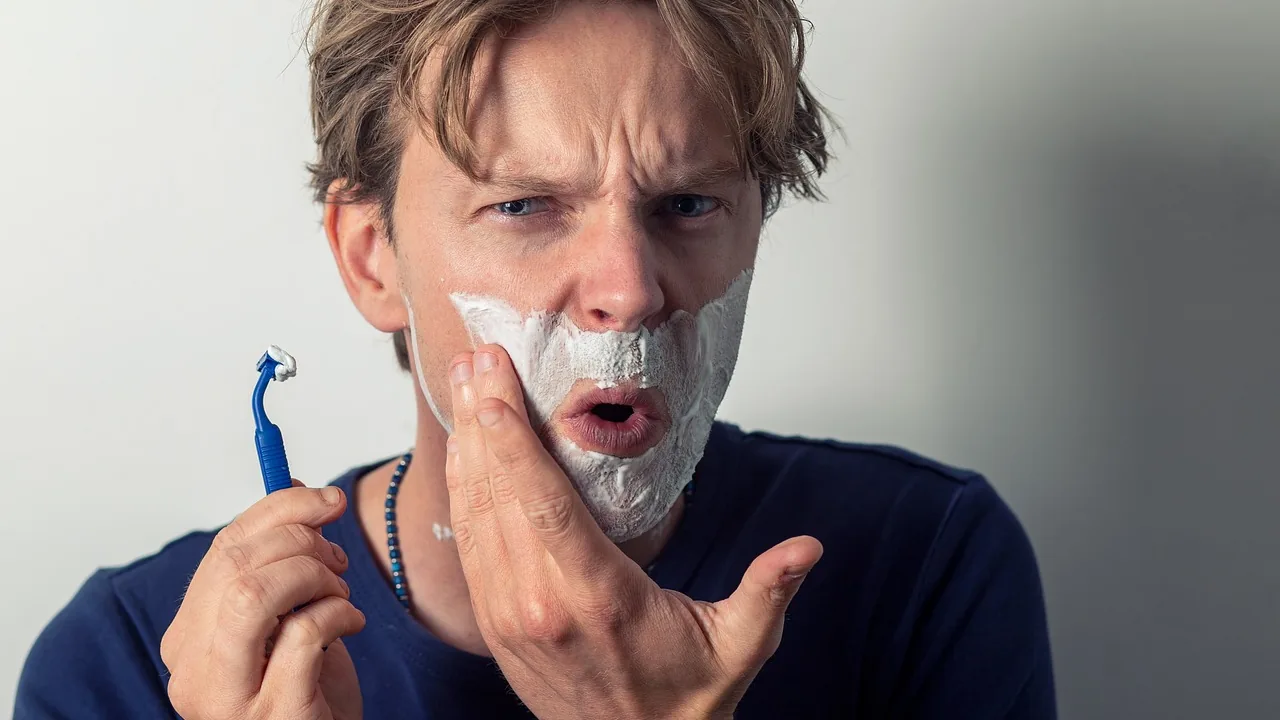
- Before: shave after a shower or hold a warm cloth on your beard for five minutes, then let shaving cream sit for a minute or two.
- During: sharp blade (replace after 5 to 7 shaves), shave with the grain, short strokes, no more than two passes, no stretching.
- After: rinse, cool compress for five minutes, then fragrance-free moisturizer on damp skin; aftershave is optional and should never sting.
- Glycolic acid on non-shave nights can help prevent bumps; see a dermatologist if bumps keep coming or scar.
A skincare routine for shaving has three parts. Before: soften the beard with warm water or a shower and leave shaving cream on for a minute or two. During: use a sharp blade, shave with the grain, and never stretch the skin. After: rinse, press a cool cloth on your face, then apply a fragrance-free moisturizer or a soothing alcohol-free aftershave while skin is still damp.
The rest of this guide explains each step, when an aftershave is worth having and when a moisturizer is enough, how to use exfoliating acids without making things worse, and what changes when you get razor bumps or grow a beard.
What should you do to your skin before shaving?
Get the hair wet and warm first. The American Academy of Dermatology (AAD) says a great time to shave is right after a shower, when skin is warm and moist and there's less excess oil and dead skin to clog the blade.
If you shave at the sink, the AAD's routine for men prone to razor bumps is a good template for anyone with sensitive skin. It suggests washing with a gentle, non-comedogenic cleanser, then holding a warm, wet washcloth on the beard area for five minutes. The warmth and moisture make hairs swell, so they're less likely to curve back into the skin after you cut them.
Next comes the lather. The same AAD page recommends you:
- Use a moisturizing shaving cream, even with an electric razor.
- Let it sit on your skin for one or two minutes before you start.
- Rinse and reapply if it dries out. Never dry shave.
If your skin is very dry or sensitive, the AAD suggests a shaving cream labeled "sensitive skin".
How do you prevent razor burn on your face?
Most razor burn comes from technique: a dull blade, too many passes, shaving against the grain and pulling the skin tight. The fixes are simple and recommended almost word for word by the AAD, NHS and DermNet.
| Habit | What to do | Why it helps |
|---|---|---|
| Direction | Shave in the direction the hair grows | The AAD calls this an important step for preventing razor bumps and burns |
| Passes | Short strokes; never go over an area more than twice | The AAD's routine for razor bumps sets the limit at two passes over any area |
| Skin tension | Don't stretch or pull the skin taut | The AAD says pulling or stretching the skin while shaving can cause new razor bumps |
| Blade | Replace it, or a disposable razor, after 5 to 7 shaves | The AAD says a dull blade greatly increases the risk of razor bumps |
| Closeness | Leave a little stubble, about 1 mm | The NHS says leaving at least 1 mm of stubble can help reduce ingrown hairs |
| Rinsing | Rinse the blade after every stroke | Keeps hair and cream from clogging the blade |
| Storage | Dry the razor and keep it off the wet sink or shower | Stops bacteria growing on it between shaves |
Razor choice matters too. The AAD notes that for some men, multi-blade razors shave too closely, and suggests a single- or double-blade razor if you often get bumps, burns or ingrown hairs. DermNet adds that razor bumps are more common with blade razors than with electric shavers, and the NHS also suggests trying an electric razor.
If you have acne, the AAD advises shaving lightly with a sharp blade and never trying to shave off acne, since that can make acne worse.
What should you put on your face after shaving?
Rinse, cool down, then moisturize. The AAD's post-shave steps are to rinse off all the shaving cream with warm water, then hold a cool, wet washcloth on your skin for five minutes, because leftover cream can irritate. The NHS gives the same advice to hold a cool, wet cloth to your skin after shaving to reduce irritation.
After that, the AAD recommends a soothing aftershave formulated to reduce irritation and razor bumps, with a clear rule: if an aftershave burns or stings, stop using it and try another. For moisture, the AAD says to apply moisturizer immediately after shaving while the skin is still damp, since that's when it best traps water in the skin.
If you shave in the morning, sunscreen goes on last, after the moisturizer, or use a moisturizer that already contains broad-spectrum SPF 30 or higher. The rest of the daily routine is in our skincare routine for men.
Aftershave vs moisturizer: which one do you need?
If you only buy one, buy the moisturizer. It does the job dermatologists ask of the post-shave step, holding water in freshly shaved skin, and you need it on non-shave days too. An aftershave is optional and only worth using if it soothes.
| Classic aftershave splash | Aftershave balm | Plain moisturizer | |
|---|---|---|---|
| Main job | Fragrance and a cooling feel | Soothing and some moisture | Holding water in the skin |
| Check the label for | Alcohol and fragrance near the top of the list | Fragrance; soothing ingredients | "Fragrance free," "oil free" or "noncomedogenic" if you break out |
| Best for | Skin that never stings | Men who like a separate post-shave step | Everyone, including sensitive and acne-prone skin |
Why the caution about alcohol and fragrance? The AAD advises against alcohol-based cleansers because they can irritate your skin, and its face-washing guide recommends a cleanser that does not contain alcohol. Freshly shaved skin has just been scraped, so a product that stings there is a sign to switch. The AAD also warns that fragrance can leave skin irritated and dry, and "unscented" products may contain masking fragrances. Our guide to alcohol in skincare explains which alcohols on a label are drying and which are harmless.
What is the best post-shave routine for sensitive skin?
Keep it short and fragrance-free: lukewarm rinse, cool compress, fragrance-free moisturizer, and nothing that stings. Some extra changes help sensitive skin:
- Shave less closely. Leave a millimeter of stubble and skip the second pass.
- Try an electric razor if blades keep leaving you red.
- Adjust how often you shave. The NHS suggests not shaving every day, if possible. The AAD's advice for men with coarse, curly hair and razor bumps runs the other way: shave daily, or at least every 2 to 3 days, so hairs don't grow long enough to curve back in. If bumps are your main problem and your hair curls tightly, the AAD routine is the one written for you.
- Keep active ingredients away from shave days while you find out what your skin tolerates.
When should you use exfoliating acids?
Use them as a regular treatment for bumps and ingrown hairs, and keep them apart from the shave itself. DermNet notes that preparations containing glycolic acid can exfoliate the skin surface and reduce the risk of new inflamed spots in men who get razor bumps. The NHS lists exfoliating products to help prevent ingrown hairs among the things a pharmacist can help with.
A practical way to start is a leave-on glycolic acid product two or three evenings a week, on nights when you haven't just shaved, and never on nicks or broken skin. If it stings on any part of your face, cut back. Our guide to glycolic acid covers strengths and how to build up.
Gentle physical exfoliation also has a place. For men with darker skin and razor bumps, the AAD suggests applying cleanser with a washcloth or soft-bristle face brush in a circular motion before shaving to remove dead skin cells. The AAD describes the motion as gentle and massage-like, so leave gritty scrubs out of it.
Why do ingrown hairs and razor bumps happen?
A cut hair with a sharp tip curls back into the skin, and the skin reacts to it as a foreign body. DermNet explains that razor bumps, medically pseudofolliculitis barbae, affect roughly 45 to 80% of men of African ancestry because tightly curled, coarse hair is more likely to re-enter the skin. Healed bumps can leave dark marks and scars, including keloids. For causes, treatment and how to tell bumps from pimples, read ingrown hairs after shaving your face.
How should you look after the skin under a beard?
Wash and moisturize it like the rest of your face, and expect razor bumps to clear if you stop shaving. The AAD says growing a beard can get rid of razor bumps for good: you should see fewer within a month, and they should be gone after three months, though a few new ones can appear early on as the last cut hairs grow out. DermNet gives a similar window of about 4 to 6 weeks after stopping shaving.
The AAD also recommends washing your face after heavy sweating, especially when you've worn a hat or helmet, which applies to bearded skin as much as shaved skin. Work the cleanser down to the skin with your fingertips, rinse well, and apply moisturizer to the skin under the hair.
Can an app help you pick post-shave products?
It can help you read the label. The ingredient scanner in Pori, an iPhone app, reads an aftershave or moisturizer from its barcode or a photo of the label and marks each ingredient as beneficial, use with caution or avoid for your skin type, using fixed rules over about 250 common ingredients. The scanner is part of Pro ($9.99 a week or $49.99 a year in the US as of October 2026), and barcode coverage for US products is thinner than in the largest databases. The app's selfie scan (the first one is free) also tracks Pigmentation & Tone over time, which helps if old bumps have left dark marks.
An app is not a diagnosis. It can't tell an infected follicle from a razor bump, so ask a professional about anything painful or spreading.
When should you see a dermatologist?
See one if bumps keep coming after you've changed your shaving technique, or if they're painful, filled with pus or leaving scars. The AAD warns that men who keep getting razor bumps can develop permanent deep grooves and raised scars, and that a dermatologist's treatment can prevent this. DermNet lists prescription options such as topical steroids, topical antibiotics, tretinoin and laser hair removal, which a doctor can tailor to you.
Frequently asked questions
What should I put on my face after shaving?
Rinse off the shaving cream, hold a cool wet cloth on your skin for a few minutes, then apply a fragrance-free moisturizer while your skin is still damp. A soothing aftershave is optional; stop using any product that burns or stings.
Is aftershave or moisturizer better after shaving?
A moisturizer is the more useful of the two, since it holds water in freshly shaved skin and you need it every day. An aftershave is fine if it soothes, but skip alcohol-heavy splashes if they sting.
How do I prevent razor burn on my face?
Soften the hair with warm water, use shaving cream, shave in the direction of hair growth with a sharp blade, and don't stretch the skin or go over the same spot more than twice. Replace blades after 5 to 7 shaves.
What is a good post-shave routine for sensitive skin?
Use a shaving cream for sensitive skin, rinse with lukewarm water, apply a cool compress, then a fragrance-free moisturizer. An electric razor and leaving a little stubble can also reduce irritation.
Can I use exfoliating acids if I shave?
Yes. Glycolic acid preparations can help reduce new razor bumps; use them on nights when you haven't just shaved and never on cuts or broken skin.
Should I shave every day to avoid razor bumps?
It depends on your hair. General NHS advice is to avoid shaving every day if possible, while the AAD advises men with coarse, curly hair who get bumps to shave daily or every 2 to 3 days so hairs can't grow long enough to curl back in.
Sources
- American Academy of Dermatology: Hair removal: How to shave
- American Academy of Dermatology: Razor bump remedies for men with darker skin tones
- American Academy of Dermatology: Skin care tips for men
- American Academy of Dermatology: How to control oily skin
- American Academy of Dermatology: Face washing 101
- NHS: Ingrown hairs
- DermNet: Pseudofolliculitis barbae
Pori is a wellness and skincare education app, not a medical device. This article is for general information and isn't medical advice. For anything that worries you, see a dermatologist.