Pori
- EltaMD UV Physical SPF 41 ($50) is the best sunscreen for melasma: zinc oxide and titanium dioxide with an iron oxide tint.
- La Roche-Posay Anthelios Mineral Tinted Fluid suits medium to deep skin, CeraVe Hydrating Mineral Tinted SPF 30 is the $13.99 budget pick, and Colorescience has six shades.
- Visible light can darken melasma, and SPF does not measure it; iron oxides, the pigments in tinted sunscreens, help block it.
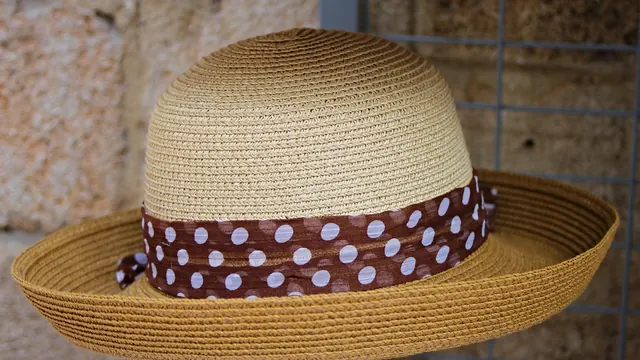
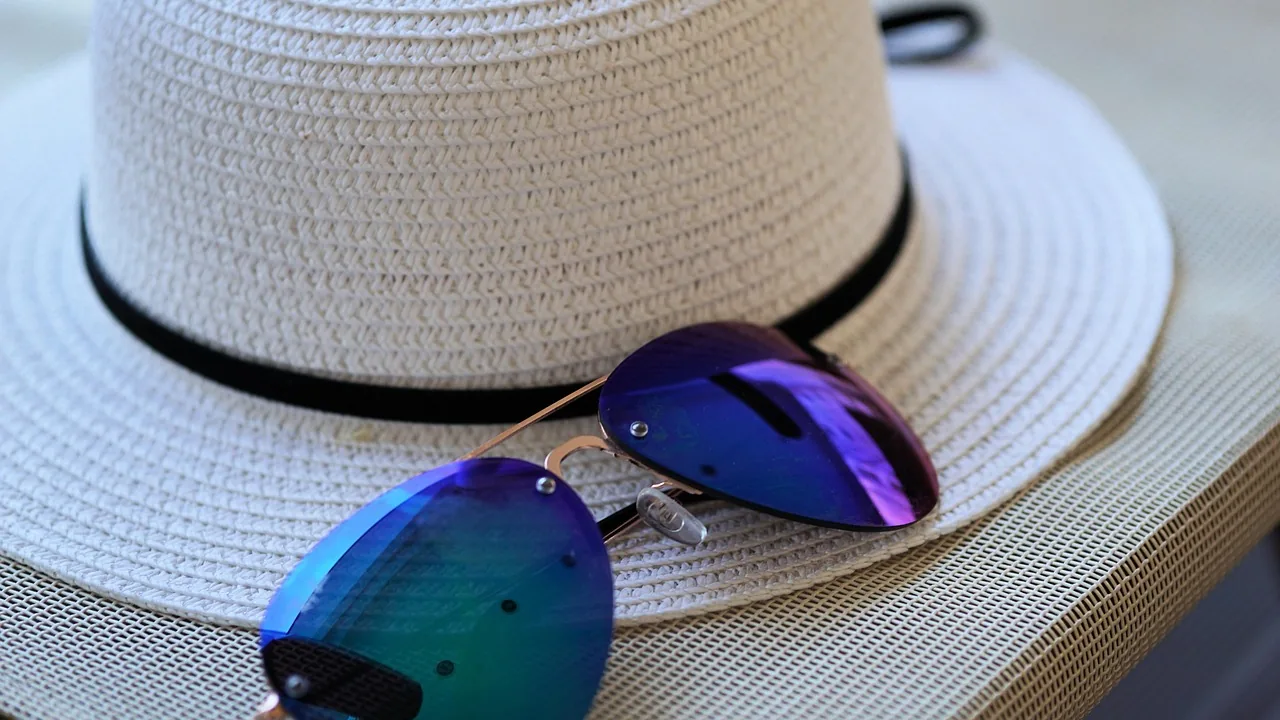
- Use SPF 30 or higher, apply enough, reapply through the day, wear a hat, and pair sunscreen with a fading treatment.
The best sunscreen for melasma is a tinted mineral formula with iron oxides, and EltaMD UV Physical SPF 41 is our top pick: zinc oxide and titanium dioxide with an iron oxide tint, fragrance-free, for $50. La Roche-Posay Anthelios Mineral Tinted Fluid SPF 40 is best for medium to deep skin, CeraVe Hydrating Mineral Tinted SPF 30 is the best budget pick at $13.99, and Colorescience Sunforgettable Face Shield Flex SPF 50 has the widest shade range. Iron oxides matter because visible light, which ordinary SPF does not block, can darken melasma too.
Before you buy, you can scan a sunscreen's barcode or photograph its label with the ingredient scanner in Pori to check it against your skin type and see which filters and pigments it uses. Pori reads the label for you; it does not diagnose melasma.
Quick picks
- Best overall: EltaMD UV Physical SPF 41 ($50 for 3 oz, eltamd.com): zinc oxide and titanium dioxide with an iron oxide tint.
- Best for medium to deep skin: La Roche-Posay Anthelios Mineral Tinted Fluid SPF 40 ($42.99 for 1.7 oz, Ulta): a light tinted fluid in Medium, Medium/Deep and Deep.
- Best budget: CeraVe Hydrating Mineral Tinted SPF 30 ($13.99 for 1.7 fl oz, Target): zinc and titanium with ceramides in three shades.
- Widest shade range: Colorescience Sunforgettable Total Protection Face Shield Flex SPF 50 ($58, colorescience.com): six shades from Fair to Rich Deep.
- Best for sweat and outdoors: Neutrogena Mineral UV Tint SPF 30 ($18.99 for 1.1 oz, Target): water resistant for 80 minutes.
- Best for melasma with breakouts: EltaMD UV Clear Tinted SPF 46 ($48 for 1.7 oz, eltamd.com): zinc oxide with 5% niacinamide.
We compared published ingredient lists, FDA drug labels, brand claims and listed prices; we did not test these products on skin. Prices are US list prices as of November 2026, with the retailer named, and they change often. Sunscreen is one part of melasma care; our best products for melasma roundup covers tranexamic acid, azelaic acid and other faders.
Why do people with melasma need tinted sunscreen?
Because UV is only part of the problem. The American Academy of Dermatology (AAD) says sunlight both darkens melasma and causes new patches, and it advises a broad-spectrum SPF 30 or higher sunscreen applied throughout the day, plus a wide-brimmed hat and shade. It notes that dermatologists often recommend sunscreens with zinc oxide, titanium dioxide or iron oxide, and suggests considering a tinted one.
Visible light is the reason for the iron oxide. A 2025 study in the Journal of Drugs in Dermatology notes that visible light makes up about 45% of sunlight and found that, in darker skin, formulas with iron oxide prevented visible-light darkening while an SPF 50 without it did not. An earlier randomized trial in the Journal of the American Academy of Dermatology tested a sunscreen that also blocks short-wavelength visible light for preventing melasma relapse, and a 2026 review concluded that UVA and UVB protection alone may not be enough, especially for skin types IV to VI. SPF numbers measure only UVB, so a label will not tell you how much visible light a product blocks. The tint is your clue: iron oxides are what give these sunscreens their color.
Our guides to melasma causes and triggers and melasma vs. sun spots explain why this pigment behaves differently from ordinary sun damage.
How do the best sunscreens for melasma compare?
| Sunscreen | Active filters (US label) | Iron oxide tint | Shades | Price (November 2026) |
|---|---|---|---|---|
| EltaMD UV Physical SPF 41 | Zinc oxide 9%, titanium dioxide 7% | Yes | One sheer tint | $50 for 3 oz (eltamd.com) |
| La Roche-Posay Anthelios Mineral Tinted Fluid SPF 40 | Titanium dioxide based | Yes | Medium, Medium/Deep, Deep | $42.99 for 1.7 oz (Ulta) |
| CeraVe Hydrating Mineral Tinted SPF 30 | Zinc oxide 10%, titanium dioxide 5.5% | Yes | Light, Medium, Deep | $13.99 for 1.7 fl oz (Target) |
| Colorescience Face Shield Flex SPF 50 | Zinc oxide | Yes | Six, Fair to Rich Deep | $58 (colorescience.com) |
| Neutrogena Mineral UV Tint SPF 30 | Zinc oxide 21.6%, titanium dioxide 3.2% | Yes | Four | $18.99 for 1.1 oz (Target) |
| EltaMD UV Clear Tinted SPF 46 | Zinc oxide 9%, octinoxate 7.5% | Yes | Tinted, Deep Tinted | $48 for 1.7 oz (eltamd.com) |
| ISDIN Eryfotona Ageless SPF 50 | Zinc oxide 10.7% | Yes | One tint | $50 for 1.7 fl oz (isdin.com) |
| Avene Mineral Multi-Defense Fluid Tinted SPF 50+ | Zinc oxide 12% | Yes | One Universal Shade | $38 for 1.3 oz (Ulta) |
| Prequel Sun Barrier SPF 50 | Zinc oxide 18% | Yes, light | One peachy tint | $22 (prequelskin.com) |
| La Roche-Posay Anthelios UVDefense SPF 50 | Avobenzone 3%, bemotrizinol 2%, homosalate 11%, octisalate 5%, octocrylene 6% | No | Untinted | $39.99 at launch (La Roche-Posay) |
The 10 best sunscreens for melasma
1. EltaMD UV Physical SPF 41
Price: $50 for 3 oz at eltamd.com. Key ingredients: 9% zinc oxide and 7% titanium dioxide, tinted with iron oxides. It is fragrance-free.
Who it suits: light to medium skin that wants an all-mineral, tinted daily sunscreen in a generous tube. Who should skip it: deep skin tones, since there is one light tint. The catch: a single shade means it may not match you, and you need a full layer for the stated SPF.
2. La Roche-Posay Anthelios Mineral Tinted Fluid SPF 40
Price: $42.99 for 1.7 oz at Ulta. Key ingredients: titanium dioxide as the main filter, with iron oxides and niacinamide in a thin fluid. No fragrance is listed.
Who it suits: medium to deep skin, with Medium, Medium/Deep and Deep shades. Who should skip it: very fair skin, which none of the shades suits well. The catch: its 2023 drug label lists zinc oxide too, while Ulta's current ingredient list does not, so check the box you buy.
3. CeraVe Hydrating Mineral Tinted SPF 30
Price: $13.99 for 1.7 fl oz at Target. Key ingredients: 10% zinc oxide and 5.5% titanium dioxide with ceramides, niacinamide and hyaluronic acid. It is fragrance-free and non-comedogenic.
Who it suits: anyone who needs a cheap tinted sunscreen to reapply all day. Who should skip it: people who want SPF 50. The catch: three shades is a narrow range.
4. Colorescience Sunforgettable Total Protection Face Shield Flex SPF 50
Price: $58 at colorescience.com. Key ingredients: zinc oxide as the only filter, with iron oxides, niacinamide and bisabolol. It comes in Fair, Light, Medium, Tan, Deep and Rich Deep.
Who it suits: people who have never found a tinted sunscreen that matches. Who should skip it: anyone on a budget. The catch: its blue light, pollution and infrared claims are the brand's own.
5. Neutrogena Mineral UV Tint SPF 30
Price: $18.99 for 1.1 oz at Target. Key ingredients: 21.6% zinc oxide and 3.2% titanium dioxide, tinted with iron oxides. It is unscented and water resistant for 80 minutes.
Who it suits: outdoor days, sport and hot weather, which can worsen melasma. Who should skip it: anyone who wants a big tube. The catch: 1.1 oz runs out quickly if you reapply properly.
6. EltaMD UV Clear Tinted SPF 46
Price: $48 for 1.7 oz at eltamd.com. Key ingredients: 9% zinc oxide and 7.5% octinoxate, with 5% niacinamide and iron oxides. It is fragrance-free.
Who it suits: melasma with breakouts or oily skin. Who should skip it: people who want an all-mineral formula. The catch: EltaMD says the standard tint suits light to medium skin; a Deep Tinted version is sold separately.
7. ISDIN Eryfotona Ageless SPF 50
Price: $50 for 1.7 fl oz at isdin.com. Key ingredients: 10.7% zinc oxide, iron oxides, a plankton enzyme ISDIN calls DNA Repairsomes, peptides and vitamins C and E. The label says water resistant for 40 minutes.
Who it suits: people who want a tinted mineral sunscreen with antioxidants. Who should skip it: skin that stings with alcohol, which is on the ingredient list. The catch: the repair claims are ISDIN's, and the price is high for the size.
8. Avene Mineral Multi-Defense Fluid Tinted SPF 50+
Price: $38 for 1.3 oz at Ulta. Key ingredients: 12% zinc oxide with red iron oxide, niacinamide and bisabolol. It is formulated without fragrance.
Who it suits: sensitive skin that wants SPF 50 and a tint. Who should skip it: anyone the one shade does not match. The catch: some reviewers find the Universal Shade too orange on fair skin.
9. Prequel Sun Barrier SPF 50
Price: $22 at prequelskin.com. Key ingredients: 18% zinc oxide with brown iron oxide and bisabolol. It is water resistant for 40 minutes and holds the National Rosacea Society seal.
Who it suits: melasma plus redness or sensitivity, at a mid-range price. Who should skip it: people allergic to chamomile or calendula, which it contains. The catch: the tint is light, so it gives less visible-light cover than the more pigmented picks.
10. La Roche-Posay Anthelios UVDefense SPF 50
Price: $39.99 at its October 2026 launch on LaRochePosay.us. Key ingredients: avobenzone 3%, bemotrizinol 2%, homosalate 11%, octisalate 5% and octocrylene 6%, per its November 2026 FDA label.
Who it suits: people who want strong UVA cover with no cast, and who wear tinted makeup on top. Who should skip it: anyone counting on sunscreen alone for visible light. The catch: it has no iron oxides; bemotrizinol, which the FDA allowed in 2026, broadens UVA protection but does not cover visible light.
How should you use sunscreen if you have melasma?
- Use enough. About a teaspoon for the face and neck; most people apply far less. See how much sunscreen to use.
- Layer in the right order. The AAD's order is any melasma medication, then sunscreen, then makeup.
- Reapply through the day. Every 2 hours outdoors, and after sweating. A tinted sunscreen or mineral powder works for touch-ups.
- Add a hat and shade. The AAD recommends a wide-brimmed hat, since no sunscreen blocks everything.
- Pair it with a treatment. Sunscreen keeps melasma from getting darker; ingredients such as azelaic acid or tranexamic acid help fade it.
10% Azelaic Acid Booster
Works on redness and post-acne marks at the same time.
Suits: Sensitive, Combination, Oily, Normal skin
From Pori's catalogue. Amazon links carry our Associates tag: Pori earns from qualifying purchases, at no cost to you. No brand pays to be listed. Photos: Open Beauty Facts contributors, CC BY-SA 3.0.
Melasma often returns when sun protection lapses, so treat sunscreen as a daily habit, year round. Our guide to the best tinted sunscreens has more shade options, and a dermatologist can prescribe stronger treatment if patches persist.
How we chose
We followed the AAD's melasma advice and recent studies on visible light, then looked for US-sold, broad-spectrum SPF 30+ sunscreens with FDA-allowed filters, favoring mineral formulas tinted with iron oxides and a range of shades. We read each product's FDA drug label and checked prices on brand sites, Target and Ulta in November 2026. We included one untinted bemotrizinol sunscreen for people who prefer to get their tint from makeup. We did no wear tests.
Frequently asked questions
What is the best sunscreen for melasma?
A tinted mineral sunscreen with iron oxides. EltaMD UV Physical SPF 41 is our top pick, with zinc oxide, titanium dioxide and an iron oxide tint, for $50 as of November 2026.
Why is tinted sunscreen better for melasma?
Tinted sunscreens get their color from iron oxides, which help block visible light. Studies show visible light can darken pigment in darker skin, and SPF ratings only measure UVB.
Is mineral or chemical sunscreen better for melasma?
The AAD notes dermatologists often recommend zinc oxide, titanium dioxide or iron oxide for melasma. A chemical sunscreen still protects from UV, but pair it with tinted makeup or a tinted product for visible light.
What SPF do I need for melasma?
The AAD recommends broad-spectrum SPF 30 or higher, applied generously and reapplied through the day. Using enough matters more than chasing a higher number.
Does bemotrizinol help with melasma?
Bemotrizinol, allowed in US sunscreens since 2026, gives strong UVA protection, which helps. It does not block visible light, so untinted sunscreens with it still benefit from a tinted layer.
Can sunscreen alone get rid of melasma?
No. Sunscreen stops melasma from getting darker and helps prevent relapse. Fading usually needs a treatment such as azelaic acid, tranexamic acid or a prescription from a dermatologist.
Sources
- American Academy of Dermatology: Melasma diagnosis and treatment
- Grimes et al., J Drugs Dermatol 2025: Iron oxide sunscreen and visible light
- Boukari et al., J Am Acad Dermatol 2015: Visible light sunscreen and melasma relapse
- Review, Curr Issues Mol Biol 2026: Photoprotection in melasma
- FDA: Questions and answers on regulatory actions for OTC sunscreens
- DailyMed: EltaMD UV Physical SPF 41 label
- DailyMed: EltaMD UV Clear Tinted SPF 46 label
- DailyMed: ISDIN Eryfotona Ageless SPF 50 label
- DailyMed: La Roche-Posay Anthelios UVDefense SPF 50 label
- DailyMed: Colorescience Face Shield Flex SPF 50 label
Pori is a wellness and skincare education app, not a medical device. This article is for general information and isn't medical advice. For anything that worries you, see a dermatologist.