Pori
- The Ordinary Lactic Acid 10% + HA is the best lactic acid exfoliant for most people: a stated strength and pH for $9.20.
- The 5% version is the best first step, Biossance Squalane + 10% Lactic Acid suits dry skin, and AmLactin's 12% and 15% lotions handle rough skin and KP on the body.
- Lactic acid is milder than glycolic acid and also hydrates, which is why dry skin often prefers it.
- Several pricier picks contain essential oils; wear sunscreen with any AHA and start two or three evenings a week.
The best lactic acid exfoliant for most people is The Ordinary Lactic Acid 10% + HA, because it states its strength and pH and costs $9.20. The Ordinary Lactic Acid 5% + HA is the best first step, Biossance Squalane + 10% Lactic Acid Resurfacing Night Serum is the best creamy option for dry skin, and Kate Somerville Liquid ExfoliKate is the best lactic-led toner. For rough, bumpy skin on the body, AmLactin's 12% and 15% lotions are the classic picks. Lactic acid is a gentle alpha hydroxy acid (AHA) that smooths the surface and also draws water into the skin.
Before you buy, you can scan an exfoliant's barcode or label with the ingredient scanner in Pori to check it against your skin type. Pori reads the ingredient list for you; it does not diagnose skin conditions.
Quick picks
- Best overall: The Ordinary Lactic Acid 10% + HA ($9.20 for 30 ml, theordinary.com): 10% lactic acid at pH 3.6 to 3.8.
- Best first lactic acid: The Ordinary Lactic Acid 5% + HA ($8.10 for 30 ml, theordinary.com): the same base at half the strength.
- Best for dry skin: Biossance Squalane + 10% Lactic Acid Resurfacing Night Serum ($68 list for 30 ml, biossance.com): a creamy serum with squalane.
- Best for sensitive skin: Paula's Choice 6% Mandelic Acid + 2% Lactic Acid Liquid Exfoliant ($37 for 88 ml, Dermstore): low lactic, fragrance-free.
- Best toner: Kate Somerville Liquid ExfoliKate ($72 for 4 fl oz, Dermstore): a 10% lactic, glycolic and malic blend you pat on.
- Best pads: medicube Zero Pore Pad ($20.99 for 70 pads, Target): lactic acid first, with salicylic acid.
- Best for the body: AmLactin Daily Nourish Body Lotion ($11.99 for 7.9 oz, Target): 12% lactic acid, fragrance-free.
We compared published ingredient lists, brand claims and listed prices; we did not test these products on skin. Prices are as of November 2026 with the retailer named. If you're still choosing between acids, our best AHA exfoliants compares glycolic, lactic and mandelic picks side by side, and lactic acid for dry skin explains why this acid hydrates.
How do the best lactic acid exfoliants compare?
| Exfoliant | Lactic strength and format | Skin type | Price (November 2026) |
|---|---|---|---|
| 1. The Ordinary Lactic Acid 10% + HA | 10%, pH 3.6 to 3.8; watery serum | Dry, rough, dull | $9.20 for 30 ml (theordinary.com) |
| 2. The Ordinary Lactic Acid 5% + HA | 5%, pH 3.6 to 3.8; watery serum | Dry, new to acids | $8.10 for 30 ml (theordinary.com) |
| 3. Biossance Squalane + 10% Lactic Acid | 10%; cream-serum with squalane; lavender oil | Dry, normal | $68 list for 30 ml (biossance.com) |
| 4. Paula's Choice 6% Mandelic + 2% Lactic | 2% lactic with 6% mandelic; liquid | Sensitive, uneven tone | $37 for 88 ml (Dermstore) |
| 5. Kate Somerville Liquid ExfoliKate | 10% lactic, glycolic and malic blend; toner | Normal, dull | $72 for 4 fl oz (Dermstore) |
| 6. Sunday Riley Good Genes | Strength not stated; lotion; lemongrass oil | Normal, not scent-sensitive | $85 for 1 fl oz (Dermstore) |
| 7. PCA Skin Nutrient Toner | Strength not stated; toner; essential oils | Normal, oily | $46 for 4.4 fl oz (Dermstore) |
| 8. medicube Zero Pore Pad | Lactic plus salicylic acid; pads | Oily, combination | $20.99 for 70 pads (Target) |
| 9. AmLactin Daily Nourish Body Lotion | 12% lactic acid (ammonium lactate); lotion | Dry body skin | $11.99 for 7.9 oz (Target) |
| 10. AmLactin KP Bumps Be Gone | 15% lactic acid (ammonium lactate); lotion | Keratosis pilaris | $15.99 for 3 oz (Target) |
The 10 best lactic acid exfoliants
1. The Ordinary Lactic Acid 10% + HA
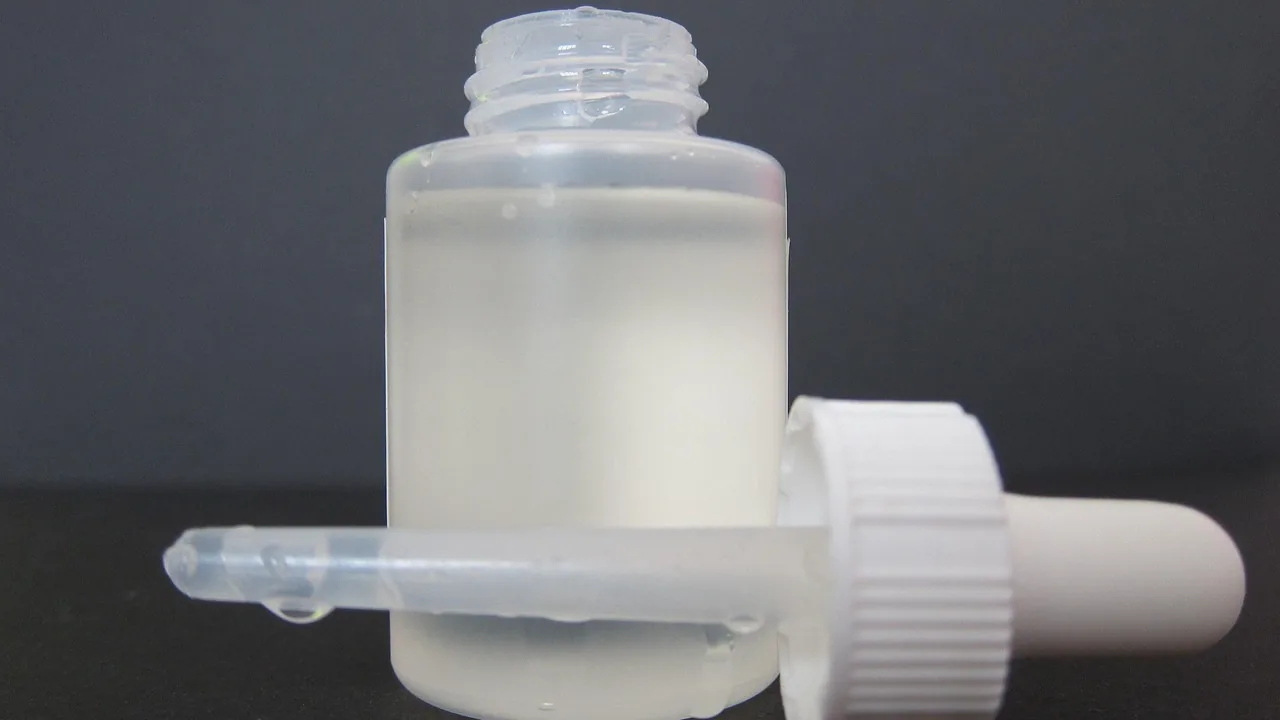
Price: $9.20 for 30 ml on theordinary.com, as of November 2026. Key ingredients: 10% lactic acid at pH 3.6 to 3.8, a hyaluronic acid crosspolymer and Tasmanian pepperberry extract, which the brand includes to calm irritation. There's no fragrance.
Who it suits: dry, rough or flaky skin that wants a measurable, low-cost lactic acid. Who should skip it: sensitive, peeling or compromised skin, which the brand warns against. The catch: it tingles, and The Ordinary suggests limiting contact time or diluting it with another product until you adjust. Our full review covers the formula.
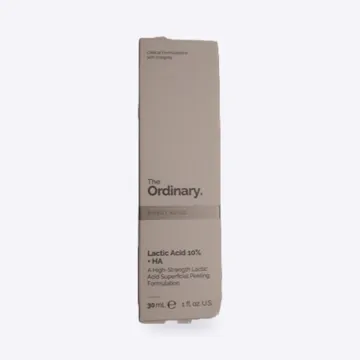
Lactic Acid 10% + HA
Leave-on exfoliant with lactic acid, hyaluronic acid and glycerin. Fragrance-free.
Suits: Normal, Dry, Oily, Combination skin
From Pori's catalogue. Amazon links carry our Associates tag: Pori earns from qualifying purchases, at no cost to you. No brand pays to be listed. Photos: Open Beauty Facts contributors, CC BY-SA 3.0.
2. The Ordinary Lactic Acid 5% + HA
Price: $8.10 for 30 ml on theordinary.com. Key ingredients: 5% lactic acid in the same base as the 10% version, at the same pH.
Who it suits: anyone new to acids, and dry skin that reacts to stronger exfoliants. Who should skip it: sensitive, peeling or compromised skin, per the brand. The catch: the brand lists retinoids, peptides, copper peptides and direct vitamin C as products not to use with it, which limits how you layer it.
3. Biossance Squalane + 10% Lactic Acid Resurfacing Night Serum
Price: $68 list for 30 ml on biossance.com, which showed a Black Friday price of $47.60 when we checked. Key ingredients: 10% lactic acid with squalane, caprylic/capric triglyceride and glycerin in a creamy texture meant for night.
Who it suits: dry or normal skin that finds watery acids tight or stingy. Who should skip it: fragrance-sensitive skin; the list ends with lavender oil and linalool. The catch: it costs about seven times The Ordinary's 10% for the same stated strength, and no pH is published.
4. Paula's Choice Skin Perfecting 6% Mandelic Acid + 2% Lactic Acid Liquid Exfoliant
Price: $37 for 88 ml at Dermstore. Key ingredients: 6% mandelic acid and 2% lactic acid in a fragrance-free liquid.
Who it suits: sensitive skin and deeper skin tones that want a slower acid with a little lactic acid for hydration. Who should skip it: anyone who wants a strong lactic effect; 2% is a small share. The catch: mandelic acid does most of the work here, so think of it as a gentle blend. Our guide to mandelic acid for darker skin explains why.
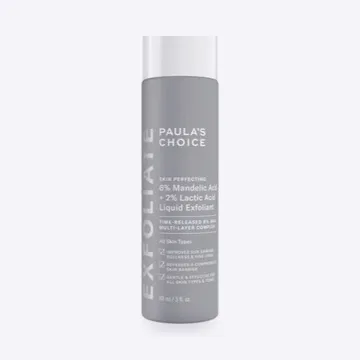
Skin Perfecting 6% Mandelic Acid + 2% Lactic Acid Liquid Exfoliant
Exfoliant with mandelic acid and lactic acid. Fragrance-free.
Suits: Normal, Dry, Oily, Combination, Sensitive skin
From Pori's catalogue. Amazon links carry our Associates tag: Pori earns from qualifying purchases, at no cost to you. No brand pays to be listed. Photos: Open Beauty Facts contributors, CC BY-SA 3.0.
5. Kate Somerville Liquid ExfoliKate Triple Acid Resurfacing Treatment
Price: $72 for 4 fl oz at Dermstore. Key ingredients: a 10% blend of lactic, glycolic and malic acids, with lactic acid listed first of the three, plus phytic acid and papaya and pineapple enzymes.
Who it suits: normal skin that likes a pat-on toner format and wants a stated total strength. Who should skip it: fragrance-sensitive skin; the base is geranium flower water, and the list ends with citronellol, geraniol and linalool. The catch: acids plus enzymes is a lot for one step, so don't add a second exfoliant that night.
6. Sunday Riley Good Genes All-In-One Lactic Acid Treatment
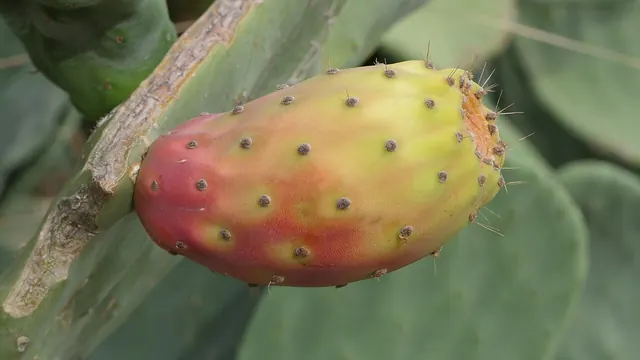
Price: $85 for 1 fl oz at Dermstore; 0.5 fl oz and 1.7 oz sizes are also sold. Key ingredients: lactic acid with squalane, prickly pear, arnica, aloe and licorice root extract in a lotion texture.
Who it suits: normal skin that wants a creamy lactic treatment and doesn't mind scent. Who should skip it: sensitive skin and essential-oil avoiders; it lists lemongrass oil even though the listing calls it fragrance-free. The catch: no strength is stated, and Sunday Riley suggests sensitive skin use it as a 15-minute rinse-off mask instead. Our Good Genes dupes compares cheaper lactic acid options.
7. PCA Skin Nutrient Toner
Price: $46 for 4.4 fl oz at Dermstore. Key ingredients: lactic acid with a pumpkin ferment, citric acid and glutathione, swept on with a cotton pad once a day or as needed.
Who it suits: normal or oily skin that wants a light lactic toner from a professional brand. Who should skip it: dry or sensitive skin; the list includes denatured alcohol and clove, cinnamon and ginger oils. The catch: no strength is listed, and the essential oils make the fragrance-free label misleading.
8. medicube Zero Pore Pad
Price: $20.99 for 70 pads at Target. Key ingredients: lactic acid near the top of the list, with salicylic acid, betaine salicylate, panthenol and allantoin.
Who it suits: oily or combination skin with rough texture and clogged pores. Who should skip it: dry or sensitive skin; the pads contain alcohol denat. and several citrus, lavender and eucalyptus oils, though Target lists them as unscented. The catch: no percentages are given. Our Zero Pore Pad review goes through the label.
9. AmLactin Daily Nourish Body Lotion
Price: $11.99 for 7.9 oz at Target. Key ingredients: 12% lactic acid as ammonium lactate, with mineral oil, glycerin and dimethicone. It is fragrance-free.
Who it suits: dry, rough skin on arms, legs and elbows. Who should skip it: anyone with broken or irritated skin. The catch: it's built for the body; the brand says it can go on the face, but a facial serum is easier to control. The label carries the standard AHA sunburn alert.
10. AmLactin KP Bumps Be Gone
Price: $15.99 for 3 oz at Target. Key ingredients: 15% lactic acid as ammonium lactate with glycerin and petrolatum, fragrance-free.
Who it suits: the small, rough bumps of keratosis pilaris on the upper arms and thighs. Who should skip it: children under 12, per the listing, and anyone on the face without a patch test first. The catch: it's a small tube for the price per ounce. Our skincare for keratosis pilaris compares other KP options.
Why choose lactic acid over glycolic acid?
Lactic acid is a slightly larger molecule than glycolic acid, so it tends to feel milder at the same percentage. It also hydrates: a review in Molecules describes sodium lactate as a well-known part of the skin's natural moisturizing factor, the mix of water-holding molecules in the outer layer. That double job is why dry skin often does better with lactic acid.
Strength matters for deeper results. In a small study, people who applied 12% lactic acid twice a day for three months showed firmer, thicker skin in deeper layers as well as on the surface, while 5% changed only the upper layers. For most faces, 5% to 10% is plenty. If you want the faster, stronger acid, see our best glycolic acid toners and glycolic acid benefits.
How do you use lactic acid safely?
The FDA reports that four weeks of AHA use raised volunteers' sensitivity to UV reddening by 18 percent, and it advises sunscreen, protective clothing and limited sun while you use AHAs and for a week afterward. The Cosmetic Ingredient Review panel considers lactic acid products safe for consumers at 10% or less with a pH of 3.5 or higher, as the FDA summarizes; body lotions sold as drug or medical products can go higher.
- Start two or three evenings a week on dry skin. Our guide to how often to exfoliate has a schedule.
- Follow with a moisturizer; lactic acid pairs well with hyaluronic acid, ceramides and squalane.
- Keep it off retinoid nights until your skin tolerates both. The same rule as retinol and glycolic acid applies to lactic acid.
- Skip it on broken, sunburned or very irritated skin. The American Academy of Dermatology suggests choosing an exfoliant that suits your skin type, and if every acid stings, try our exfoliators for sensitive skin.
For acne and blackheads, an oil-soluble BHA works better than lactic acid; our AHA vs BHA guide explains the difference.
How we chose
We looked for leave-on lactic acid exfoliants sold in the US in November 2026, including serums, toners, pads and body lotions, and favored products where lactic acid leads the acid list. We ranked them on stated strength and pH, fragrance and essential oils, how easy they are to start with, and price. We checked ingredient lists and prices on the brand site, Target and Dermstore, and used the FDA's AHA guidance as the safety frame. We did not test any product on skin.
Frequently asked questions
What is the best lactic acid exfoliant?
The Ordinary Lactic Acid 10% + HA is our best overall pick for its stated strength, stated pH and $9.20 price. The 5% version is the best first step, and Biossance Squalane + 10% Lactic Acid is the best creamy option for dry skin.
Is lactic acid better than glycolic acid for dry skin?
Usually, yes. Lactic acid is a slightly larger molecule, so it tends to feel milder, and it also helps skin hold water because lactate is part of the skin's natural moisturizing factor.
What percentage of lactic acid should I start with?
Start at 5% if you are new to acids or have dry, reactive skin, then move to 10% once your skin is comfortable. Higher strengths are mostly found in body lotions such as AmLactin.
Can I use lactic acid every day?
Some people can, but most should start two or three evenings a week. Daily use alongside a retinoid or another acid often causes stinging and peeling.
Does lactic acid make you sensitive to the sun?
Yes. The FDA says AHAs, including lactic acid, raise sunburn risk, so wear sunscreen while you use them and for a week afterward.
Can I use AmLactin on my face?
AmLactin says Daily Nourish can be used on the face, but it is built for the body. A facial lactic serum gives you more control over strength; patch test first if you try a body lotion on your face.
Sources
- U.S. Food and Drug Administration: Alpha Hydroxy Acids
- American Academy of Dermatology: How to safely exfoliate at home
- Tang SC, Yang JH. Dual effects of alpha-hydroxy acids on the skin. Molecules, 2018 (PMC)
- Smith WP. Epidermal and dermal effects of topical lactic acid. J Am Acad Dermatol, 1996 (PubMed)
- The Ordinary: Lactic Acid 10% + HA
- The Ordinary: Lactic Acid 5% + HA
- Biossance: Squalane + 10% Lactic Acid Resurfacing Serum
- Dermstore: Kate Somerville Liquid ExfoliKate Triple Acid Resurfacing Treatment
- Dermstore: Sunday Riley Good Genes All-In-One Lactic Acid Treatment
- Target: AmLactin KP Bumps Be Gone Hydrating Body Lotion
Pori is a wellness and skincare education app, not a medical device. This article is for general information and isn't medical advice. For anything that worries you, see a dermatologist.