Pori
- For about 72 hours, use only a gentle cleanser, a plain moisturizer and SPF 30+, and skip retinoids, acids, scrubs and saunas.
- Makeup is usually fine from the next day; pick non-comedogenic products and clean brushes.
- Small breakouts after a facial are common, especially after the first one, and usually settle within a week or two. Don't pop them.
- Bring retinol and acids back one at a time once your skin no longer feels warm or tight and has stopped stinging, usually by day three.
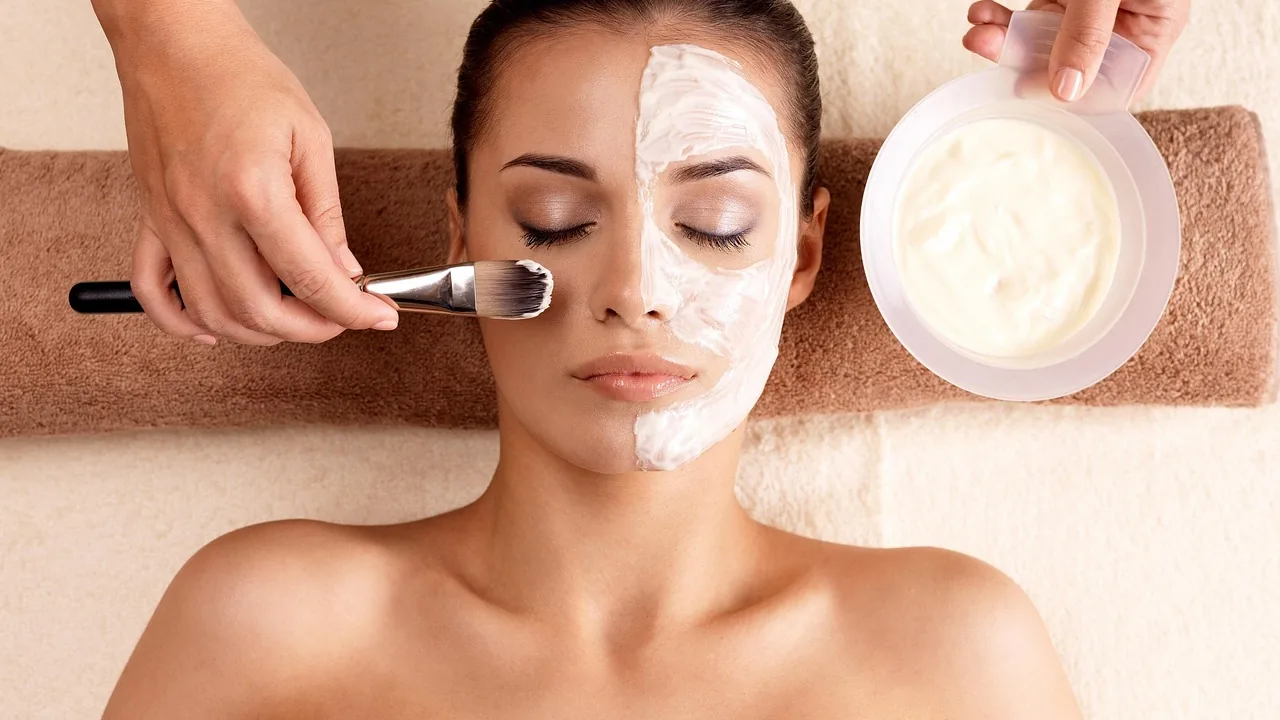
After a facial, keep your skin care simple for about 72 hours: rinse with lukewarm water and a gentle cleanser, use a plain fragrance-free moisturizer, and wear broad-spectrum SPF 30 or higher every morning. Skip retinoids, exfoliating acids, scrubs, saunas and heavy makeup for the first day or two, and don't pick at anything that surfaces after extractions.
That's the short version. Below is an hour-by-hour and day-by-day timeline, why some people break out after a facial, when makeup is fine, and how to tell when your skin is ready for its normal routine again.
What should I do right after a facial?
Right after a facial, do as little as possible to your skin for the rest of the day. A standard facial often leaves a pink flush from massage and stimulating ingredients, and a Cleveland Clinic esthetician says it usually fades over the course of the day. If your treatment included microdermabrasion, the American Academy of Dermatology (AAD) describes skin that can look pink or slightly swollen, similar to a sunburn or windburn, for a day or two.
For the first evening, three habits do most of the work:
- Leave the products on. Your esthetician has usually finished with a serum, moisturizer and sunscreen. There's no need to wash them off and start over before bed unless you sweated heavily.
- Keep your hands off. Extracted pores and treated skin are easy to irritate. Touching, rubbing and squeezing all add friction and bacteria.
- Sleep on a clean pillowcase. It's a small step that keeps oil and residue away from freshly opened pores.
What is the 72-hour aftercare timeline after a facial?
There is no single published standard for facial aftercare, so the timeline below is a cautious default built on general dermatologist guidance about gentle cleansing and sun protection. If your esthetician gave you different instructions, follow theirs: they know exactly which acids, peels or devices they used on your skin.
| Time after facial | Do | Skip |
|---|---|---|
| 0 to 24 hours | Leave products on, rinse gently at night if needed, plain moisturizer, clean pillowcase | Makeup, retinoids, acids, scrubs, sauna, hot yoga, hard workouts, picking |
| 24 to 48 hours | Gentle cleanser twice a day, moisturizer, SPF 30+ every morning; light non-comedogenic makeup if skin feels calm | Retinoids, exfoliating acids, scrubs, at-home devices, waxing or threading the face |
| 48 to 72 hours | Normal cleanser and moisturizer; add back mild serums such as niacinamide or hyaluronic acid | Strong retinoids and high-strength acids if skin still feels warm or tight, or stings |
| After 72 hours | Resume your usual routine one active at a time | Restarting every active on the same night |
If your facial included a chemical peel, the recovery window is set by the peel, not the facial. Our day-by-day chemical peel aftercare guide covers that separately.
How should I wash my face after a facial?
Wash your face gently, no more than twice a day and after heavy sweating, which is the AAD's general advice for washing your face without irritating it. That means:
- Wet your face with lukewarm water, not hot.
- Use a gentle, non-abrasive, alcohol-free cleanser.
- Apply it with your fingertips. The AAD notes that washcloths and mesh sponges can irritate skin.
- Rinse, then pat dry with a soft, clean towel.
On the night of the facial, many people can simply rinse with water or skip washing altogether, since the skin was cleansed several times during the treatment. From the next morning, a creamy or low-foam cleanser is the safest pick. If you usually use a salicylic acid or benzoyl peroxide wash, swap it for a plain one until day three.
Can I wear makeup after a facial?
You can usually wear makeup after a facial, but waiting until the next day gives extracted pores time to settle. Heavy foundation, primers and setting powders pressed into freshly treated skin are more likely to feel itchy or clog pores that were just cleared.
When you do go back to makeup, choose products labeled non-comedogenic, use clean brushes or sponges, and don't share applicators. These are all habits the AAD lists among the skin care habits that can worsen acne. Take everything off before bed, even if you're tired.
If you had an event in mind, the Cleveland Clinic advice is simple: don't book your first facial right before a big, photo-worthy occasion, because you don't yet know how your skin will react.
Why am I breaking out after a facial?
Breakouts after a facial are common, especially after your first one, and they usually settle on their own within a week or two. The Cleveland Clinic describes this as purging: the facial loosens dirt, oil and debris that were already sitting in your pores, and some of it surfaces as small pimples in the days that follow. The same article notes that purging tends to lessen with regular treatments.
A few other things can cause spots after a facial:
- Extractions. Squeezing a pore, even by a trained hand, causes some inflammation around it. Small red bumps where extractions were done are normal for a day or two.
- Rich products. Heavy massage oils or occlusive masks can clog pores in acne-prone skin.
- A new product reaction. If your skin is itchy, burning or covered in tiny bumps instead of a few pimples, that's more likely irritation or an allergy than purging.
To tell the two apart, see our guide to skin purging vs a breakout.
Should I pop the pimples that come up?
No. Leave them alone or use a gentle spot treatment you already tolerate. The AAD warns that popping pimples at home can push the contents deeper, increase inflammation, and lead to infection or permanent scars. Extraction with sterile instruments is a job for a professional. If spots are painful, a cold compress can help with swelling.
When can I use retinol or acids after a facial?
Most people can bring back retinol and exfoliating acids about 48 to 72 hours after a standard facial, once the skin no longer feels warm, tight or tender. Facials often include exfoliation of some kind: enzymes, an acid mask, a scrub, microdermabrasion or dermaplaning. Adding a retinoid or a strong acid on top of that, the same evening, stacks irritation on skin that's already been worked on.
Two practical rules help:
- Test before you restart. Apply your moisturizer and wait a minute. If even that stings, your skin isn't ready for actives yet.
- Restart one product at a time. Bring back your retinoid first on day three or four, and your acid toner a night or two later. If you use both, alternate nights for the first week.
Sun sensitivity is worth planning for too. If your facial used an alpha hydroxy acid such as glycolic or lactic acid, the FDA notes that AHAs can make skin more sensitive to the sun while you use them and for up to a week afterward. For more on easing retinoids back in, see retinol for beginners.
Do I need sunscreen after a facial?
Yes. Freshly exfoliated skin burns and pigments more easily, so wear sunscreen every morning after a facial, even if you'll mostly be indoors. The AAD recommends a broad-spectrum, water-resistant sunscreen with SPF 30 or higher, applied about 15 minutes before going out and reapplied every two hours outdoors or right after sweating. A mineral formula with zinc oxide is often the gentlest choice in the first few days. Our guide to how much sunscreen to use covers the amount for your face and neck.
Can I work out or use a sauna after a facial?
It's best to skip saunas, steam rooms, hot yoga and intense workouts for the first 24 hours. Heat and sweat can make lingering redness last longer, and sweat sitting in freshly extracted pores is uncomfortable. A walk is fine. If you do exercise, the AAD's advice applies: pat sweat away gently with a clean towel instead of rubbing, and wash your face soon afterward.
Also hold off on other face treatments for a few days: waxing, threading, at-home peels, microcurrent or LED devices you haven't used before, and any new product you've been waiting to try. Introducing one new thing on top of a facial makes it impossible to tell what caused a reaction.
What should I use after a facial if I have sensitive or acne-prone skin?
If your skin is sensitive, keep the full 72 hours bland: one gentle cleanser, one fragrance-free moisturizer with ingredients like glycerin, ceramides or panthenol, and a mineral sunscreen. If your skin often reacts to treatments, ask for a facial without extractions, fragrance or strong acids next time.
If you're acne-prone, the main risks are heavy creams and picking. Choose a light, non-comedogenic moisturizer and get back to your usual acne treatment by day two or three, since stopping for too long lets new breakouts form. The AAD recommends giving any acne treatment 6 to 8 weeks before judging it, so don't switch products just because of a post-facial flare.
How often should I get a facial?
Every four to six weeks is a common interval. A Cleveland Clinic esthetician calls that range ideal for most people, since it lines up roughly with how often skin renews itself, and suggests spacing treatments further apart once you're happy with the results. More often than that, especially with extractions, can keep skin in a constant state of recovery.
When should I call a doctor after a facial?
Most redness and small bumps fade within a few days. Contact your esthetician, and see a doctor or dermatologist, if you notice:
- redness, swelling or pain that gets worse after the first day instead of better;
- warm, painful bumps, yellow crusting or pus, which can be signs of infection;
- hives, intense itching or swelling around the eyes or lips, which can signal an allergic reaction;
- blisters, raw patches or dark patches that appear after the treatment.
How can a selfie scan help after a facial?
It's hard to judge whether a facial is worth the money from the mirror, because changes are small and our memory of how skin looked last month is unreliable. A consistent photo record helps. With Pori, you can take a selfie scan before a facial and again a week later, then compare scores such as Pores & Texture and Hydration & Moisture side by side, and log the treatment in the skin diary. If you're adding a new product afterward, Pori's ingredient scanner (a Pro feature) flags each ingredient as beneficial, use with caution or avoid for your skin type. For tips on getting comparable photos, see how to track skincare results.
An app can show changes in appearance, but it is not a diagnosis. It can't tell you whether you have an infection or a reaction, so see a professional for anything painful, spreading or not improving.
Frequently asked questions
Can I wash my face after a facial?
Yes, but gently. Rinse with lukewarm water or a mild, non-abrasive cleanser, use your fingertips, and pat dry. On the night of the facial, many people can just rinse or skip washing, since the skin was already cleansed several times.
Can I wear makeup after a facial?
Usually yes, but waiting until the next day lets extracted pores settle. When you go back to makeup, use non-comedogenic products and clean brushes, and remove it all before bed.
Why am I breaking out after a facial?
A facial can bring trapped oil and debris to the surface, which Cleveland Clinic experts call purging. It's most common after a first facial and usually settles within a week or two.
When can I use retinol after a facial?
Most people can restart retinol about 48 to 72 hours after a standard facial, once the skin no longer feels warm or tight and has stopped stinging. Restart one active at a time and follow your esthetician's instructions if they differ.
Can I work out after a facial?
It's best to skip intense workouts, saunas and hot yoga for the first 24 hours. If you do sweat, pat it away with a clean towel and wash your face soon after.
How often should I get a facial?
Every four to six weeks is a common interval for most people. Once you're happy with your skin, you can space treatments further apart.
Sources
- Cleveland Clinic: Facials: What Are They, and What Do They Really Do?
- American Academy of Dermatology: Pimple popping: Why only a dermatologist should do it
- American Academy of Dermatology: 10 skin care habits that can worsen acne
- American Academy of Dermatology: Face washing 101
- American Academy of Dermatology: How to apply sunscreen
- U.S. Food and Drug Administration: Alpha Hydroxy Acids
- American Academy of Dermatology: Microdermabrasion: FAQs
Pori is a wellness and skincare education app, not a medical device. This article is for general information and isn't medical advice. For anything that worries you, see a dermatologist.