Pori

- Drug Facts actives are zinc oxide 9.0% and octinoxate 7.5%, so it's a hybrid, not a pure mineral sunscreen.
- It adds 5% niacinamide and is fragrance-free, oil-free and labeled non-comedogenic, which suits acne-prone and rosacea-prone skin.
- It isn't water resistant, and EltaMD says the untinted version works best on fair to medium skin; deeper skin tones should look at the tinted versions.
- $46 for 1.7 oz on eltamd.com as of November 2026 (about $27 per oz); CeraVe AM SPF 30 is a cheaper hybrid with niacinamide.
EltaMD UV Clear Broad-Spectrum SPF 46 is a light, fragrance-free daily sunscreen that suits acne-prone, rosacea-prone and sensitive skin, and it adds 5% niacinamide for uneven tone. Its filters are 9% zinc oxide and 7.5% octinoxate, so it's a hybrid rather than a pure mineral sunscreen. The catches are the price, about $27 an ounce, the lack of water resistance, and an untinted version the brand says works best on fair to medium skin tones.
Before you buy, you can scan the bottle's barcode or label with the ingredient scanner in Pori to see how its ingredients are flagged for your skin type.
Below we go through the Drug Facts actives, every inactive ingredient, the evidence for zinc oxide and niacinamide, who should buy it and who should skip it, the price per ounce, how much to apply, and four alternatives. We compared published ingredient lists, brand claims and listed prices; we did not test these products on skin.
What is EltaMD UV Clear SPF 46?
It's a lotion sunscreen for the face from the US brand EltaMD. EltaMD says it's formulated with 5% niacinamide to help reduce the appearance of blemishes and discoloration and uses micronized zinc oxide for UVA and UVB protection. The brand lists it as fragrance-free, paraben-free, dye-free, hypoallergenic, oil-free and non-comedogenic, and names acne-prone and rosacea-prone skin as its targets.
| Detail | Drug Facts and brand page |
|---|---|
| Active ingredients | Zinc oxide 9.0%, octinoxate 7.5% |
| SPF | 46, broad spectrum |
| Water resistance | None claimed; the label says to use a water-resistant sunscreen if swimming or sweating |
| Notable inactives | Niacinamide (5%, per the brand), sodium hyaluronate, tocopheryl acetate, lactic acid |
| Brand claims | Fragrance-free, paraben-free, dye-free, hypoallergenic, oil-free, non-comedogenic |
| Versions | Untinted, Tinted and Deep Tint |
| Sizes | 1.7 oz (48 g) and 3.7 oz (106 g) |
What's in EltaMD UV Clear? Actives and full ingredient list
The Drug Facts label on DailyMed lists two actives: zinc oxide 9.0% and octinoxate 7.5%, both as sunscreens. EltaMD's product page lists the untinted version's inactive ingredients as water, cyclopentasiloxane, niacinamide, octyldodecyl neopentanoate, hydroxyethyl acrylate/sodium acryloyldimethyl taurate copolymer, butylene glycol, phenoxyethanol, polyisobutene, triethoxycaprylylsilane, tocopheryl acetate, PEG-7 trimethylolpropane coconut ether, oleth-3 phosphate, iodopropynyl butylcarbamate, lactic acid, sodium hyaluronate and phosphoric acid. The DailyMed label has the same ingredients in a slightly different order; EltaMD notes ingredients may change and the package is the final word.
- Zinc oxide (9%): a mineral filter that covers UVB and a broad stretch of UVA.
- Octinoxate (7.5%): a chemical filter that mainly absorbs UVB, adding to the zinc's protection.
- Niacinamide: vitamin B3, third on the list; EltaMD gives it as 5%.
- Cyclopentasiloxane: a light silicone that evaporates and gives the dry, silky finish.
- Octyldodecyl neopentanoate and polyisobutene: light emollients that help the lotion spread.
- Triethoxycaprylylsilane: a coating that helps zinc oxide particles disperse evenly.
- Sodium hyaluronate and butylene glycol: humectants.
- Tocopheryl acetate: a form of vitamin E, used as an antioxidant.
- Lactic acid and phosphoric acid: listed near the end, used here in small amounts, likely to adjust pH. At that position they're unlikely to exfoliate.
- Phenoxyethanol and iodopropynyl butylcarbamate: preservatives.
The tinted version adds iron oxides, isopropyl palmitate and ethylhexyl stearate, according to EltaMD's page.
What does the evidence say about its key ingredients?
Zinc oxide
Zinc oxide is the broadest single mineral filter. In a comparison of US filters, formulas with 5% zinc oxide or 3% avobenzone blocked long-wave UVA far better than 5% titanium dioxide. The FDA's proposed rule treats zinc oxide and titanium dioxide as generally recognized as safe and effective, and the agency says 12 other filters need more data, while stressing that this isn't a conclusion that they're unsafe. Octinoxate is one of those 12. The AAD notes that dermatologists recommend mineral sunscreens for people with sensitive skin. Our zinc oxide guide and chemical filters explainer go further.
Niacinamide
Niacinamide at 5% has decent evidence for tone. In a controlled study, a 5% niacinamide moisturizer significantly decreased hyperpigmentation compared with the same moisturizer without it, and a 12-week trial found fewer dark spots, less red blotchiness and less sallowness. Those effects come from steady daily use over months, which is exactly how a sunscreen is used. See our niacinamide guide.
Why it's popular for acne and rosacea
For oily, breakout-prone skin, the AAD says to look for sunscreens that contain zinc oxide and titanium dioxide and skip those with fragrance or oils. UV Clear meets the zinc and fragrance-free parts and is labeled oil-free. For rosacea, the AAD advises choosing products made for sensitive skin and wearing sunscreen year-round. A non-comedogenic label is a manufacturer claim, so the best test is still your own skin over a few weeks.
Who is EltaMD UV Clear for, and who should skip it?
It suits you if you:
- Have acne-prone, oily or combination skin and want a light daily sunscreen. Our best sunscreen for acne-prone skin roundup compares it with cheaper picks.
- Have rosacea or sensitive skin that reacts to fragrance. It also appears in our rosacea moisturizer picks as the daytime step.
- Want help with uneven tone or red acne marks from the same product.
Look elsewhere if you:
- Have deep skin and want no cast: EltaMD says the untinted lotion works best on fair, light, medium light or medium skin tones. The Tinted or Deep Tint versions are the better fit, and iron oxide tints add protection against visible light, which caused darker, longer-lasting pigmentation in skin types IV to VI in one study. See our best sunscreen for dark skin.
- Want a 100% mineral formula: octinoxate is a chemical filter.
- Swim or sweat heavily: it isn't water resistant.
- Have very dry skin: it's a light, oil-free lotion, so you'll likely want moisturizer underneath.
- Are on a tight budget: drugstore options cover the basics for less.
Should you choose UV Clear Tinted or untinted?
Choose by skin tone and by what you want from the finish. The untinted lotion is the one reviewed here; EltaMD says it suits fair to medium skin tones best. The Tinted version keeps the same actives and adds iron oxides plus two extra emollients, isopropyl palmitate and ethylhexyl stearate, and EltaMD says it helps even out skin tone and leaves no white cast. DailyMed also lists a separate UV Clear Deep Tint with zinc oxide and octinoxate for deeper skin. If you're prone to dark marks or melasma, a tint is worth considering for the visible-light protection described above. If you're acne-prone and sensitive to richer esters, patch test the tinted version first.
How much does EltaMD UV Clear cost?
As of November 2026, EltaMD's own store lists the untinted UV Clear at $46 for 1.7 oz and $78 for 3.7 oz.
| Size | Price on eltamd.com (November 2026) | Price per oz |
|---|---|---|
| 1.7 oz (48 g) | $46 | About $27.06 |
| 3.7 oz (106 g) | $78 | About $21.08 |
Retail prices vary, so check per-ounce cost wherever you buy. If you wear it every day, the 3.7 oz size has the lower per-ounce price.
How do you use it?
- Apply it as the last skincare step in the morning, over moisturizer if you use one.
- Use enough. Most people under-apply sunscreen; our guide to how much sunscreen to use shows how much your face and neck need.
- Apply it 15 minutes before sun exposure, as the label directs.
- Reapply at least every 2 hours outdoors, and use a water-resistant sunscreen if you're swimming or sweating.
The FDA also advises limiting time in the sun and wearing protective clothing, because sunscreen alone isn't complete protection.
What are the best alternatives to EltaMD UV Clear?
- CeraVe AM Facial Moisturizing Lotion SPF 30: a fragrance-free hybrid with zinc oxide plus chemical filters, niacinamide and ceramides, for much less money.
- La Roche-Posay Toleriane Double Repair UV SPF 30: fragrance-free with niacinamide and ceramide, but all-chemical filters; our Toleriane Double Repair UV review covers it.
- Bubble Solar Mate Daily Mineral SPF 40: a fragrance-free, zinc-only option if you want to avoid chemical filters.
- Supergoop! Unseen Sunscreen SPF 40: a gel that goes on clear, though it uses chemical filters including octocrylene; see our Unseen review.
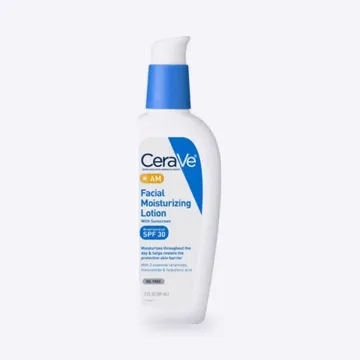
AM Facial Moisturizing Lotion SPF 30
SPF 30 sunscreen with niacinamide, homosalate and octinoxate. Fragrance-free.
Suits: Normal, Dry, Oily, Combination, Sensitive skin
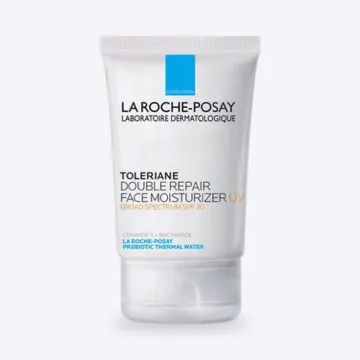
Toleriane Double Repair Face Moisturizer UV SPF 30
SPF 30 sunscreen with niacinamide, avobenzone and homosalate. Fragrance-free.
Suits: Normal, Dry, Oily, Combination, Sensitive skin
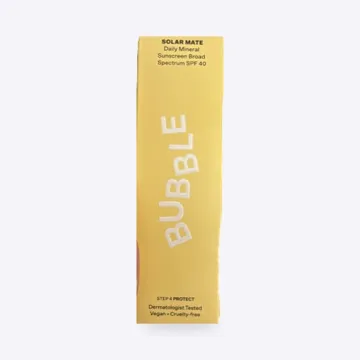
Solar Mate Daily Mineral Sunscreen Broad Spectrum SPF 40
Mineral spf 40 sunscreen with zinc oxide and glycerin. Fragrance-free.
Suits: Normal, Dry, Oily, Combination, Sensitive skin
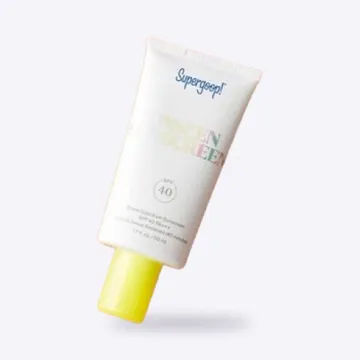
Unseen Sunscreen SPF 40
Dry, grippy finish — doubles as a primer, leaves no cast.
Suits: Oily, Combination, Normal skin
From Pori's catalogue. Amazon links carry our Associates tag: Pori earns from qualifying purchases, at no cost to you. No brand pays to be listed. Photos: Open Beauty Facts contributors, CC BY-SA 3.0.
For more, browse our sunscreens for sensitive skin, or read our best mineral sunscreen for sensitive skin and best tinted sunscreen roundups.
Is EltaMD UV Clear worth it?
If you have acne-prone, rosacea-prone or easily irritated skin and you've struggled to find a sunscreen you'll wear every day, it's a well-built option: zinc oxide, 5% niacinamide, no fragrance and a light finish. You're paying for a polished formula more than for protection you can't get elsewhere, since drugstore sunscreens use the same kinds of filters for a fraction of the price. Choose the tinted versions if you have medium to deep skin, and keep a water-resistant sunscreen for the beach.
Frequently asked questions
Is EltaMD UV Clear a mineral sunscreen?
Not entirely. It uses 9% zinc oxide, a mineral filter, plus 7.5% octinoxate, a chemical filter. If you want mineral-only protection, choose a zinc oxide or titanium dioxide formula.
Is EltaMD UV Clear good for acne-prone skin?
It's a common pick for acne-prone skin because it's oil-free, fragrance-free, labeled non-comedogenic and contains zinc oxide and niacinamide. It doesn't treat acne, so keep your acne treatment as a separate step.
Does EltaMD UV Clear leave a white cast?
EltaMD says the untinted version works best on fair to medium skin tones, which suggests it can show on deeper skin. The Tinted and Deep Tint versions are made to avoid that.
Is EltaMD UV Clear water resistant?
No. Its label tells you to use a water-resistant sunscreen if you're swimming or sweating, and to reapply at least every 2 hours.
Is EltaMD UV Clear safe for rosacea?
It's fragrance-free and EltaMD lists rosacea-prone skin as a target. Patch test first, since anyone can react to an individual ingredient, and see a dermatologist for rosacea treatment.
What is a cheaper alternative to EltaMD UV Clear?
CeraVe AM Facial Moisturizing Lotion SPF 30 is a fragrance-free hybrid with zinc oxide and niacinamide. Bubble Solar Mate SPF 40 is a cheaper zinc-only option.
Sources
- EltaMD: UV Clear Broad Spectrum SPF 46 (ingredients, claims, prices)
- DailyMed: EltaMD UV Clear SPF 46 (zinc oxide and octinoxate) Drug Facts label
- FDA: Questions and answers on FDA's regulatory actions on OTC sunscreen
- Comparison of UVA protection by US sunscreen filters (PubMed)
- Niacinamide and cutaneous pigmentation, Br J Dermatol, 2002 (PubMed)
- Topical niacinamide 12-week trial in facial aging (PubMed)
- American Academy of Dermatology: Sunscreen FAQs
- American Academy of Dermatology: How to control oily skin
- American Academy of Dermatology: 6 rosacea skin care tips
- Visible light-induced pigmentation by skin type (PubMed)
Pori is a wellness and skincare education app, not a medical device. This article is for general information and isn't medical advice. For anything that worries you, see a dermatologist.