Pori

- Contact dermatitis is a rash caused by something touching the skin: irritant contact dermatitis comes from damage by harsh products, allergic contact dermatitis from an immune reaction to a specific ingredient.
- On the face it often shows up on the eyelids, around the mouth, at the hairline or on the earlobes; it looks red on lighter skin and dark brown, purple or gray on darker skin.
- Fragrance, preservatives such as methylisothiazolinone and formaldehyde releasers, hair dye (PPD) and nickel are among the most common cosmetic allergens named by the FDA and the AAD.
- Stopping the trigger is the main treatment; a dermatologist can run a patch test to find an allergy, and swelling of the lips, tongue or throat or trouble breathing is an emergency.
Contact dermatitis on the face is an itchy, red or discolored rash that appears where something touched the skin, such as a new moisturizer, makeup, hair dye or earrings. Irritant contact dermatitis happens when a product damages the skin's surface and usually stings or burns within hours. Allergic contact dermatitis is an immune reaction to one ingredient and often appears a day or more after contact.
Pori does not diagnose skin conditions. The selfie scans and photo diary in Pori can help you keep dated, consistent photos of a rash to show a dermatologist and to see whether avoiding a product is working.
This guide explains the two types, where they show up on the face, the cosmetic ingredients most often behind them, how patch testing works, how to calm a flare and when to get help.
What does contact dermatitis on the face look like?
It usually starts with itch, then a rash. The skin can become dry, cracked, swollen or blistered. The NHS says the rash can look red on lighter skin, while "darker skin can become dark brown, purple or grey", and that symptoms usually appear within a few hours or days of contact. Cleveland Clinic describes the rash as "red to purple or darker than your natural skin tone".
The shape is the best clue. Contact dermatitis follows the outline of what touched you: a line along the hairline after hair dye, a round patch under a bindi, the earlobes after earrings, or the eyelids after eye makeup or something your hands carried there.
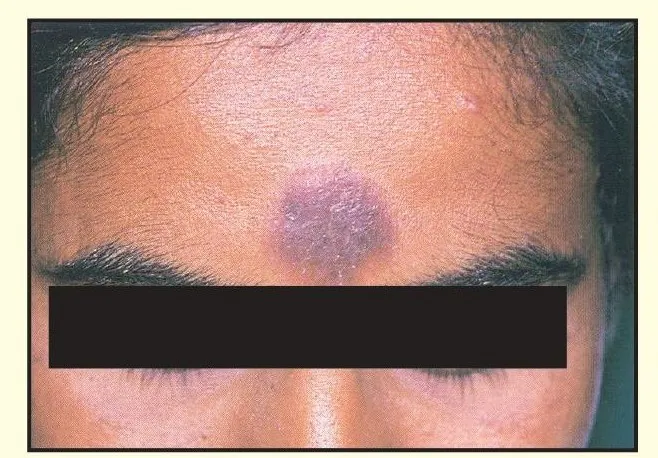
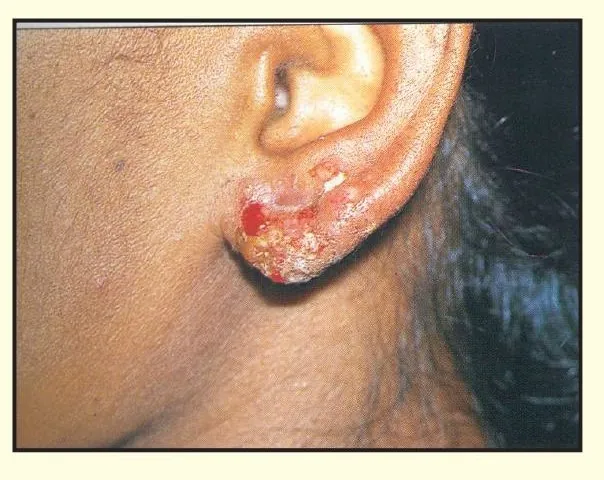
Where on the face does it appear?
- Eyelids: the skin here is very thin, so it reacts easily, including to products you put on your hands, nails or hair and then touch to your eyes.
- Around the mouth and lips: lip products, toothpaste and food can all play a part.
- Hairline, ears and neck: shampoo, conditioner, hair dye and fragrance sprayed on the neck.
- Earlobes: metal in earrings, most often nickel.
- Cheeks and the whole face: moisturizers, sunscreens, cleansers and makeup.
The NHS notes contact dermatitis most often affects the hands and face.
Irritant vs allergic contact dermatitis: what's the difference?
Irritant contact dermatitis is the more common type. The NHS says it is caused by substances that directly damage the outer layer of skin, such as soaps, detergents, solvents and frequent contact with water. On the face, harsh cleansers, strong acids, retinoids, alcohol-heavy toners and over-exfoliation are typical causes. Anyone can get it with enough exposure, and it tends to come on quickly.
Allergic contact dermatitis is an immune reaction to a specific substance. MedlinePlus explains that you don't react the first time: the reaction comes with later exposures, often 24 to 48 hours afterward. That delay, and the fact that you may use a product for months before becoming allergic, makes the culprit harder to spot. Once you are allergic, even a small amount can set it off: the AAD notes "You can get a rash even if you only briefly touch something" you are allergic to.
| Feature | Irritant contact dermatitis | Allergic contact dermatitis |
|---|---|---|
| Cause | Damage to the skin barrier from a harsh product or overuse | Immune reaction to one ingredient or material |
| Who gets it | Anyone, with enough exposure | Only people who have become allergic |
| Timing | Minutes to hours | Often a day or more after contact |
| Main feeling | Burning, stinging, tightness | Itch |
| Spread | Stays where the product went | Can spread beyond the contact area |
| Test | No test; diagnosed from the history | Patch testing can identify the allergen |
Contact dermatitis is not contagious. The AAD says you cannot give it to anyone else, although Cleveland Clinic notes an allergen left on your hands can reach another person's skin.
Which skincare and cosmetic ingredients cause allergic reactions?
The FDA groups the most common cosmetic allergens into five classes: natural rubber, fragrances, preservatives, dyes and metals. The AAD says more than 15,000 substances can cause an allergic skin reaction, and that fragrance and nickel are among the most common.
- Fragrance: includes synthetic fragrance and many essential oils. The FDA points to the list of fragrance allergens used in the EU, which includes common compounds such as linalool and limonene. The FDA notes that fragrance ingredients may be listed only as "fragrance" or "parfum", so the specific allergen may not appear on the label. Our guide to fragrance and essential oils in skincare covers this in more detail.
- Preservatives: the FDA names methylisothiazolinone (MI), methylchloroisothiazolinone and formaldehyde-releasing preservatives such as DMDM hydantoin, bronopol and quaternium-15.
- Hair dye: p-phenylenediamine (PPD), found in many permanent dyes. A reaction can show up on the scalp, hairline, ears, eyelids and neck.
- Metals: nickel and gold, from earrings, glasses frames and tools such as eyelash curlers.
- Natural rubber latex: found in some makeup sponges and eyelash glue.
Two label words can mislead. The FDA says "hypoallergenic" and "fragrance-free" have no federal definition in the US. A product sold as gentle can still contain your allergen, so reading the ingredient list is the only reliable check. You can scan a product's barcode or label with the ingredient scanner in Pori to check it against your skin type and see whether it lists fragrance or common preservatives.
The FDA also lists dyes such as coal-tar colors among cosmetic allergens. Reactions to sunscreen filters, acrylates in nail and lash products, and plant extracts happen too, though less often.
How do you find out what caused it?
Start with the history. Think back two or three days: new products, a new hair color, a changed formula, a new partner's cologne, a new job or hobby. Then stop everything that isn't essential and go back to a short, fragrance-free routine until the skin calms down.
Patch testing at a dermatologist
If the rash keeps coming back or you can't find the cause, a dermatologist or allergist can do a patch test. This is different from a skin-prick test for hay fever or food allergy. Cleveland Clinic explains that small amounts of common allergens are placed on the skin under sticky patches and checked for a reaction. In a typical schedule, described in a UK hospital patient leaflet, the patches stay on the back for 48 hours and the main reading is a few days after they are put on. You keep the back dry during that time, and late reactions can appear up to about 10 days later. Recent sun on the back and oral steroids can affect the result, so mention them beforehand. A positive square turns red and raised, sometimes with small blisters.

Ask whether to bring your own products, since standard allergen panels do not cover every ingredient. A positive result is only useful if it fits your story, so the dermatologist will explain which products to avoid and which ingredient names to look for.
Testing a new product at home
Home testing can't diagnose an allergy, but it can lower the risk of a face-wide reaction to a new product. We explain the method step by step in how to patch test skincare. Remember that allergic reactions can take days to appear, so a single day of testing is not enough.
How is contact dermatitis on the face treated?
The main treatment is to remove the cause. The AAD puts it simply: "Only by avoiding the cause can you get rid of contact dermatitis."
- Stop the suspect product and anything with fragrance, acids or retinoids until the skin heals.
- Wash gently with lukewarm water and a mild, fragrance-free cleanser, and pat dry.
- Moisturize with a plain, fragrance-free cream to protect the barrier; the NHS recommends emollients for this.
- Cool compresses can ease itch and burning.
- Don't scratch. Broken skin can become infected and heal with dark marks, especially on brown and black skin.
These fragrance-free basics from our catalogue are simple options while the skin recovers. Check each label against your known allergens first, since a fragrance-free product can still contain a preservative you react to:
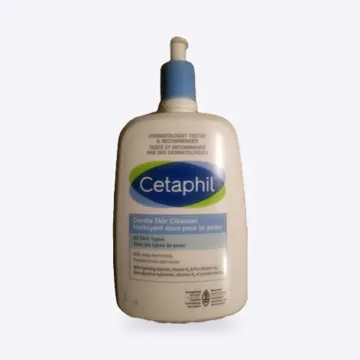
Gentle Skin Cleanser
The default gentle cleanser most dermatologists start people on.
Suits: Dry, Normal, Sensitive skin
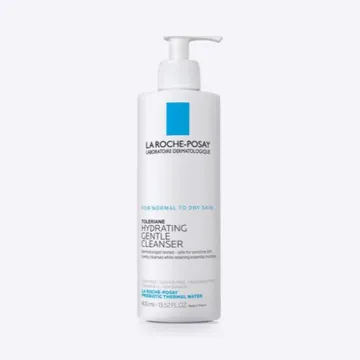
Toleriane Hydrating Gentle Cleanser
Milky cleanser built for reactive, tight-feeling skin.
Suits: Dry, Sensitive, Normal skin
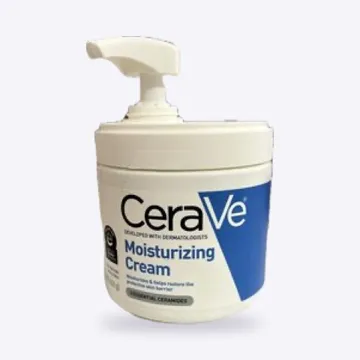
Moisturizing Cream
Thick ceramide cream for skin that dries out by midday.
Suits: Dry, Normal, Sensitive skin
From Pori's catalogue. Amazon links carry our Associates tag: Pori earns from qualifying purchases, at no cost to you. No brand pays to be listed. Photos: Open Beauty Facts contributors, CC BY-SA 3.0.
For itch and inflammation, Cleveland Clinic lists anti-itch creams, antihistamines and corticosteroid creams, with oral steroids for severe cases. On the face, and especially on the eyelids, steroid creams should be low strength and used briefly under a doctor's direction, because facial skin thins easily. A dermatologist may also suggest tacrolimus or pimecrolimus, which MedlinePlus lists as options. Mild cases may clear within days of avoiding the trigger, and MedlinePlus says it usually clears within 2 to 3 weeks, though it can return if the trigger is never found.
Related reading: how to repair a damaged skin barrier and breaking out after a new skincare product.
What else could a facial rash be?
| Condition | How it differs from contact dermatitis |
|---|---|
| Atopic eczema | Flares without a clear product trigger; often a history of eczema, asthma or hay fever |
| Seborrheic dermatitis | Greasy flakes in nose folds, brows and beard; not tied to a product |
| Perioral dermatitis | Small bumps around the mouth and nose, often after steroid creams |
| Rosacea | Flushing and bumps on cheeks and nose, triggered by heat, sun or alcohol |
| Hives | Raised welts that move around and fade within a day; no scaling |
When should you see a doctor?
See a doctor if the rash doesn't improve within a week or two after stopping the suspect product, keeps coming back, affects the eyelids or spreads. If you need a specialist, you can find a dermatologist near you. The AAD advises seeing a board-certified dermatologist for a rash that comes and goes. Get medical care soon for:
- Oozing, crusting, pus or yellow crusts, which can signal infection
- Fever or feeling unwell with the rash
- A rash after hair dye that spreads beyond the hairline or causes marked swelling of the eyelids or face
- Any rash in or near the eye, or changes in vision
Call 911 for swelling of the lips, tongue or throat, trouble breathing or swallowing, or feeling faint. The FDA notes that anaphylaxis is rare with cosmetics but can be life-threatening.
Frequently asked questions
How do I know if I'm allergic to a skincare product?
Allergic contact dermatitis causes an itchy rash where the product was applied, often a day or more after use, and it returns each time you use it. Only a patch test at a dermatologist can confirm the exact ingredient.
How long does contact dermatitis on the face last?
Mild cases can clear within a few days once you avoid the trigger. Cleveland Clinic notes the rash can last a few days to a couple of weeks, and up to several weeks with treatment.
What is the most common cause of allergic contact dermatitis on the face?
Fragrance and preservatives in cosmetics are among the most common causes, along with hair dye (PPD) and nickel in earrings. The FDA lists natural rubber, fragrances, preservatives, dyes and metals as the main classes of cosmetic allergens.
Can you suddenly become allergic to a product you've used for years?
Yes. Allergic contact dermatitis develops after repeated exposure, so a product you have used for months or years can start causing a rash. Brands also reformulate, so check the current ingredient list.
Is contact dermatitis contagious?
No. You cannot catch it from another person. An allergen left on your hands can, however, reach someone else's skin if you touch them before washing.
Does 'hypoallergenic' mean a product won't cause a reaction?
No. The FDA says 'hypoallergenic' has no federal definition in the US. Read the ingredient list and avoid the specific allergens a patch test has identified for you.
Sources
- American Academy of Dermatology: Contact dermatitis overview
- Cleveland Clinic: Contact dermatitis
- NHS: Contact dermatitis
- US Food and Drug Administration: Allergens in cosmetics
- Hull University Teaching Hospitals NHS Trust: Patch testing for contact dermatitis
- MedlinePlus (US National Library of Medicine): Contact dermatitis
Pori is a wellness and skincare education app, not a medical device. This article is for general information and isn't medical advice. For anything that worries you, see a dermatologist.