Pori
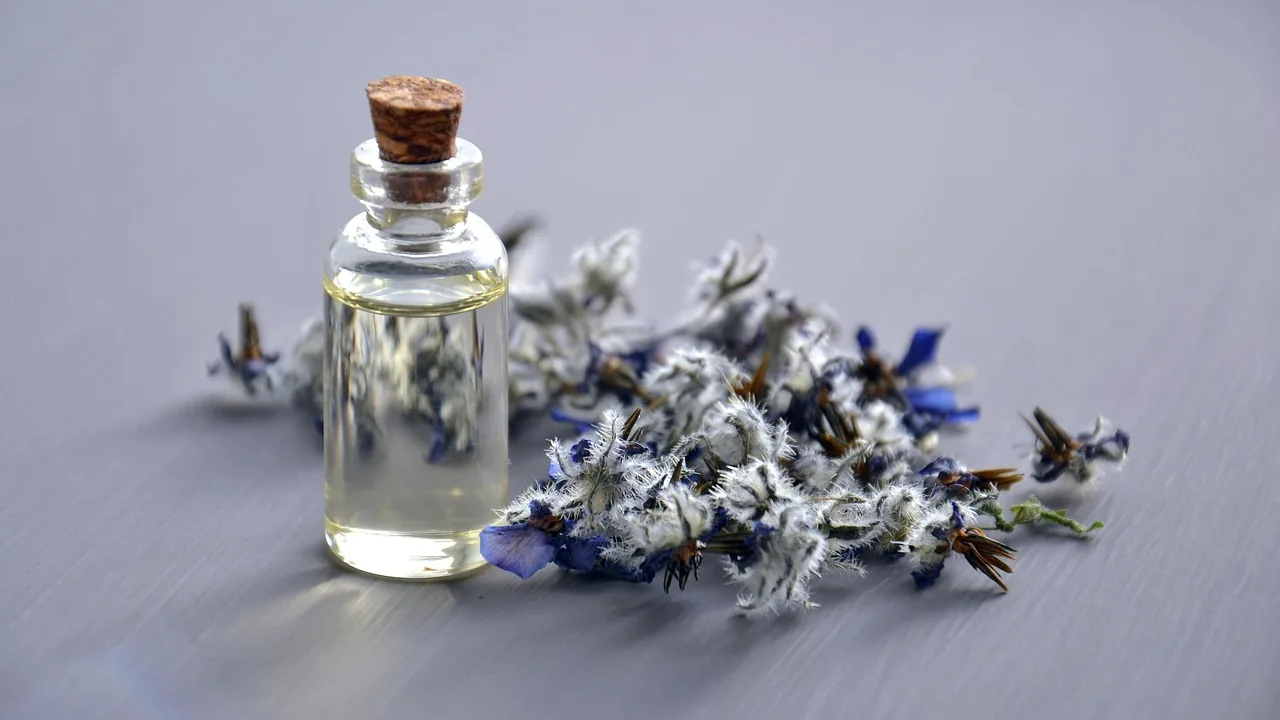
- The Ordinary 100% Plant-Derived Squalane is the best overall pick: one sugarcane-derived ingredient for $10.40 per 30 ml.
- Biossance suits sensitive and eczema-prone skin, Timeless is the olive-derived budget pick, and Indie Lee sells a 10 ml trial size.
- Squalane can come from shark liver, sugarcane or olives; once purified it is the same molecule, so the source is mainly an ethical question.
- Use two to four drops after serums and before moisturizer; squalane softens skin but seals far less than petrolatum.
The best squalane oil for most people is The Ordinary 100% Plant-Derived Squalane, a single-ingredient, sugarcane-derived oil for $10.40 an ounce. Biossance 100% Squalane Oil is the pick for sensitive or eczema-prone skin, Timeless 100% Pure Squalane Oil is the best olive-derived budget option, and Indie Lee Squalane Facial Oil is the olive-derived pick for people who want a small, brand-name bottle with no essential oils.
Before you buy, you can scan a face oil's barcode or photograph its label with the ingredient scanner in Pori to check it against your skin type. That matters most when a "squalane" product turns out to be a blend; Pori reads the label and does not diagnose skin conditions.
Quick picks
- Best overall: The Ordinary 100% Plant-Derived Squalane ($10.40 for 30 ml, The Ordinary): one ingredient, sugarcane-derived, labeled for all skin types.
- Best for sensitive or eczema-prone skin: Biossance 100% Squalane Oil ($34 list price for the full-size bottle, Biossance): sugarcane-derived and accepted by the National Eczema Association.
- Best olive-derived budget pick: Timeless Skin Care 100% Pure Squalane Oil ($12.99 for 1 fl oz, Target): olive-derived, with no fragrance or dye added.
- Best small bottle to try: Indie Lee Squalane Facial Oil ($14 for 10 ml or $38 for 30 ml, Dermstore): olive-derived, no essential oils, sold in a trial size.
We compared published ingredient lists, brand claims and listed prices; we did not test these products on skin. Prices are US list prices as of November 2026, with the retailer named, and they change often. For the science behind squalane, read our guide to squalane oil benefits first.
How do the best squalane oils compare?
| Squalane oil | Key ingredients | Skin type | Price (November 2026) |
|---|---|---|---|
| The Ordinary 100% Plant-Derived Squalane | Squalane (sugarcane-derived), single ingredient | All, including oily | $10.40 for 30 ml (The Ordinary) |
| Biossance 100% Squalane Oil | Squalane (sugarcane-derived), single ingredient | All, including sensitive and eczema-prone | $34 list, full size (Biossance) |
| Timeless Skin Care 100% Pure Squalane Oil | Squalane (olive-derived), no fragrance or dye added | Oily, combination, dry, mature | $12.99 for 1 fl oz (Target) |
| Indie Lee Squalane Facial Oil | Squalane (olive-derived), no essential oils | Dry, normal, mature, sensitive, acne-prone | $38 for 30 ml (Dermstore) |
What should you look for in a squalane oil?
A good squalane oil is mostly just squalane, and the brand tells you where it came from. Three things are worth checking on the label and the product page:
- Squalane with an a. Squalane is the hydrogenated, stable form. Squalene with an e is the unsaturated version found in sebum, and a review in Molecules explains that sunlight turns squalene into oxidized forms that were comedogenic in animal tests. Every pick here lists squalane.
- A single ingredient. A bottle sold as "squalane oil" can also hold heavier plant oils or fragrance. All four picks list squalane alone. A blend can still be fine; it simply behaves like the other oils in it.
- A named source. Once purified, squalane is the same molecule from any source, so the source is an ethical question more than a skin one. That makes it worth asking about, as the next section explains.
Cleveland Clinic describes squalane as noncomedogenic, so it shouldn't clog pores, and suggests layering it over lighter products such as serums or toners. The Cosmetic Ingredient Review panel reaffirmed in 2023 that squalane and squalene are safe as used in cosmetics.
Is squalane from plants or sharks, and does it matter?
It can come from either, which is why the source on the page matters. Shark liver was the traditional source: the same Molecules review notes that squalene was named for its occurrence in shark liver oil, its richest source, with smaller amounts in olive and other plant oils. A 2022 review of squalene production from microalgae estimates that about 3,000 sharks are killed to obtain one ton of squalene, which is why research and many brands have moved to plants.
Here is what each brand states:
- The Ordinary: "derived from sugar cane."
- Biossance: sugarcane-derived, and its FAQ says the company developed sugarcane squalane as an alternative to shark liver. It also says its squalane is not made from olives.
- Timeless: "100% pure olive derived squalane" on the Target label.
- Indie Lee: "100% olive-derived squalane" on the product images Dermstore shows.
On your skin, sugarcane and olive squalane should behave the same. If a product lists squalane and the brand does not say where it comes from, ask before you buy, or pick one of the brands above that states its source.
Which squalane oils are best?
The Ordinary 100% Plant-Derived Squalane: best overall
This is the simplest bottle on the list and the cheapest per ounce. The Ordinary's product page lists one ingredient, squalane, says it is derived from sugar cane and labels it suited to all skin types. The brand describes it as water-free and alcohol-free. It sells 30 ml for $10.40 on its US site.
Who it suits: almost everyone, including oily skin that wants a light finishing layer and people starting a retinoid who need a buffer. Who should skip it: very dry or cracked skin that needs a heavier seal, such as a cream or petrolatum at night. The catch: the dropper bottle is small, and The Ordinary notes that formulas can vary by region, so check the box.
Biossance 100% Squalane Oil: best for sensitive or eczema-prone skin
Biossance built its brand on sugarcane squalane. Its product page lists squalane as the only ingredient and says the oil is accepted by the National Eczema Association. The list price for the full-size bottle is $34, and the brand site showed it on sale when we checked.
Who it suits: sensitive, dry or eczema-prone skin, and anyone who wants a bigger bottle for face and body. Who should skip it: shoppers who only need a drop or two a day; the cheaper picks are the same molecule. The catch: you pay more for the same single ingredient, and the NEA seal is about suitability for eczema-prone skin; it makes no treatment claim.
Timeless Skin Care 100% Pure Squalane Oil: best olive-derived budget pick
Timeless is a small US brand with an olive-derived squalane. Target lists the 1 fl oz bottle at $12.99, with "100% pure olive derived squalane" as the ingredient, no fragrance or dye added, and Leaping Bunny certification. Target labels it for oily, combination, dry and mature skin.
Who it suits: people who prefer an olive source and want a drugstore price. Who should skip it: anyone who wants a brand with a longer track record of published testing. The catch: it is a smaller brand, so stock at Target can come and go.
Indie Lee Squalane Facial Oil: best small bottle to try
Indie Lee's squalane is olive-derived, and the brand's images on Dermstore say "100% olive-derived squalane" and "No Essential Oils." Dermstore sells a 10 ml bottle for $14 and 30 ml for $38, and lists it for acne-prone, dry, mature, normal and sensitive skin.
Who it suits: people who want to test squalane before committing, or who like a clean-beauty brand. Who should skip it: budget shoppers; the 30 ml bottle costs more than three times The Ordinary's. The catch: the page notes that color and scent can vary from batch to batch, and it makes no fragrance-free claim.
Which squalane oil should you choose for your skin type?
- Oily or acne-prone: The Ordinary, one or two drops at night over your serum. Our oily skin routine shows where an oil fits.
- Dry: any pick, pressed into damp skin under a moisturizer. See our best moisturizer for dry skin roundup for the cream on top.
- Sensitive or eczema-prone: Biossance or Indie Lee, after a patch test.
- Using a retinoid: any single-ingredient squalane can soften dryness. Our retinol for beginners guide covers the buffer method.
If you are comparing squalane with jojoba, rosehip or argan, our guide to types of face oils explains how each one feels and who it suits.
How do you use squalane oil?
Use two to four drops after water-based serums and before or mixed into moisturizer, then sunscreen in the morning. Cleveland Clinic recommends applying lighter products first, then layering squalane on top. Squalane is a light emollient, so it softens and slows some water loss without sealing skin the way petrolatum does; a review of moisturizers describes it as odorless, not oily to the touch and noncomedogenic. On oily skin, start at night only and give it two to three weeks before deciding. Stop if you see new clogged bumps. Our skincare routine order guide shows the full sequence, and our patch test guide shows how to try a new oil safely.
How we chose
We looked for face oils sold in the US that list squalane as the only ingredient and that state where the squalane comes from. We read each brand's product page or the retailer listing named, checked prices in November 2026 and noted each brand's claims about fragrance, essential oils and skin types. We left out blends and oils that do not name their source. We did not wear-test any product. Background on squalane's chemistry, safety and sourcing comes from the Molecules review, the Cosmetic Ingredient Review safety assessment and Cleveland Clinic. More hydrating products are in our serum catalogue. If dryness, flaking or breakouts keep coming back, a board-certified dermatologist can help find the cause.
Frequently asked questions
What is the best squalane oil?
For most people, The Ordinary 100% Plant-Derived Squalane. It lists one ingredient, sugarcane-derived squalane, is labeled for all skin types and costs $10.40 for 30 ml on the brand's US site as of November 2026.
Is squalane oil made from sharks?
It can be. Shark liver was the traditional source, and one review estimates about 3,000 sharks are killed per ton of squalene. The Ordinary and Biossance say their squalane comes from sugarcane, and Timeless and Indie Lee say theirs comes from olives. If a brand does not name its source, ask.
Is sugarcane squalane better than olive squalane?
Not for your skin. Once it is purified and hydrogenated, squalane is the same molecule whatever it came from. The choice comes down to price, brand and sourcing preference.
Does squalane oil clog pores?
Pure squalane is considered noncomedogenic, and Cleveland Clinic says it shouldn't clog pores. Products that blend squalane with heavier oils may behave differently, so read the full ingredient list.
Can I use squalane oil every day?
Yes. Two to four drops once or twice a day, after serums and before moisturizer, is typical. On oily skin, start at night only and watch for new clogged bumps over two to three weeks.
What is the difference between squalane and squalene?
Squalene is the unsaturated form found in human sebum and shark liver oil, and it oxidizes in sunlight. Squalane is the hydrogenated, stable form used in face oils. Look for squalane with an a on the label.
Sources
- The Ordinary: 100% Plant-Derived Squalane
- Biossance: 100% Squalane Oil
- Target: Timeless Skin Care 100% Pure Squalane Oil 1 fl oz
- Dermstore: Indie Lee Squalane Facial Oil
- Huang ZR, Lin YK, Fang JY. Biological and pharmacological activities of squalene and related compounds: potential uses in cosmetic dermatology. Molecules, 2009 (PMC)
- Yarkent C, Oncel SS. Recent progress in microalgal squalene production and its cosmetic application. Biotechnol Bioprocess Eng, 2022 (PubMed)
- Fiume M et al. Squalane and Squalene (CIR safety re-review). Int J Toxicol, 2023 (PubMed)
- Cleveland Clinic: Squalane: What It Is and Benefits
- Sethi A et al. Moisturizers: The Slippery Road. Indian J Dermatol, 2016 (PMC)
Pori is a wellness and skincare education app, not a medical device. This article is for general information and isn't medical advice. For anything that worries you, see a dermatologist.