Pori
- Week 1: check labels for alcohol and fragrance and stock up; week 2: swap to a creamy cleanser and a richer cream on damp skin.
- Week 3: use acids and retinol less often or at lower strength and run a filtered, cool-mist humidifier at night.
- Week 4: keep broad-spectrum SPF 30+ (up to 80% of UV passes through clouds and snow reflects it), plus lip balm, gloves and a scarf.
- See a dermatologist if home care doesn't help; don't wait for cracked lips or bleeding knuckles.
Your plan
Week 1Take stock
Week 2Swap cleanser and moisturizer
Week 3Ease off actives and add moisture to the air
Week 4Build your outdoor kit
Ticks are saved in this browser only.
A 4-week winter skin prep plan moves your routine over gradually before the cold sets in: in week 1 you check what you have and stock up, in week 2 you swap to a gentler cleanser and a richer cream, in week 3 you cut back on acids and retinoids and set up a bedroom humidifier, and in week 4 you build an outdoor kit with sunscreen, lip balm, gloves and a scarf. Starting a month early means your skin barrier is already in good shape when the heating comes on, instead of you trying to repair cracked skin in January.
A same-light weekly selfie in Pori lets you compare your skin score before and after the switch, and the ingredient scanner checks a new winter cream for fragrance or alcohol against your skin type. Pori does not diagnose skin conditions.
Why prepare your skin before winter?
Cold air holds little moisture, wind strips the surface, and indoor heating dries the air further. A review of the research found that low humidity and low temperatures weaken skin barrier function and make skin more sensitive to irritants, and facial oil output also drops in winter. The result for many people is tightness, flaking and stinging from products that were fine in summer.
Prepping over four weeks has two advantages. You change one thing at a time, so if a new cream breaks you out, you know which one. And you go into the cold with an intact barrier, which is easier than repairing one. Our winter skincare routine explains what a finished winter routine looks like; this plan is how to get there.
Week 1: what should you check and buy?
Take stock first. Look at the cleanser, moisturizer, sunscreen and any actives you use, and note which ones already sting or leave your skin tight on cold mornings. Check the labels for alcohol high on the list and for fragrance; the AAD's winter skin survival kit advises a facial cleanser labeled "gentle" and "moisturizing," without alcohol.
Then plan what you'll need: a creamy cleanser, a richer moisturizer, a lip balm or petroleum jelly, a humidifier for the bedroom if you don't have one, and gloves. Take your first selfie this week so you have a before.
Week 2: which products should you swap?
Start with the cleanser, then the moisturizer a few days later. A creamy, fragrance-free cleanser removes less of the oil your skin is already short on. For moisturizer, the AAD suggests creams, oils or balms in place of light lotions in cold, dry weather, with ingredients such as hyaluronic acid, jojoba oil or lactic acid, and a dermatologist quoted by the AAD says to switch to heavier creams when it's cold and to apply moisturizer immediately after washing. For your body, the survival kit recommends thick ointments or creams from tubes or tubs, applied to damp skin after the shower, with ingredients such as glycerin, petrolatum and shea butter.
Our comparison of the best moisturizers for winter covers face creams for cold, wind and indoor heat. If your skin is oily in summer and dry in winter, our guide to seasonal skin explains how to split the difference.
Showers change this week too. The AAD advises warm instead of hot water, and its dry-skin tips keep showers to five to ten minutes.
Week 3: should you cut back on retinol and acids?
For most people, yes, a little. The AAD's winter kit suggests using glycolic and salicylic acids and retinol less often or at lower strengths in winter, and if a prescription retinoid is too drying, talking to your dermatologist about the plan for the cold months. In practice that often means going from nightly to every other night, and keeping acids and retinoids on different nights. If you use a prescription acne or rosacea treatment, keep using it as prescribed and ask before changing anything.
Set up the bedroom humidifier this week. The AAD suggests a filtered, cool-mist humidifier and advises dressing warmly indoors rather than turning up the heat. Clean the humidifier as the maker directs so mold and bacteria don't grow. The same AAD advice suggests soft fabrics such as cotton or silk next to the skin and a laundry detergent labeled "fragrance free."
Week 4: what goes in your outdoor kit?
Sunscreen stays. The AAD says up to 80% of the sun's UV rays can pass through clouds, and snow, like water and sand, reflects the sun's rays and raises the chance of sunburn. The winter kit recommends broad-spectrum, water-resistant SPF 30 or higher on uncovered skin, a creamier formula if lotions feel drying, or moisturizer under sunscreen. Skiers and snowboarders need to reapply about every two hours.
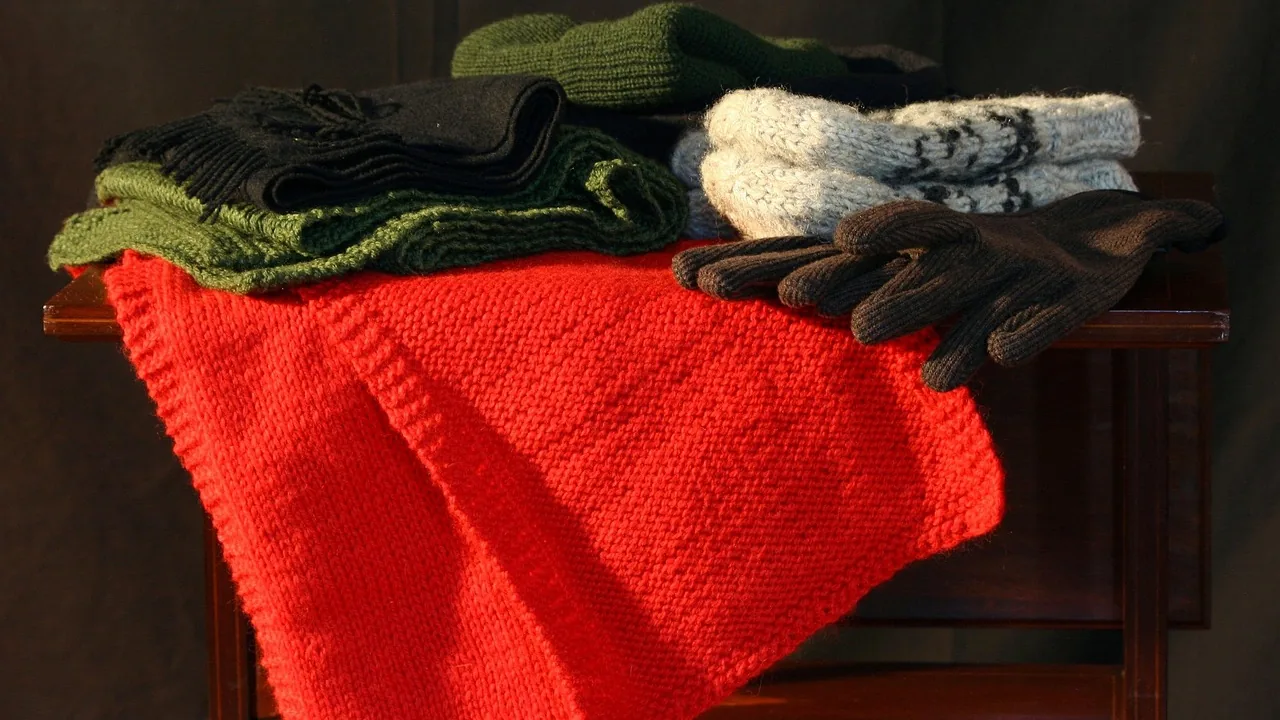
Add lip balm, gloves and a scarf. The AAD says to keep hands, feet and face protected from the cold and to wear lip balm. If you have rosacea, the AAD suggests a silk or acrylic scarf over the face up to just below the eyes, because wool can irritate and wind is a common trigger.
What about your hands and body?
Hands often crack first, because they are washed many times a day and meet cold air bare. The AAD's dry-skin tips include wearing gloves for washing dishes, gardening or other wet work and in cold, dry weather. Keep a tube of hand cream by every sink and apply it after each wash; at night, a thicker ointment works well under cotton gloves. On the body, the winter kit suggests creamy liquid, gel or mousse cleansers labeled fragrance-free, and the AAD's dry-skin advice notes that "unscented" products can still contain masking chemicals that irritate.
How do you track whether the switch worked?
Take a selfie every week in the same window light, at the same time of day, about 20 minutes after moisturizing, and keep a one-line note: tightness after washing from 0 to 3, any flaking, and what you changed that week. Compare week 4 with week 1, then check again in the coldest month. If tightness creeps back, add a thin layer of petrolatum over your night cream before reaching for anything new.
What should you expect, and what if it stings?
By the end of the month, most people notice less tightness after washing and fewer dry patches when the heating comes on. New skin cells take about a month to reach the surface, so improvements in flaking keep building over the following weeks.
If a new cream stings or causes small bumps, stop it and go back to your previous moisturizer for a few days. Richer creams can feel heavy on oily or acne-prone skin; in that case, use the richer cream only on dry areas or only at night. Our 6-week dry, flaky skin plan is the next step if your skin is already flaking.
When should you see a dermatologist?
The AAD advises seeing a board-certified dermatologist if at-home treatments don't work, and not to wait until your knuckles are bleeding or your lips are cracked. Book a visit too for itchy patches that keep coming back, which can be eczema, or for redness and flushing that get worse every winter. You can find one in our dermatologist directory.
Frequently asked questions
When should I switch to my winter skincare routine?
A few weeks before it turns cold, or when you first notice tightness after washing. Switching one product at a time over a month lets you spot anything that doesn't agree with your skin.
Should I stop using retinol in winter?
Usually not, but the AAD suggests using retinol and exfoliating acids less often or at lower strengths in winter. Keep prescription treatments as prescribed and ask your dermatologist before changing them.
Do I need sunscreen in winter?
Yes. The AAD says up to 80% of UV rays pass through clouds, and snow reflects sunlight. Use broad-spectrum SPF 30 or higher on uncovered skin.
Does a humidifier help winter skin?
The AAD suggests a filtered, cool-mist humidifier in the bedroom to add moisture to dry indoor air. Clean it regularly.
What moisturizer is best for winter?
A cream or balm rather than a light lotion, fragrance-free, applied right after washing. Very dry patches can take a thin layer of petrolatum on top.
How do I protect rosacea-prone skin in winter?
Cover your face with a silk or acrylic scarf in wind and cold, avoid wool against the skin, wear sunscreen and an emollient daily, and avoid very hot showers.
Sources
- American Academy of Dermatology: Winter skin survival kit
- American Academy of Dermatology: Board-certified dermatologist shares tips to protect your skin this winter
- American Academy of Dermatology: Dermatologists' top tips for relieving dry skin
- American Academy of Dermatology: Sunscreen FAQs
- American Academy of Dermatology: How to prevent rosacea flare-ups
- Engebretsen KA et al. The effect of environmental humidity and temperature on skin barrier function and dermatitis. J Eur Acad Dermatol Venereol, 2016 (PubMed)
- Youn SW et al. Regional and seasonal variations in facial sebum secretions. Skin Res Technol, 2005 (PubMed)
- Cleveland Clinic: Epidermis
Pori is a wellness and skincare education app, not a medical device. This article is for general information and isn't medical advice. For anything that worries you, see a dermatologist.